
Started March 19, 2023 · Returning Series · Based on 4 seasons, 40 episodes through May 31, 2026 · TV-PG
Maggie Sullivan is a Boston neurosurgeon whose career collapses after her business partner faces fraud charges and a patient’s family blames her for a death. She returns to her father Sully’s campground in Timberlake, Nova Scotia, where she tries to repair their broken bond and decide whether city life still fits her. She also grows close to Cal Jones, a former lawyer who is grieving his wife. The drama mixes romance, family wounds, addiction, pregnancy loss, illness, rescue work, and small-town friendship.
The show includes visible LGBTQ stories, but they stay beside the main family romance. Fire chief Connie’s son Jackson explores a romance with Kaleb in season 1, while Connie dates Alysa and speaks about the shame she felt hiding her sexuality in season 2. The series also gives central space to Indigenous characters and their customs, and it presents Maggie as a highly skilled doctor who takes charge during medical crises. Seasons 3 and 4 put less weight on identity and more on Maggie’s new local practice, family duties, grief, and the Liam-Cal love triangle.
Community feedback
Was our 55% Woke rating accurate?
Breakdown
These are the editorial factors and ratings behind our score for Sullivan's Crossing.
Woke representation / casting
The regular town group includes an Indigenous elder couple, a black woman, and LGBTQ characters in visible supporting roles. Frank and Edna’s Indigenous identity is tied to their family, local customs, and the land around the campground. Sydney is a recurring black woman, but the show does not frame her as a diversity symbol or as a brilliant leader. The main Maggie-Cal romance remains a white, straight pairing, so the pattern is noticeable but not dominant.
30%
Woke political dialogue
Connie tells Alysa that she was shamed for who she is because her parents were relieved she was not gay. Connie also says she wants the freedom to live more openly. The show uses these lines to support personal acceptance, but it does not turn them into speeches about law, politics, or DEI. The dialogue is limited to a few relationship scenes.
24%
Identity-driven story themes
Jackson and Kaleb’s attraction appears in the first season, and Connie’s relationship with Alysa continues in the second. Connie talks about shame from hiding her sexuality and about wanting to live freely. The show treats these relationships as valid and accepted, but they stay beside the main Maggie-Cal family drama. Seasons 3 and 4 focus mainly on romance, medical work, grief, and family problems.
40%
Western institutional / cultural critique
Not present. The show uses city versus small town and family conflict as personal drama. It does not make a modern activist attack on capitalism, Christianity, patriarchy, or Western institutions.
0%
Woke character or canon changes
The source books make Connie Boyle a man who is paired with Cal’s sister. The show changes Connie into a woman, gives her a former husband and son, and builds a romance with Alysa. The change adds a lesbian identity arc with shame, self-acceptance, and a kiss. Connie is a supporting character, while the main Maggie-Cal story stays separate.
50%
Anti-woke backlash and complaints
Small X accounts called the show “woke propaganda” and complained that its LGBTQ couples were being pushed. Other user reviews called the same-sex stories unnecessary, non-Biblical, or a box-checking choice. Reddit also carried scattered complaints that the writers had to add gay and lesbian relationships. The reaction has low reach and no organized boycott or major news campaign, so the backlash is real but limited.
32%
Creator track record context
Roma Roth has a low cached score and frames the show around homecoming, emotional healing, romance, and hope. Robyn Carr has a moderate cached score because her books often focus on women’s autonomy, caregiving, and family pressure. Producer Carolyn Wu has a high cached score from queer, racialized, and gender-diverse work, while Justin Stockman and Rachel Goldstein-Couto have moderate diversity-program records. The wider creative team is mixed, so this context is moderate rather than dominant.
40%
Production
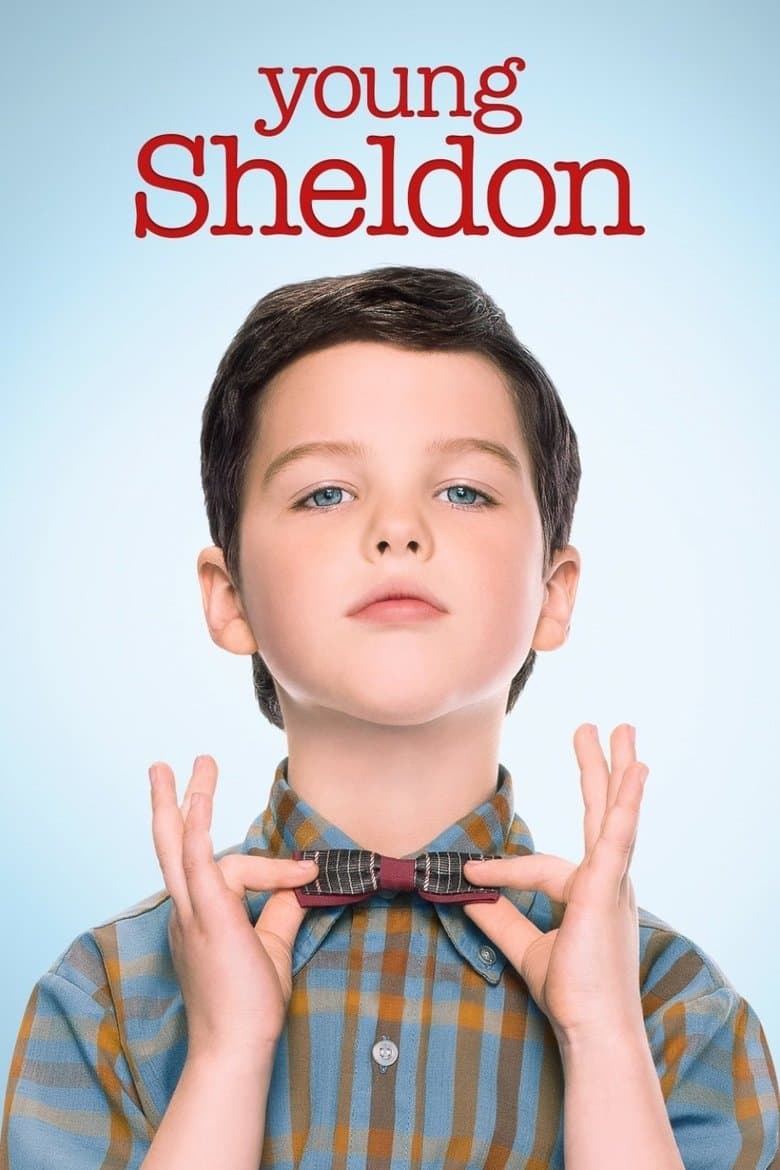
TV Show · 2017
The early life of child genius Sheldon Cooper, later seen in The Big Bang Theory.
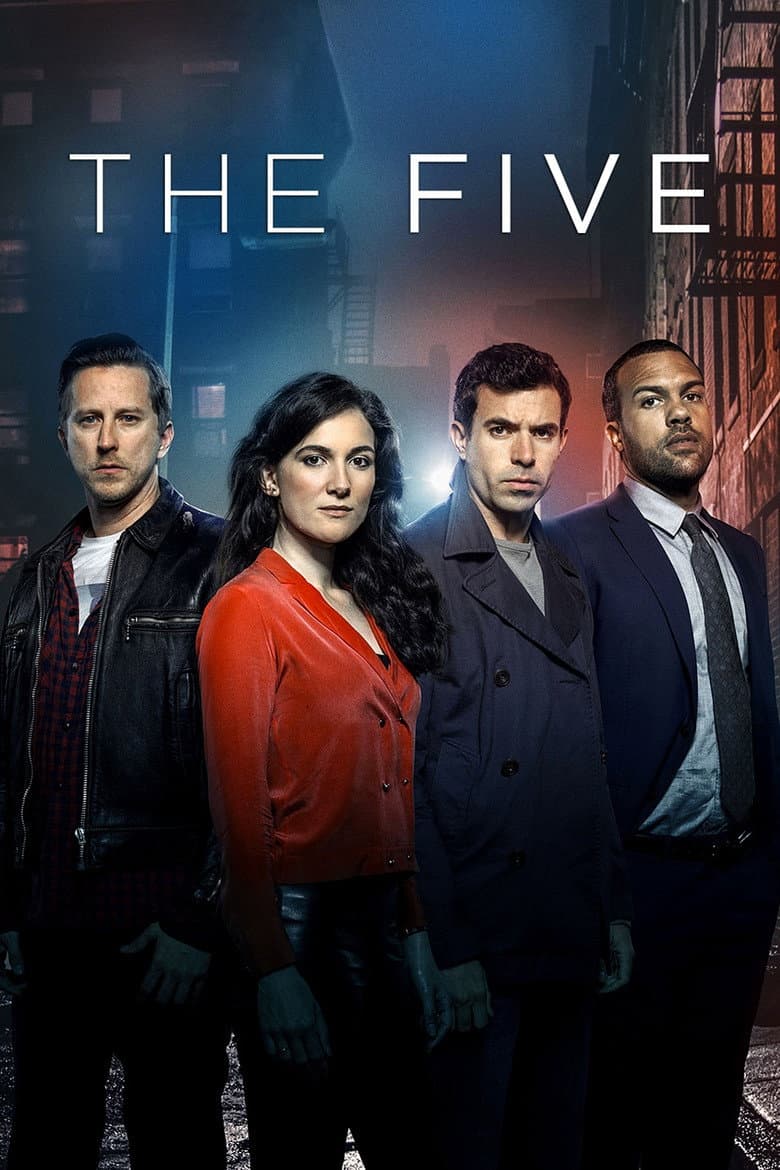
TV Show · 2016
When they were twelve years old, Mark, Pru, Danny and Slade were out together in the park. Mark’s five-year-old brother, Jesse, was annoying them.
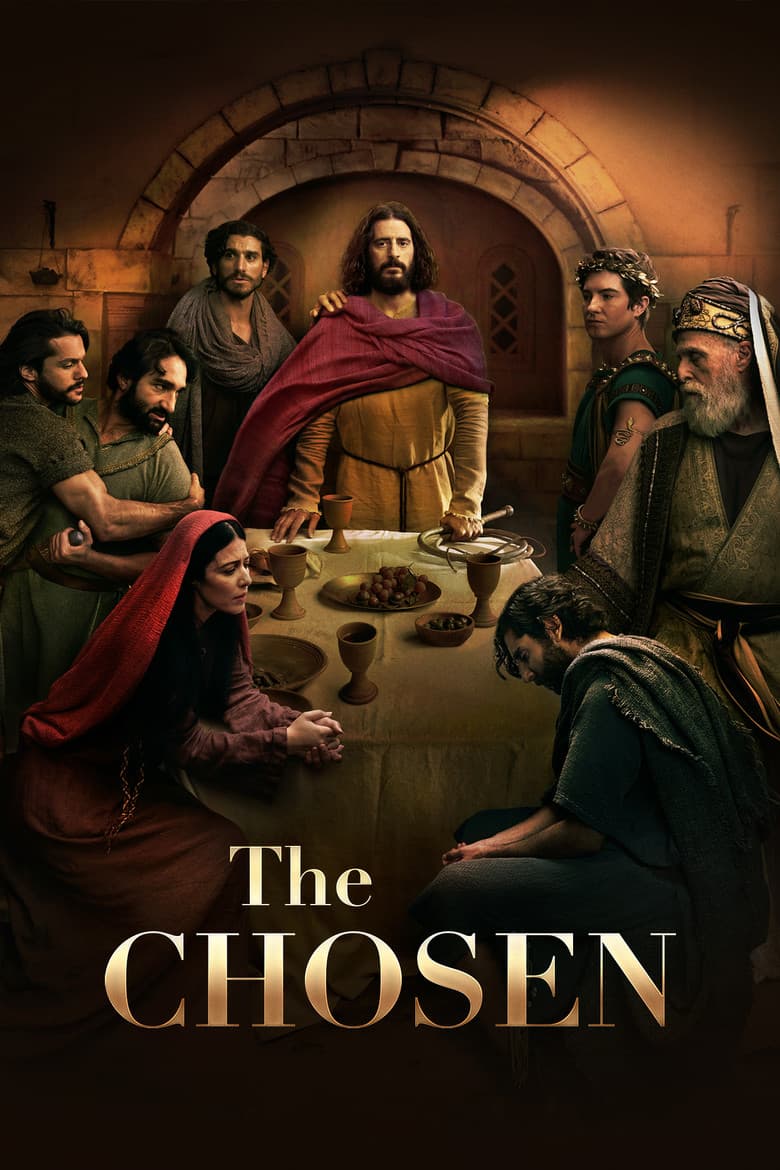
TV Show · 2019
The life of Christ through the eyes of those who encountered him.
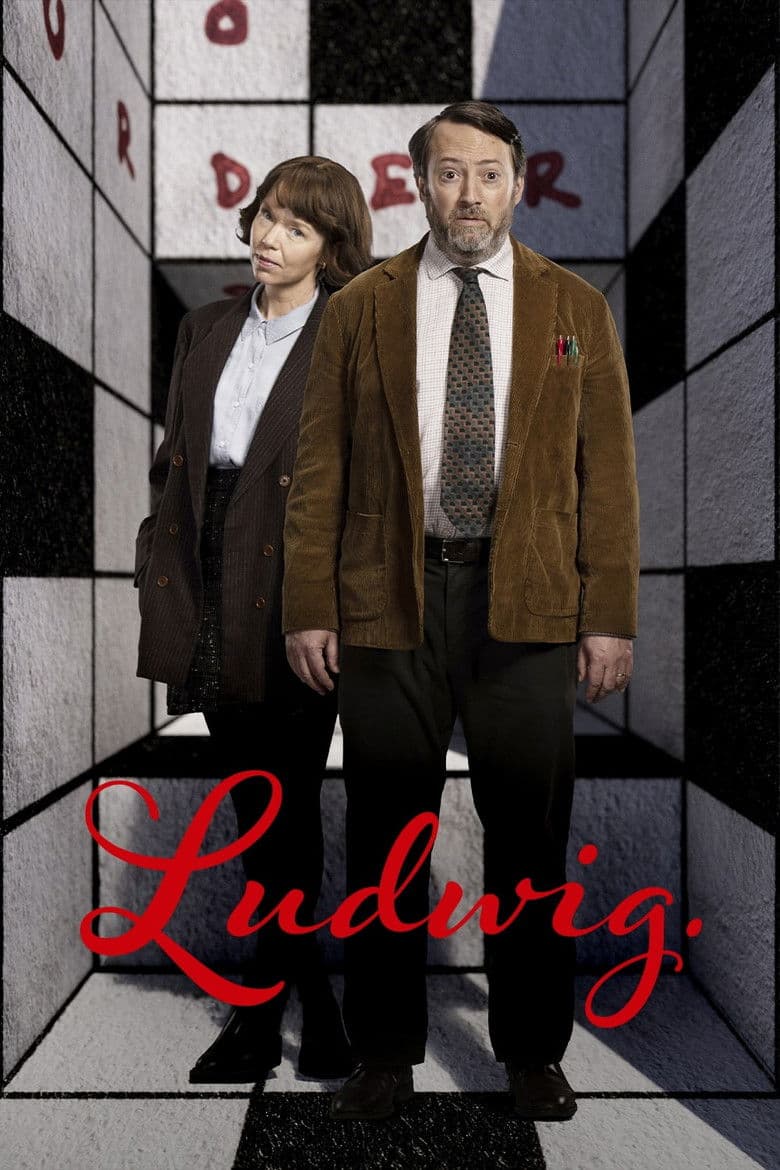
TV Show · 2024
John Taylor lives in quiet solitude, designing puzzles for a living, under the nom-de-plume of 'Ludwig'. When his identical twin, James, disappears off the face of the earth, John…

TV Show · 2025
Two outlaws must navigate the galaxy's dangerous underworld as they chart their destinies.
