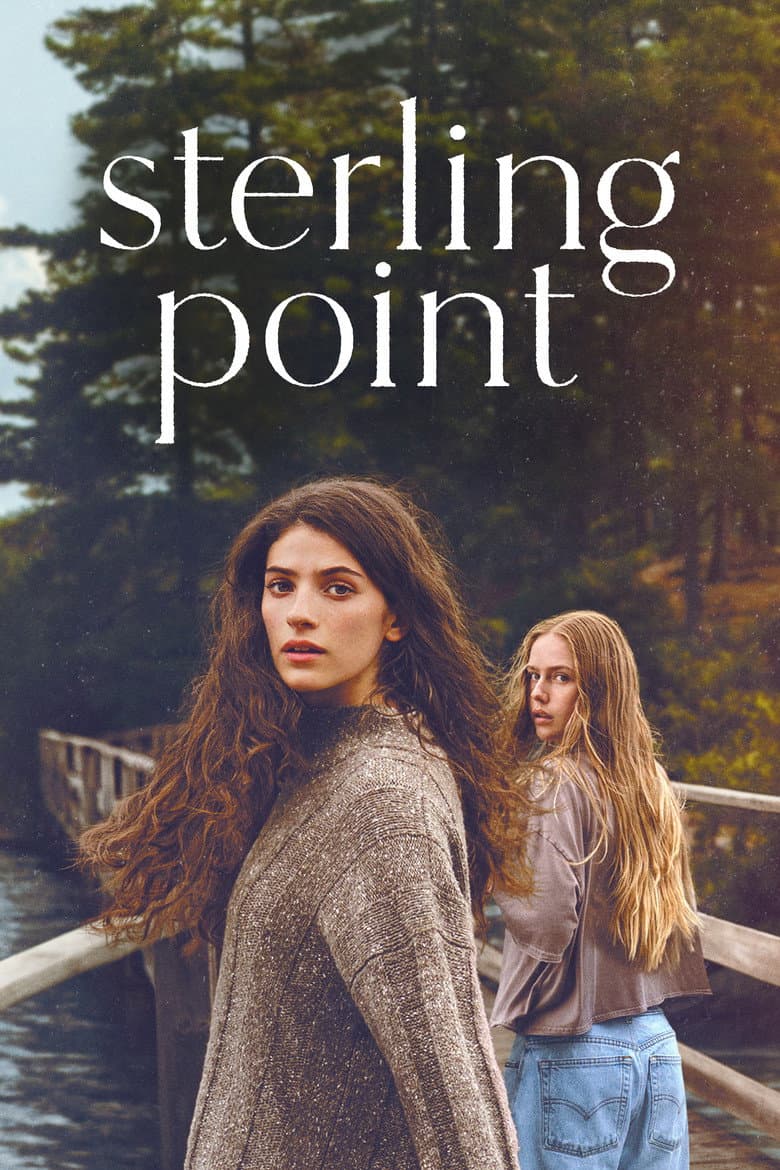
Started August 5, 2026 · Returning Series · Based on 1 season, 8 episodes through August 5, 2026 · TV-MA
Seventeen-year-old Annie Jacobson lives in New York with her twin brother Connor and their adoptive father, Steven. After Annie loses a place in a summer program, she learns that a grandfather she never knew has left the twins an island in Ontario’s Muskoka lake country. Annie travels there in secret to learn why her family hid the past, but she finds Ramona, a girl who is tied to the island and to Annie’s dead mother. The show mixes family mystery, grief, romance, jokes, and summer scenery with a glossy but emotional teen-drama tone.
Ramona turns out to be Annie’s half-sister, and the sisters become the main emotional pair of the season. Ramona and Oona move from a close friendship to kissing, sex, and repeated talk about love, while Annie’s gay boyfriend and jokes about her being bi make queer identity part of the group from the start. Annie also dates two boys, but the story gives the girls most of the power, attention, and final choices. The season often shows fathers and male guardians hiding the truth or failing to understand the girls, while the girls decide where they belong and what kind of family they want.
Community feedback
Was our 73% Woke rating accurate?
Breakdown
These are the editorial factors and ratings behind our score for Sterling Point.
Woke representation / casting
Annie, Ramona, Oona, and Maple make girls the main young characters, while Connor and the other boys mostly support their stories. The show also gives Ellis an Indigenous identity in a leading romantic role. Park and the cast describe the series as female-centric and built around strong women with agency. The modern Canadian setting makes the ethnic mix fit the story, so the clearest signal is the gender-first design.
42%
Woke political dialogue
Annie is called “single and bi” during the opening sexuality subplot. Connor talks about his boyfriend coming out, and the show treats that as casual normal conversation. Ramona and Oona speak openly about attraction, sex, body shame, and love across several episodes. The dialogue also jokes about a “performative male” way of reading and says lesbians usually like Connor.
38%
Identity-driven story themes
Ramona and Oona’s romance grows from friendship into sex, love, and a breakup that shapes the final episodes. The story treats their relationship as normal and worthwhile instead of as a problem to solve. Annie begins with a gay boyfriend and keeps figuring out her own attraction. The family mystery remains the outer plot, but queer identity is a central story thread across much of the season.
72%
Western institutional / cultural critique
Steven, Joe, and Gordon make major choices about the girls’ lives and keep family truths from them. Ramona later pushes back against Joe’s guardianship and wants to make her own choices. The show frames this as a painful family problem, not a broad attack on men, religion, or Western institutions. The critique is therefore mild.
12%
Woke character or canon changes
Not relevant. Sterling Point is an original story, so it does not change an established character, source, or historical figure.
0%
Anti-woke backlash and complaints
Several small X accounts call Sterling Point woke DEI content or complain about its gay, bi, and lesbian characters. Small Reddit threads repeat claims that the show has too many queer characters and was written by woke adults. The complaints clearly target identity-driven content, but the accounts have little reach. No major news backlash or organized campaign was confirmed.
32%
Creator track record context
Megan Park has a repeated record of women-centered and queer coming-of-age work, and she calls queer representation in this show a natural choice. Andrew Ahn and Aurora Guerrero have stronger queer and activist identity records. Jared Frieder has built a major part of his public work around a gay coming-of-age story. Other writers and producers have milder or unclear records.
68%
Production
TV Show · 2026
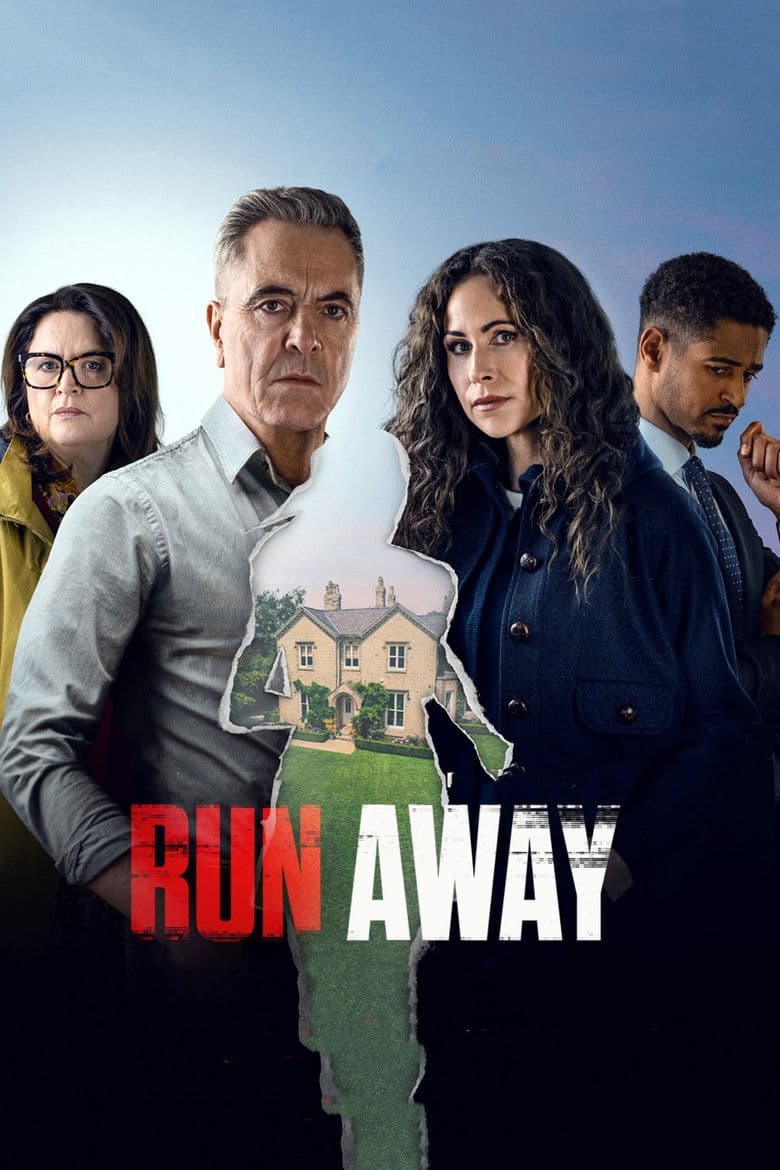
A desperate father searching for his runaway daughter gets caught up in a murder case — and stumbles upon secrets which could destroy his family for good.
TV Show · 2022
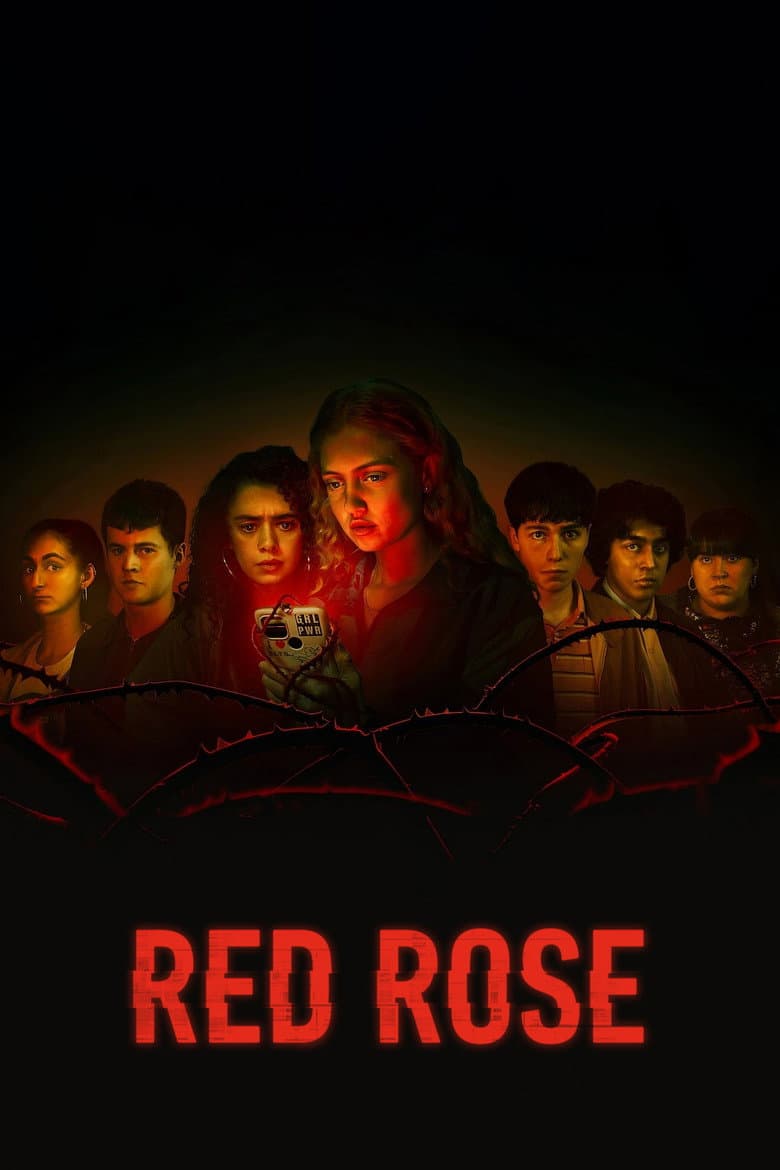
When one of a group of friends downloads the mysterious Red Rose app, plans change. What starts innocently as a game of admiration rapidly descends into something much darker.

TV Show · 2024
Kirie tries to escape from her town Kurouzu-cho, where the residents get obsessed with spirals due to an unexplained curse.
TV Show · 2019
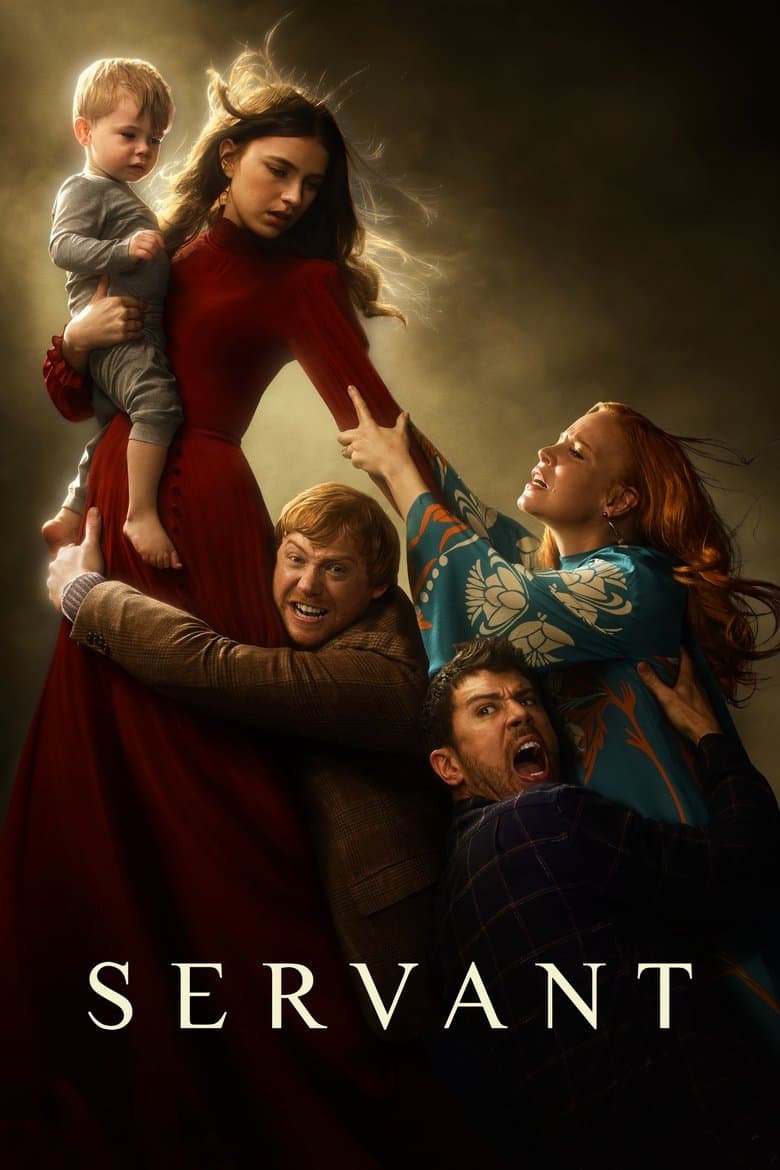
A Philadelphia couple are in mourning after an unspeakable tragedy creates a rift in their marriage and opens the door for a mysterious force to enter their home.
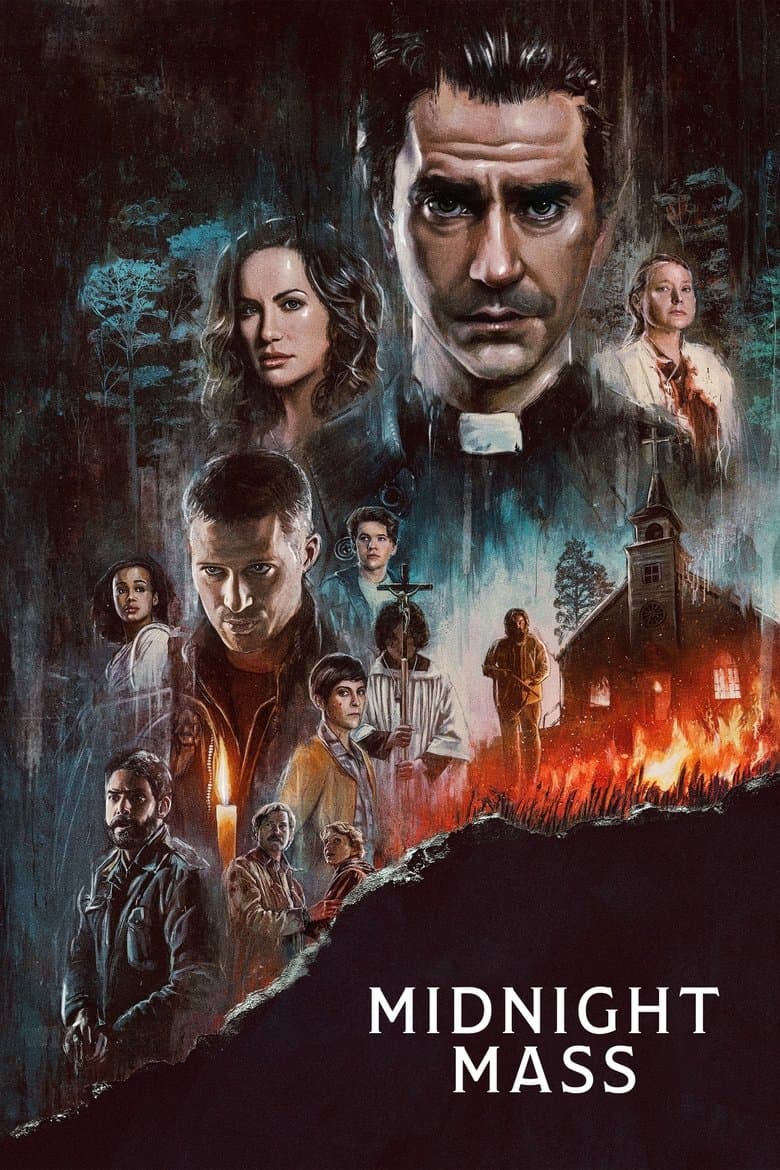
TV Show · 2021
The arrival of a charismatic young priest brings glorious miracles, ominous mysteries and renewed religious fervor to a dying town desperate to believe.
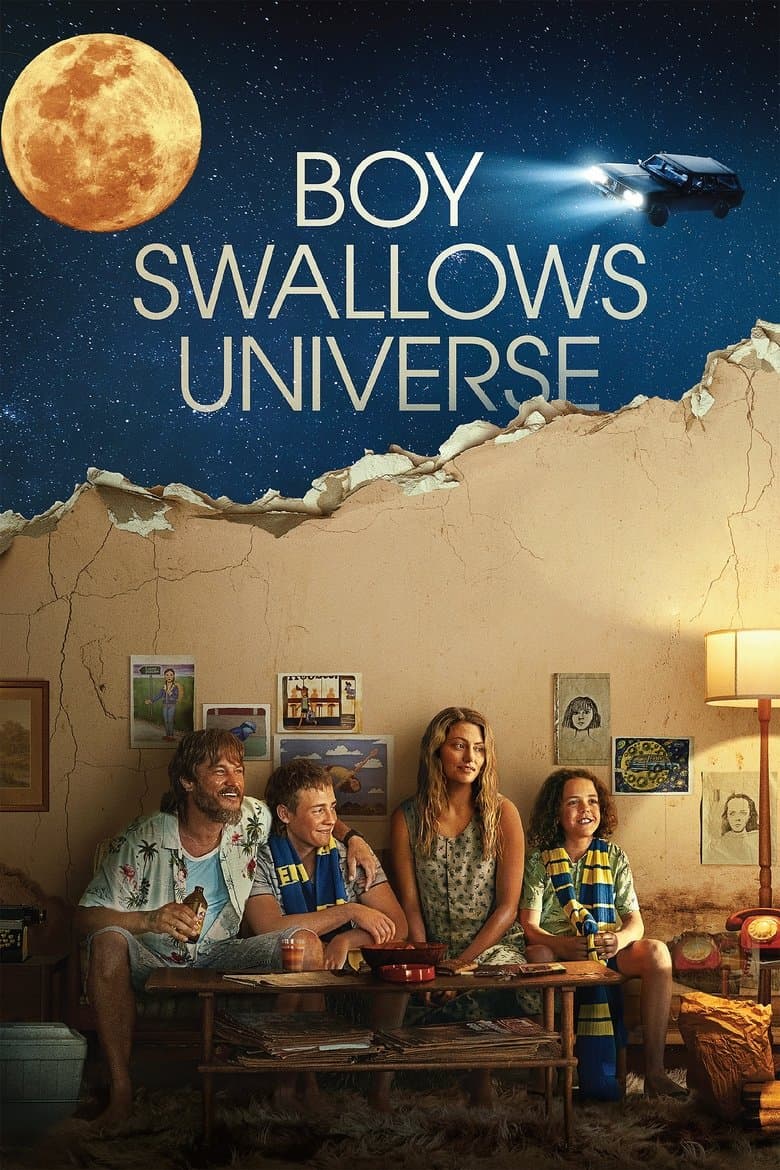
TV Show · 2024
A young boy growing up in the suburbs of 1980s Brisbane faces the harsh realities of life — and the looming dangers that threaten his family.
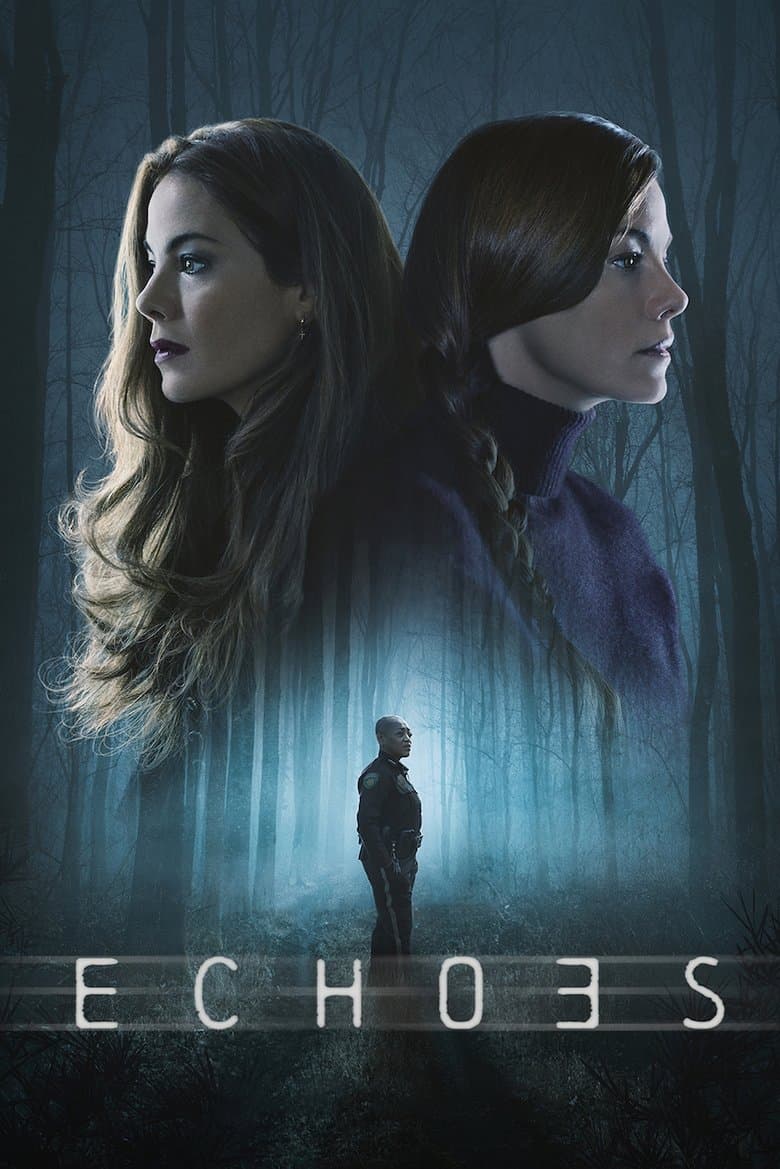
TV Show · 2022
Identical twins Leni and Gina have secretly switched places for years. But when one sister disappears, both of their lives start to fall apart.
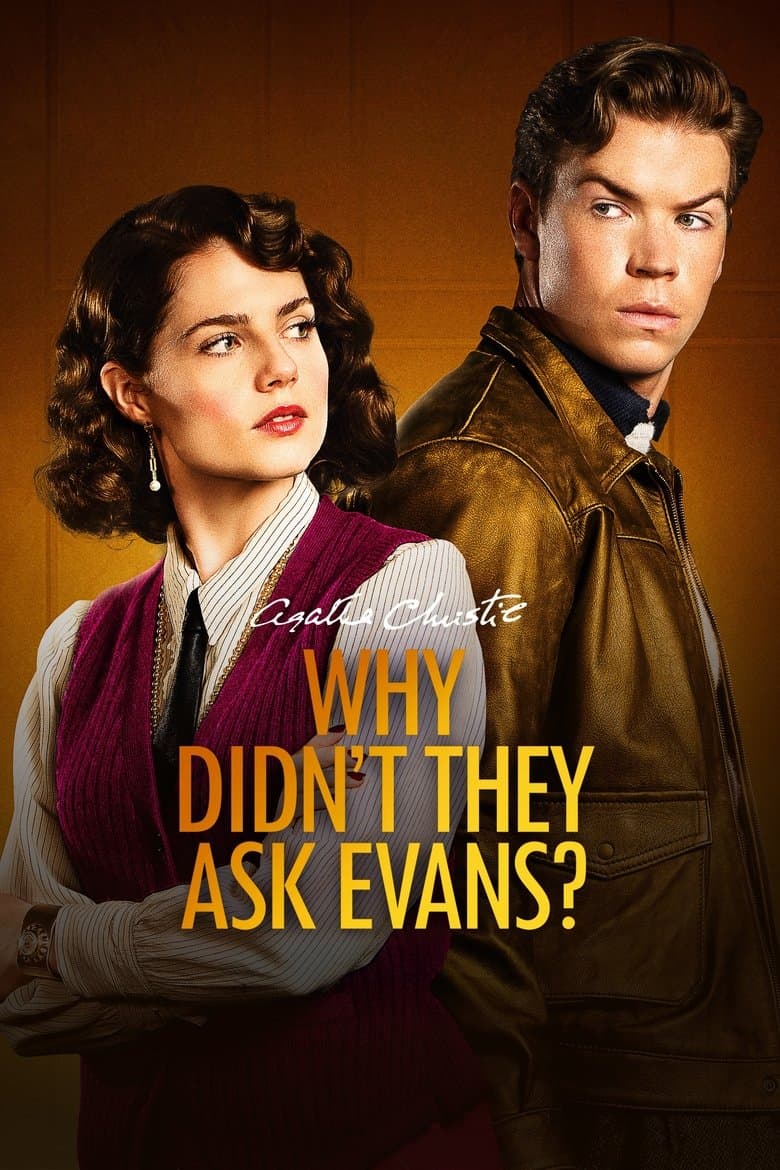
TV Show · 2022
A dying man's enigmatic last words send vicar's son, Bobby Jones, and his socialite friend, Lady Frankie Derwent, on a crime-solving adventure.
