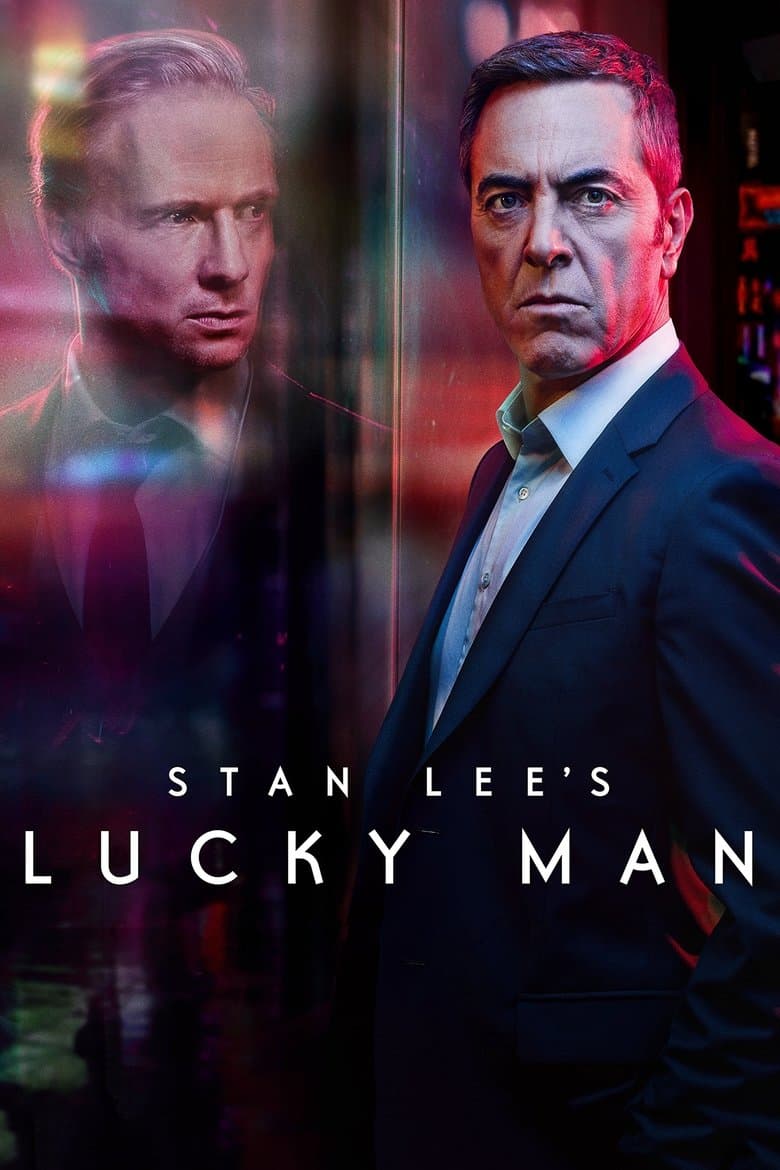
Started January 22, 2016 · Ended · Based on 3 seasons, 28 episodes through September 7, 2018 · TV-14 · 44 min
Harry Clayton is a London murder detective whose gambling has cost him his home, marriage, and trust with his daughter. A mysterious woman gives him a bracelet that can bend luck, but every good turn brings harm somewhere else. Harry uses the power while chasing killers, gang leaders, and people who threaten his family. The show mixes police cases, crime gangs, family trouble, sex, and supernatural action across London and Hong Kong, with a dark and sometimes comic tone.
The clearest woke element comes in season 2, episode 2, when Harry investigates a gay man's murder and a second killing tied to an anti-gay preacher. The case names hate crimes, conversion therapy, and religious abuse, and the story treats the preacher as dangerous. The regular cast also includes Suri Chohan, a prominent South Asian female detective, plus several women and minority characters in major police and crime roles. These elements are visible, but the show remains mainly a gambling and crime thriller, and seasons 1 and 3 focus on the bracelet, corruption, family danger, and a Hong Kong-linked enemy.
Community feedback
Was our 31% Woke rating accurate?
Breakdown
These are the editorial factors and ratings behind our score for Stan Lee's Lucky Man.
Woke representation / casting
Suri Chohan is a prominent South Asian female detective who serves as Harry's regular partner. Lily-Anne Lau and Kalim add other visible minority roles in the crime story. The mix is plausible for modern London, and no diversity-first campaign was found. The pattern gives a mild casting signal rather than a central message.
18%
Woke political dialogue
Season 2, episode 2 has repeated talks against homosexuality from Reverend Anthony Huxley. The police connect his church to hate crimes and attempts to convert gay men. Harry calls Huxley dangerous and says he has blood on his hands. The show does not repeat this political dialogue across the other seasons.
30%
Identity-driven story themes
Season 2, episode 2 makes anti-gay violence and conversion therapy the center of its case. Kevin and Ade are shown as a gay couple, and the killer's anger comes from a failed attempt to change his sexuality. The other 27 episodes focus on gambling, crime, the bracelet, family danger, and rival criminals.
28%
Western institutional / cultural critique
Reverend Huxley's church uses Bible verses to support conversion therapy and attacks on gay men. The episode treats that church message as a source of harm. Harry rejects Huxley's claims and exposes his past abuse. The show does not make a broader attack on Christianity, family, police, or Western institutions.
22%
Woke character or canon changes
Not relevant. Harry Clayton and the bracelet were created for this show. The story does not rewrite a known comic-book hero or a real historical person.
0%
Anti-woke backlash and complaints
Not present. Ofcom listed one religious or beliefs complaint for the episode, but its public bulletin gives no reason. No clear anti-woke or anti-DEI campaign was found in the wider coverage.
0%
Creator track record context
Neil Biswas has a record of writing about British-Asian identity and cultural representation. Stan Lee's work included diverse heroes and tolerance themes, but he had no clear modern activist record. Most other cached writers and directors have little activist history, though Matt Jones and Marek Losey provide modest supporting signals. This remains background context rather than the show's main focus.
22%
Production
TV Show · 2016
In the near future a family must make difficult decisions as they balance staying together with trying to survive.
TV Show · 2016
A disgraced, 75-year-old ex-sheriff, whose life ends at the hands of corrupt cops, is brought back to life and given a second chance by a pair of young tech scientists, as a…
TV Show · 2017
Holden wakes up from a coma after 12 years and discovers new abilities that propel him into the middle of a dangerous conspiracy.
TV Show · 2021
Two federal agents from two different continents, and two different mindsets, must work together to investigate when wreckage from a destroyed alien spacecraft has mysterious…
TV Show · 2021
On a perilous adventure across a post-apocalyptic world, a lovable boy who's half-human and half-deer searches for a new beginning with a gruff protector.
TV Show · 2021
Interconnected phone conversations chronicle the mysterious story of a group of strangers whose lives are thrown into disarray in the lead-up to an apocalyptic event.
TV Show · 2017
An MIT grad student and a tech superstar bring a low-level Pentagon official a staggering discovery that an asteroid is just six months away from colliding with Earth.
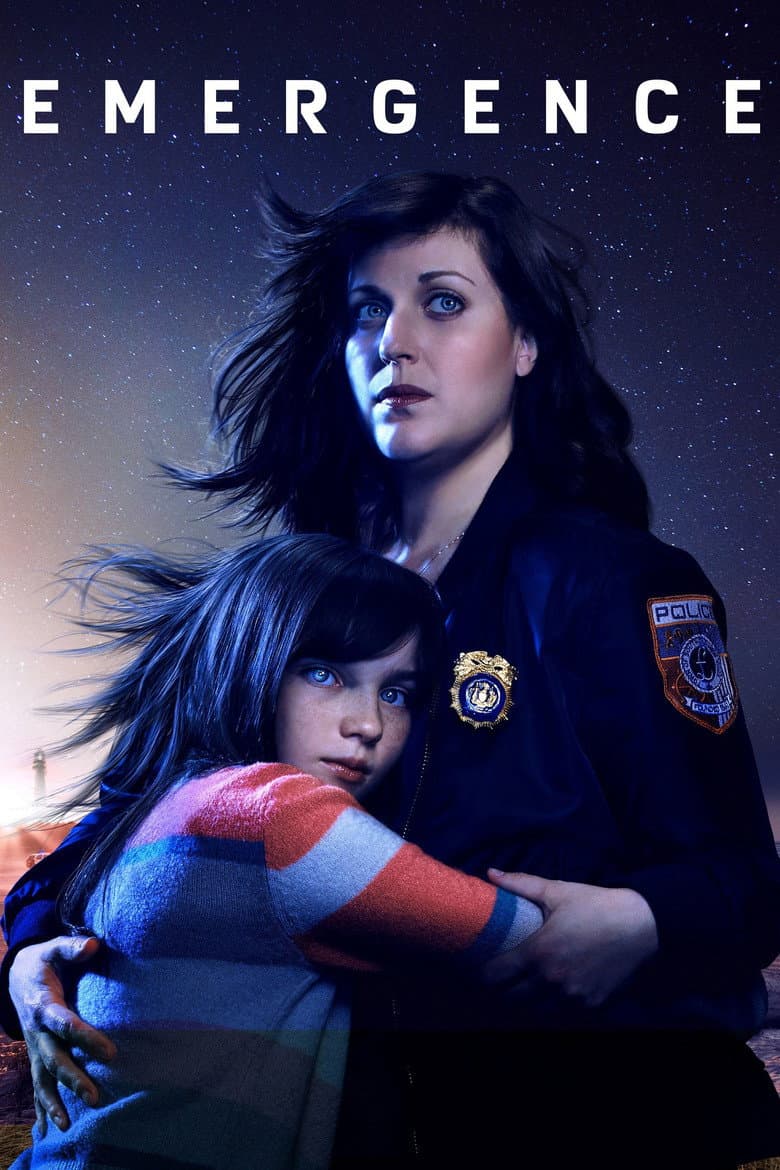
TV Show · 2019
A police chief takes in a young child she finds near the site of a mysterious accident who has no memory of what has happened.
