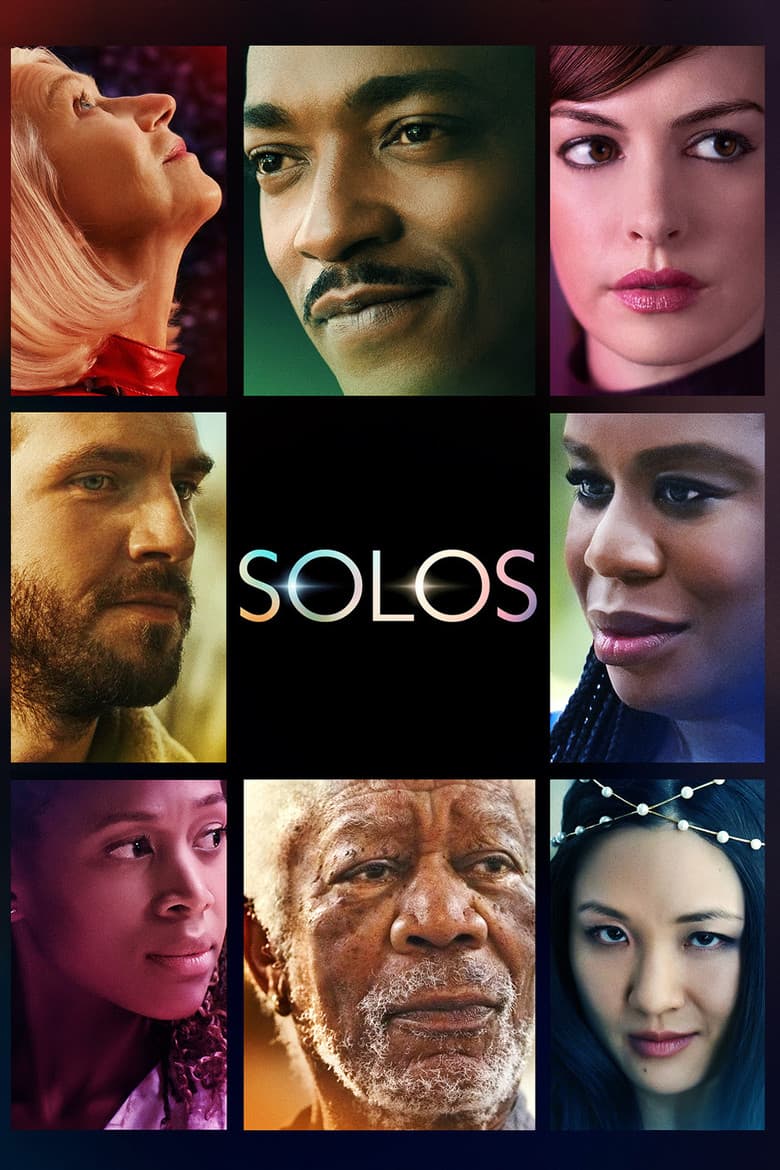
Started May 21, 2021 · Ended · Based on 1 season, 7 episodes through May 21, 2021 · TV-14
Solos is a seven-episode science fiction collection about people who face loneliness in different versions of the near future. Leah is a scientist who tries to reach another time while caring for her dying mother. Tom buys a robot copy of himself because he expects to die, while Peg leaves Earth, Sasha hides in a smart home, Jenny waits in a strange memory clinic, and Nera gives birth during a storm. Otto helps Stuart recover stolen memories in the final story. The episodes join through family, regret, and the need to feel close to another person, and the tone is quiet, sad, strange, and sometimes funny.
The clearest woke material comes in Leah's episode, where she says time-travel stories mostly give the best roles to men and complains that a woman's big science-fiction discovery is rare. Leah also jokes about Donald Trump fleeing to Russia. The cast repeatedly places women, black actors, and an Asian actor at the center, and Nera's story follows a black woman who was abandoned as a baby. Sasha's long argument with a smart-home company adds distrust of big technology and public rules, but most episodes stay focused on grief, love, family, and personal choice instead of an ongoing political campaign.
Community feedback
Was our 41% Woke rating accurate?
Breakdown
These are the editorial factors and ratings behind our score for Solos.
Woke representation / casting
The anthology puts five women at the center of seven episodes and gives major roles to Black, Asian, and white actors. Leah is a brilliant scientist, and Sasha and Nera carry full episodes as black women. Nera's backstory specifically makes her a black woman, so that casting has a story reason. Coverage also highlights that Nera's episode brought together three black women, which makes the casting partly a representation statement. The pattern is clear, but the stories still treat these people as individuals rather than making race the plot.
39%
Woke political dialogue
Leah says science-fiction time-travel stories give the best examples to men and leave women with very few lead roles. Leah says 13 Going on 30 uses magic instead of the woman's brains, which makes the joke into a complaint about how women are shown. Leah also jokes that Donald Trump fled to Russia. The message is direct, but it appears in one episode rather than shaping the whole season.
30%
Identity-driven story themes
Leah's story presents a woman scientist as the person making a major time-travel breakthrough. Leah's speech connects that achievement to the lack of female-led science-fiction stories. Peg's story follows an older woman who feels unseen and decides to live without fear. These identity themes recur in two episodes, while the other stories focus more on loneliness, family, memory, and regret.
27%
Western institutional / cultural critique
Leah criticizes a male-centered science-fiction tradition and says women are given weaker chances to lead those stories. Sasha argues for her right to stay in a home after a pandemic and blames Stay Homes, new rules, and public claims that the danger has ended. The show presents the company, its AI, and its control over users as deeply troubling. The critique is strong in Sasha's episode, but the season does not make a broad attack on capitalism, religion, or family life.
29%
Woke character or canon changes
Not relevant. Solos is an original anthology with no established characters, source story, or real historical figure to change.
0%
Anti-woke backlash and complaints
Not present. The supplied X pass found no anti-woke reaction or specific complaints. Web and audience coverage discussed acting, writing, format, and loneliness instead of calling the show woke or activist.
0%
Creator track record context
David Weil's recorded creator score is 47/100 and reflects Hunters' focus on racism, xenophobia, and intersectionality. Stacy Osei-Kuffour's recorded score is 58/100 and reflects work about race, policing, and social issues. Tiffany Johnson's recorded score is 73/100 and reflects identity-focused work and support for Black artists. The other recorded writers, directors, and producers have mostly low or mild scores. This gives the project a moderate creator track record signal, although Solos itself centers on isolation and human connection.
33%
Production
TV Show · 2021
Two federal agents from two different continents, and two different mindsets, must work together to investigate when wreckage from a destroyed alien spacecraft has mysterious…
TV Show · 2018
After landing from a turbulent but routine flight, the crew and passengers of Montego Air Flight 828 discover five years have passed in what seemed like a few hours.

TV Show · 2020
Korean emperor Lee Gon tries to close the doors to a parallel world which was opened by demons; a detective tries to protect the people and the one she loves.
TV Show · 2017
Holden wakes up from a coma after 12 years and discovers new abilities that propel him into the middle of a dangerous conspiracy.
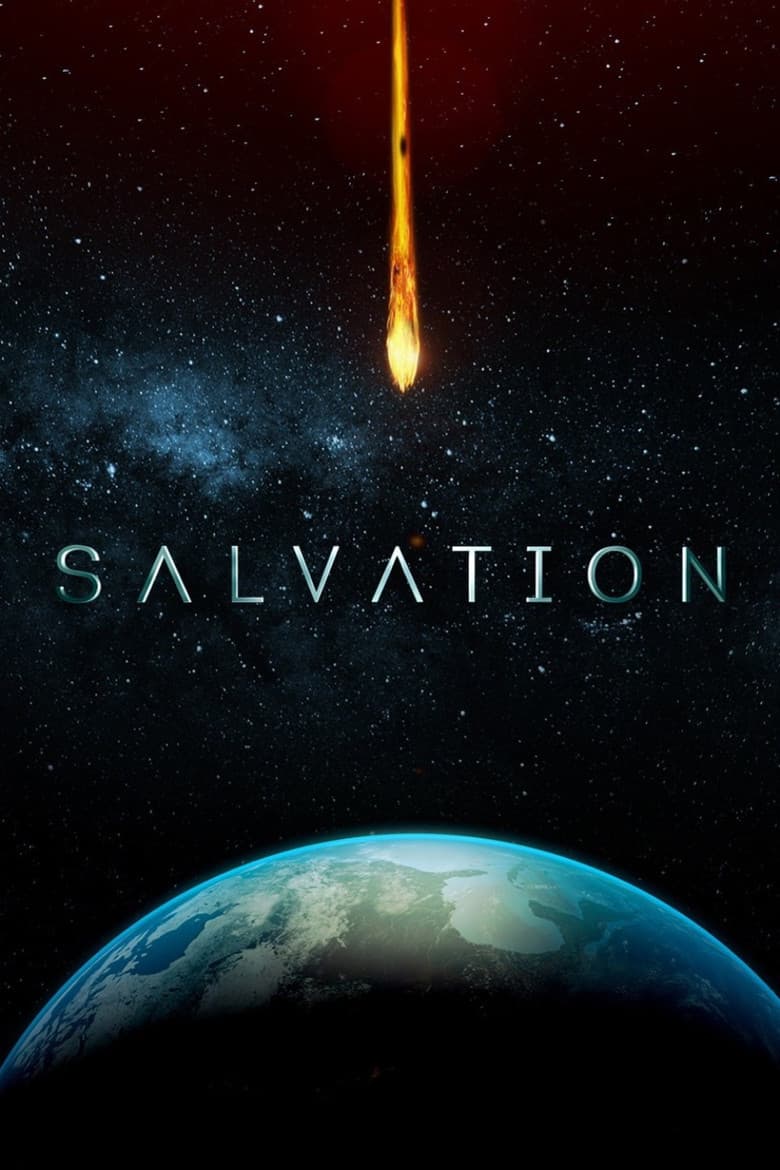
TV Show · 2017
An MIT grad student and a tech superstar bring a low-level Pentagon official a staggering discovery that an asteroid is just six months away from colliding with Earth.
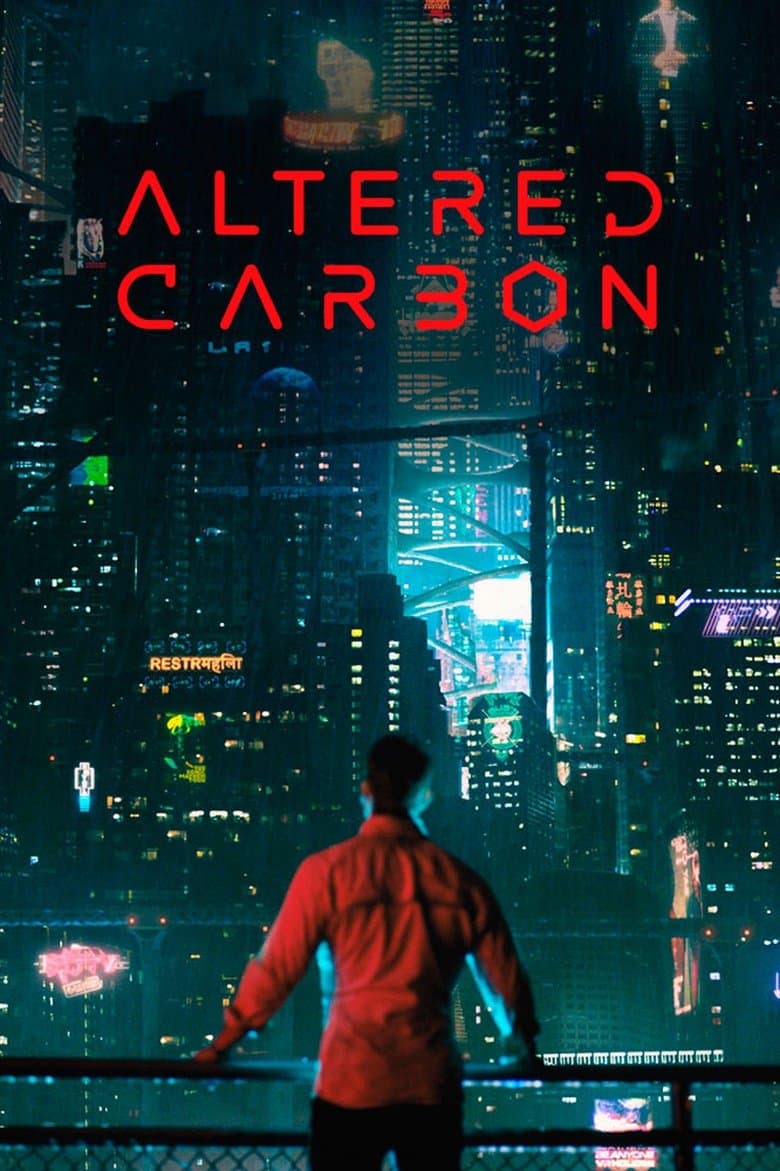
TV Show · 2018
After 250 years on ice, a prisoner returns to life in a new body with one chance to win his freedom: by solving a mind-bending murder.
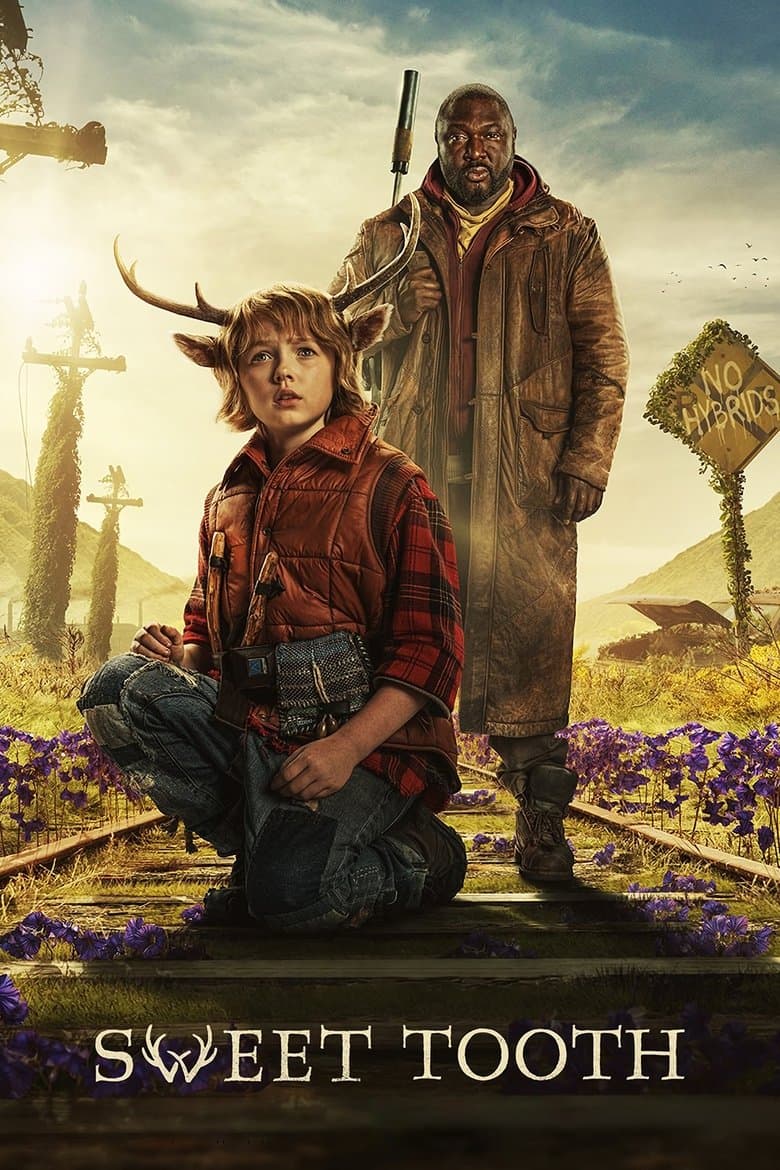
TV Show · 2021
On a perilous adventure across a post-apocalyptic world, a lovable boy who's half-human and half-deer searches for a new beginning with a gruff protector.
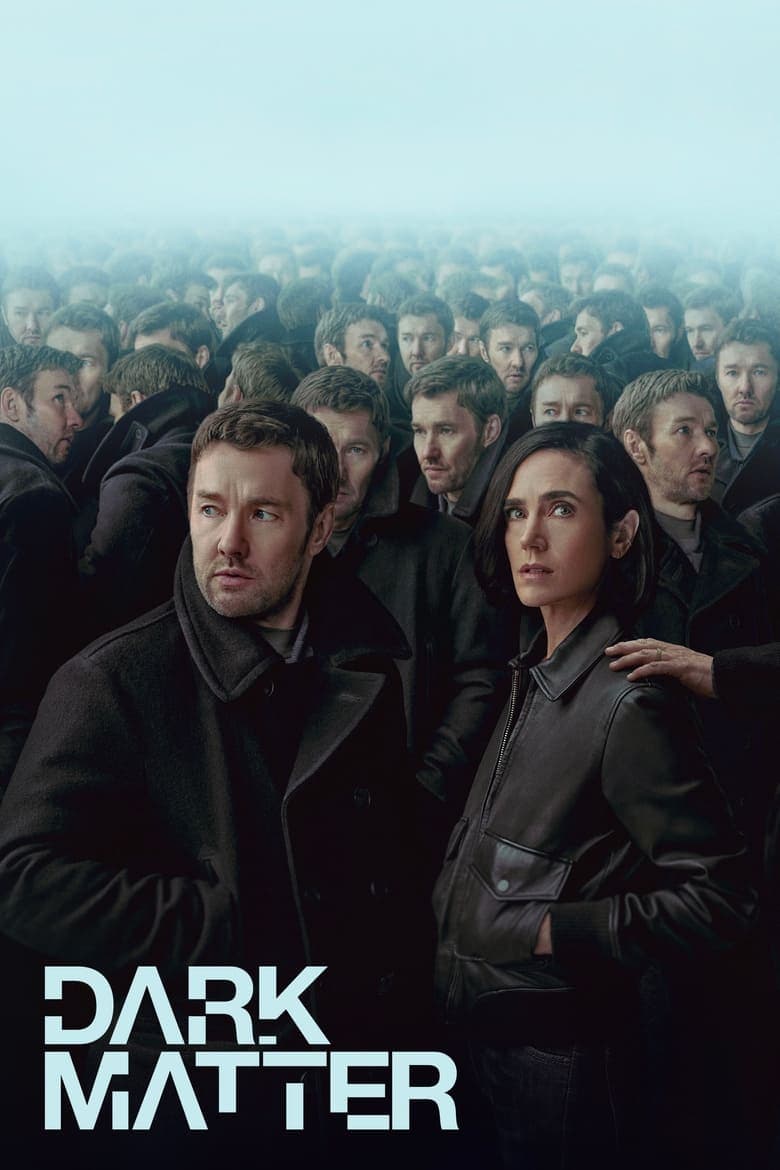
TV Show · 2024
Jason Dessen is abducted into an alternate version of his life. To get back to his true family, he embarks on a harrowing journey to save them from the most terrifying foe…
