
Started December 4, 2020 · Ended · Based on 1 season, 18 episodes through May 4, 2021 · TV-PG · 40 min
Selena Quintanilla grows up in Corpus Christi, Texas, in a close Mexican-American family that forms a band to survive hard times. Her father, Abraham, pushes Selena, her brother A.B., and her sister Suzette from small shows toward Tejano fame. Selena learns Spanish, finds her stage style, falls in love with guitarist Chris Pérez, and struggles to balance family duty, work, and her own choices. The final episodes follow her marriage, clothing business, English-language plans, and tragic death. The tone is warm and family-focused, with music, humor, pressure, and grief.
The show makes Selena’s Mexican-American identity part of her career, not just a background detail. A record label tries to sell her as exotic, while Selena and Abraham argue that she is an American girl of Mexican descent who sings in Spanish. Later, Selena says many kinds of people can see themselves in her, and she calls herself a role model. These ideas recur through the music and crossover story, but the show presents them as part of her life rather than as a broad political campaign.
Community feedback
Was our 35% Woke rating accurate?
Breakdown
These are the editorial factors and ratings behind our score for Selena: The Series.
Woke representation / casting
The cast matches the real Mexican-American family and South Texas setting. Netflix highlights Suzette as the first female drummer in Tejano music history. Christian Serratos also frames playing Selena as a way to represent Latin identity in American media. The show does not add a broad mix of unrelated identities or change a person’s race or sex.
18%
Woke political dialogue
Selena’s father tells her that she is both American and Mexican. Abraham argues with a record executive who wants to market her as exotic. Selena later says that many kinds of people can see themselves in her. The dialogue supports bicultural pride, but it does not call for current political action.
27%
Identity-driven story themes
The show makes Selena’s Mexican-American identity a continuing part of her career. Selena learns Spanish, sings Tejano music, and tries to cross into the English market. The story returns to pressure over how the label and fans should understand her. Selena’s identity is important, but the theme stays tied to her real life and music rather than a broad activist program.
35%
Western institutional / cultural critique
Not present. The show depicts a controlling father, a strict family, and a record business that pressures Selena. It treats those problems as personal conflicts and does not attack Western institutions, capitalism, Christianity, or traditional family life.
0%
Woke character or canon changes
Not relevant. The series uses real people and keeps their Mexican-American background. Its softened or compressed events are ordinary biography changes, not identity-driven changes to established characters or history.
0%
Anti-woke backlash and complaints
Not present. Public complaints focused on accuracy, pacing, casting, wigs, and the decision to center the family over Selena. No clear complaint said the series pushed woke, DEI, or identity-politics messaging.
0%
Creator track record context
Moisés Zamora has a low creator score of 20/100 and no documented activist campaign. Several writers have higher recorded scores because of Latino, immigrant, and anti-stereotype work, including Claudia Forestieri at 80 and Jorge Ramirez-Martinez at 75. Jaime Dávila has a recorded score of 85 for pushing more Latino stories into Hollywood, while most directors and producers score low. This gives moderate creator track record context, but it does not prove that the series itself is political.
38%
Production
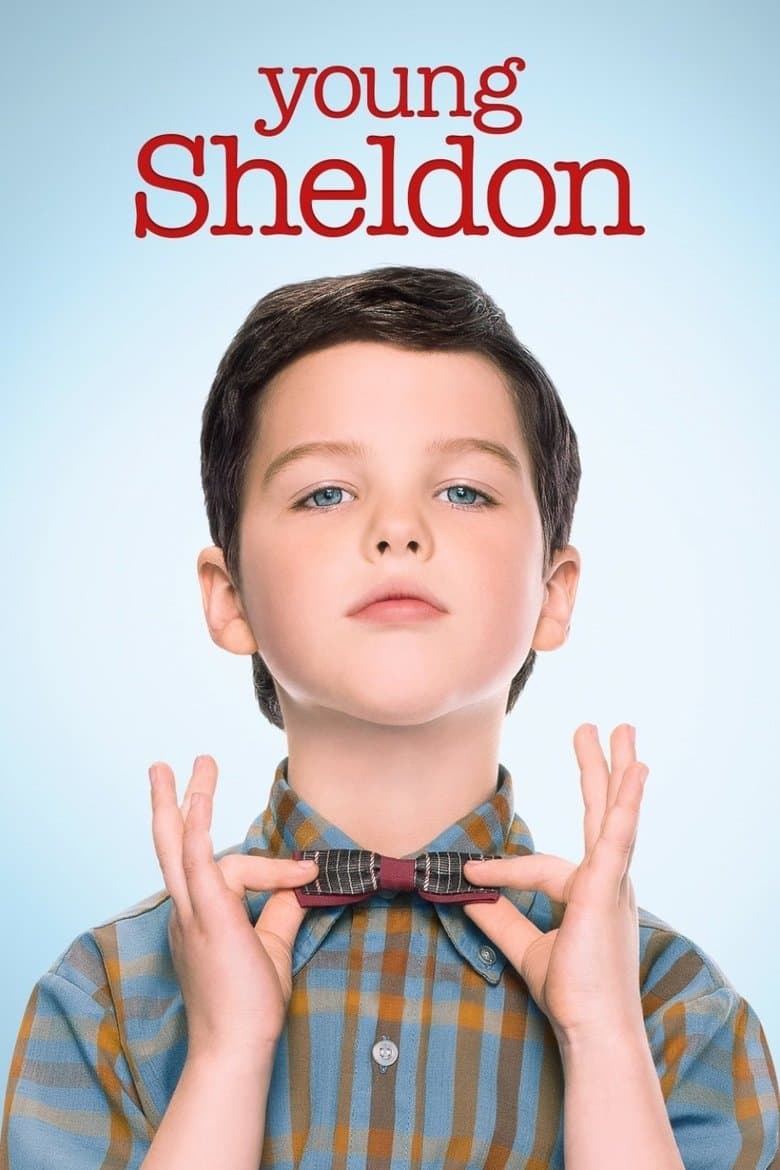
TV Show · 2017
The early life of child genius Sheldon Cooper, later seen in The Big Bang Theory.
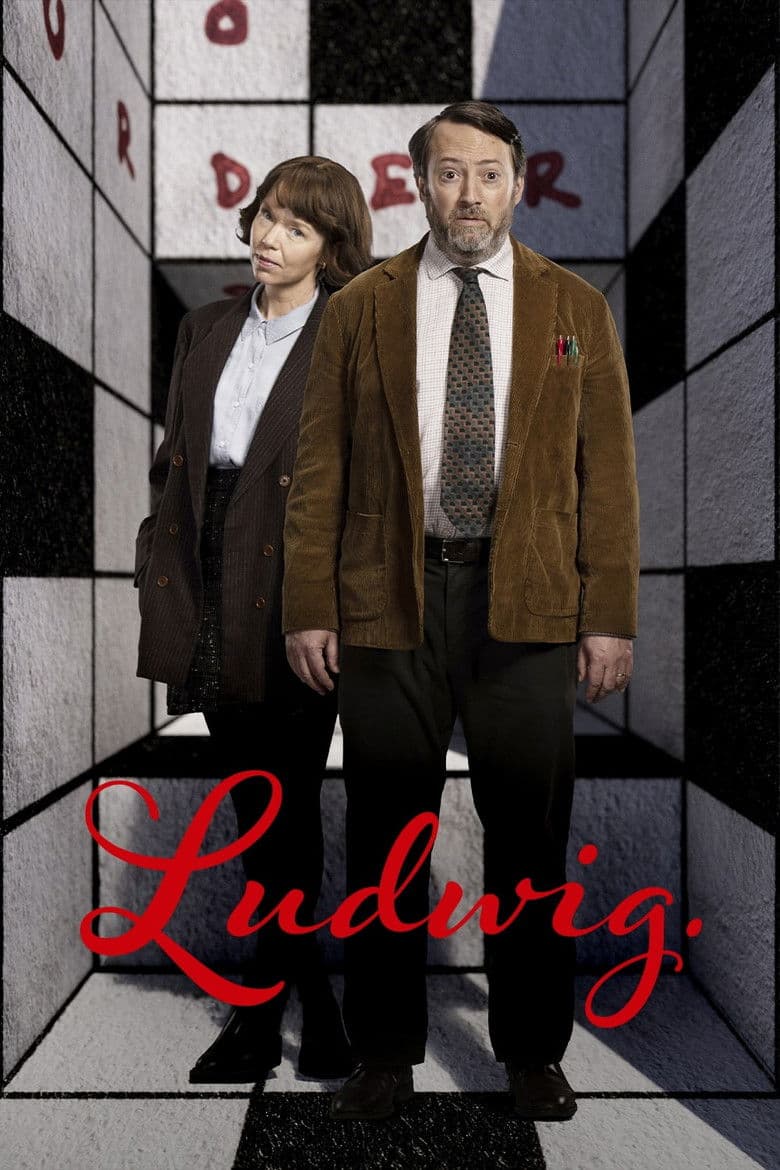
TV Show · 2024
John Taylor lives in quiet solitude, designing puzzles for a living, under the nom-de-plume of 'Ludwig'. When his identical twin, James, disappears off the face of the earth, John…
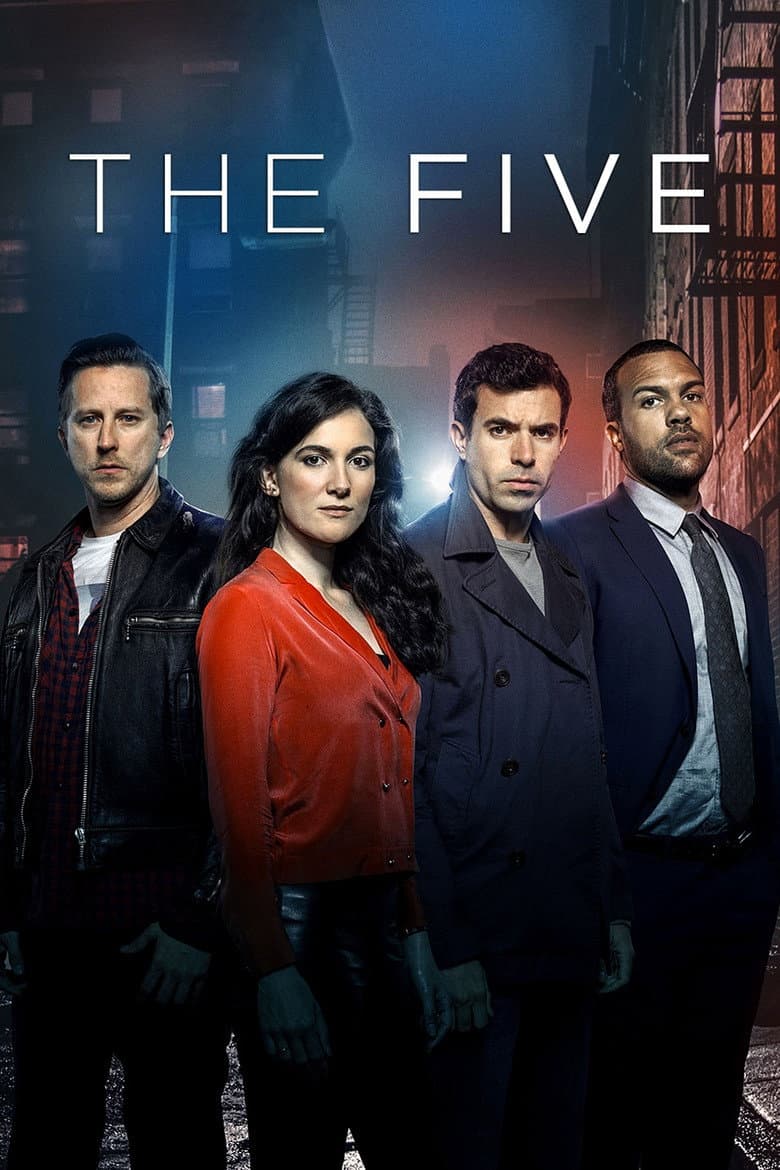
TV Show · 2016
When they were twelve years old, Mark, Pru, Danny and Slade were out together in the park. Mark’s five-year-old brother, Jesse, was annoying them.
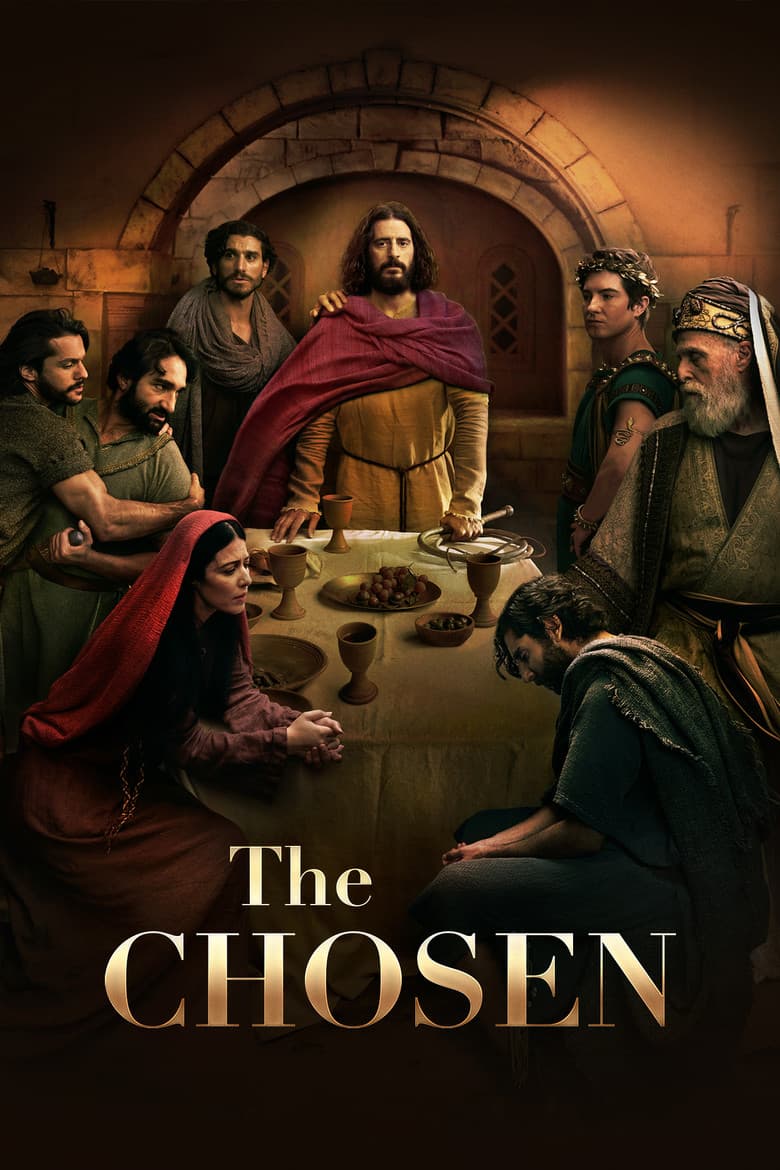
TV Show · 2019
The life of Christ through the eyes of those who encountered him.
TV Show · 2025
Two outlaws must navigate the galaxy's dangerous underworld as they chart their destinies.
