
Started July 26, 2026 · Returning Series · Based on 1 season, 5 episodes through August 16, 2026 · TV-14
President Curtis follows Andre Curtis, a tough and proud president who treats every strange threat as a national emergency. He works from the White House with Rho Banks, his brain-enhanced chief of staff, and Francis O'Doyle, a reckless Secret Service agent who is half leprechaun. The team faces a CIA blackmail plot, a secret prison in the Bermuda Triangle, a werewolf attack, and a bizarre fight over the Louisiana Purchase. The show uses fast adult jokes, monsters, government chaos, and short character moments instead of serious political drama.
The clearest woke elements are the show's diverse team and a few identity jokes. Curtis is a black president, Banks is a chief of staff voiced by Latina actor Stephanie Beatriz, and Episode 2 calls the famous pilot Amelia Earhart a lesbian. Episode 3 also gives Curtis's ex-wife a governor's office and a werewolf reform plan while Curtis supports her public role. These choices make representation visible, but identity politics does not drive the main stories, which focus on strange missions, loyalty, work, and Curtis's need to protect people.
Community feedback
Was our 40% Woke rating accurate?
Breakdown
These are the editorial factors and ratings behind our score for President Curtis.
Woke representation / casting
The show places a black man in the White House and casts Latina actor Stephanie Beatriz as Rho Banks, a brain-enhanced chief of staff. The team also includes a female governor and a version of Amelia Earhart who is called a lesbian. These choices create a clear pattern of visible minority, female, and queer figures in capable public roles. The show does not market the cast as a diversity program, and the modern setting makes the main pairing plausible.
35%
Woke political dialogue
Episode 2 has Curtis thank Amelia Earhart for what she has done for Americans, women, and lesbians. The same scene jokes about people still using labels. Episode 4 says an old law changed after women were seen as living longer and paying more taxes. These are short jokes across two episodes, not a main speech or repeated political debate.
29%
Identity-driven story themes
Episode 2 gives Amelia Earhart a lesbian identity while keeping her as the only pilot able to cross the Bermuda Triangle. Episode 3 gives Curtis's ex-wife a governor's office and a werewolf reform plan, while Curtis is told to stay under her capable wings. These moments put female and queer figures in positive public roles. The season's main stories still follow monsters, secrets, and team loyalty, so identity is a side element.
22%
Western institutional / cultural critique
Not present. The show mocks the CIA, a secret monster prison, Homeland Security, and political parties. It presents these as absurd plot devices, not as a modern attack on capitalism, patriarchy, Christianity, or Western culture.
0%
Woke character or canon changes
The show makes the real Amelia Earhart a lesbian and places her in charge of flights through the Bermuda Triangle. That adds an identity trait to a real historical figure. President Curtis keeps the same race and basic role he had in Rick and Morty, and no other identity rewrite is clear in the reviewed episodes. The Earhart change is brief and does not drive the season.
22%
Anti-woke backlash and complaints
Small X accounts called the series a “woke fever dream,” said reviews liked Curtis “just because he’s black,” or grouped it with “angry black” programming. Another sarcastic post claimed Adult Swim made it to address white supremacy and show diversity. A few right-leaning viewers asked whether it was mocking “woke shit” or said it had not gone too woke to hate. The reaction had little reach, and broader coverage showed no organized anti-woke campaign.
18%
Creator track record context
Dan Harmon has a supplied 32/100 score tied to past discussion of gay representation problems on Community and his public apology about sexism and sexual harassment. James Siciliano has a supplied 0/100 score and no clear identity-politics pattern. The supplied director and producer records are mostly mainstream animation records with low scores and no broad activist pattern. The background is a mild signal, while title interviews frame this show as absurd political comedy rather than a diversity project.
20%
Production

TV Show · 2018
Puberty Syndrome—a rumored, mysterious syndrome that only affects those in their puberty. For example, a bunny girl suddenly appeared in front of Sakuta Azusagawa.
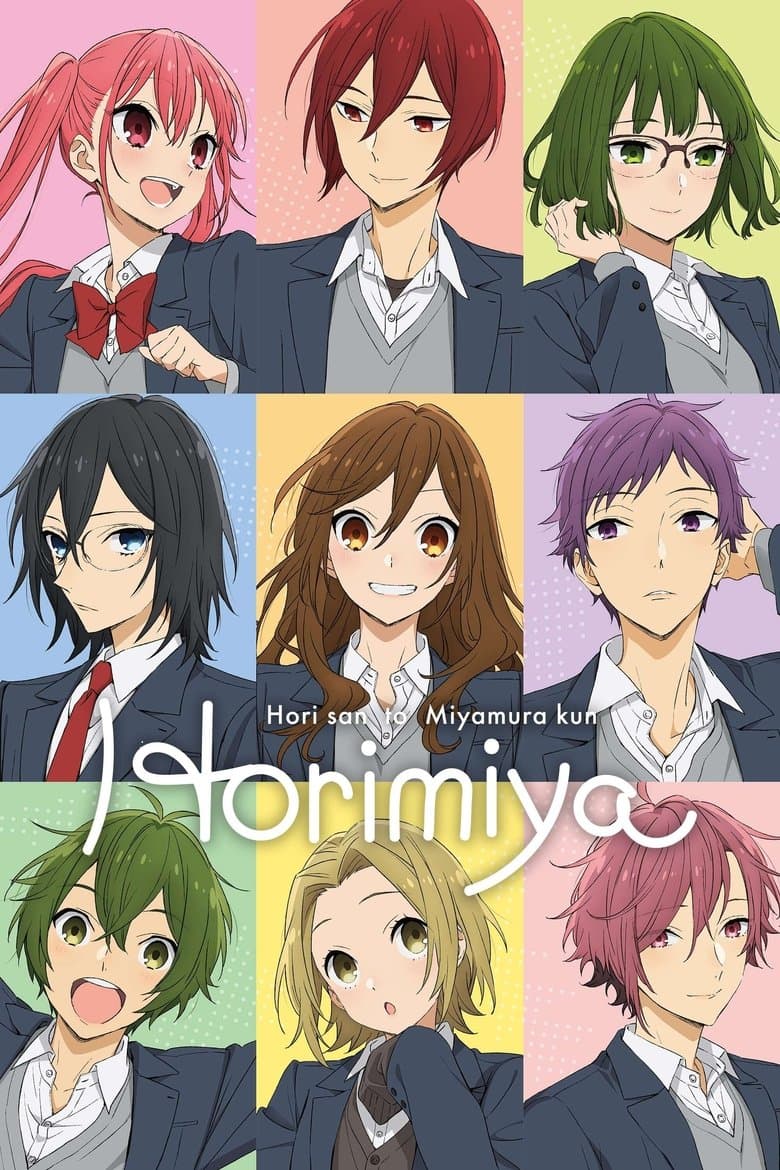
TV Show · 2021
A secret life is the one thing they have in common. At school, Hori is a prim and perfect social butterfly, but the truth is she's a brash homebody.
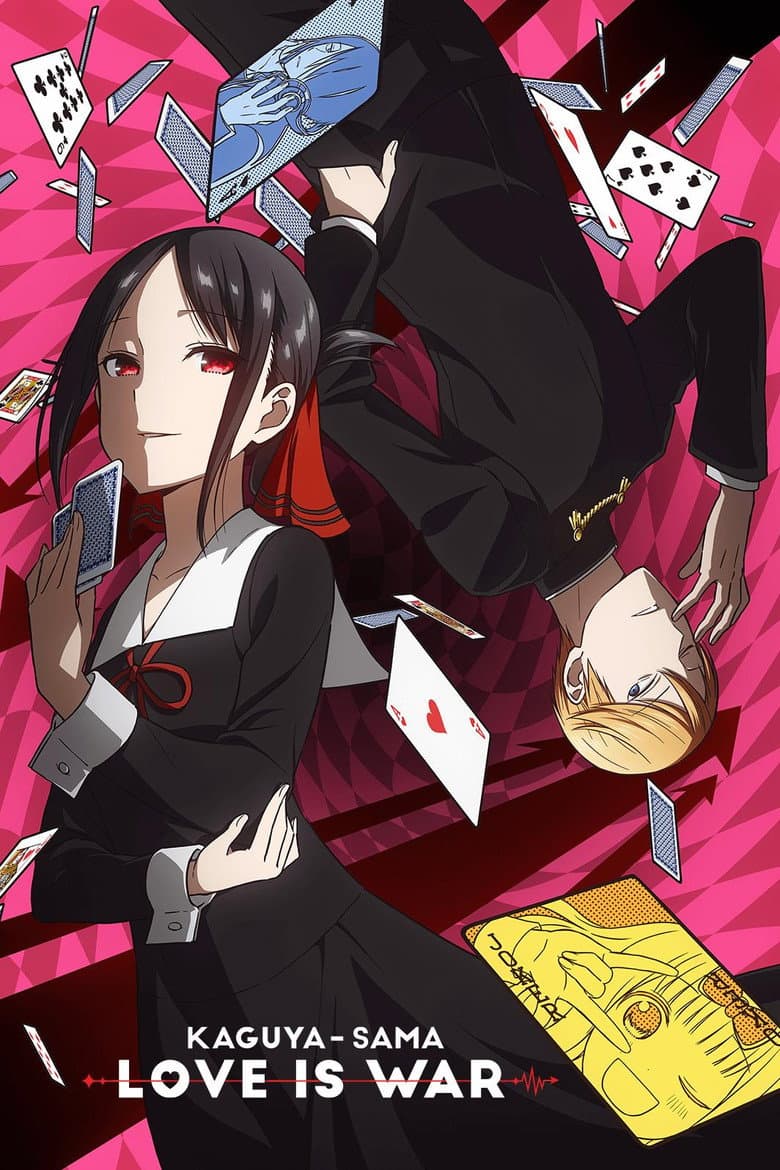
TV Show · 2019
Considered a genius due to having the highest grades in the country, Miyuki Shirogane leads the prestigious Shuchiin Academy's student council as its president, working alongside…
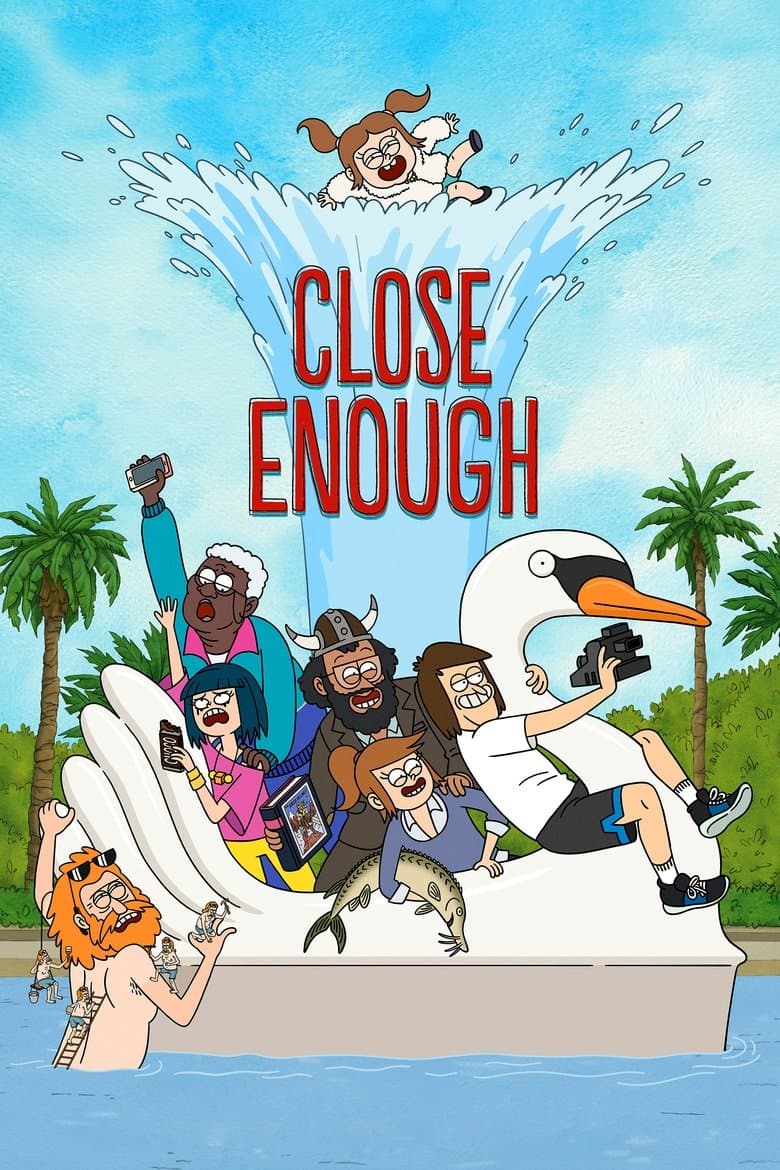
TV Show · 2020
A surreal take on transitioning from 20-something to 30-something centering on a married couple juggling such everyday challenges as parenthood, friendship, ham theft, stripper…
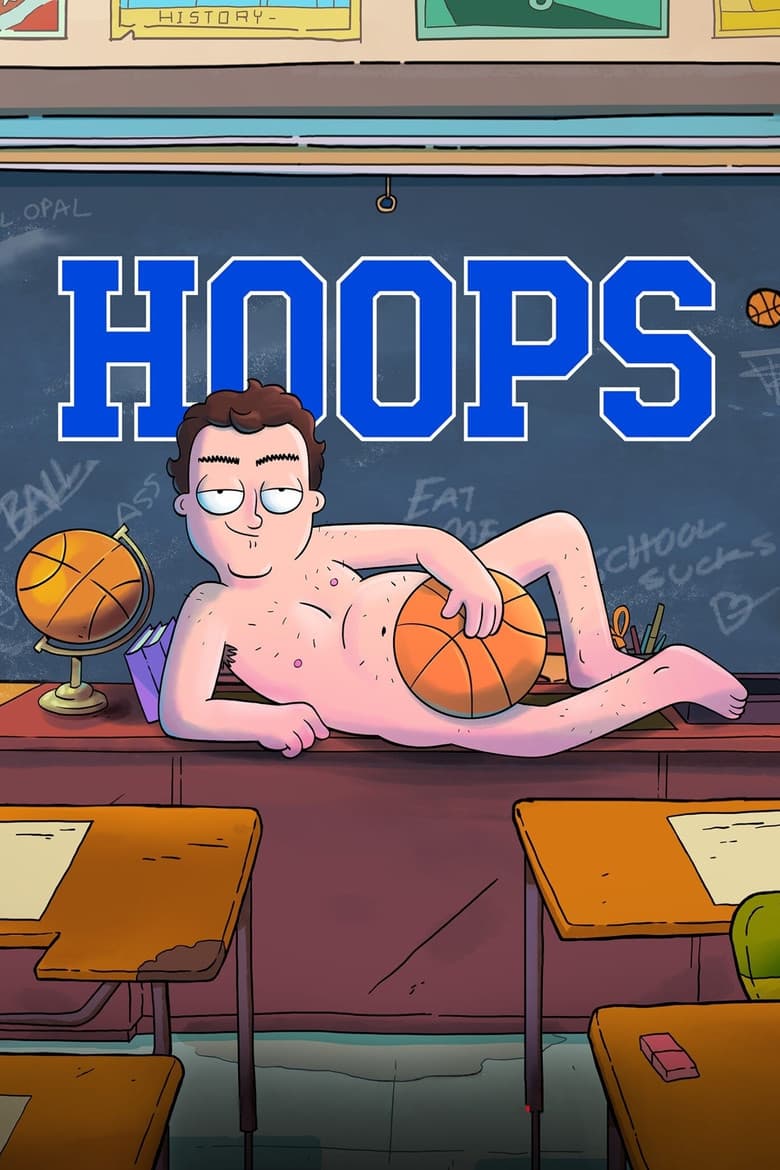
TV Show · 2020
A foul-mouthed high school basketball coach is sure he'll hit the big leagues if he can only turn his terrible team around. Good luck with that.
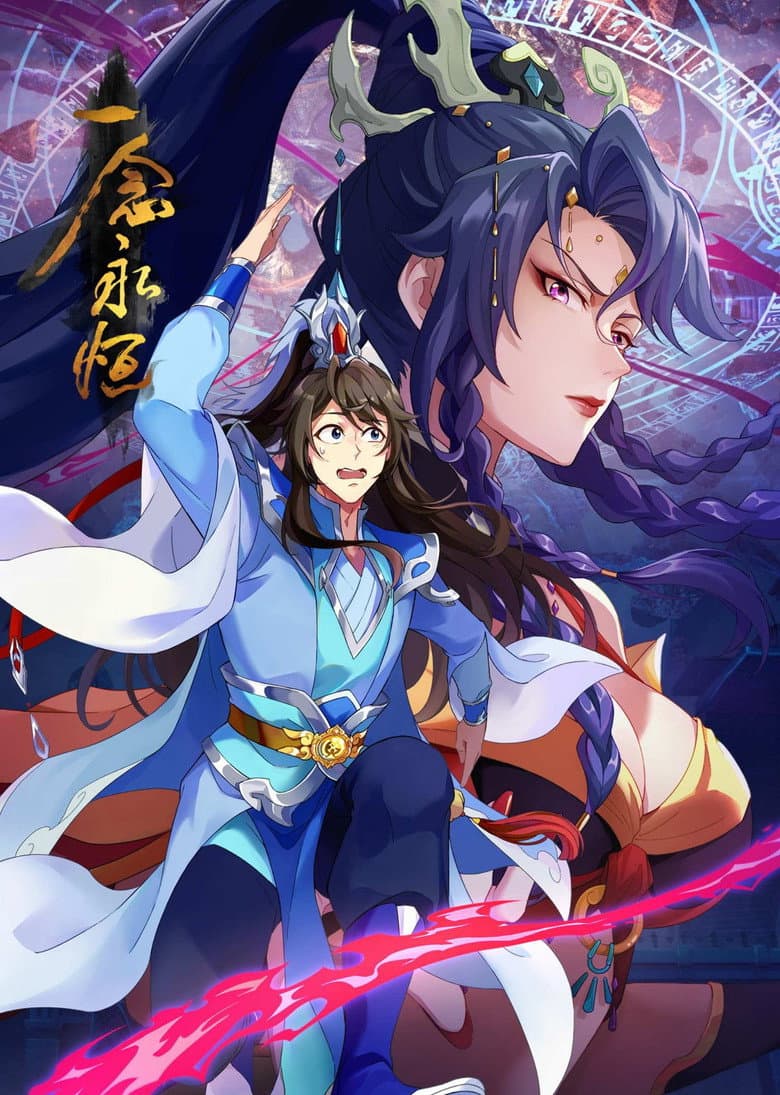
TV Show · 2020
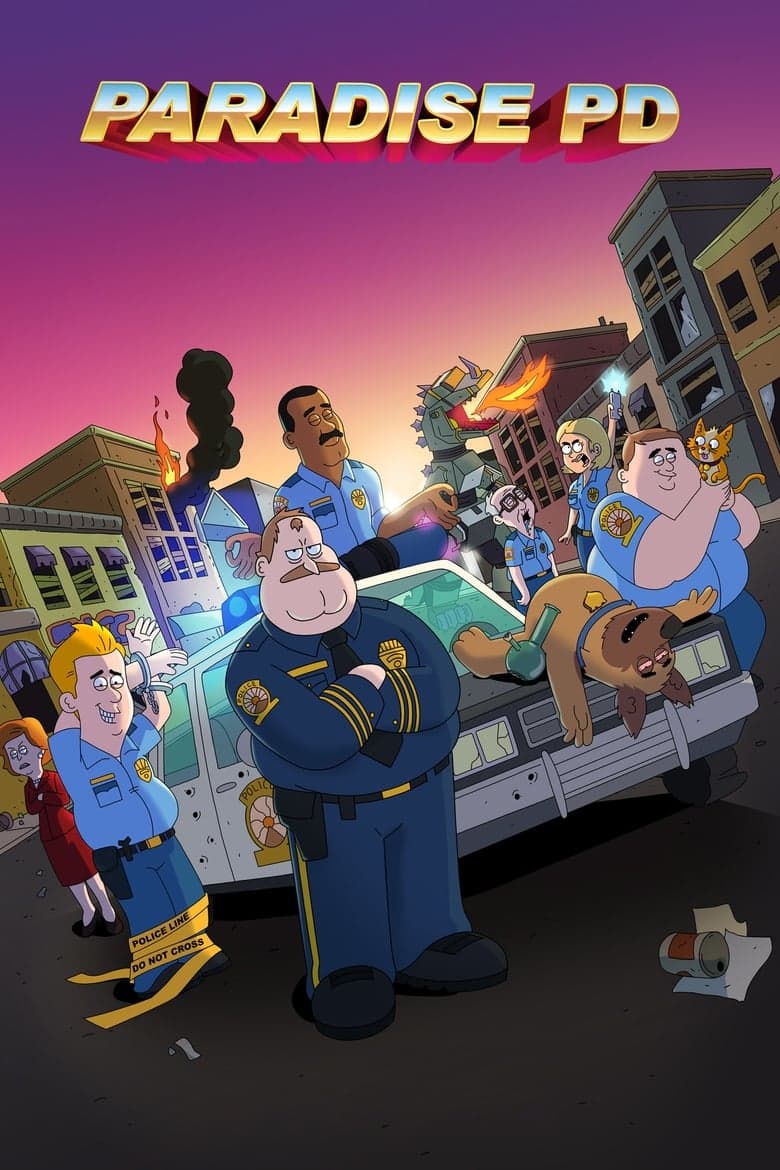
TV Show · 2018
An eager young rookie joins the ragtag small-town police force led by his dad as they bumble, squabble and snort their way through a big drug case.
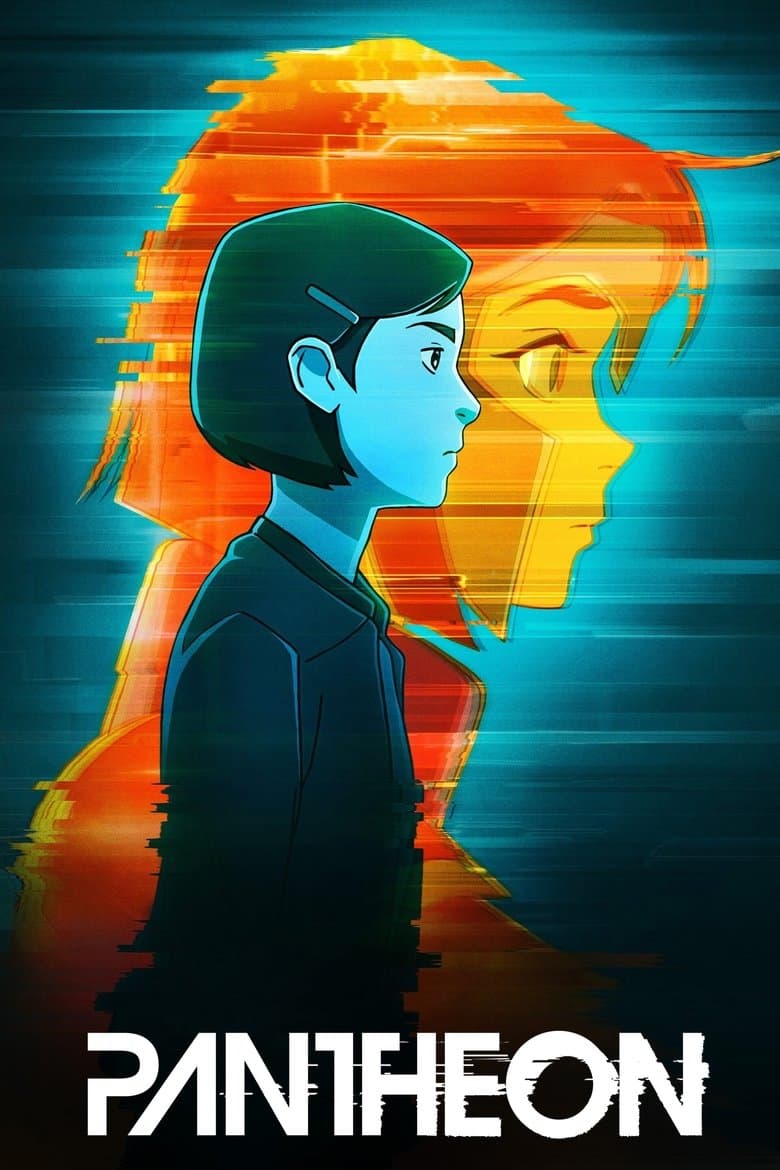
TV Show · 2022
A bullied teen receives mysterious help from someone online: a stranger soon revealed to be her recently deceased father, David, whose consciousness has been uploaded to the Cloud…
