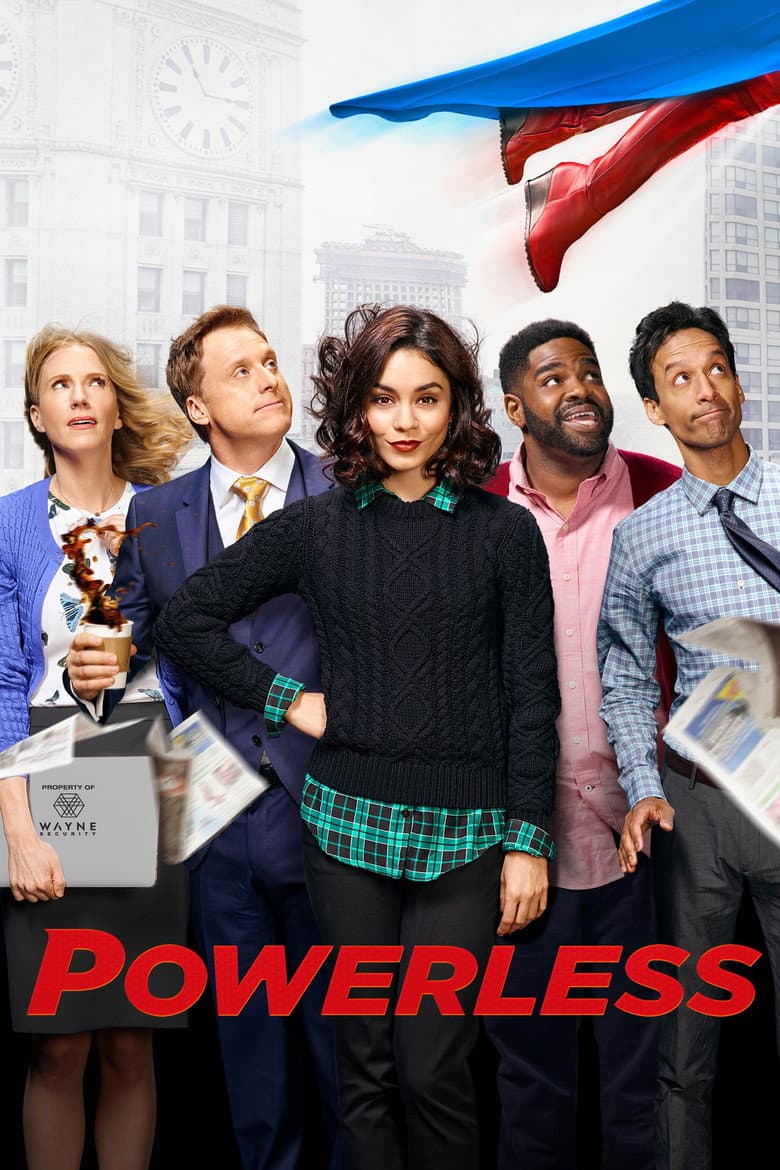
Started February 2, 2017 · Canceled · Based on 1 season, 9 episodes through April 20, 2017 · TV-PG · 22 min
Powerless follows Emily Locke, an upbeat young woman who moves to Charm City for a job leading research and development at Wayne Security. The company makes safety products for ordinary people who get caught in fights between superheroes and villains. Emily must win over a tired team while her selfish boss, Van Wayne, tries to take credit and impress his cousin Bruce. The show uses a light workplace-comedy tone, with office problems mixed with flying heroes, damaged buildings, awkward dates, and strange inventions.
The strongest woke elements come from repeated stories about women at work and how men treat them. Emily is a capable boss and inventor, while several episodes show her being mistaken for a secretary, facing sexist comments, learning self-defense, and rejecting an ad that uses Green Fury's body instead of her skills. The show also jokes about racism and ethnic assumptions in the office, and one episode uses words such as feminism, patriarchy, and sex-positive feminism. These ideas are easy to notice across the nine aired episodes, but they stay inside short comic plots rather than turning the whole show into a political drama.
Community feedback
Was our 47% Woke rating accurate?
Breakdown
These are the editorial factors and ratings behind our score for Powerless.
Woke representation / casting
The show centers a mixed-race female R&D director and gives major jobs to an Indian American designer, a black team member, and two women. “Wayne Dream Team” jokes that a company picture has “no women or minorities,” making representation part of the office humor. The writers publicly described a commitment to diversity in front of the camera and a near 50-50 gender split in the room. The modern setting makes the casting plausible, so the score reflects the repeated identity emphasis rather than a historical mismatch.
35%
Woke political dialogue
The show uses direct feminist language in “Green Furious.” Teddy says he is becoming a “woke feminist,” while the episode uses “patriarchy,” “sex-positive feminism,” “all bodies are good bodies,” and “coexist.” “Sinking Day” also jokes about white assumptions, racism, and Emily being half Filipino. These lines are clear but mostly played for laughs, and the show does not hold political talks in every episode.
30%
Identity-driven story themes
The show makes Emily's rise as a capable female boss a continuing part of the season. “Cold Season” shows men treating Emily as a date, and “Van v Emily” shows people mistaking her for a secretary. “I'ma Friend You” adds self-defense after a man harasses Jackie. “Green Furious” centers women rejecting a sexist ad and choosing to show a heroine's skills. “Sinking Day” adds jokes about racial assumptions, so identity themes recur across the season.
42%
Western institutional / cultural critique
Powerless repeatedly makes male workplace power look foolish or unfair. Van takes credit for Emily's work, blocks her office, and acts like a male boss who must be managed. Tech leaders treat Emily as a date and debate her looks, while a company ad reduces Green Fury to her body. The show also mocks Van's fake feminism and his claim to explain what women want. Corporate vanity and HR silliness are broader workplace jokes, so this critique is recurring but not the whole premise.
38%
Woke character or canon changes
Not relevant. The aired show does not make a woke or identity-driven change to a known DC hero, villain, or real person. Its new lead and office characters are original, while the DC references provide the comedy setting.
0%
Anti-woke backlash and complaints
NewsBusters singled out “Green Furious” as a joke about a “woke feminist” man and liberal-feminist language. The article treated the episode as a comic win against that pose, not as proof of a major show-wide agenda. Searchable audience discussion focused more on the cast, premise, cancellation, and missed potential than on woke complaints. The anti-woke evidence is therefore limited and fringe.
10%
Creator track record context
Most listed creators have low stored woke scores and no known activist record. Patrick Schumacker said the show kept a commitment to inclusivity and diversity in its cast and writers' room. Sabrina Jalees said her episode drew on the Women's March, feminism, and her experience as a gay, brown immigrant. One activist-leaning writer sits within a larger team of mostly ordinary comedy writers, so the context is moderate.
30%
Production
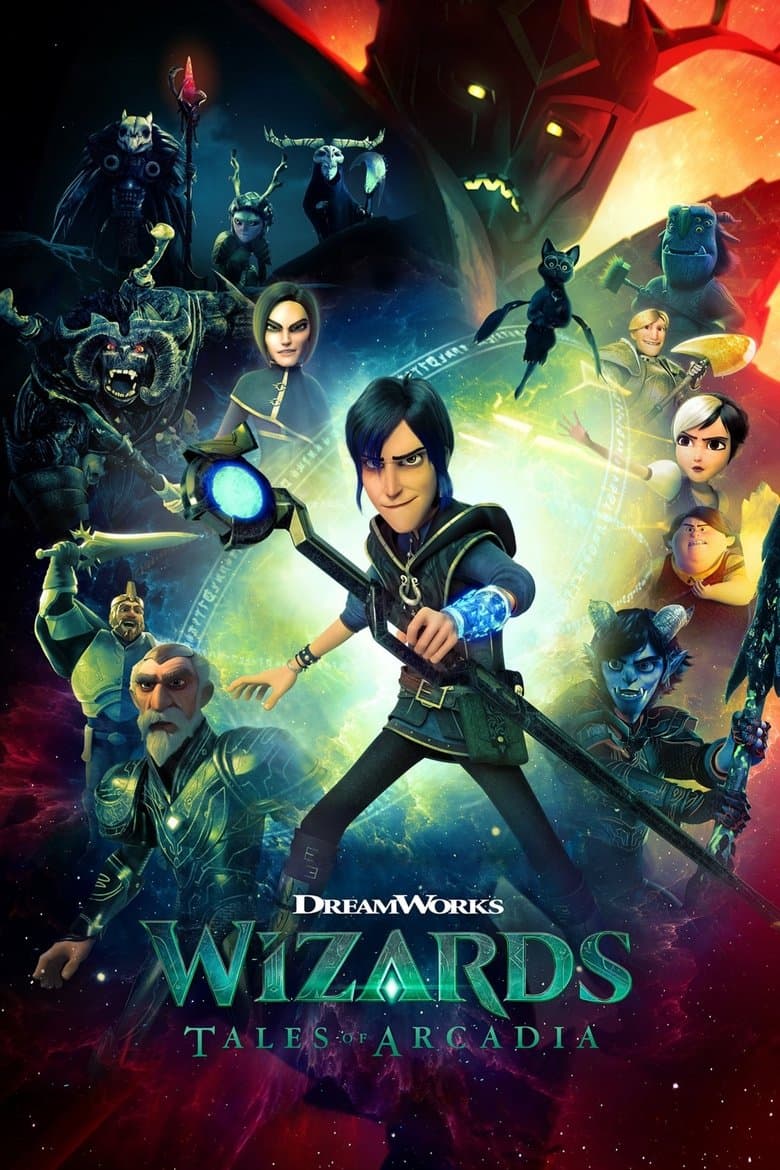
TV Show · 2020
Merlin’s apprentice joins Arcadia’s heroes on a time-bending adventure in Camelot, where conflict is brewing between the human, troll and magical worlds.
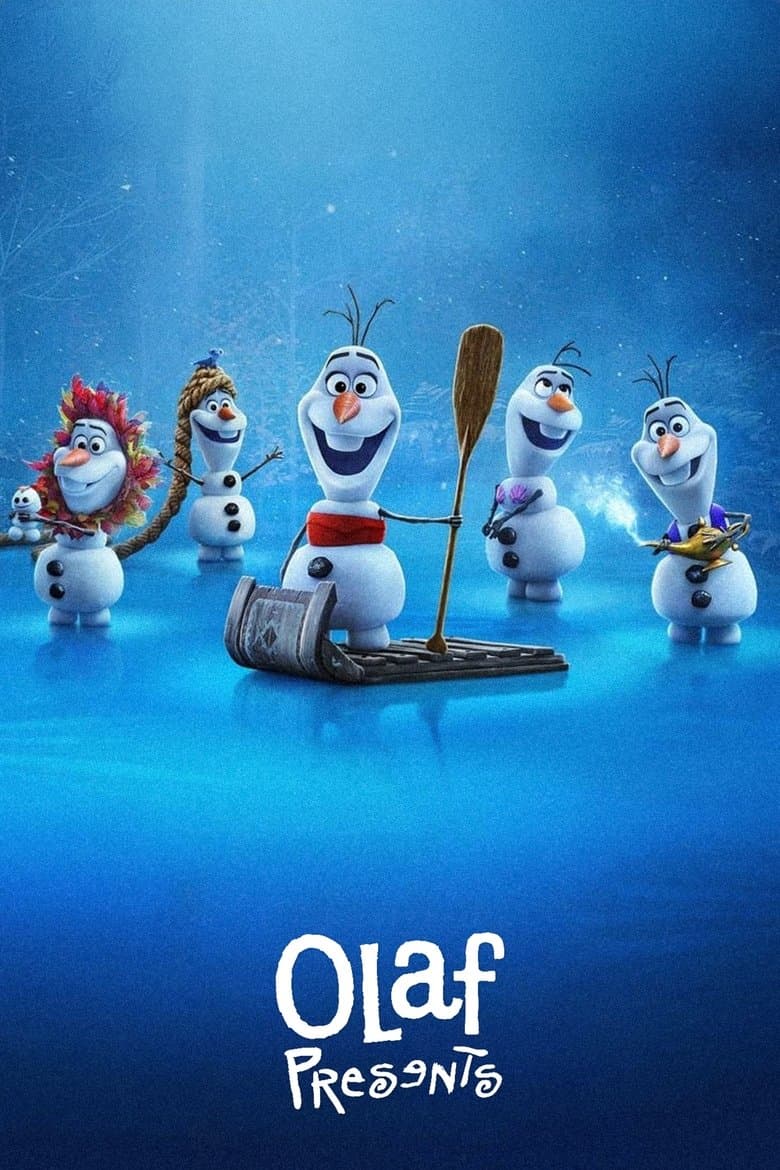
TV Show · 2021
Frozen’s beloved snowman retelling several classic Disney tales as only he can.
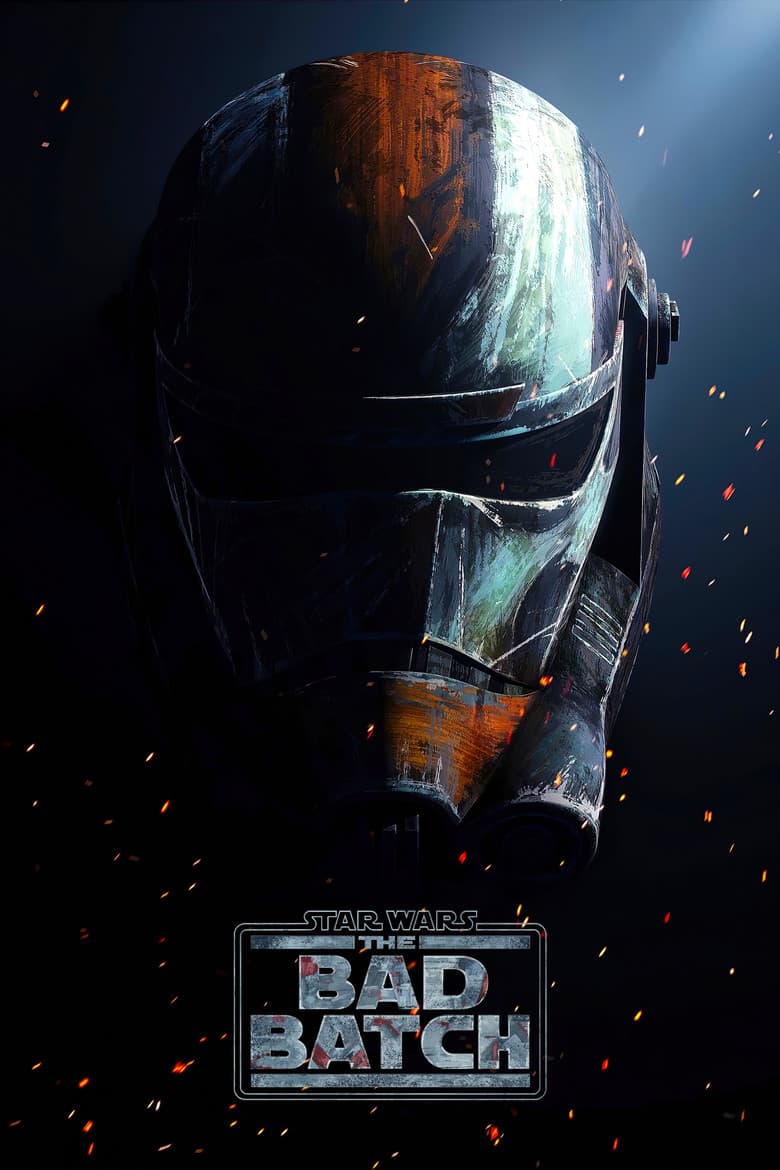
TV Show · 2021
The 'Bad Batch' of elite and experimental clones make their way through an ever-changing galaxy in the immediate aftermath of the Clone Wars.
TV Show · 2022
There's no guarding the galaxy from this mischievous toddler! Get ready as Baby Groot takes center stage in his very own collection of shorts, exploring his glory days growing up…
TV Show · 2016
After uncovering a mysterious amulet, an average teen assumes an unlikely destiny and sets out to save two worlds.
TV Show · 2026
After the Clone Wars, Maul plots to rebuild his criminal syndicate on a planet untouched by the Empire.
TV Show · 2018
The Boss Baby brings his big brother Tim to the office to teach him the art of business in this animated series sprung from the hit film.
TV Show · 2025
Two outlaws must navigate the galaxy's dangerous underworld as they chart their destinies.
