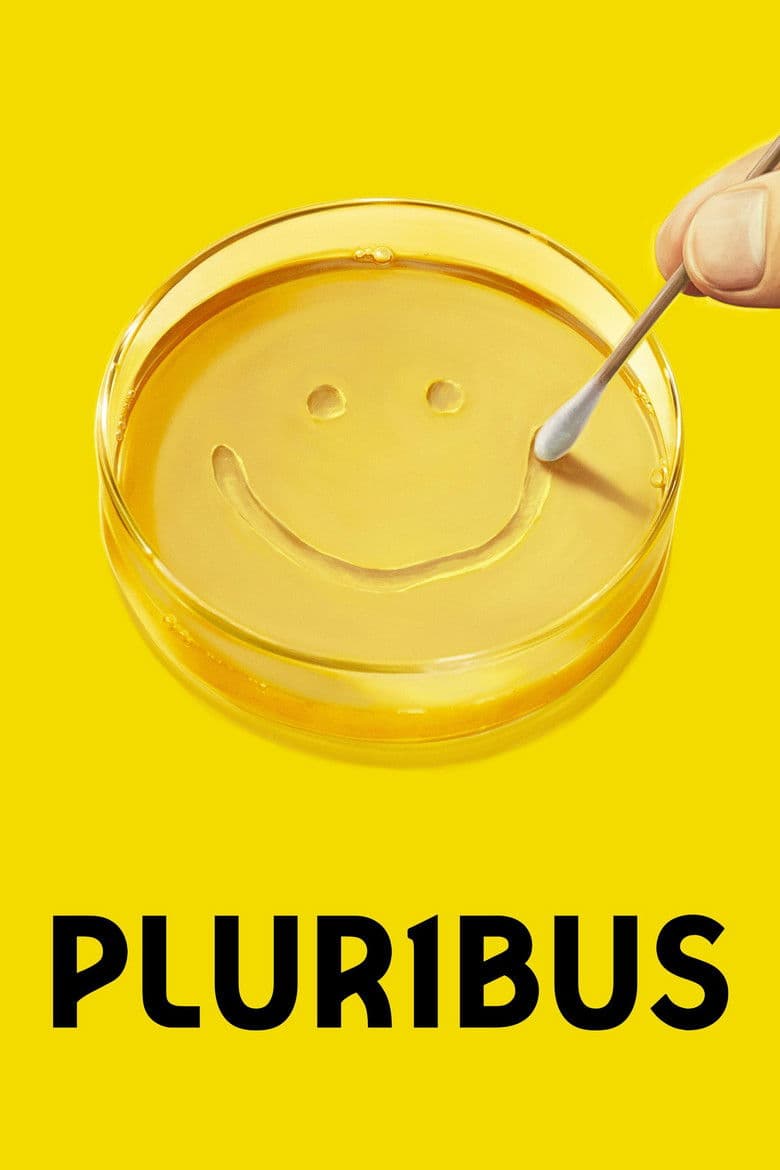
Started November 6, 2025 · Returning Series · Based on 1 season, 9 episodes through December 23, 2025 · TV-MA
Pluribus follows Carol Sturka, a successful romance fantasy writer in Albuquerque, New Mexico. An alien signal leads to a virus that joins almost all people into one happy mind. Carol and a few other survivors keep their own thoughts, but the joined people can give her almost anything she wants. Carol sees their peace as a loss of choice, while the show keeps asking whether pain and conflict are worth keeping. The story uses dark jokes, long quiet scenes, grief, and a slow science fiction mystery.
Carol is openly a lesbian woman, and the show shows her marriage to Helen before Helen dies during the Joining. Carol later describes being sent to conversion therapy as a teenager, and she compares its forced smiles and pressure to the hive mind's promise of happiness. The later available episodes also build a romantic relationship between Carol and Zosia, a woman made to match Carol's ideal partner, and Carol changes her fantasy novel's love interest from a man to a woman. These queer themes become a major part of Carol's grief, loneliness, writing, and struggle to protect her own identity, even though the larger story is about free will and the loss of individuality.
Community feedback
Was our 57% Woke rating accurate?
Breakdown
These are the editorial factors and ratings behind our score for Pluribus.
Woke representation / casting
Carol is a lesbian woman in the lead role, and the show gives major screen time to her marriage with Helen and her later bond with Zosia. The casting makes queer identity visible through two central women and their romantic history. The wider survivor group has varied backgrounds that fit a worldwide disaster and does not form an obvious quota-style group. The show does not sell the casting as a diversity-first campaign.
20%
Woke political dialogue
Carol directly talks about the harm of conversion therapy after the Joined recall her time at Camp Freedom Falls. Carol compares the camp's forced smiles and pressure to the hive mind's demand that she give up her own thoughts and sexuality. The survivors also argue about consent, free will, and whether a peaceful world is worth the loss of choice. The show uses these ideas in character scenes rather than speeches about parties or current elections.
32%
Identity-driven story themes
Carol is openly lesbian, and her wife Helen is part of the early story before Helen dies during the Joining. Carol says her mother sent her to conversion therapy, and she links that forced change to the hive mind's demand that everyone become the same. Carol later enters a major romantic relationship with Zosia, a woman designed to match her ideal partner. Carol's new love also changes her fantasy novel, making the love interest a woman, so queer identity shapes her grief, writing, choices, and view of the central conflict.
76%
Western institutional / cultural critique
Not present in this title.
0%
Woke character or canon changes
Not present in this title.
0%
Anti-woke backlash and complaints
Some small anti-woke accounts called the show “lesbian drama” or said its lead was a “strong independent” woman with no need for a man. TheQuartering called the show mildly woke and later criticized the lead's attitude. On X, found no major culture-war campaign, boycott, or clear organized review-bomb effort against the show. Most negative public reaction focused on the slow pace or Carol's difficult personality, not woke politics.
14%
Creator track record context
The main writers and producers have little public record of activist or identity-focused work. Vince Gilligan said the show was not planned as a female-empowerment story and that he writes Carol as a flawed person. Zetna Fuentes is the main exception because her public work includes diversity and inclusion roles in the directors' guild. The team therefore adds modest context, while the title's strong queer material comes from the story itself.
24%
Production
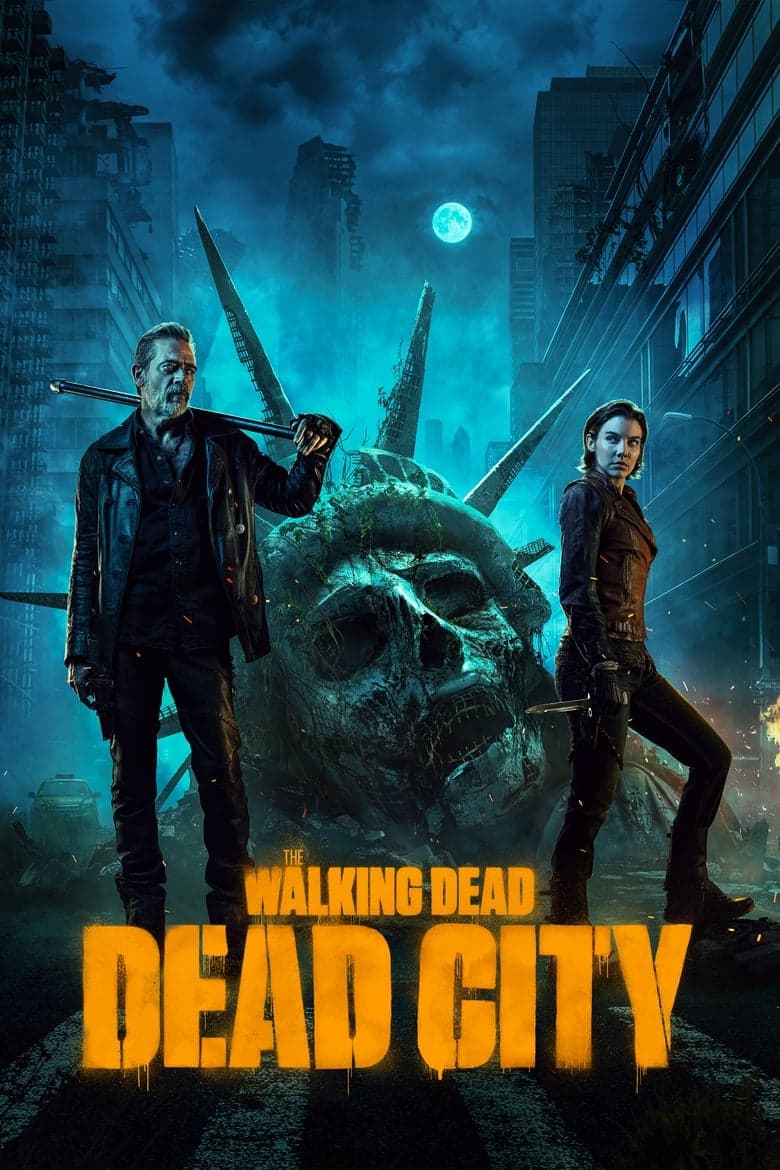
TV Show · 2023
Maggie and Negan travel to post-apocalyptic Manhattan - long ago cut off from the mainland. The crumbling city is filled with the dead and denizens who have made it a world full…
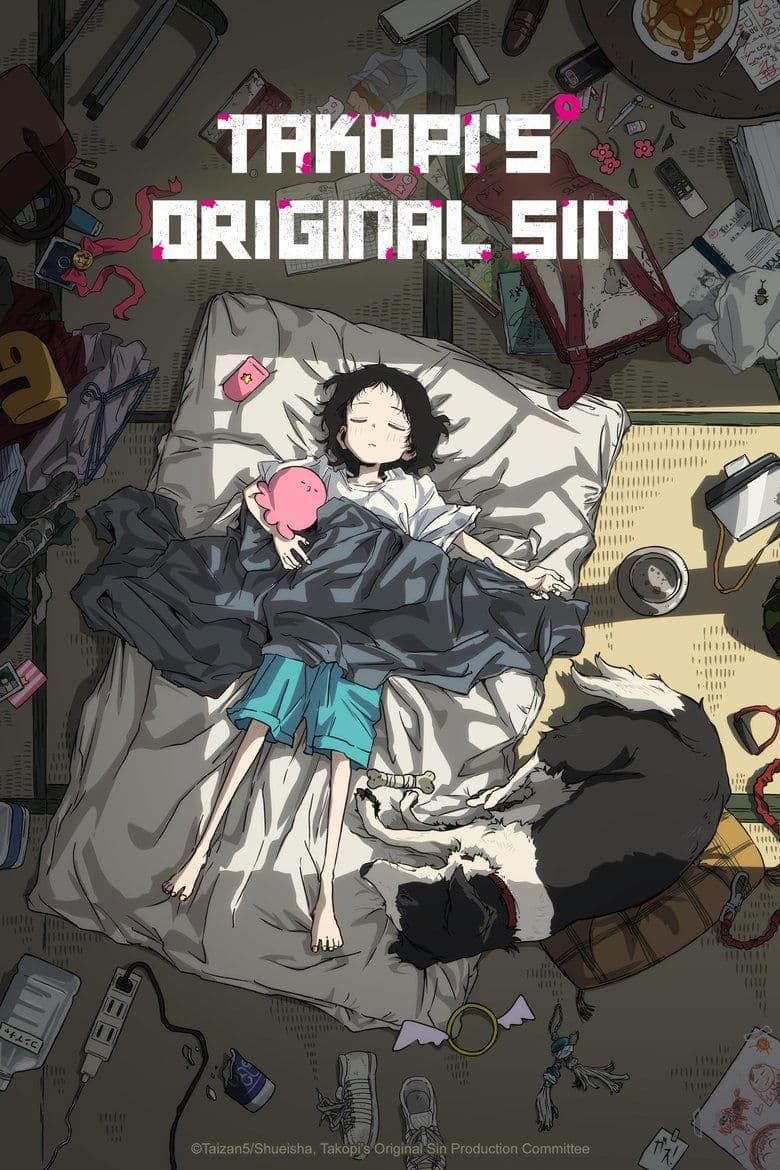
TV Show · 2025
A Happy alien, Takopi, lands on Earth with one mission: to spread happiness! When he meets Shizuka, a lonely fourth grader, he vows to bring back her smile using his magical Happy…

TV Show · 2023
At the brink of going to hell, Yee-jae must cycle through twelve separate lives and twelve separate deaths in this reincarnation drama.
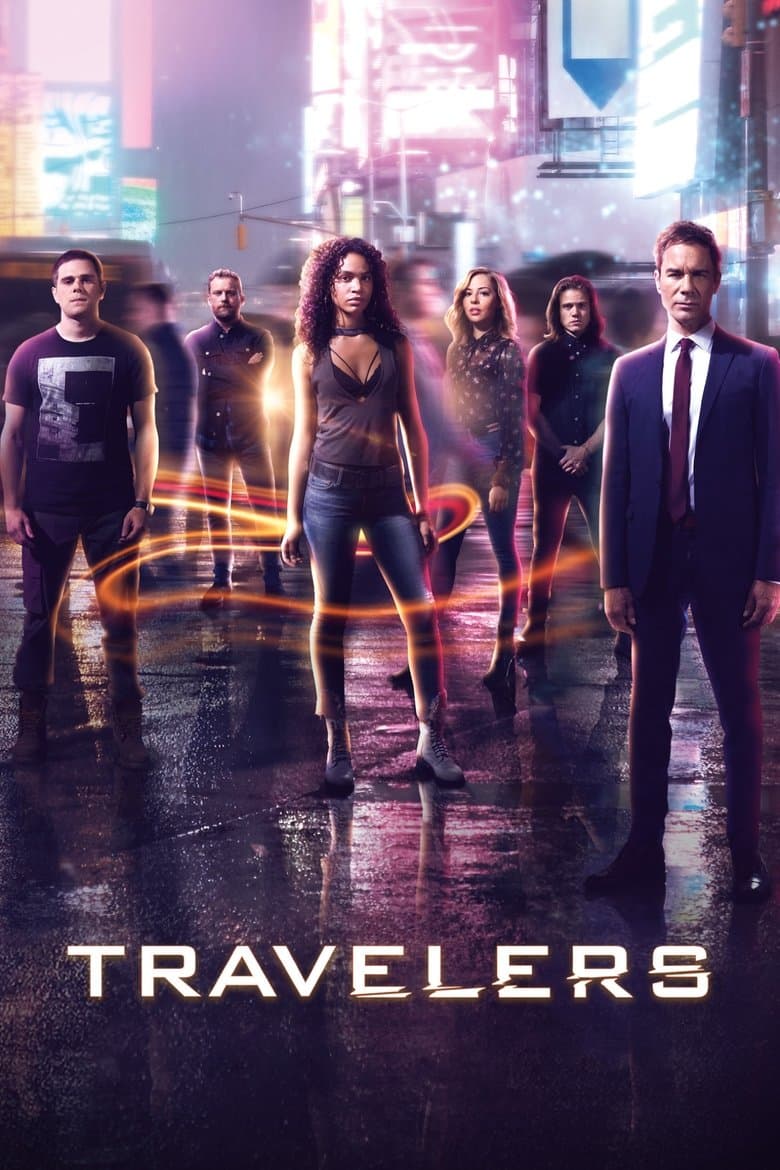
TV Show · 2016
Hundreds of years from now, the last surviving humans discover the means of sending consciousness back through time, directly into people in the 21st century.

TV Show · 2022
The intricate and magical love story of Clare and Henry, and a marriage with a problem… time travel.
TV Show · 2016
Kyle Barnes has been plagued by possession since he was a child. Now an adult, he embarks on a spiritual journey to find answers, but what he uncovers could mean the end of life…
TV Show · 2024
Rick and Michonne are thrown into another world, built on a war against the dead... And ultimately, a war against the living.
TV Show · 2022
Gary is an emotional wreck and struggles to provide for his daughter since the death of his wife. Mary has a secret she can't bring herself to share with anyone.
