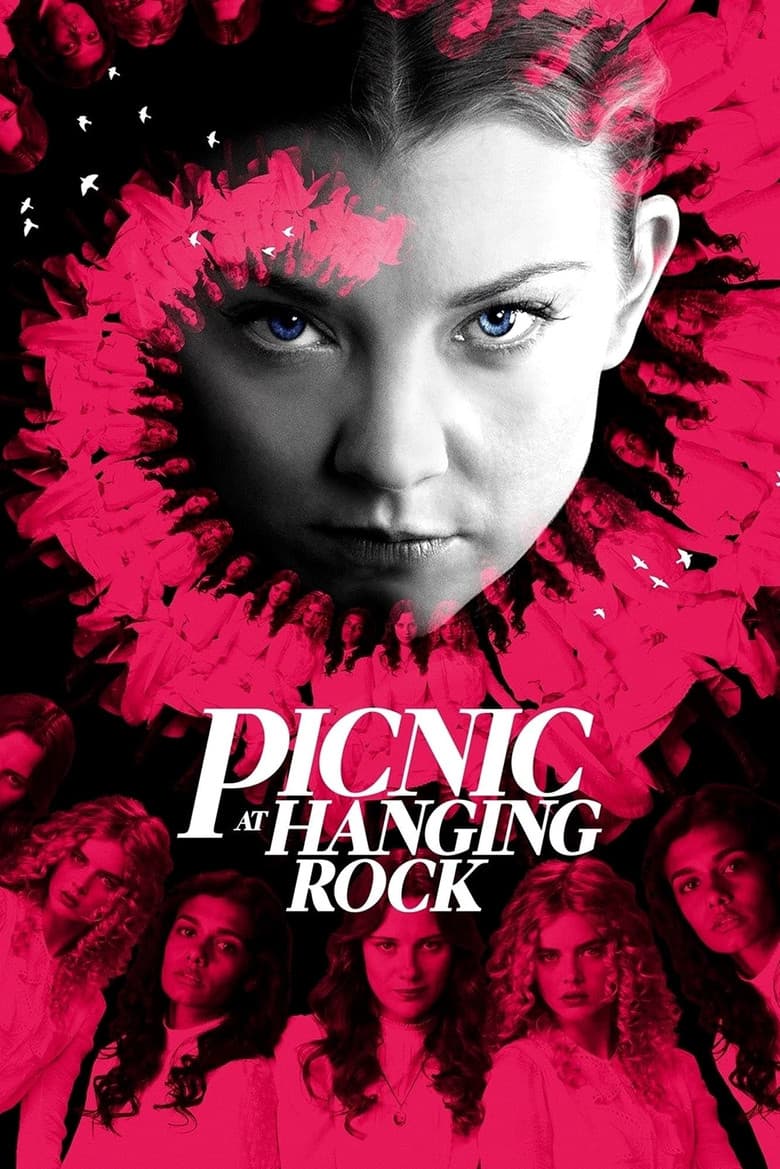
Started May 6, 2018 · Ended · Based on 1 season, 6 episodes through June 10, 2018 · TV-14 · 55 min
In 1900 Australia, Hester Appleyard runs a strict boarding school for girls near Hanging Rock. Miranda, Marion, and Irma are senior students with very different families, gifts, and dreams. Sara, a younger orphan, stays behind when the others leave for a Valentine's Day picnic. Three girls and their teacher vanish, and the school, police, and nearby families search for answers in an eerie mystery that stays partly hidden.
The series makes the girls' fight against marriage, obedience, punishment, and male control a major part of the story. Marion is an Indigenous student, and the show links her family history to racism and class power. The girls explore same-sex attraction, including a relationship between Marion and teacher Miss McCraw, while other romances remain hinted. These themes recur through the six episodes, but the mystery, Hester's criminal past, and the strange force at the rock remain the main plot.
Community feedback
Was our 71% Woke rating accurate?
Breakdown
These are the editorial factors and ratings behind our score for Picnic at Hanging Rock.
Woke representation / casting
The series gives one of its three main missing girls, Marion Quade, a mixed-race Indigenous identity. The show makes her family background and the prejudice around her part of the story. The main students also include a Jewish heiress, while women hold most major school and authority roles. The story explains these identities through its setting and backstories, but the majority-female cast and female gaze framing make representation a visible choice.
44%
Woke political dialogue
The school staff often speak about girls being trained for marriage, obedience, and good behavior. The girls reject this role and question why their lives should be shaped by husbands and family status. Characters also speak about racism toward Marion and antisemitism toward Irma. The dialogue supports a clear gender and identity critique, but it is mostly period dialogue rather than direct modern activism.
32%
Identity-driven story themes
The story repeatedly follows girls testing the rules about love, sex, and who they can become. Marion and Miss McCraw develop a romantic bond, and Miranda and Sara share a strong romantic or queer connection. The show also hints at attraction among other students and between the male searchers. These themes shape several episodes and make the series more identity-driven than the original mystery alone.
58%
Western institutional / cultural critique
The show repeatedly presents the school as a system that trains girls to obey men and marry well. It shows beatings, sexual pressure, male entitlement, and racism as parts of that social order. It also links the white colonial setting to prejudice against Marion and to fear of the land. The story uses these ideas across the season, but it does not turn them into present-day party politics.
48%
Woke character or canon changes
The series changes Marion Quade by giving her an Indigenous mother and a mixed-race family history that the source does not use. The show turns hints of female intimacy into clear same-sex desire and a relationship between Marion and Miss McCraw. It also adds queer tension among other students and the male searchers. These identity changes run through the season and visibly separate this adaptation from the book and 1975 film.
68%
Anti-woke backlash and complaints
A few forum viewers called the added girl-girl scenes unneeded and described them as “soft-core lesbian” material. Some of the same comments said the new race and class material felt forced or excessive. Wider reviews focused more on slow pacing, style, and changes from the source than on woke or DEI complaints. The backlash evidence is limited and comes mainly from small audience discussions.
12%
Creator track record context
The key creators mostly have mainstream Australian film and television careers. Beatrix Christian has the clearest identity-aware record because Jindabyne changed its source story to center an Aboriginal victim and cultural power. Amanda Brotchie and Larysa Kondracki have worked on female-led or inclusive stories, but no broad activist persona is clear. The producers and other writers have little public political profile.
20%
Production

TV Show · 2021
Facing an existential threat that could bring down the Crime Lab, a brilliant team of forensic investigators must welcome back old friends and deploy new techniques to preserve…
TV Show · 2018
In 1994, a toddler disappeared from a small Welsh village, never to be seen again. 23 years later, in London, the mother of rising cello star Matilda Gray commits suicide, without…
TV Show · 2021
The arrival of a charismatic young priest brings glorious miracles, ominous mysteries and renewed religious fervor to a dying town desperate to believe.
TV Show · 2017
This anthology series brings to life Aaron Mahnke's titular podcast and uncovers the real-life events that spawn our darkest nightmares.
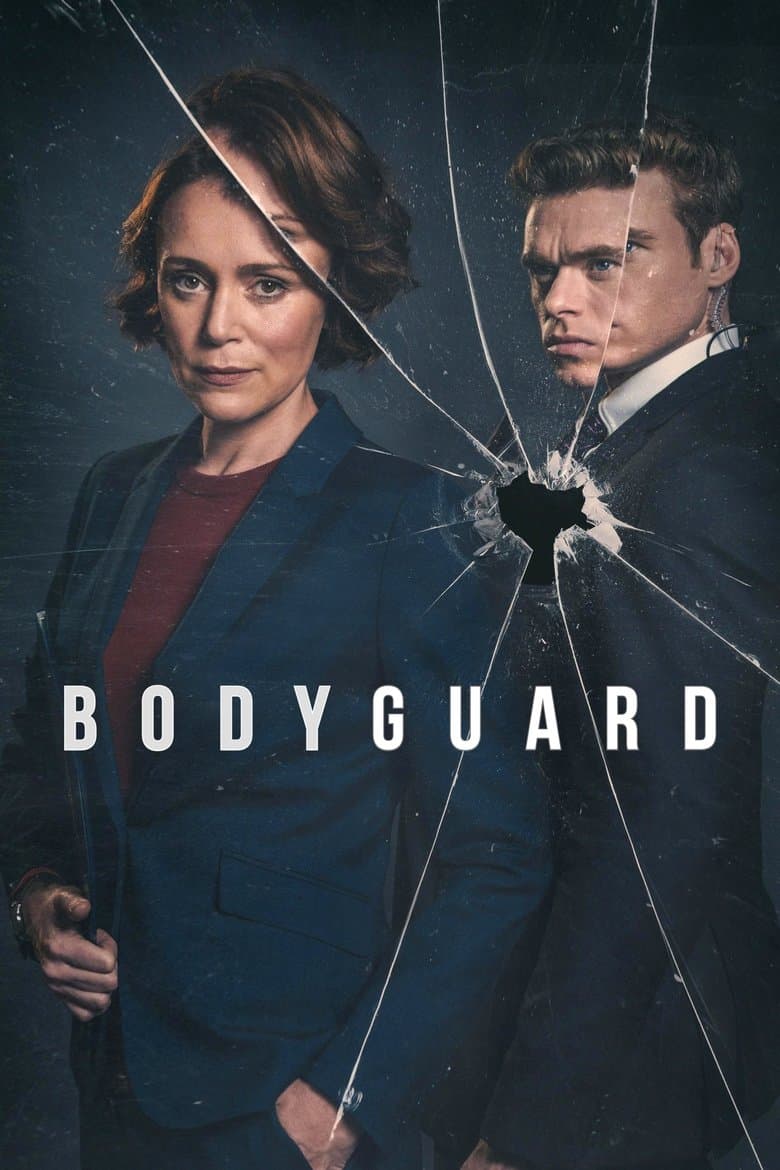
TV Show · 2018
A troubled war veteran is assigned to protect a controversial politician who may be the target of a terror plot.
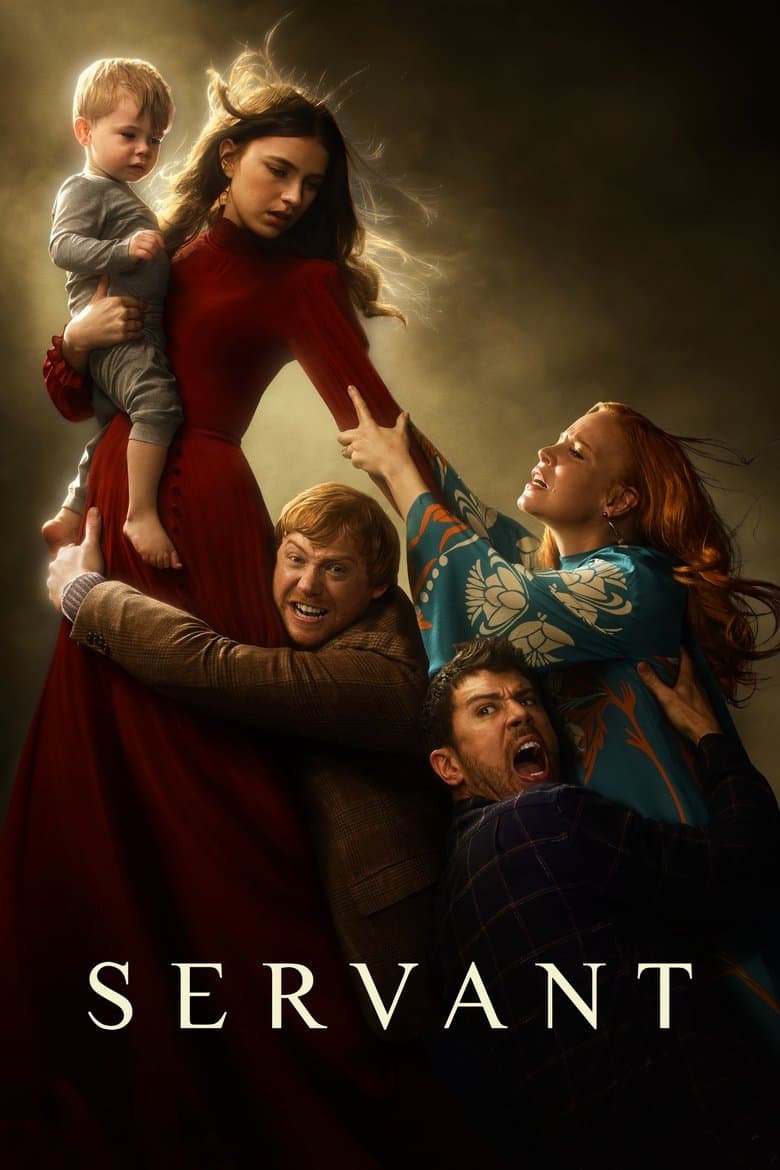
TV Show · 2019
A Philadelphia couple are in mourning after an unspeakable tragedy creates a rift in their marriage and opens the door for a mysterious force to enter their home.
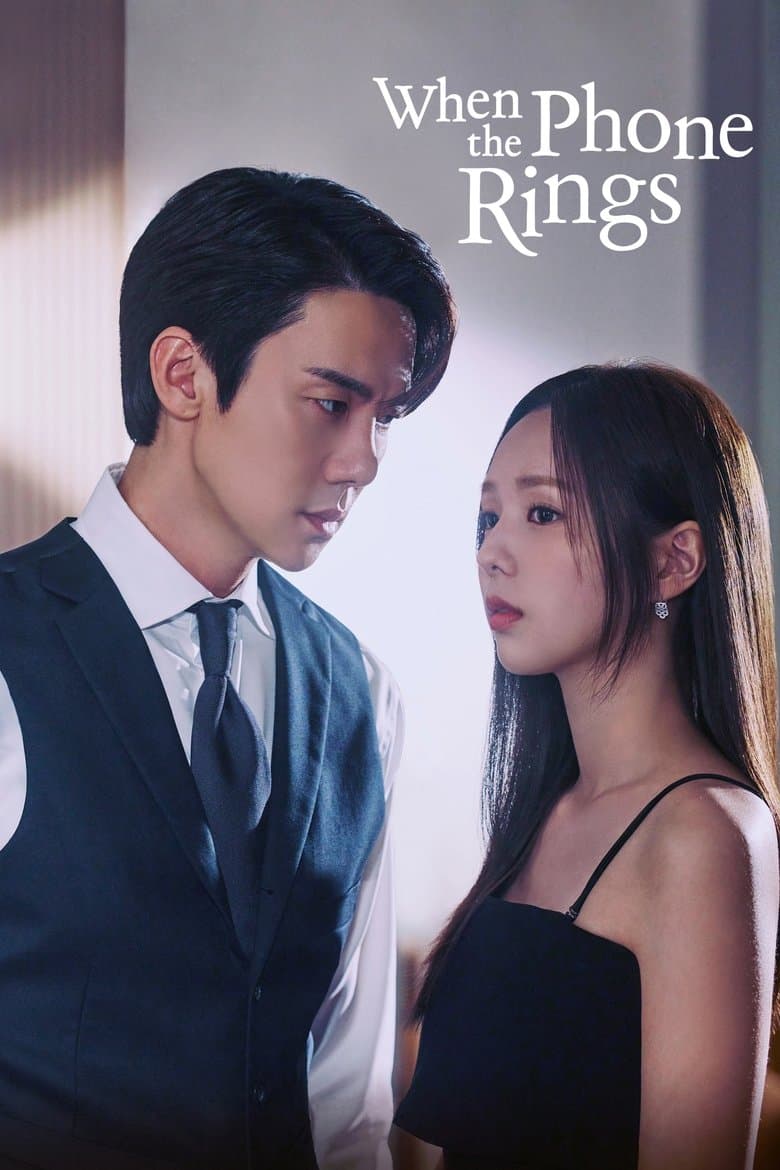
TV Show · 2024
A rising politician and his mute wife's tense marriage begins to unravel after a call from a kidnapper turns their lives upside down.
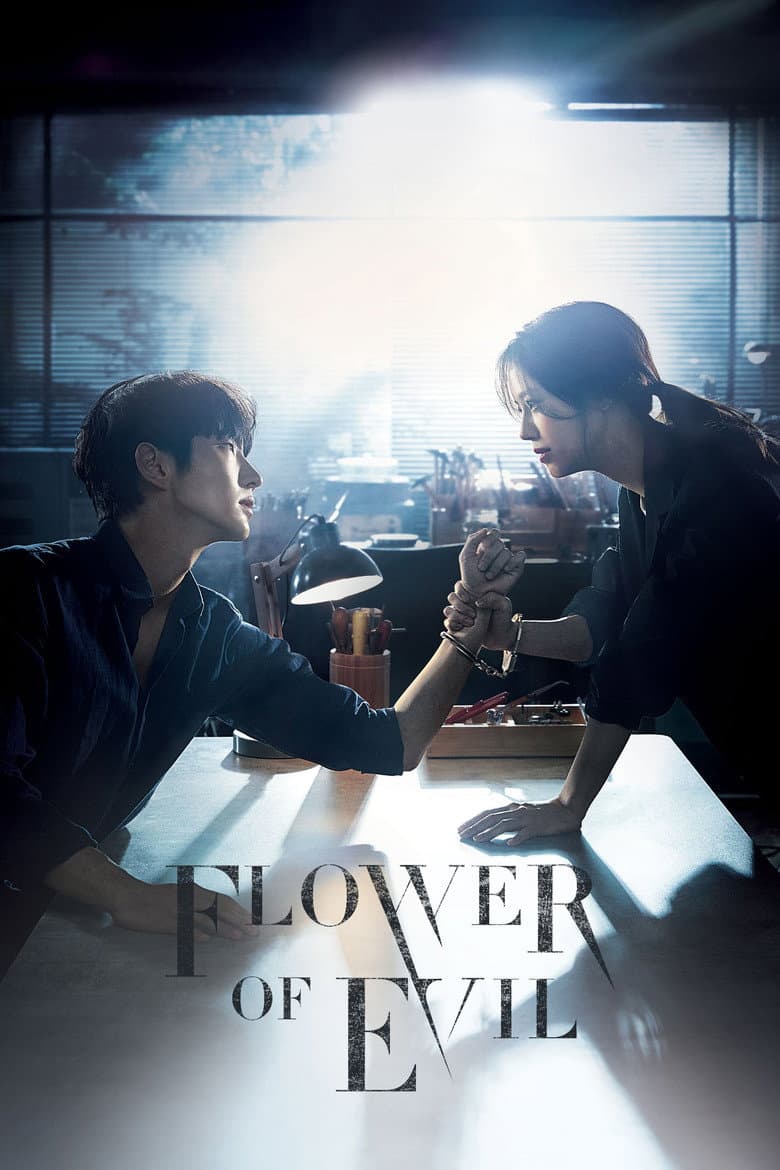
TV Show · 2020
Hiding a twisted past, a man maintains his facade as the perfect husband to his detective wife — until she begins investigating a series of murders.
