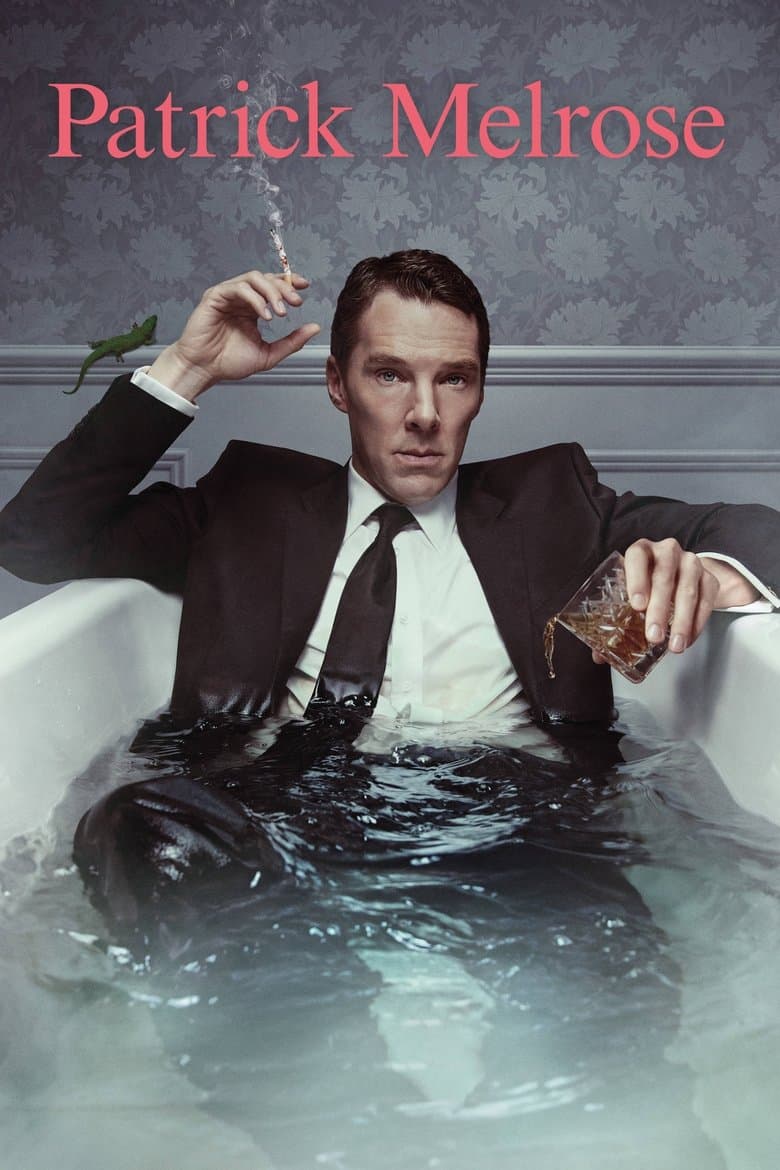
Started May 12, 2018 · Ended · Based on 1 season, 5 episodes through June 9, 2018 · TV-MA · 60 min
Patrick Melrose follows a wealthy Englishman from the 1960s to the early 2000s. Patrick grows up with a cruel father and a mother who fails to protect him. As an adult, he uses heroin, cocaine, alcohol, and sex to escape his pain. The show moves between dark comedy, family horror, and a slow search for recovery.
The show makes its clearest social point by showing how money, status, private schools, and family silence can hide abuse. A party with Princess Margaret presents the upper class as proud, cruel, and careless, while the New Age group around Patrick’s mother creates a new kind of trouble. Patrick’s friendship with Johnny, his marriage to Mary, and his fear of hurting his own sons shape the later episodes. The main message is that facing the past may help a damaged person stop passing pain to the next generation.
Community feedback
Was our 17% Woke rating accurate?
Breakdown
These are the editorial factors and ratings behind our score for Patrick Melrose.
Woke representation / casting
Not present. Most major characters are white English people from the story’s upper-class world. Johnny Hall is a South Asian friend with a meaningful role, but the show does not build a diversity-first group or identity message around him.
0%
Woke political dialogue
Not present. Characters talk about class, family duty, addiction, and abuse. The show does not build repeated speeches around current politics, DEI, race, or identity.
0%
Identity-driven story themes
Not present. Patrick’s pain comes from abuse, addiction, and family damage. The show does not make race, sexuality, or group identity the main issue.
0%
Western institutional / cultural critique
The series repeatedly shows Patrick’s father using his place as a father and an upper-class man to control and abuse his son. It also mocks private schools, royal parties, inherited wealth, and the manners that hide bad behavior. These scenes create a clear critique of male authority and the English elite across the five episodes. The focus stays on one damaged family, so the message is mild rather than a broad modern activist attack.
24%
Woke character or canon changes
Not relevant. The show changes the order of the books and compresses events. Those changes serve the five-episode structure and do not make an identity point.
0%
Anti-woke backlash and complaints
Not present. Public coverage mostly praised the acting and discussed addiction, abuse, and class. No anti-woke or anti-DEI complaint was found in the reviewed coverage or the separate X research pass.
0%
Creator track record context
David Nicholls, Edward St Aubyn, and Edward Berger have mostly mild public political records. Benedict Cumberbatch has a stronger record of supporting gender equality and LGBT rights. Nina Gold has a moderate diversity record, while most listed producers have low or mild records. This gives mild supporting context, but the title-related work centers on abuse, addiction, class, and recovery.
27%
Production
TV Show · 2021
Inspired by the true story of Marty and the therapist who turned his life around...then took it over. When he first meets Dr. Ike, Marty just wants to get better at boundaries.

TV Show · 2026
As the Kargil War erupts between India and Pakistan, the Golden Arrows squadron of the Air Force takes flight on a dangerous mission behind enemy lines.
TV Show · 2022
Oscar-winning producer Al Ruddy’s never before revealed experiences of making the iconic 1972 film The Godfather that Francis Ford Coppola directed and adapted with Mario Puzo.
TV Show · 2025
Tells the story of the ascent of the biblical figure, David, who becomes the most celebrated king of Israel. The series follows the once-mighty King Saul as he falls victim to his…
TV Show · 2024
The powerful real-life story of Lali Sokolov, a Jewish prisoner who was tasked with tattooing ID numbers on prisoners' arms in the Auschwitz-Birkenau concentration camp during…
TV Show · 2020
A wary CIA officer investigates a charismatic man who sparks a spiritual movement and stirs political unrest. Who exactly is he? And what does he want?

TV Show · 2024
Fascinated by cars since childhood, Brazilian racer Ayrton Senna became a sports legend — until tragedy struck, changing Formula 1 forever.

TV Show · 2016
Rebellious Mickey and good-natured Gus navigate the thrills and agonies of modern relationships.
