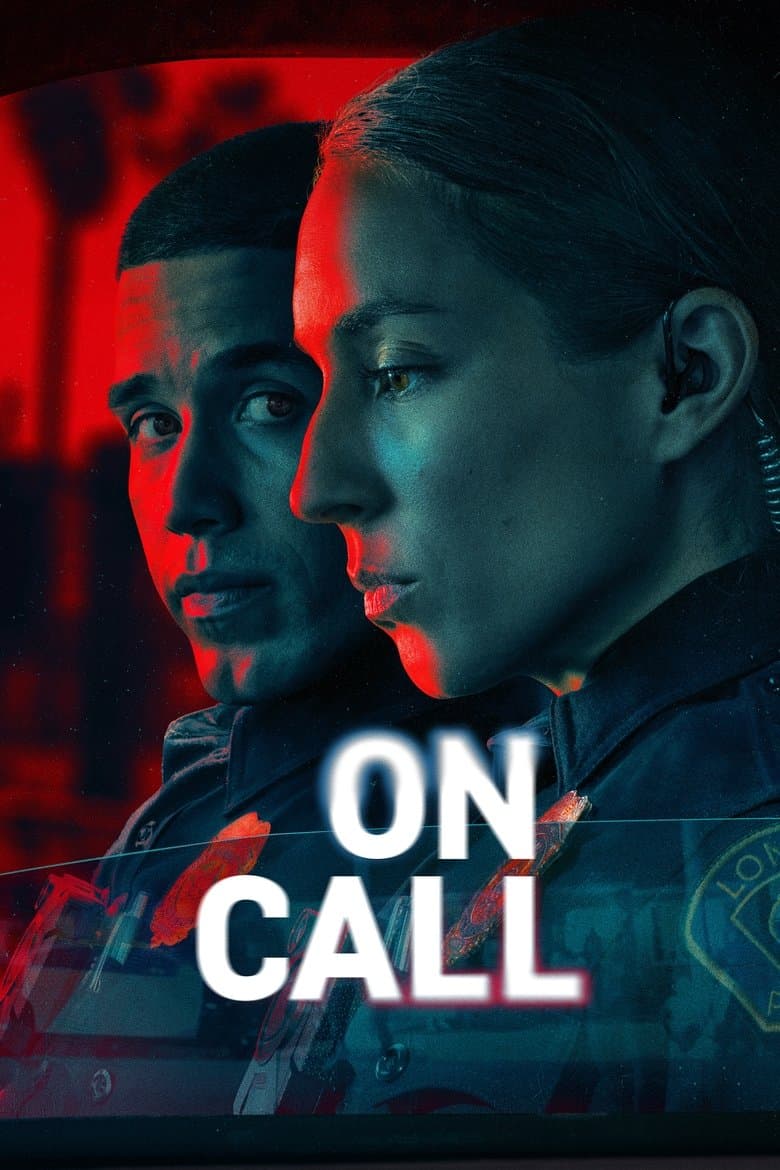
Started January 9, 2025 · Canceled · Based on 1 season, 8 episodes through January 9, 2025 · TV-MA
On Call follows Traci Harmon, a veteran Long Beach police training officer, and Alex Diaz, a rookie officer on his first patrols. They work the streets after their former colleague Maria Delgado is shot during a traffic stop. Harmon teaches Diaz how to stay alive, follow the rules, and judge people in fast-moving calls. Diaz struggles with his brother’s gang ties while Harmon hunts the men linked to Delgado’s death. The show uses short episodes, body camera views, car cameras, and phone footage to create a tense, rough tone.
The show repeatedly debates the clash between careful policing and old force-first methods. Harmon warns that mass arrests of East Barrio members, including teenagers, will destroy trust, while Lasman argues that a hard sweep will restore order. A Black sergeant tells a white officer that they grew up in different versions of Long Beach, and Diaz’s Latino mother says police took her son’s future. These moments add mild identity-driven and institutional-critique themes, but the main story remains a police thriller about duty, loyalty, grief, gang violence, addiction, homelessness, and family trouble.
Community feedback
Was our 32% Woke rating accurate?
Breakdown
These are the editorial factors and ratings behind our score for On Call.
Woke representation / casting
Not present. The cast is mixed, but the story is set in a modern and diverse Long Beach. The show does not present the casting as a diversity campaign or use an identity mismatch with the setting.
0%
Woke political dialogue
The show repeatedly debates how police should use force and follow rules. Harmon warns that sweeping up East Barrio members, including teenagers, will break public trust, while Lasman supports older, harder tactics. Diaz’s mother says police took her son’s future, and Lasman says he and Harmon grew up in different versions of Long Beach. The debate recurs across the season, but it never becomes a clear activist speech or policy program.
28%
Identity-driven story themes
The show gives some weight to different life experiences inside the police department and the Long Beach community. Lasman tells white Harmon that they grew up in different versions of the city, and Diaz’s Latino mother distrusts the police because of what happened to his brother. One call also involves a male sex worker and a married man in a same-sex encounter, but that event is brief. These themes support a mild identity-driven layer while the main story stays focused on police work and gang violence.
21%
Western institutional / cultural critique
The show questions some police methods, but it does not reject the police institution. Harmon stops officers from using too much force and opposes mass arrests based on gang ties. The story presents homeless camps, addiction, and sex work as street problems more than as failures of society. The officers remain the people who protect others, so the critique stays limited.
26%
Woke character or canon changes
Not relevant. The series is an original story with no established characters, source world, or historical figures that it changes.
0%
Anti-woke backlash and complaints
A separate X review found a right-leaning commentator praising the series as anti-left and criticizing “woke” policing policies. Small accounts recommended the show as “not woke,” while one complained that the writers used “clique” instead of a stronger gang word. The review found no sustained fight over race swaps, DEI casting, female dominance, anti-male writing, or LGBT focus. No boycott, review-bombing push, or coordinated campaign appeared, so the backlash was fringe.
14%
Creator track record context
Several key people have some social or representation-related work. Molly Manning has argued for real representation behind the scenes, Eriq La Salle has discussed positive Black portrayals, and Brenna Malloy has backed more women directors. Producer Taye Shuayb has built projects around underrepresented voices, while Matthew Segal has worked on youth voting and civic media. Tim Walsh, Elliot Wolf, and Dick Wolf frame On Call as entertainment without a political message, and most other listed creators have little public activism.
27%
Production
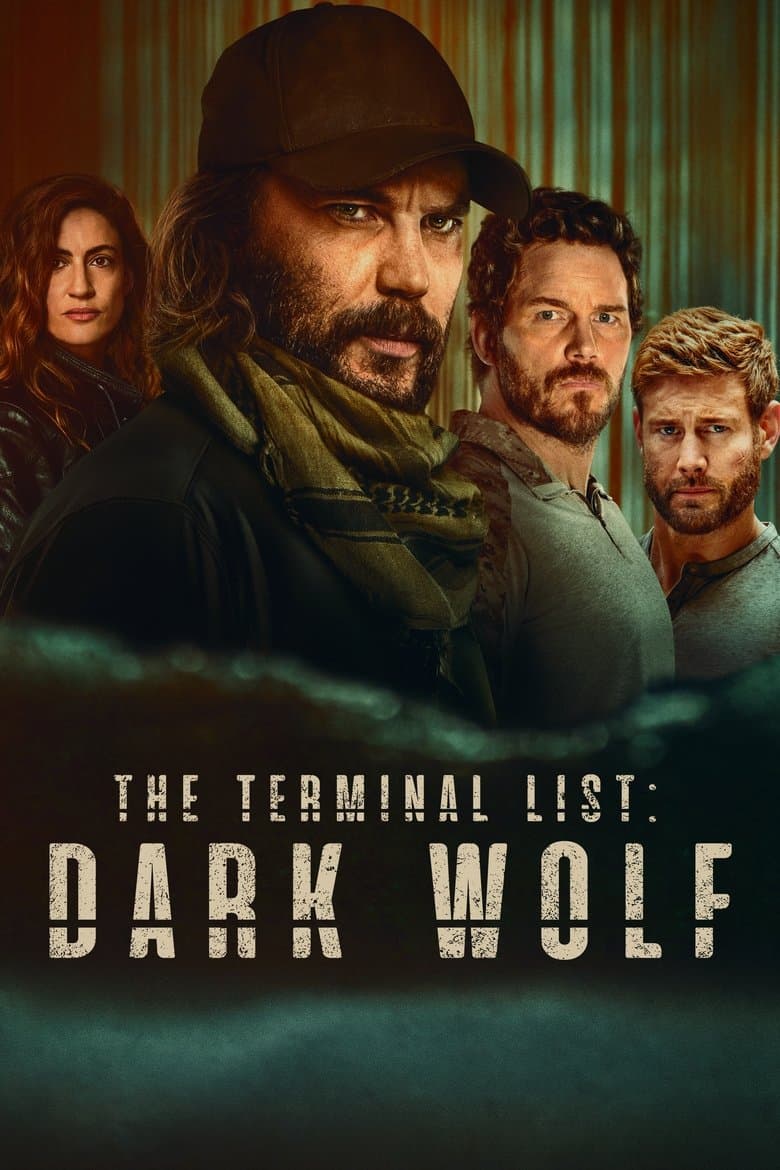
TV Show · 2025
Before The Terminal List, Navy SEAL Ben Edwards finds himself entangled in the black operations side of the CIA.
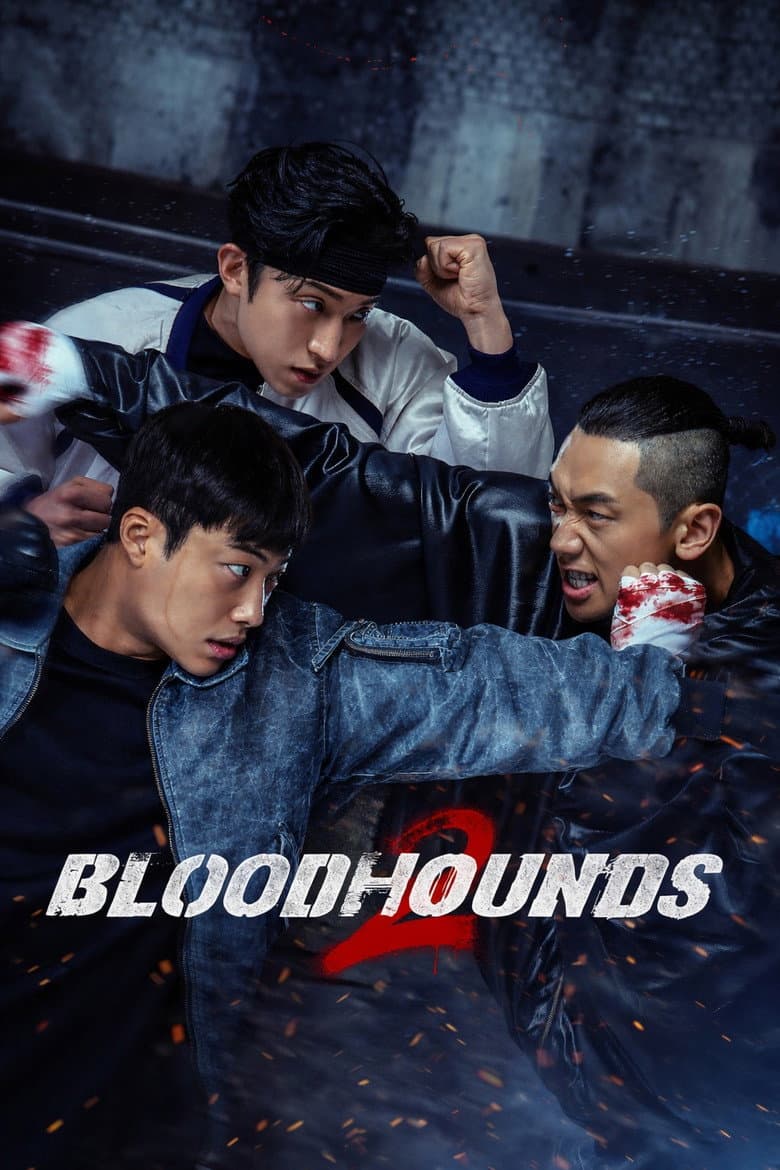
TV Show · 2023
Faced with ruthless foes with a violent thirst, two young boxers band together — risking life and limb to bring justice and protect their loved ones.
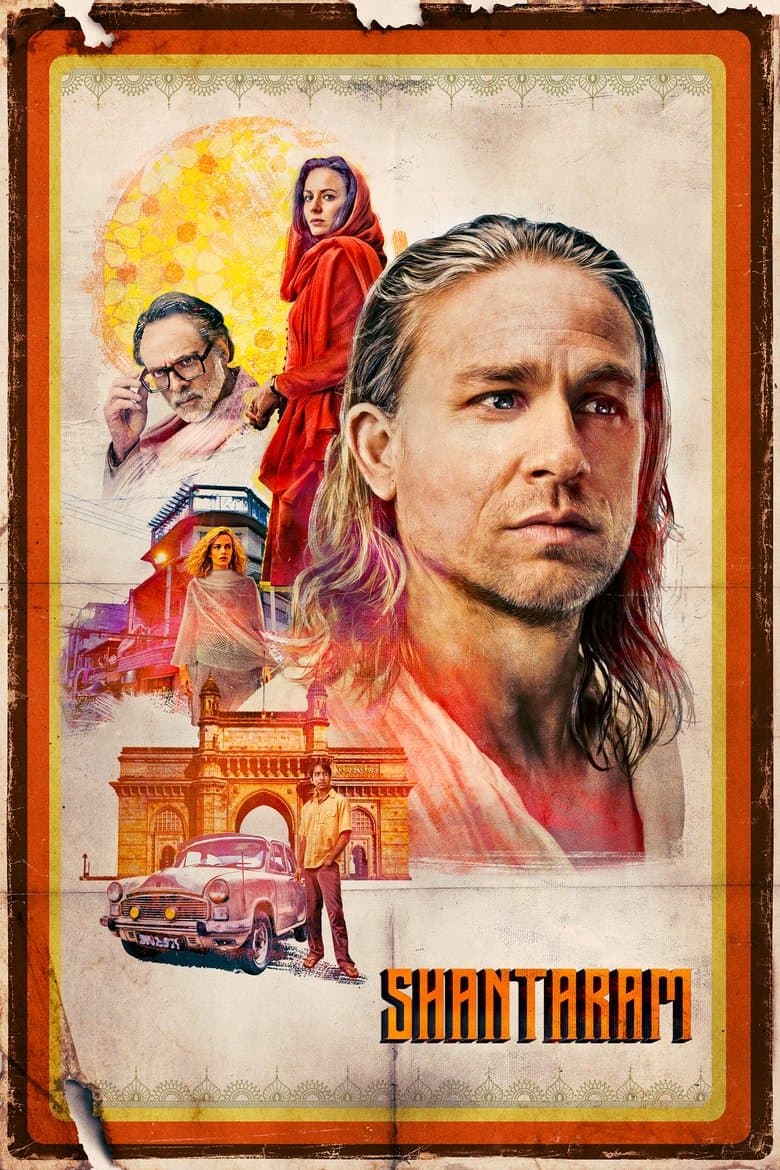
TV Show · 2022
Escaped convict Lin Ford flees to the teeming streets of 1980s Bombay, looking to disappear. Working as a medic for the city's poor and neglected, Lin finds unexpected love…
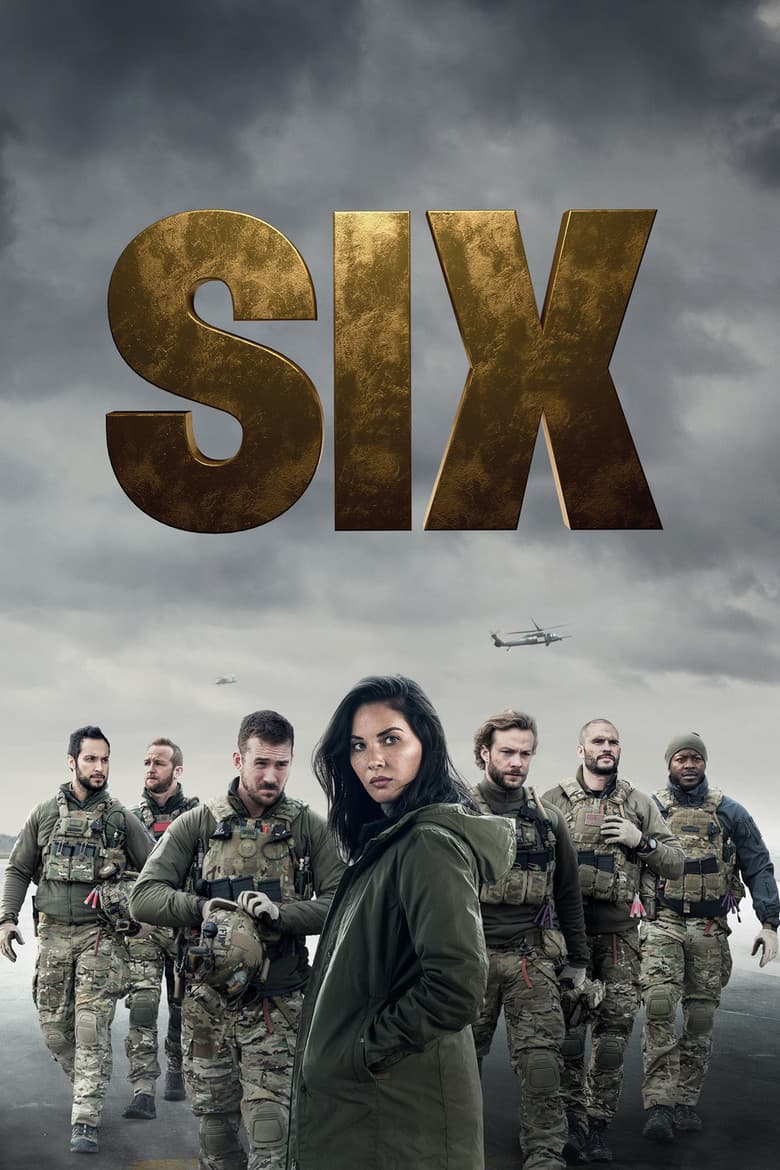
TV Show · 2017
Action drama series inspired by the real missions of Navy SEAL Team Six.
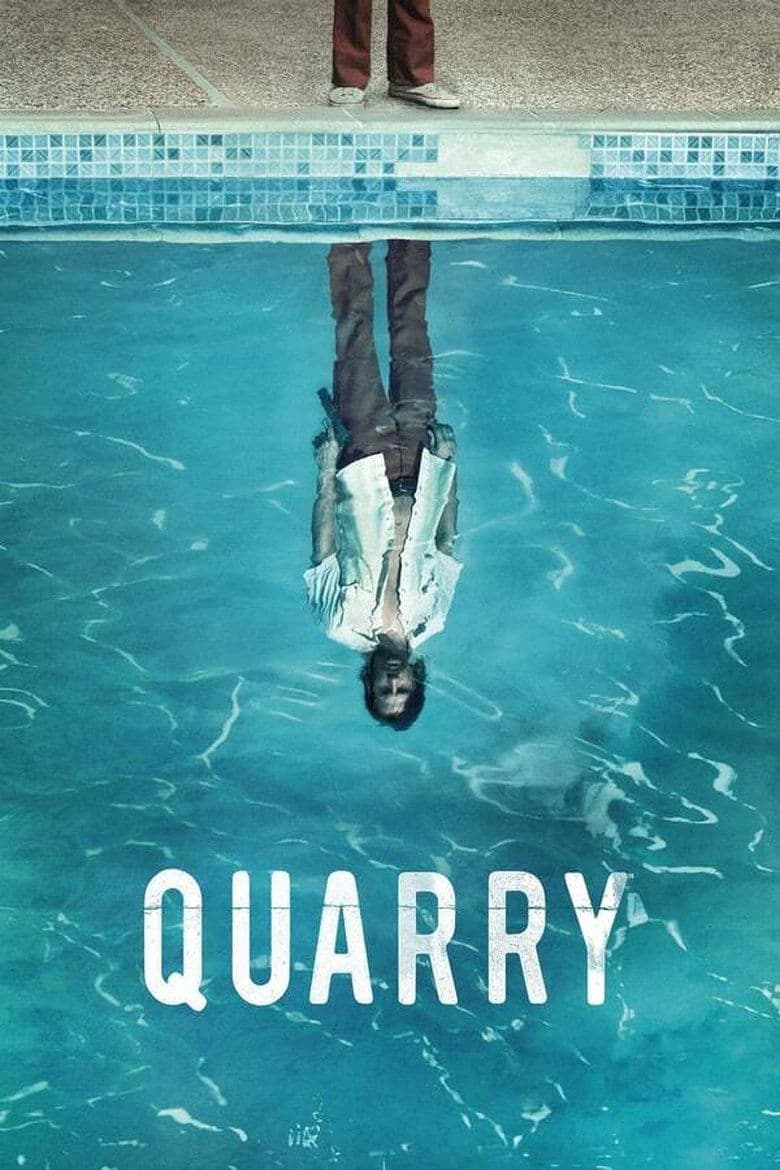
TV Show · 2016
The story of Mac Conway, a Marine who returns home to Memphis from Vietnam in 1972 and finds himself shunned by those he loves and demonized by the public.
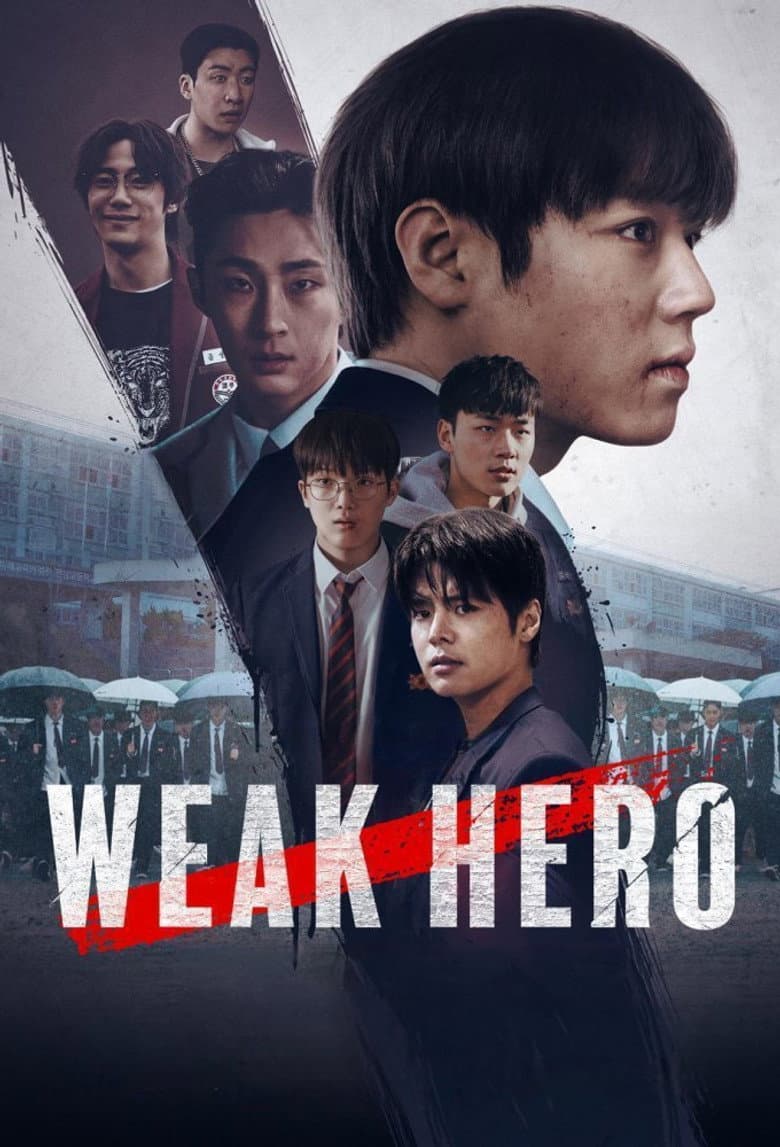
TV Show · 2022
With the aid of unexpected friends, a gifted but introverted student confronts bullies and violent foes — unaware of how dangerous his world will become.
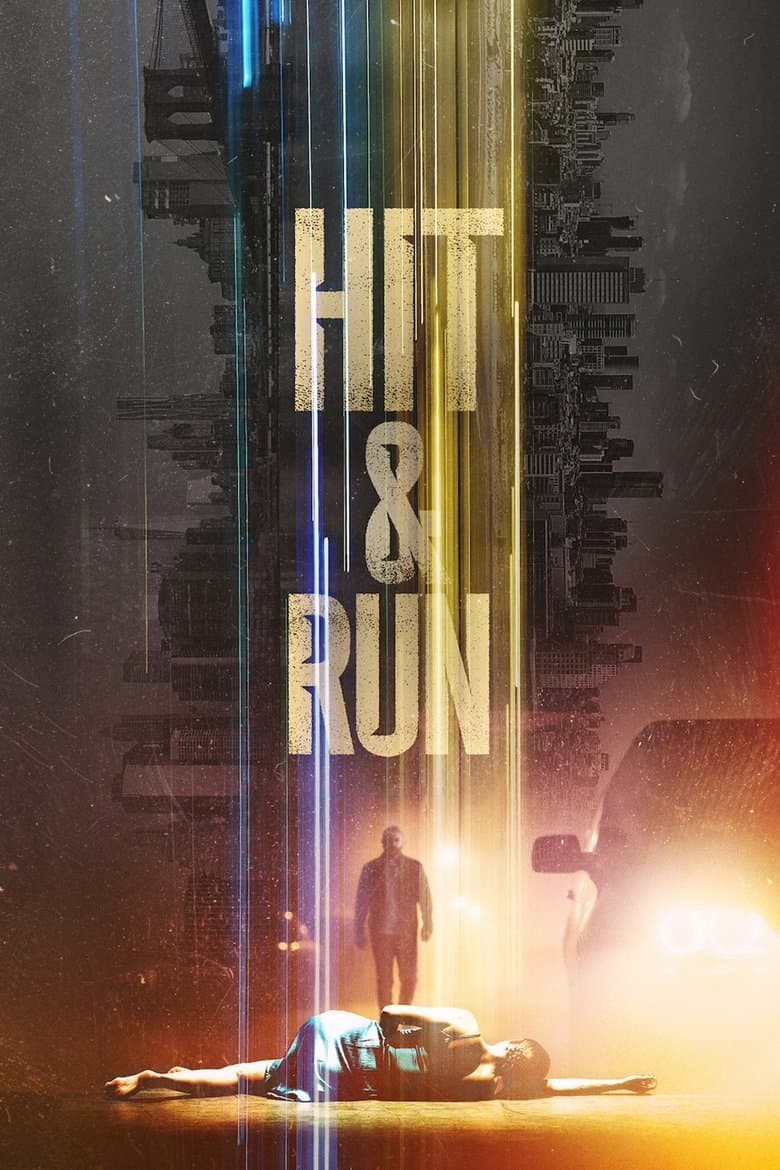
TV Show · 2021
A happily married man's life is turned upside down when his wife is killed in a mysterious hit-and-run accident in Tel Aviv.
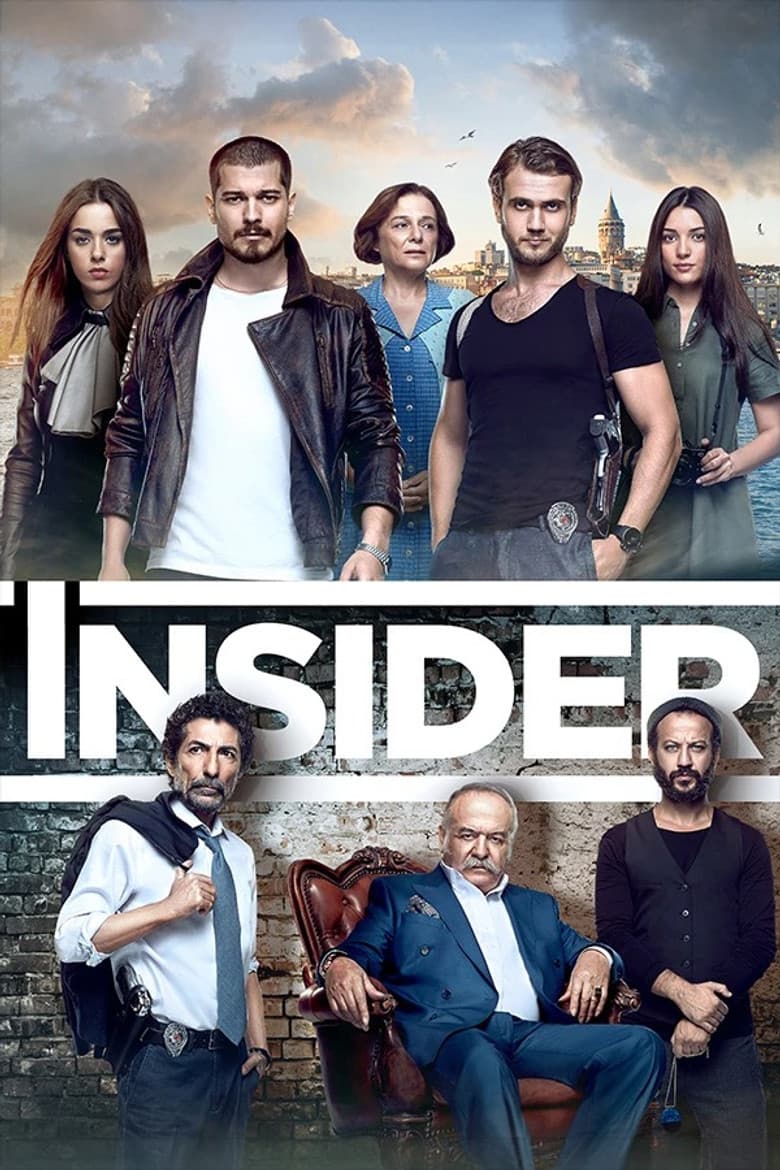
TV Show · 2016
Even though two brothers are completely separated from each other after the imprisoning of their father and the kidnapping of their twin brother, they meet by coincidence years…
