
Started November 15, 2020 · Ended · Based on 1 season, 4 episodes through December 6, 2020 · TV-MA · 57 min
Murder on Middle Beach follows Madison Hamburg, a young filmmaker who investigates the 2010 killing of his mother, Barbara. He returns to the wealthy coastal town of Madison, Connecticut, and questions relatives, friends, and police officers. The case pulls him into divorce records, family money problems, addiction, a pyramid scheme, and old anger. The tone is sad and tense, and the ending leaves the murder unsolved while showing how the search damages family ties.
The show’s clearest identity-linked material centers on a women’s Gifting Tables group that calls itself a sisterhood and a women’s empowerment group. The series presents the group as a secret cash pyramid scheme that hurt members and led to criminal charges, so it does not make a broad case for modern gender politics. The episodes also question police secrecy and local corruption, but the complaint stays tied to this case rather than a wider activist message. The main themes remain grief, addiction, family trust, private guilt, and the limits of true-crime investigation.
Community feedback
Was our 22% Woke rating accurate?
Breakdown
These are the editorial factors and ratings behind our score for Murder on Middle Beach.
Woke representation / casting
Not present. The series shows real family members, neighbors, police, and officials rather than a cast built around identity messaging. The available cast is described as White, which fits the Connecticut family and community shown.
0%
Woke political dialogue
Episode 2 repeats lines that call the Gifting Tables a women’s empowerment group and a women’s sisterhood. Several speakers say the group is only for women and suggest that men do not understand it. The show uses this language to explain how the scheme recruited members. The lines stay in one episode, and the series treats the group as a fraud case rather than a wider political program.
22%
Identity-driven story themes
The clearest identity-driven theme is the promise of female sisterhood and financial help in the Gifting Tables. Episode 2 shows how that promise drew women into secret meetings and large cash payments. The story presents the promise as a tool used by a pyramid scheme, not as a lesson about modern gender politics. Grief, addiction, and family mistrust drive the rest of the season.
18%
Western institutional / cultural critique
Not present. The series criticizes the local police response, hidden records, and past officer misconduct. It keeps that criticism tied to one murder case and does not turn it into a modern activist attack on Western culture or institutions.
0%
Woke character or canon changes
Not relevant. The show is a documentary about real people and an unsolved case. It does not change an established fictional character or historical figure for identity reasons.
0%
Anti-woke backlash and complaints
Not present. The searched reaction centers on murder theories, family conflict, police conduct, and the unresolved ending. No meaningful anti-woke or anti-DEI complaint was found.
0%
Creator track record context
Madison Hamburg’s record centers on personal documentary work about family, grief, addiction, and memory, with no clear activist pattern. Ron Nyswaner brings a strong LGBTQ rights and queer-story record. Toby Oppenheimer has a mixed record that includes documentaries about LGBTQ people and other social issues. The other listed producers have little public identity-politics or activist history.
30%
Production
TV Show · 2021
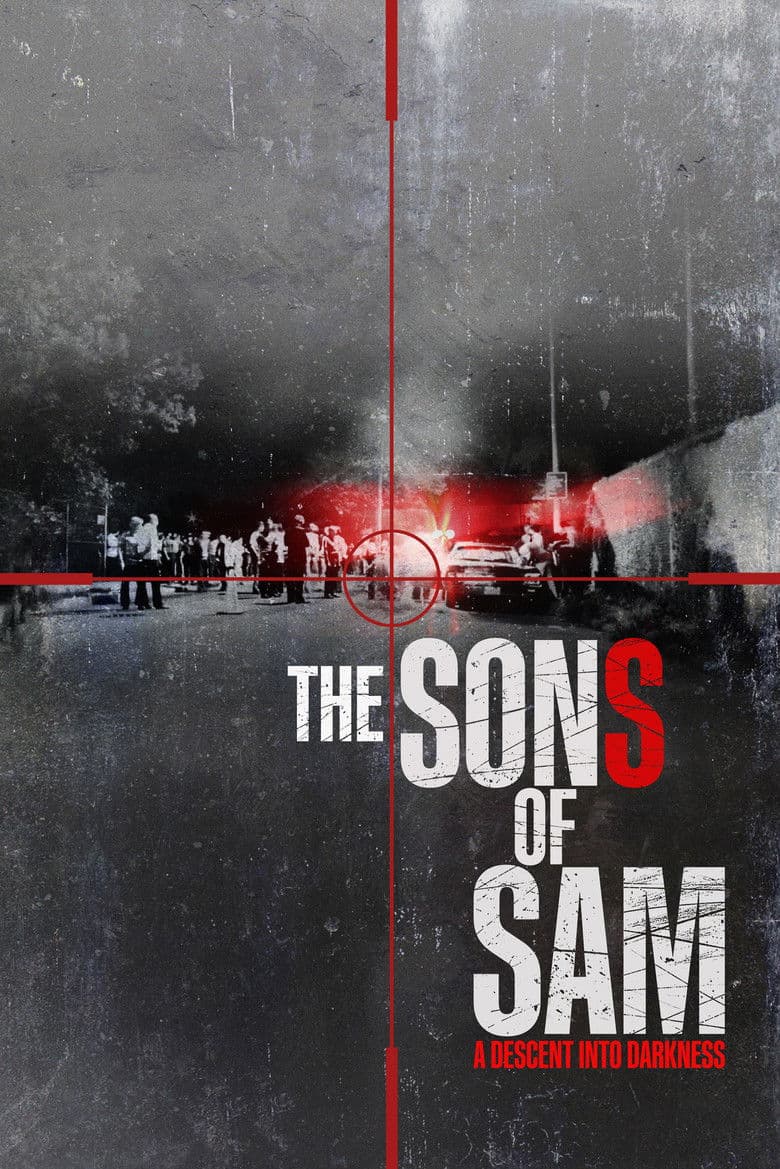
The Son of Sam case grew into a lifelong obsession for journalist Maury Terry, who became convinced that the murders were linked to a Satanic cult.

TV Show · 2022
This harrowing docuseries explores, a cruel conman masquerading as a British spy manipulates and steals from his victims, leaving ruined families in his wake.
TV Show · 2019
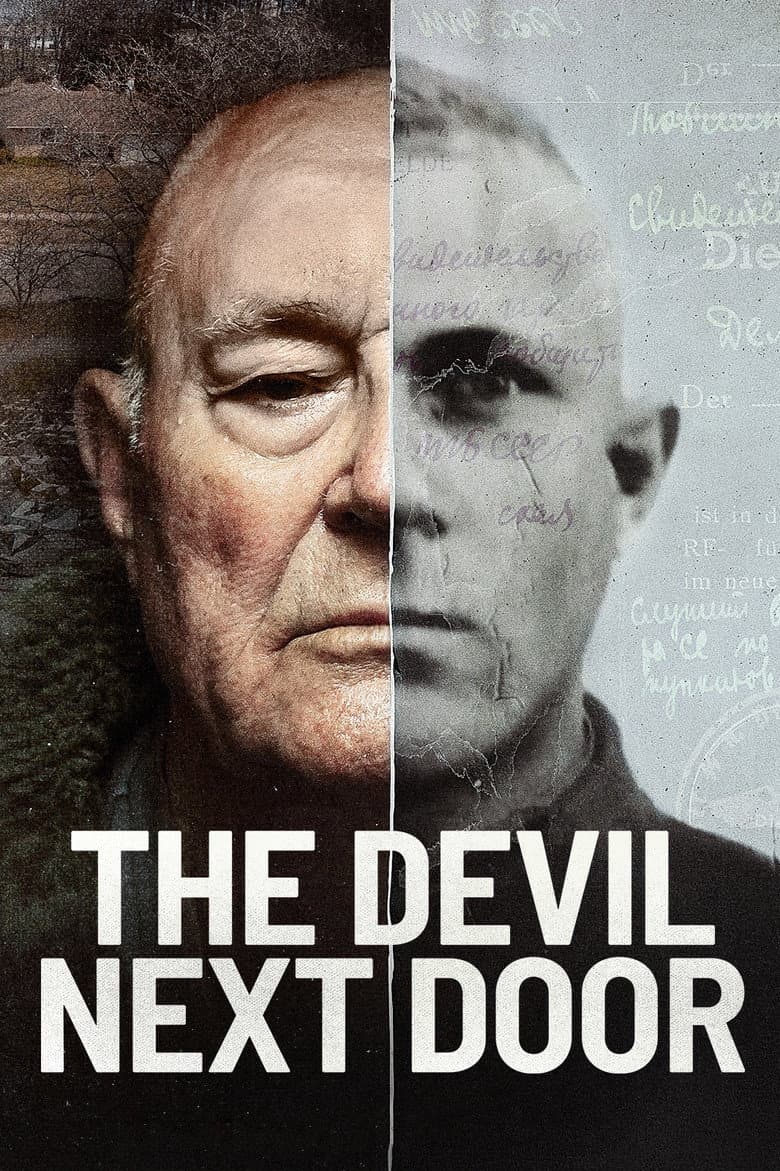
A Cleveland grandfather is brought to trial in Israel, accused of being the infamous Nazi death camp guard known as Ivan the Terrible.

TV Show · 2021
Beneath the sunlit glamour of 1985 L.A. lurks a relentlessly evil serial killer. In this true-crime story, two detectives won't rest until they catch him.

TV Show · 2017
Inspired by actual events, this true crime anthology series takes a deep dive into the dark, twisted minds of terrorists and follows the brave souls who hunt them down.
TV Show · 2019
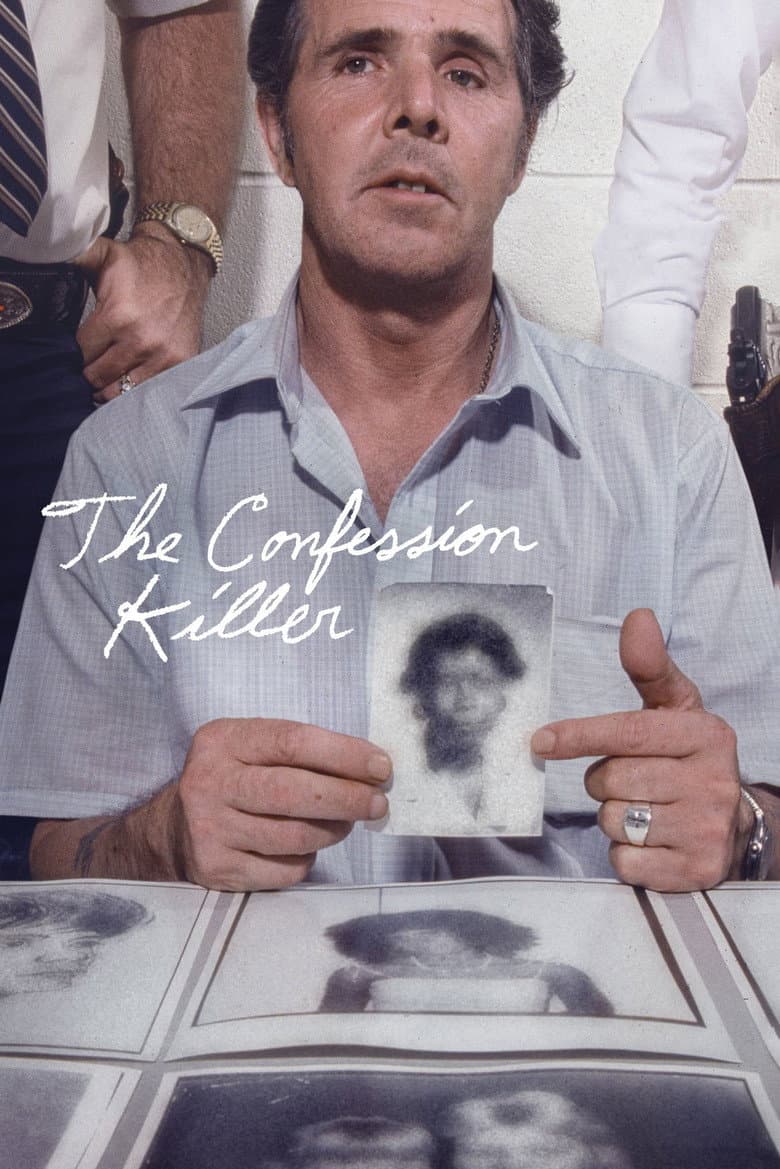
Henry Lee Lucas rose to infamy when he confessed to hundreds of unsolved murders. This docuseries examines the truth -- and horrifying consequences.
TV Show · 2022
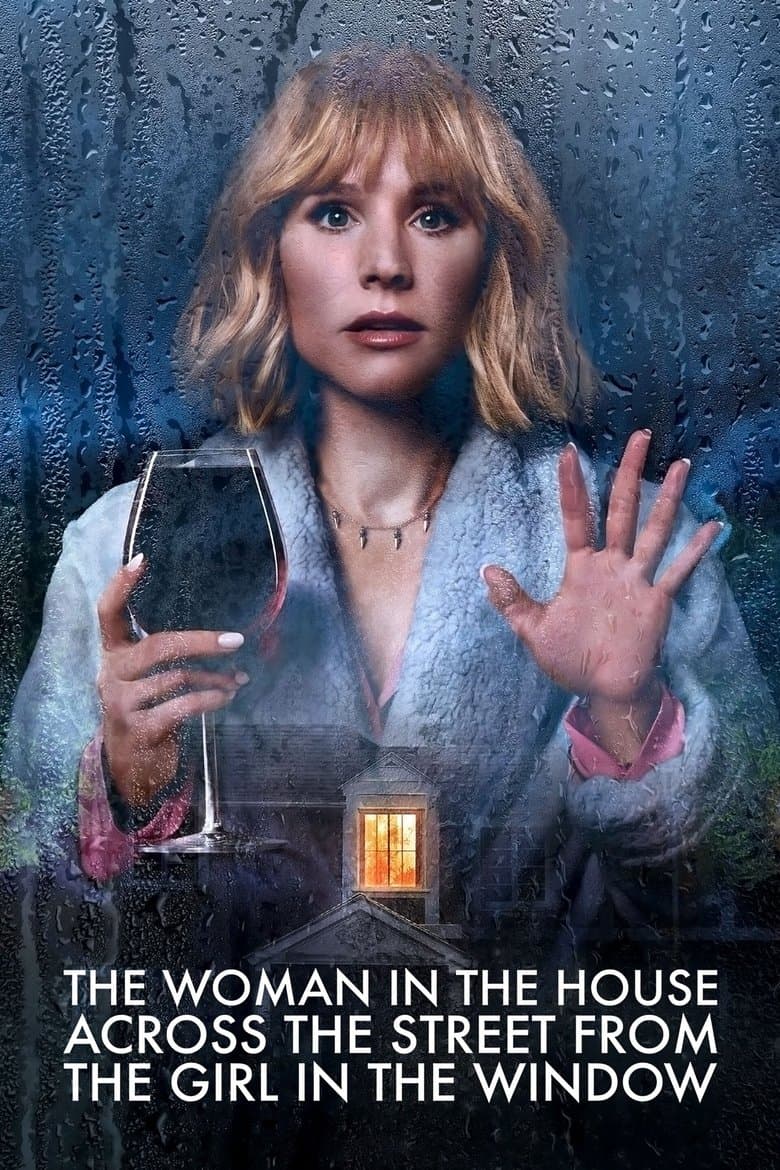
For Anna, every day is the same. She sits with her wine, staring out the window, watching life go by without her.

TV Show · 2023
With never-before-seen footage, this docuseries follows David Beckham's meteoric rise from humble beginnings to global football stardom.
