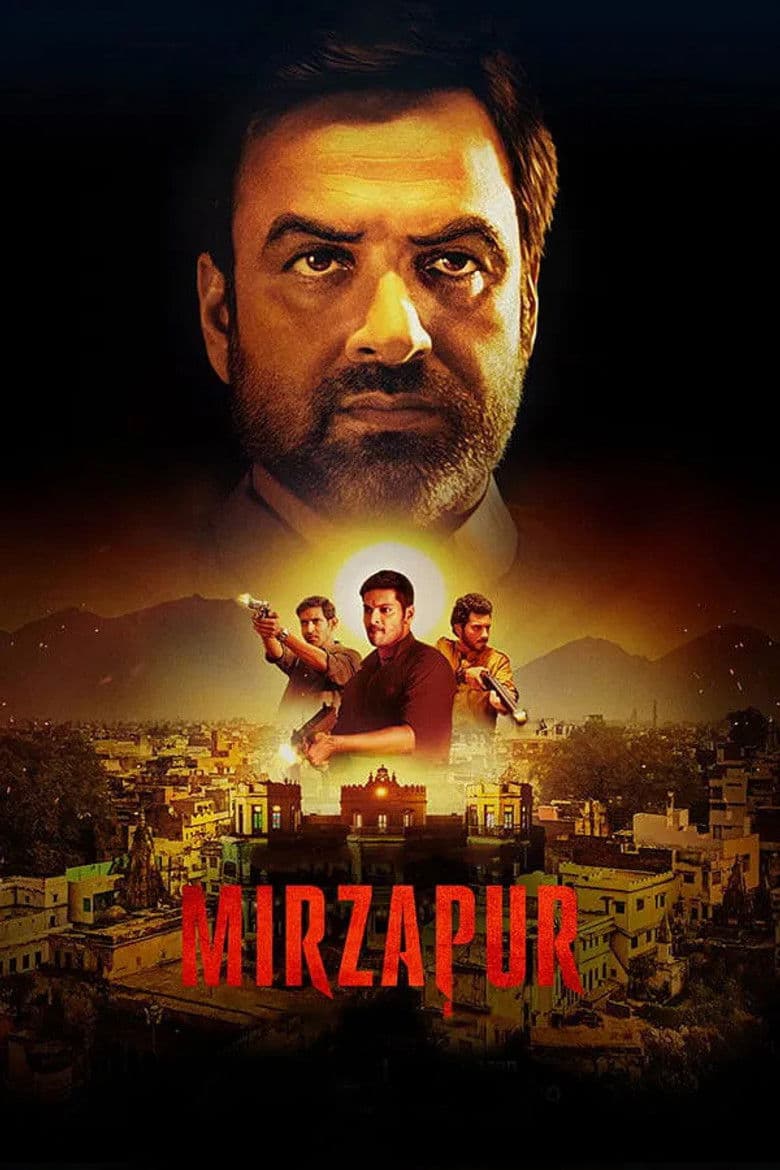
Started November 15, 2018 · Returning Series · Based on 3 seasons, 29 episodes through July 5, 2024 · TV-MA · 45 min · Hindi
Mirzapur follows Guddu Pandit as he rises from a young wrestler to a feared crime boss after his brother Bablu and wife Sweety are killed. He fights Kaleen Bhaiya, the ruler of Mirzapur, while Munna, rival gangs, police, and politicians fight over drugs, guns, money, and the throne. The story moves through small towns and cities in eastern Uttar Pradesh, where family ties mix with crime and public office. The tone is dark, brutal, crude, and often bleak, with revenge driving most choices.
Across three seasons, the show gives women a growing share of power and control. Season 1 mainly places women inside violent male homes, but Season 2 turns Beena, Golu, and Madhuri into planners, survivors, and political winners. Season 3 makes Golu a crime leader beside Guddu, while Madhuri acts as chief minister and Beena helps protect her son’s future. The show treats female desire, revenge, and leadership as major parts of the story, but it still presents them inside the same violent struggle for money and power.
Community feedback
Was our 62% Woke rating accurate?
Breakdown
These are the editorial factors and ratings behind our score for Mirzapur.
Woke representation / casting
The cast fits the North Indian setting, so its ethnicity and regional mix are not a clear diversity signal. The show repeatedly gives prominent women control of crime, family, and government, including Golu, Beena, and Madhuri. Season 3 puts Golu beside Guddu at the throne and gives Madhuri major political power. The pattern is strong, but many major roles still belong to male gang leaders, so the casting is not representation-first.
42%
Woke political dialogue
Madhuri’s government talks about creating a crime-free state and runs a women empowerment program. Those ideas return in her political scenes and in Zarina’s work with village women. Most dialogue still concerns crime, revenge, money, and control of the throne. The activist-style lines are present, but they are not the show’s main focus.
28%
Identity-driven story themes
Season 1 starts as a mostly male-led crime story where women are often trapped or exploited. Season 2 changes Beena, Golu, and Madhuri into planners, survivors, and political winners. Season 3 makes Golu a leading crime boss and Madhuri a central political strategist, while Beena keeps shaping the future of the Tripathi family. The show makes female desire, revenge, and leadership major parts of its continuing story.
58%
Western institutional / cultural critique
The Tripathi household treats women as property and uses sexual abuse to control them. The show repeatedly challenges the idea that men should control sex, marriage, family, and violence. Madhuri’s political arc also presents women gaining public power as a response to criminal rule. The story does not target Christianity or Western institutions, so this factor stays moderate.
40%
Woke character or canon changes
Not relevant. Mirzapur is an original crime series, not an adaptation of older characters or real events. The show does not change an established character’s race, gender, sexuality, or role.
0%
Anti-woke backlash and complaints
Some viewers on Reddit said the third season pushed women empowerment too hard and treated it as an agenda. Other comments called the season “Agendapur” and complained that Golu, Beena, and Madhuri had too much protection from the story. Mainstream reports mostly described the season as slow, weak, or short on plot, so the anti-woke reaction was limited and mixed. Earlier reports also noted complaints about Beena openly discussing sexual desire.
35%
Creator track record context
Puneet Krishna’s wider work often gives space to socially uncomfortable experiences, but he does not have a strong activist public image. Karan Anshuman has a mild liberal and political record, while his Mirzapur interviews focus on local crime, violence, and genre. Producers Farhan Akhtar and Ritesh Sidhwani have stronger gender-equality and representation links in their wider work. Most other credited writers and directors have no strong public record of a sustained activist or DEI pattern.
35%
Production
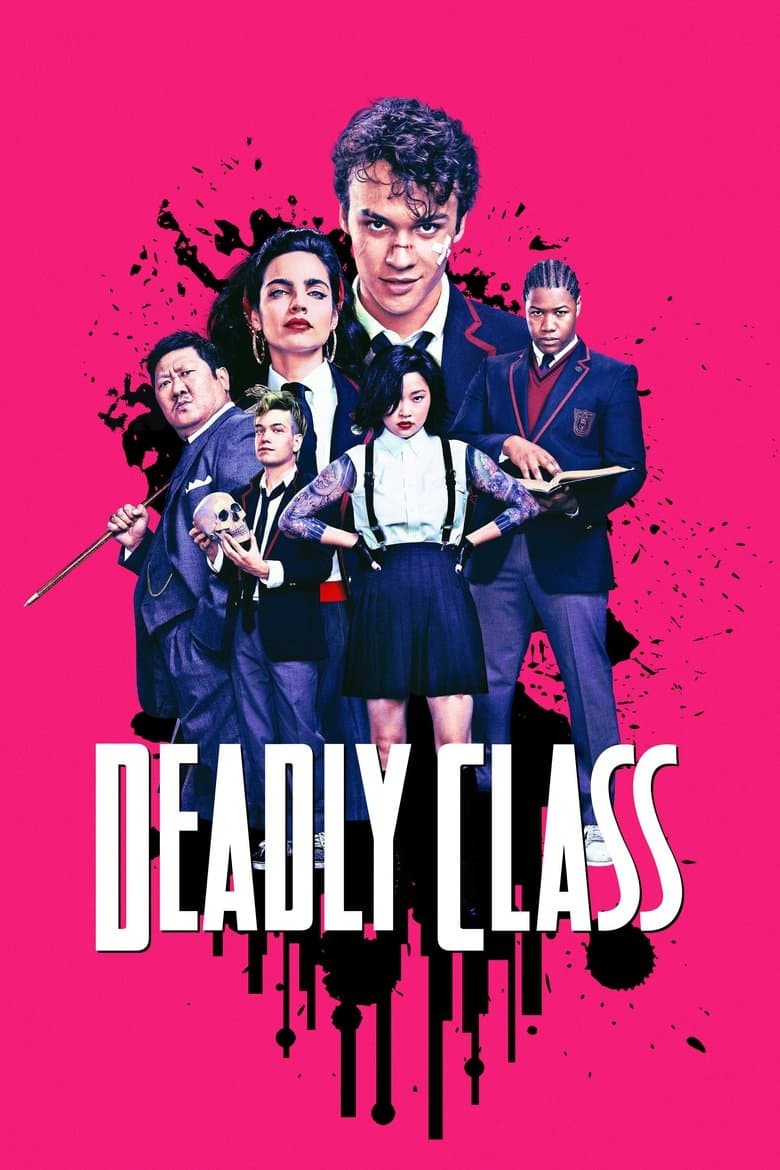
TV Show · 2019
Follow a disillusioned teen recruited into a storied high school for assassins. Maintaining his moral code while surviving a ruthless curriculum, vicious social cliques, and his…
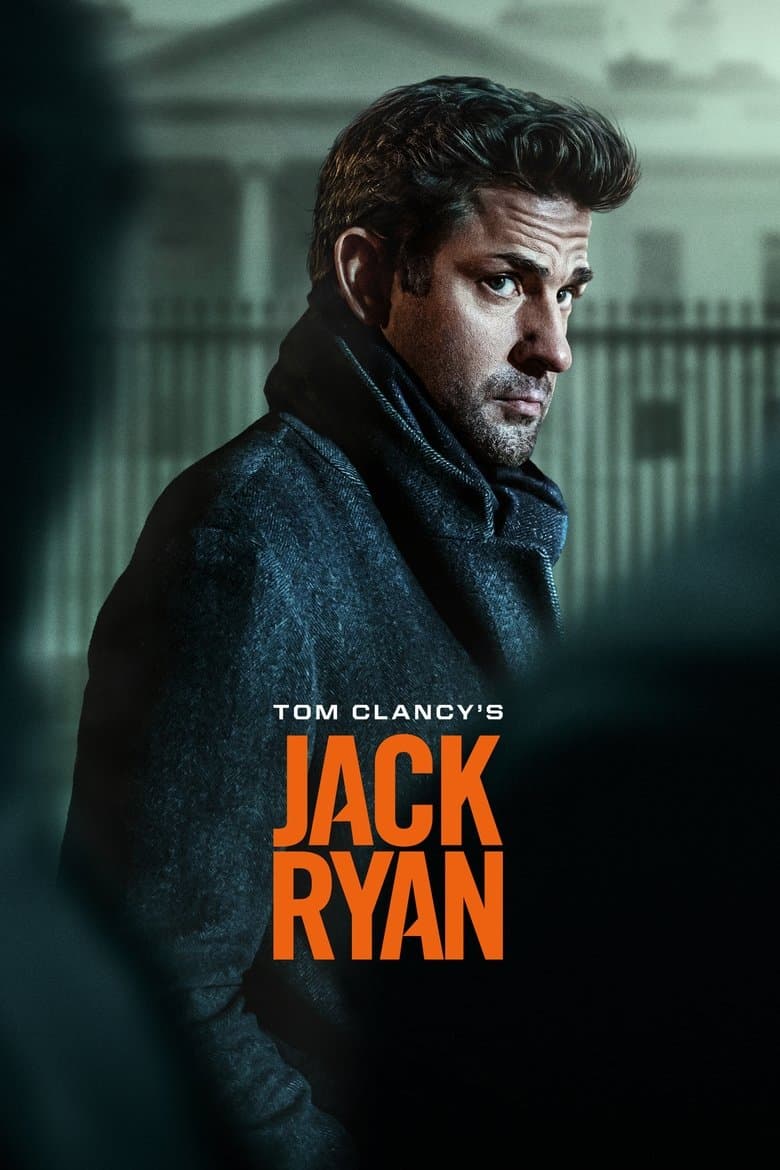
TV Show · 2018
When CIA analyst Jack Ryan stumbles upon a suspicious series of bank transfers his search for answers pulls him from the safety of his desk job and catapults him into a deadly…

TV Show · 2016
The story of Mac Conway, a Marine who returns home to Memphis from Vietnam in 1972 and finds himself shunned by those he loves and demonized by the public.
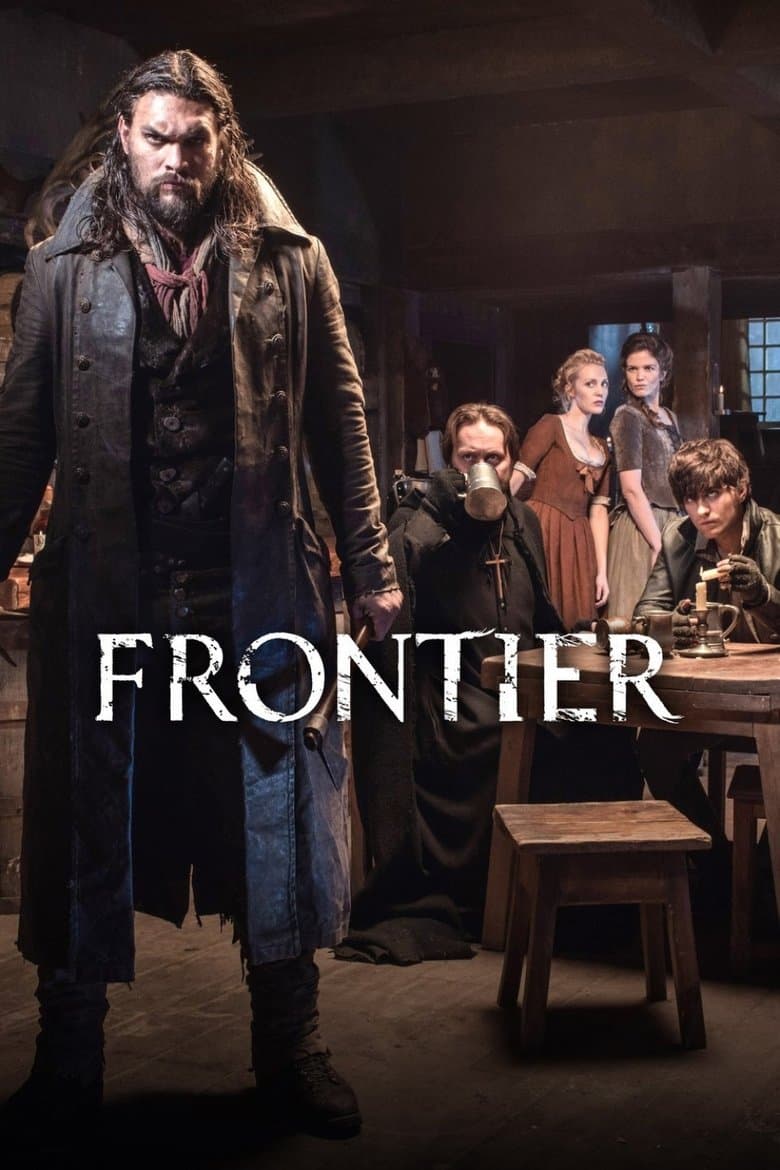
TV Show · 2016
In 18th-century North America, ruthless trappers and entrepreneurs fight to wrest control of the fur trade from the mighty Hudson's Bay Company.
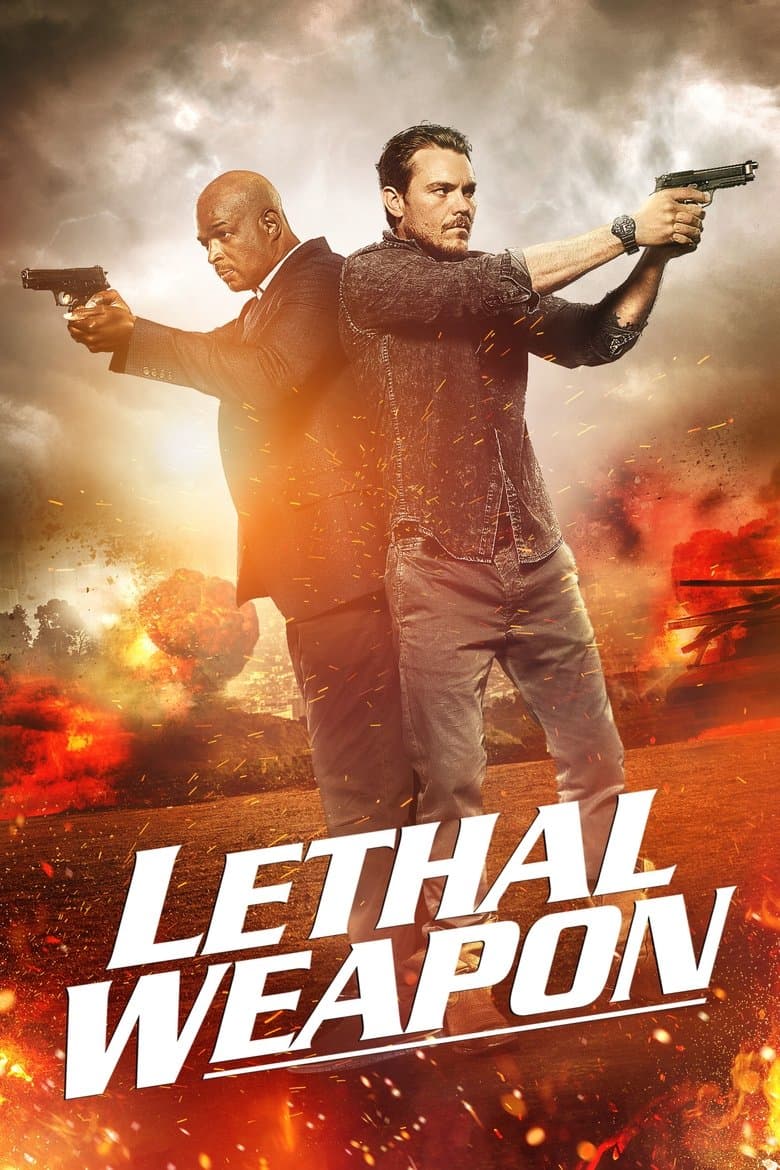
TV Show · 2016
A slightly unhinged former Navy SEAL lands a job as a police officer in Los Angeles where he's partnered with a veteran detective trying to keep maintain a low stress level in his…

TV Show · 2016
After a chance meeting in a hospital, an ardent soldier falls for a gifted surgeon. Opposing philosophies tear them apart, but fate has other plans.
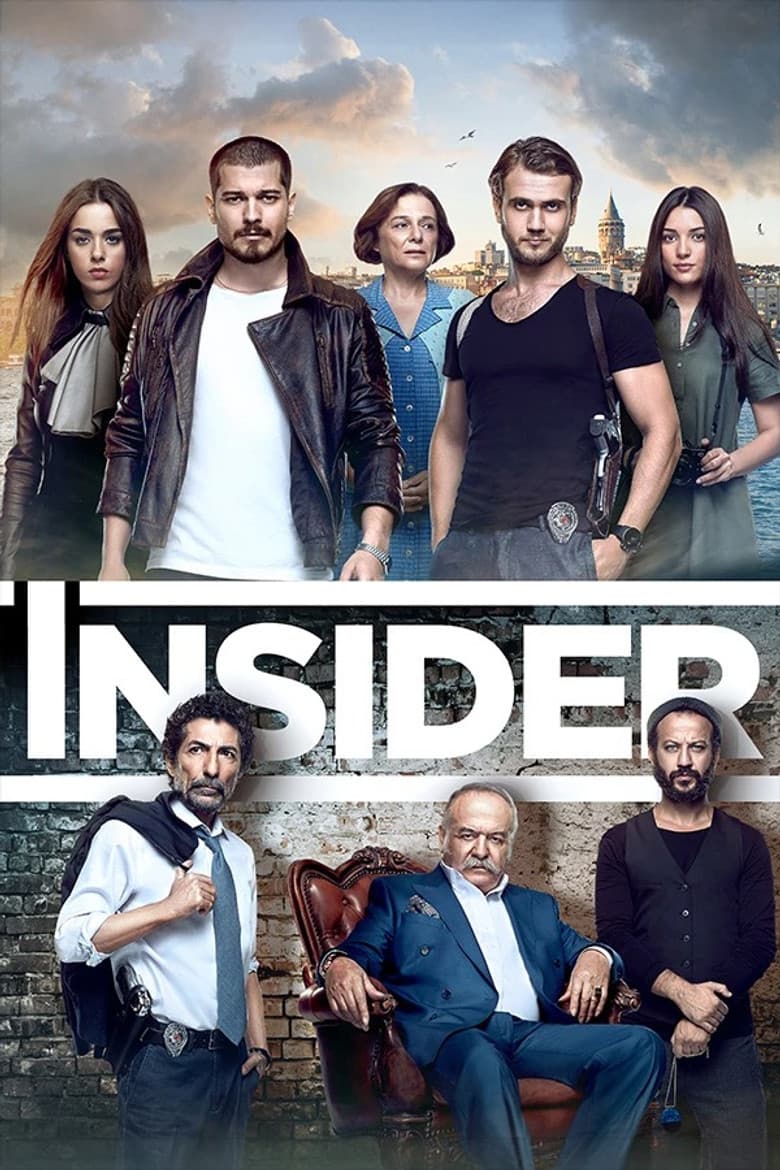
TV Show · 2016
Even though two brothers are completely separated from each other after the imprisoning of their father and the kidnapping of their twin brother, they meet by coincidence years…
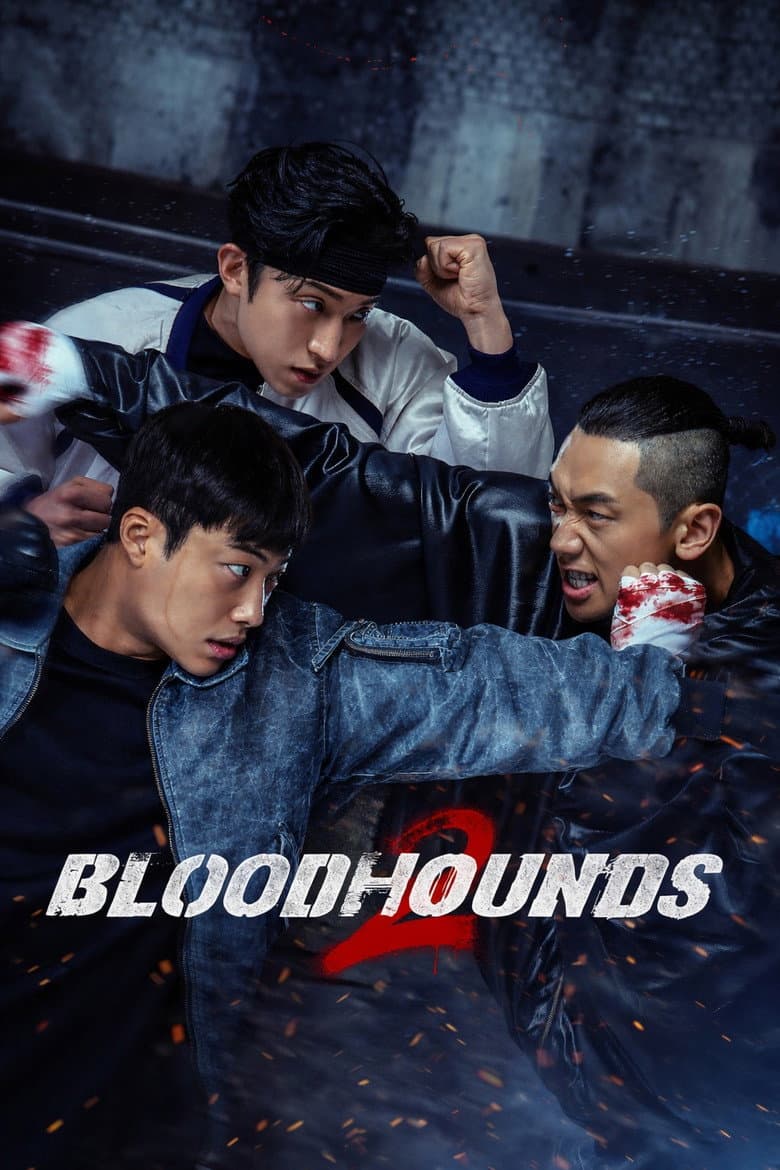
TV Show · 2023
Faced with ruthless foes with a violent thirst, two young boxers band together — risking life and limb to bring justice and protect their loved ones.
