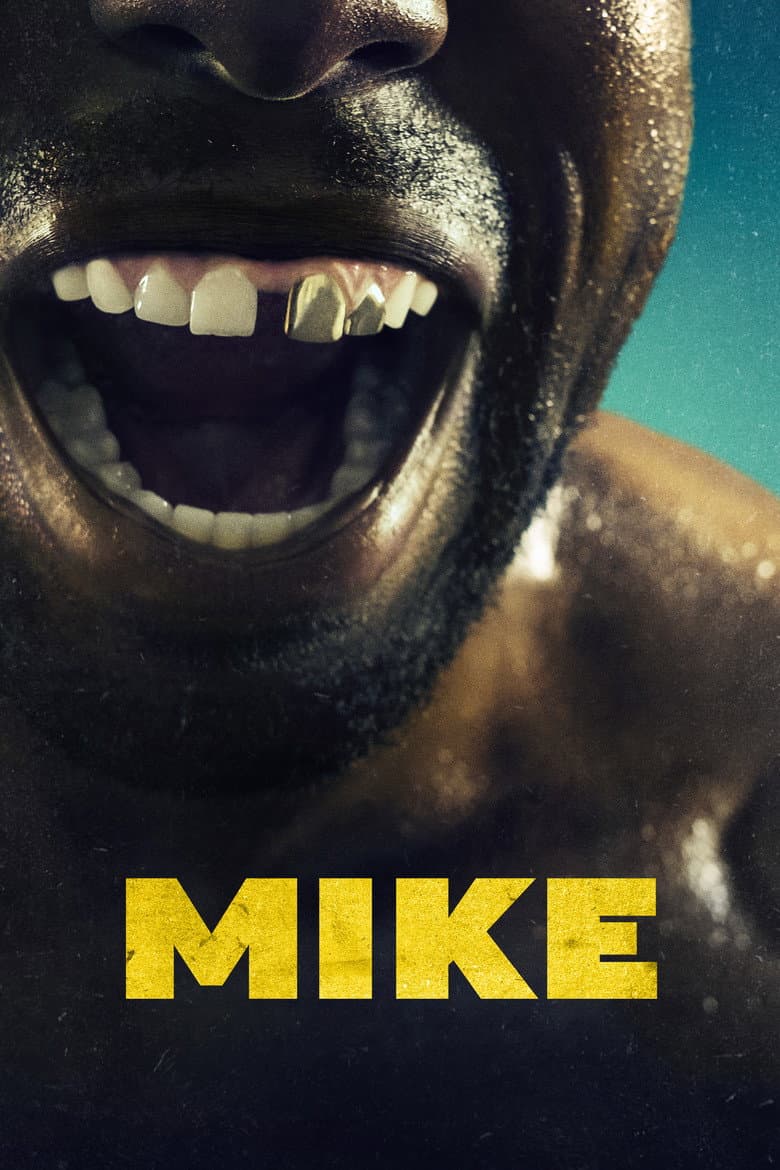
Started August 25, 2022 · Ended · Based on 1 season, 8 episodes through September 15, 2022 · TV-14 · 30 min
Mike follows Mike Tyson from a poor childhood in Brownsville, Brooklyn, through youth detention, boxing fame, prison, and a troubled return to the ring. Trevante Rhodes plays Tyson as a gifted fighter shaped by bullying, poverty, grief, anger, drugs, and a hunger for approval. Cus D’Amato becomes his father figure, while Don King becomes a promoter who profits from his weakness. The show uses a stage performance and direct talk to the viewer, so the tone shifts between sports drama, family tragedy, and confession.
The clearest woke elements come from the way the show frames race, gender, and power around Tyson’s life. Mike says Cus taught him to box but could not teach him how to be a black man in America. A prison episode points to harsher drug punishment for black men than for white men. The Robin Givens story challenges the idea that she was only a gold digger, while the Desiree episode gives Tyson’s accuser the main viewpoint and shows victim blaming. These themes matter to the season, but most of the show still follows Tyson’s rise, collapse, violence, addiction, and search for redemption.
Community feedback
Was our 50% Woke rating accurate?
Breakdown
These are the editorial factors and ratings behind our score for Mike.
Woke representation / casting
Not present. The lead, family, wives, accuser, and promoter match the real people shown. The series does not build an engineered mix of identities or sell the casting as a diversity message.
0%
Woke political dialogue
The show has a few direct lines about race and the prison system. Mike says Cus taught him to box but could not teach him how to be a black man in America. The prison episode says black men were jailed for drugs while white men received lighter punishment. These points are clear but do not control most episodes.
20%
Identity-driven story themes
The show makes race, gender, and power part of Mike’s public story. Episode 3 shows Robin Givens discussing abuse and pushes back against the image of her as only a gold digger. Episode 5 follows Desiree Washington through the rape case, victim blaming, and trial. These themes recur across the season, but they do not replace the main story of Tyson’s rise and fall.
46%
Western institutional / cultural critique
The show links Mike’s childhood, boxing career, prison time, and fame to systems that use or abandon him. Episode 6 directly points to racial differences in drug sentencing. Episodes 3 and 5 show male power, victim blaming, and a culture that protects a famous man. The show does not attack Christianity or family life as a whole.
42%
Woke character or canon changes
Not relevant. The show is an unauthorized dramatization of a real person’s life. It changes the viewpoint and compresses events, but it does not make an identity-driven race or gender swap.
0%
Anti-woke backlash and complaints
Not present. Public complaints focused on Tyson’s lack of approval, payment, and accuracy. No clear anti-woke or anti-DEI complaint campaign was found.
0%
Creator track record context
Karin Gist is rated 89/100 and has a strong record of race and black female representation stories. Writers Keisha Zollar, Mando Alvarado, and Anthony Sparks are rated 75, 65, and 83, with work tied to race, marginalization, or diversity. Director Tiffany Johnson is rated 79 and has directed identity-focused projects. Steven Rogers and Craig Gillespie have milder ratings, so the team context is strong but mixed. Rogers also framed this title around Black Lives Matter, MeToo, addiction, and prison reform.
66%
Production
TV Show · 2025
Tells the story of the ascent of the biblical figure, David, who becomes the most celebrated king of Israel. The series follows the once-mighty King Saul as he falls victim to his…
TV Show · 2025
"Legend of Zang Hai" follows the son of Imperial Astronomer Kuai Duo. Consumed by vengeance, he spends a decade honing his skills.
TV Show · 2016
The love story of young Countess Natasha Rostova and Count Pierre Bezukhov is interwoven with the Great Patriotic War of 1812 against Napoleon's invading army.
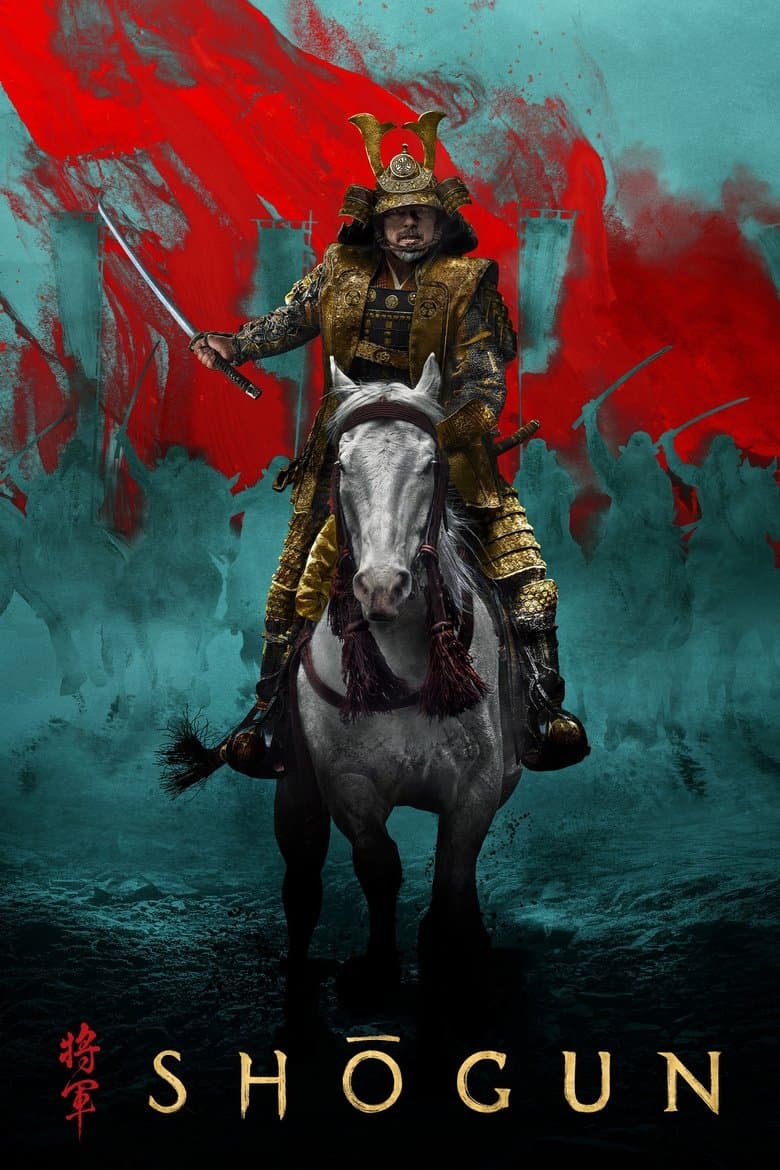
TV Show · 2024
In Japan in the year 1600, at the dawn of a century-defining civil war, Lord Yoshii Toranaga is fighting for his life as his enemies on the Council of Regents unite against him…
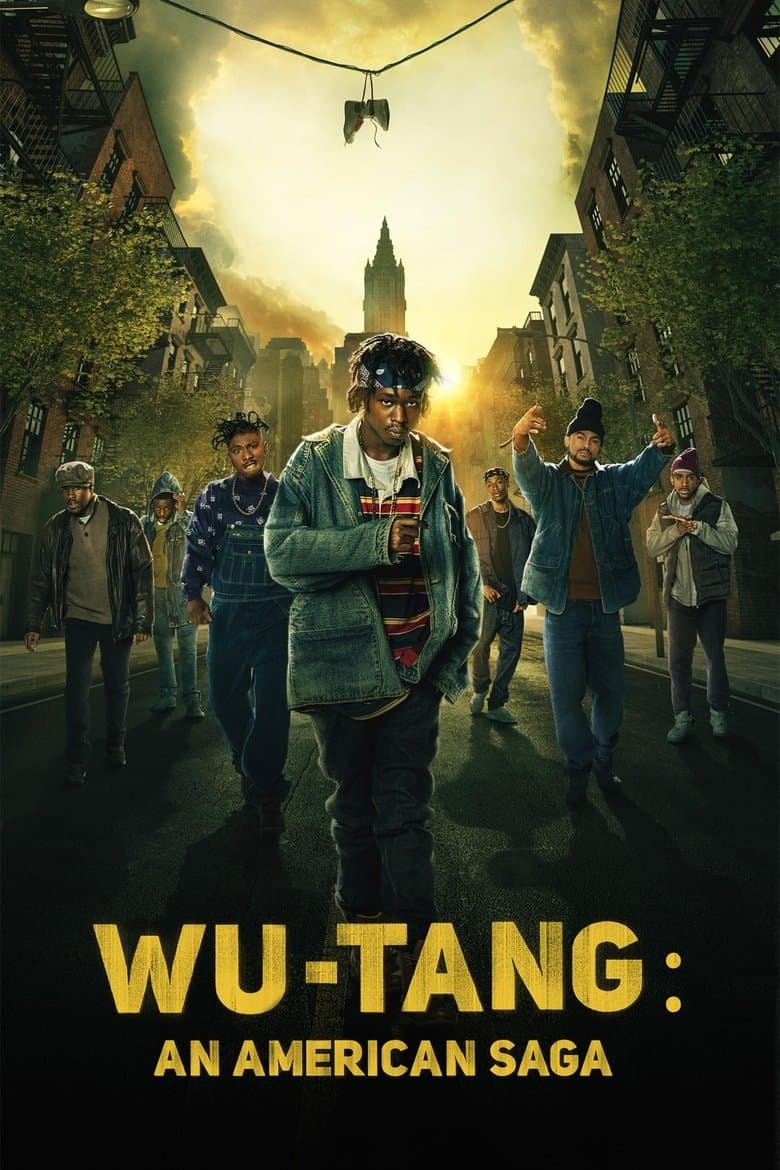
TV Show · 2019
In the early 1990s in New York, during the height of the crack cocaine epidemic, a visionary musician named Bobby Diggs aka The RZA begins to form a super group of a dozen young…
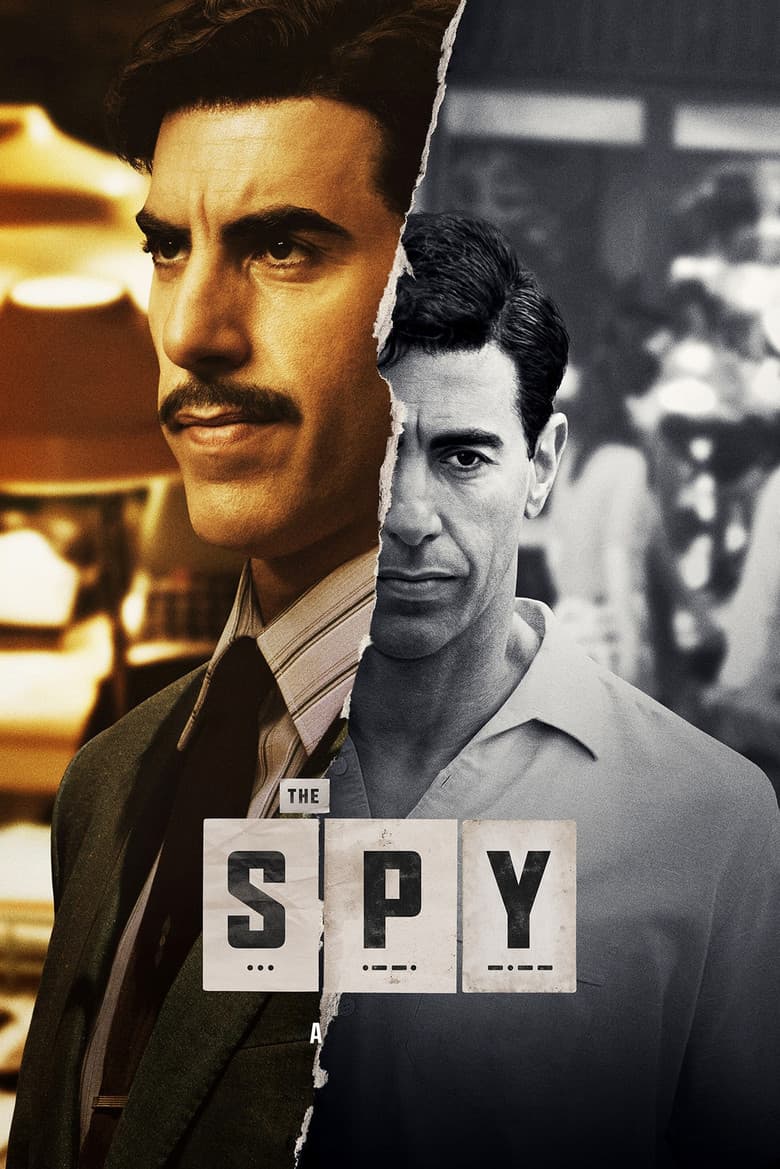
TV Show · 2019
In the 1960s, Israeli clerk-turned-secret agent Eli Cohen goes deep undercover inside Syria on a perilous, years-long mission to spy for Mossad.
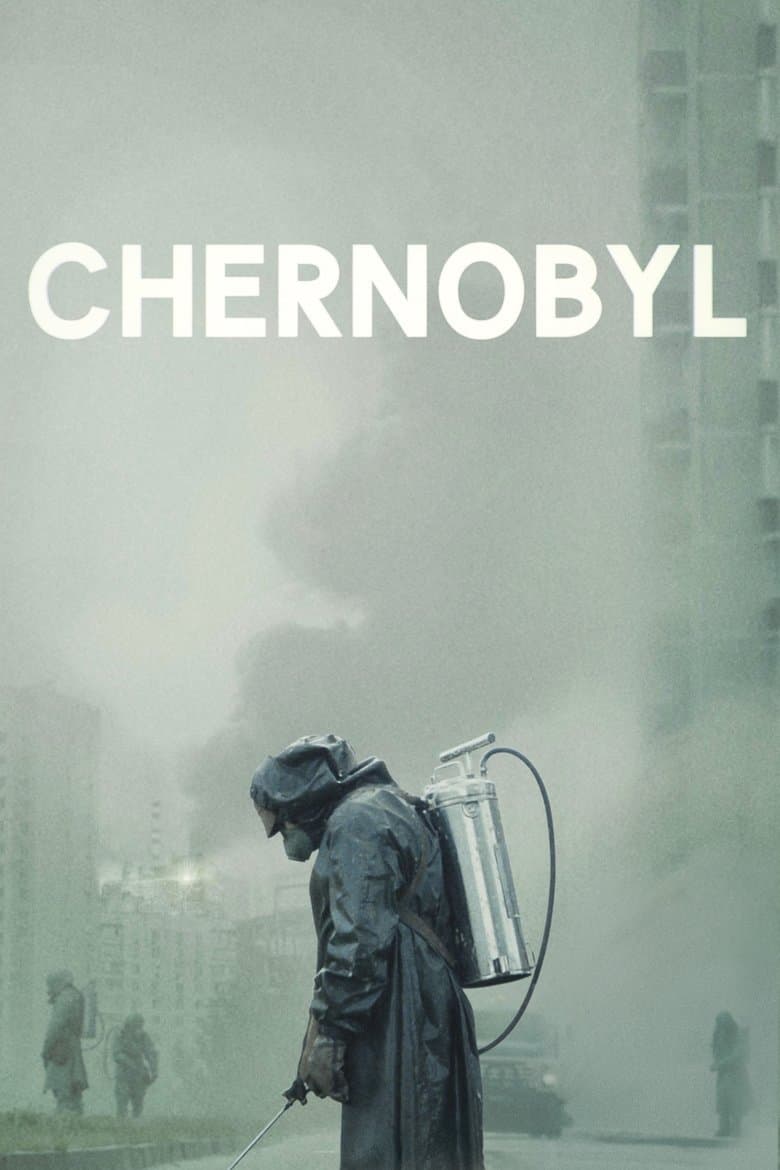
TV Show · 2019
The true story of one of the worst man-made catastrophes in history: the catastrophic nuclear accident at Chernobyl.
TV Show · 2022
Oscar-winning producer Al Ruddy’s never before revealed experiences of making the iconic 1972 film The Godfather that Francis Ford Coppola directed and adapted with Mario Puzo.
