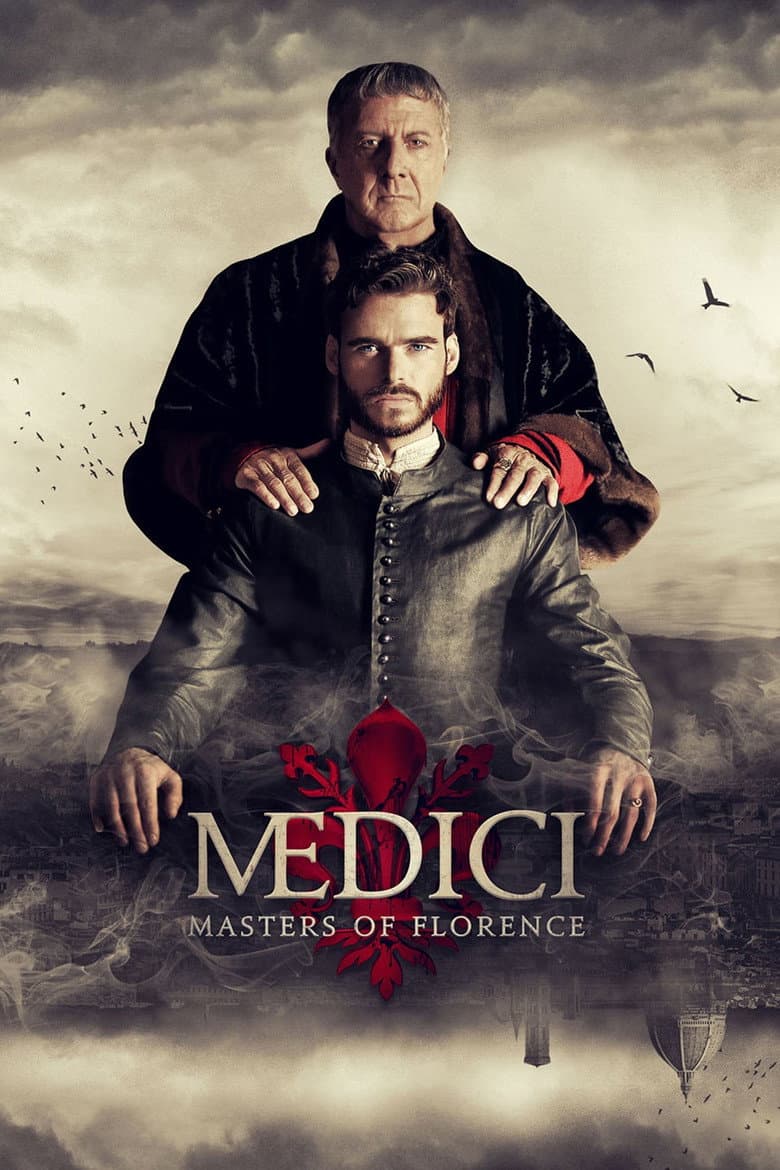
Started October 18, 2016 · Ended · Based on 3 seasons, 24 episodes through December 11, 2019 · TV-14 · 55 min · Italian
Medici: Masters of Florence is a historical drama about the Medici family in 15th-century Florence. The first season follows Cosimo after his father, Giovanni, dies in a suspected poisoning, while enemies try to destroy the family bank. The next two seasons follow Cosimo’s grandson Lorenzo as he faces the Pazzi family, the pope, war, debt, and threats from inside his own home. The show mixes family tension, romance, murder, art, and political deals in a dark but polished style.
The clearest woke element is the repeated focus on women working against a society that treats marriage and children as tools for family power. Contessina openly says that a woman can matter for more than having children, and she takes a public role in saving Cosimo. Lucrezia guides Lorenzo, Bianca resists a family marriage, and Clarice and Caterina are shown as women whose choices affect major political events. The show still centers on male rulers, banking, war, religion, and revenge, so the gender message is a recurring side theme rather than the main subject.
Community feedback
Was our 48% Woke rating accurate?
Breakdown
These are the editorial factors and ratings behind our score for Medici: Masters of Florence.
Woke representation / casting
The show gives Contessina a public action role when she rides in armor to Florence’s city government to save Cosimo. The show also makes Lucrezia, Bianca, Clarice, and Caterina important political players. The cast otherwise uses Italian and other European actors who fit the setting, and it does not build a broad diversity lineup. The repeated focus on capable women is visible, but it is not a representation-first cast.
34%
Woke political dialogue
Contessina says that a woman can matter for more than having children. The line directly challenges the expected female role in her world. Most dialogue discusses war, money, family loyalty, faith, and political power, so this message stays brief.
24%
Identity-driven story themes
The show repeatedly presents marriage as a deal between families and women as tools in that deal. Contessina, Lucrezia, Bianca, Clarice, and Caterina resist, manage, or suffer under those rules. The story often makes these women clever advisers while some husbands are weak, unfaithful, or cruel. The latest season focuses more on Lorenzo’s power, grief, and conflict with the church, so the gender theme is important but not dominant.
40%
Western institutional / cultural critique
The show presents arranged marriage as a system that uses women to make family alliances. The show presents Lorenzo’s affairs as a double standard that hurts his wife Clarice. The show also questions the political power of popes and the rule of one family over Florence. The story does not connect these conflicts to modern capitalism, conservatism, or broad attacks on Western culture.
27%
Woke character or canon changes
The show turns Contessina into a public rescuer who rides in armor to save Cosimo, while historical accounts place her influence mostly behind the scenes. The show turns Bianca’s marriage to Guglielmo Pazzi into a love match against family orders, while the real marriage was arranged. The show presents Caterina Sforza mainly as an abused wife instead of showing more of her later power. These changes add female agency and modern romance ideas to real history.
34%
Anti-woke backlash and complaints
Not present. No sustained complaints that the show pushed woke, DEI, or identity-politics messaging were found in the reviewed coverage. The separate X pass found no anti-woke complaints, while public discussion focused on history, cast, pacing, and praise.
0%
Creator track record context
Frank Spotnitz, Nicholas Meyer, and director Sergio Mimica-Gezzan have low cached scores and no broad activist record. Emilia di Girolamo has a repeated focus on women’s safety and female viewpoints. Francesca Gardiner has publicly called herself a feminist and has written strong female characters. The other listed creators and writers have low cached scores or little public political activity, so the context is moderate rather than dominant.
32%
Production
TV Show · 2021
Follow the Dutton family as they embark on a journey west through the Great Plains toward the last bastion of untamed America.
TV Show · 2025
"Legend of Zang Hai" follows the son of Imperial Astronomer Kuai Duo. Consumed by vengeance, he spends a decade honing his skills.
TV Show · 2026
As the Kargil War erupts between India and Pakistan, the Golden Arrows squadron of the Air Force takes flight on a dangerous mission behind enemy lines.
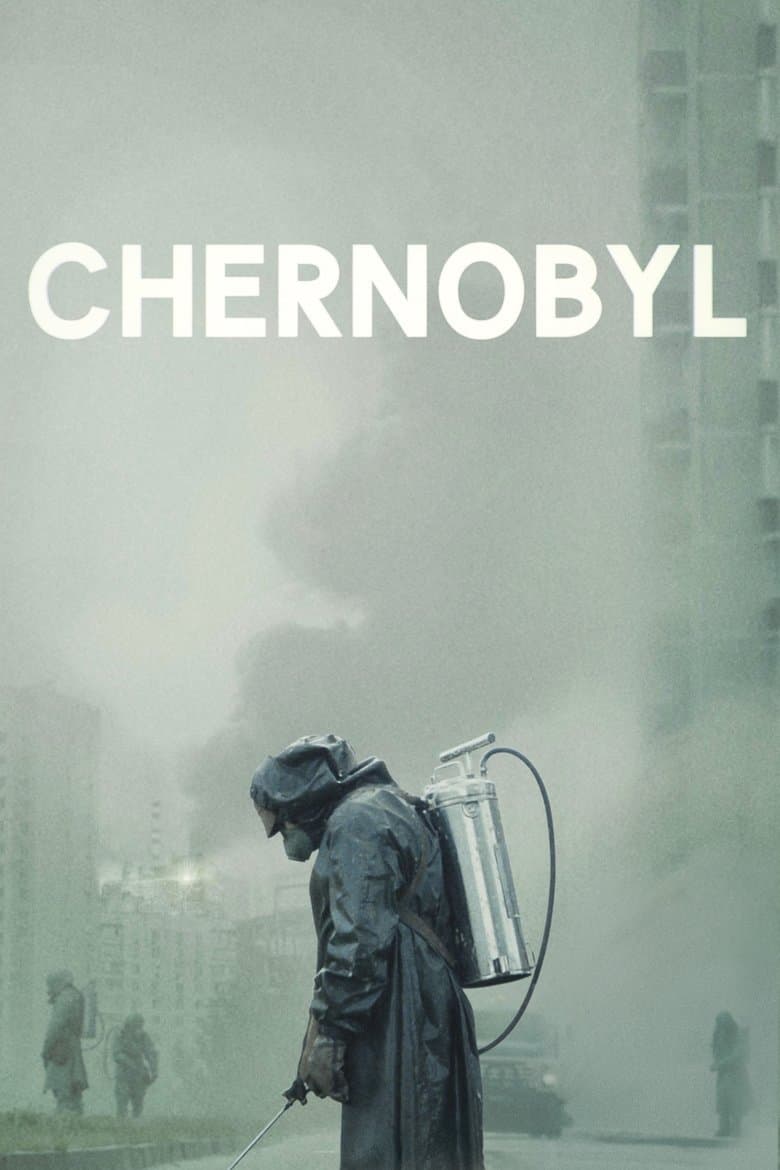
TV Show · 2019
The true story of one of the worst man-made catastrophes in history: the catastrophic nuclear accident at Chernobyl.
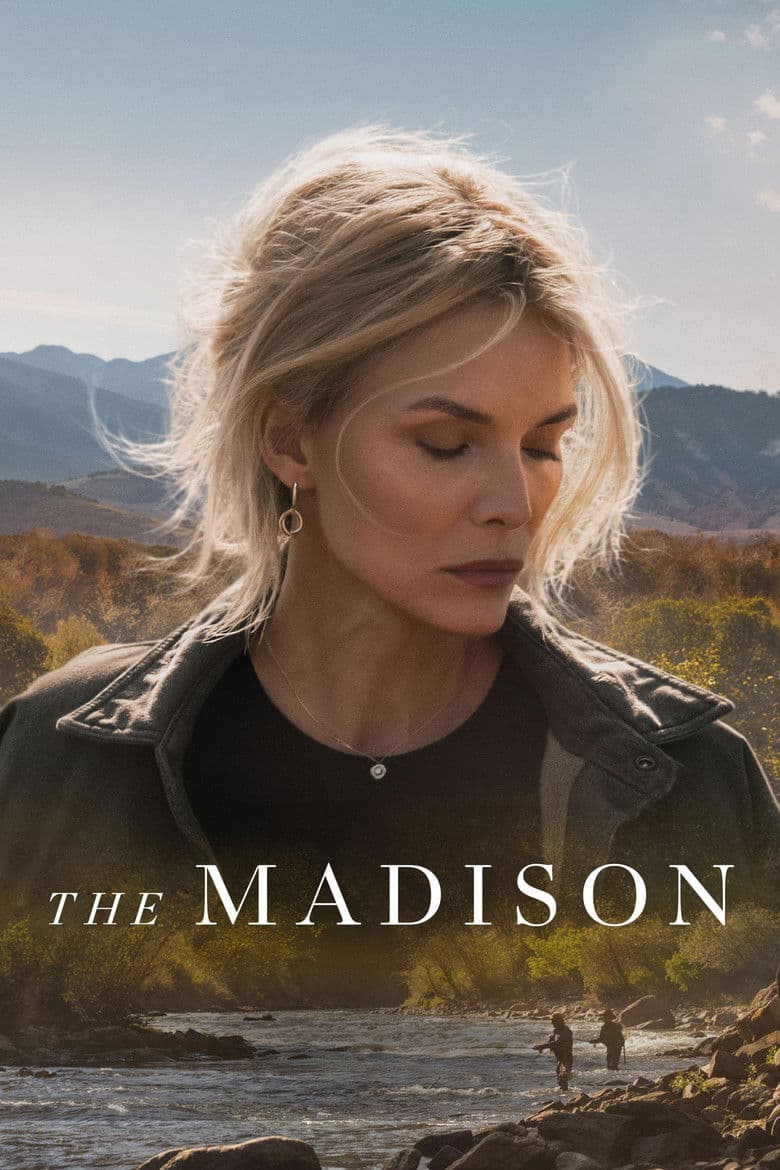
TV Show · 2026
The Clyburns uproot their comfortable New York City lives to the wild, untamed beauty of Montana's Madison River Valley on a search for connection.
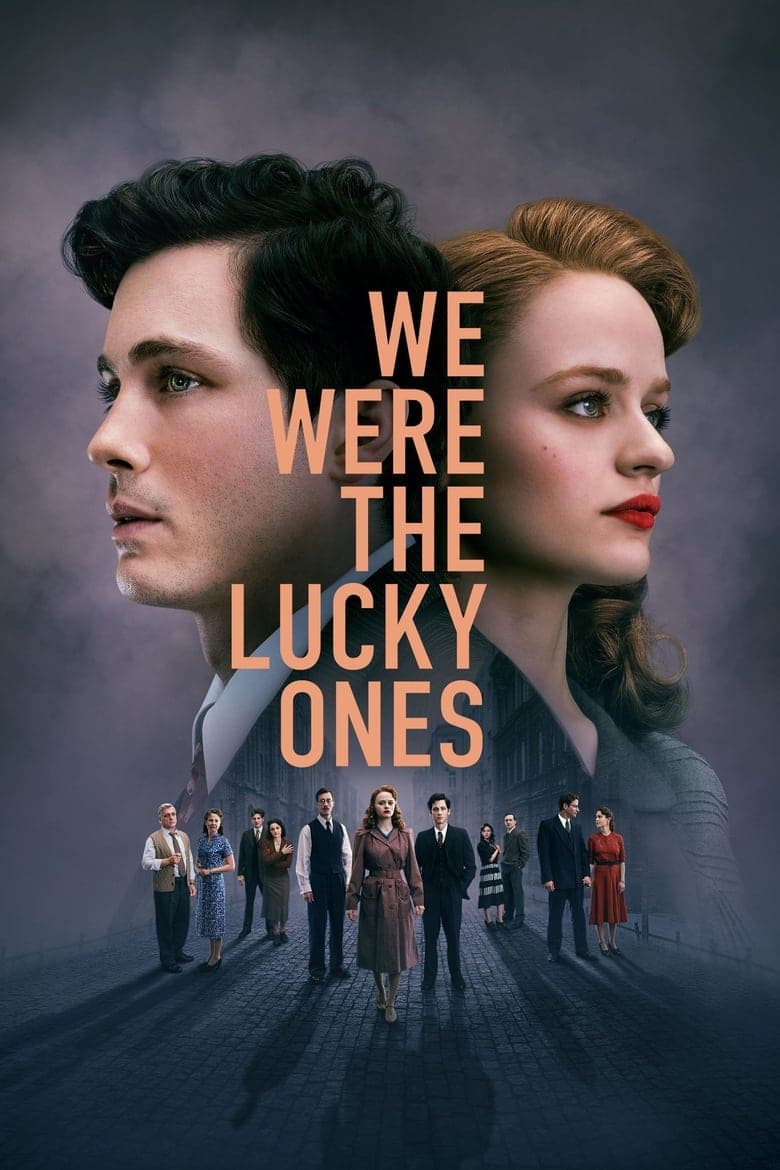
TV Show · 2024
The true story of one Jewish family separated at the start of World War II, determined to survive—and to reunite.
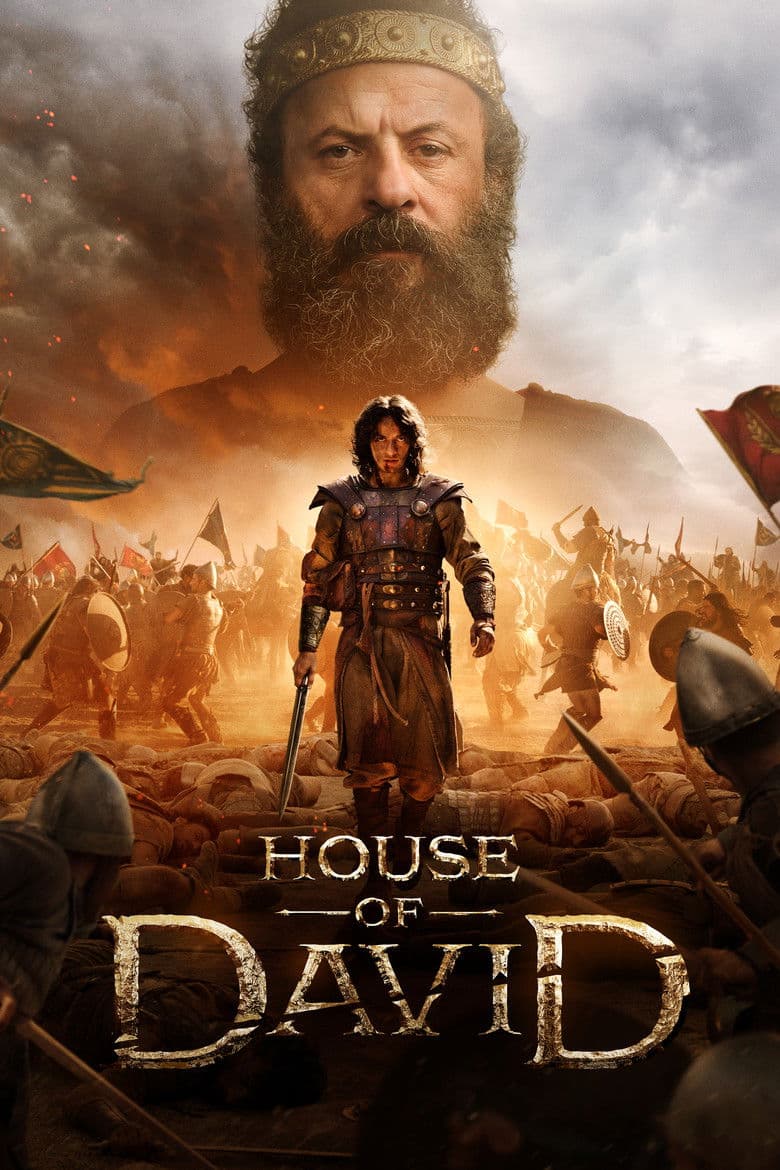
TV Show · 2025
Tells the story of the ascent of the biblical figure, David, who becomes the most celebrated king of Israel. The series follows the once-mighty King Saul as he falls victim to his…
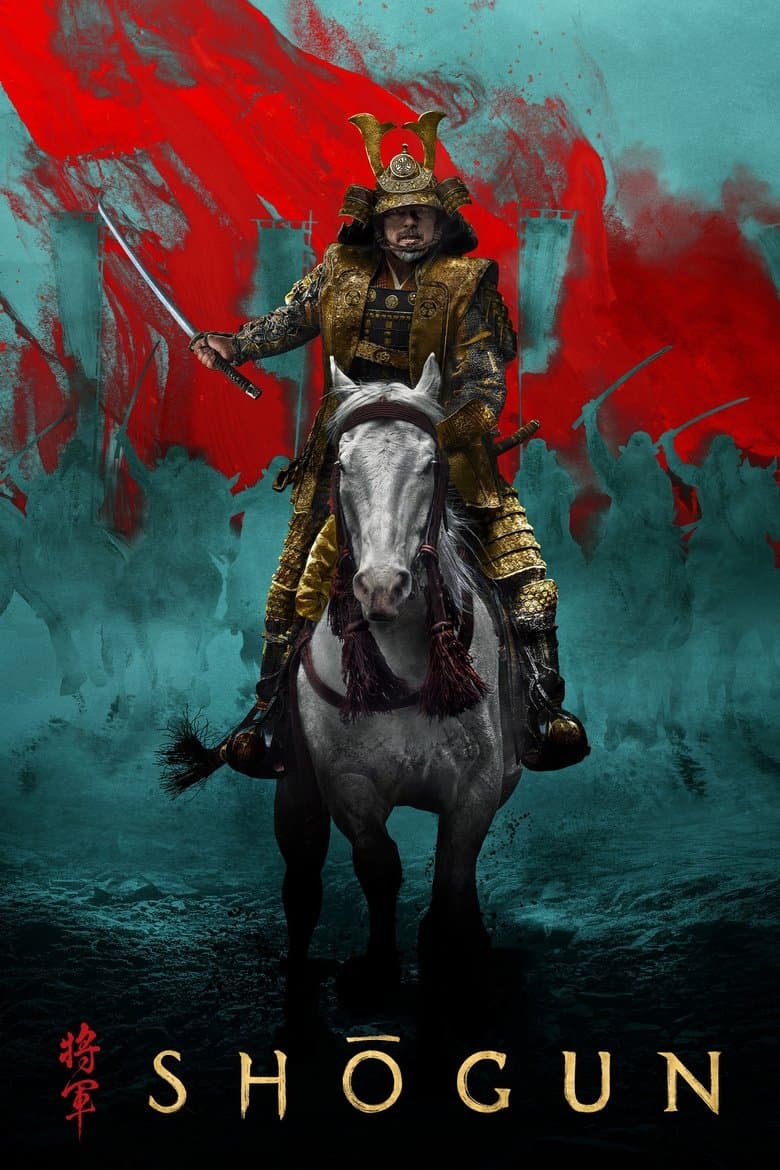
TV Show · 2024
In Japan in the year 1600, at the dawn of a century-defining civil war, Lord Yoshii Toranaga is fighting for his life as his enemies on the Council of Regents unite against him…
