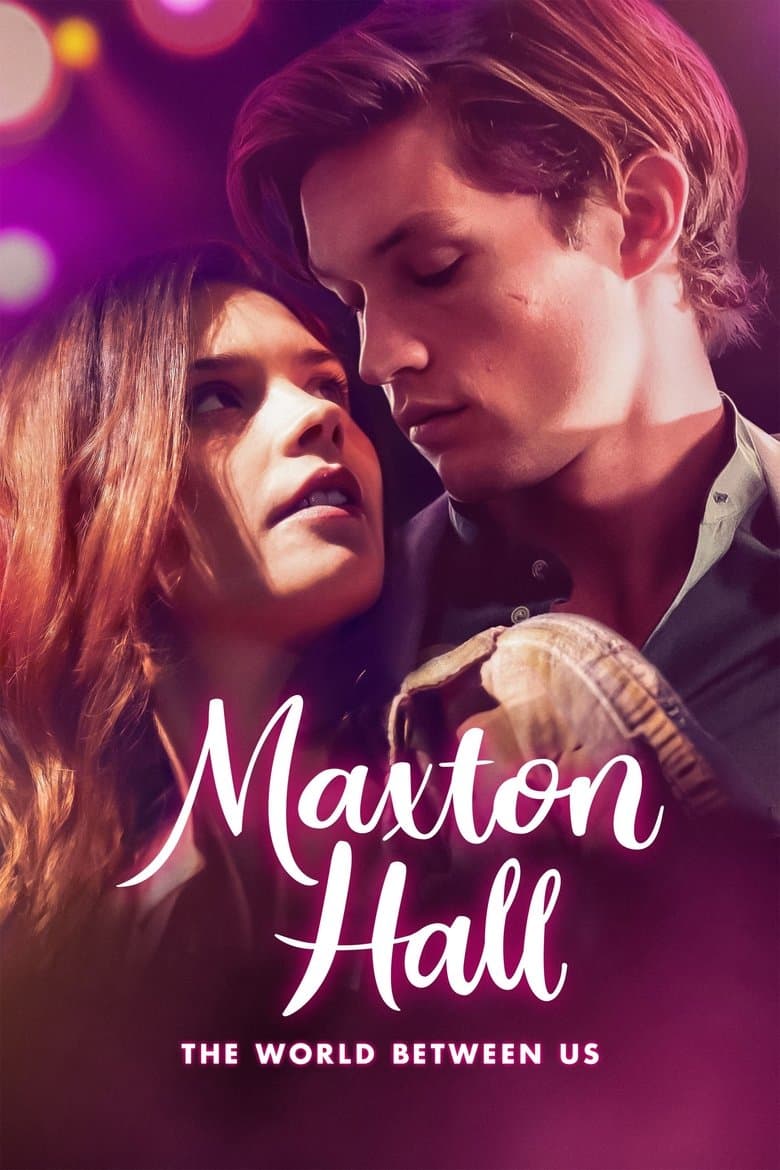
Started May 9, 2024 · Returning Series · Based on 2 seasons, 12 episodes through November 28, 2025 · TV-MA · German
Ruby Bell is a smart scholarship student at the rich Maxton Hall school in England. She hopes to study at Oxford, but her quiet plan breaks when she sees Lydia Beaufort with a teacher. Lydia’s twin brother James is a rich, proud student who tries to silence Ruby before falling for her. The show uses romance, family pressure, grief, and many dramatic twists in a glossy and emotional style.
The story repeatedly contrasts Ruby’s hard work with the Beaufort family’s money and power. It also presents James’s father as a cruel man who treats feelings as weakness, while James learns to ask for therapy and speak openly about grief and mental health. Ruby is often the more focused and capable partner, and one episode uses the phrase toxic masculinity while the plot rejects James’s father’s view of manhood. The show includes an openly gay student named Alistair, but queer life is a smaller side part rather than the main story.
Community feedback
Was our 48% Woke rating accurate?
Breakdown
These are the editorial factors and ratings behind our score for Maxton Hall – The World Between Us.
Woke representation / casting
The show uses a visibly mixed student group that includes Lin Wang, Cyril Vega, Keshav Patel, and openly gay Alistair. The lead pair are white German actors in a British school story, but the series gives no diversity-first casting message. Ruby’s academic lead and Lydia’s family role come from the plot rather than a stated identity goal.
16%
Woke political dialogue
The show uses the phrase “toxic masculinity” in Season 1 during a joke about dating and male behavior. Season 2 gives James a public speech about grief, therapy, asking for help, and the harm caused by hiding feelings. The speech rejects his father’s claim that emotion is weakness. Most dialogue still centers on romance, school, family, and money.
38%
Identity-driven story themes
Ruby’s story repeatedly presents a determined young woman who protects her Oxford goal, runs major school events, and sets limits in her relationship. James’s arc repeatedly says that a man must reject emotional silence, attend therapy, and ask for help. The show also includes Alistair as an openly gay student with a small romance subplot. These ideas matter across both seasons, but the main engine remains a glossy straight romance.
44%
Western institutional / cultural critique
Mortimer Beaufort repeatedly treats emotion as weakness and uses money, school influence, jobs, and scholarships to control his children and Ruby. The show presents his family order and male power as harmful, especially when James rejects that model through therapy and a public speech. Season 1 also uses the phrase “toxic masculinity” while mocking pressure on men to act tough. The criticism targets one rich family and its class power, not Christianity or Western society as a whole.
46%
Woke character or canon changes
Not present in this title.
0%
Anti-woke backlash and complaints
A few fringe Reddit comments objected to the show’s use of “toxic masculinity” and to James being told to change his view of manhood. Those comments treated the language as modern political messaging. They were scattered and had little reach compared with the large fan reaction. No major anti-woke campaign, review bombing, or news controversy was found.
8%
Creator track record context
Juliana Lima Dehne and Ceylan Yildirim have cached mid-level scores, and their profiles stress underrepresented characters, cultural views, challenging stereotypes, and access. Mona Kasten, Martin Schreier, Markus Brunnemann, Valentin Debler, and Nina Haun have cached scores of 0 and no clear activist or DEI persona. The writers’ context supports the show’s social barriers and representation themes, but the record does not show a dominant activist agenda.
28%
Production
TV Show · 2026
Rip Wheeler and Beth Dutton gamble everything on a new life in South Texas, but the promise of building a future far from the ghosts of Yellowstone quickly collides with brutal…
TV Show · 2026
As the Kargil War erupts between India and Pakistan, the Golden Arrows squadron of the Air Force takes flight on a dangerous mission behind enemy lines.
TV Show · 2023
The story of Bass Reeves, the legendary lawman of the wild West, is brought to life. Reeves worked in the post-Reconstruction era as a federal peace officer in the Indian…
TV Show · 2025
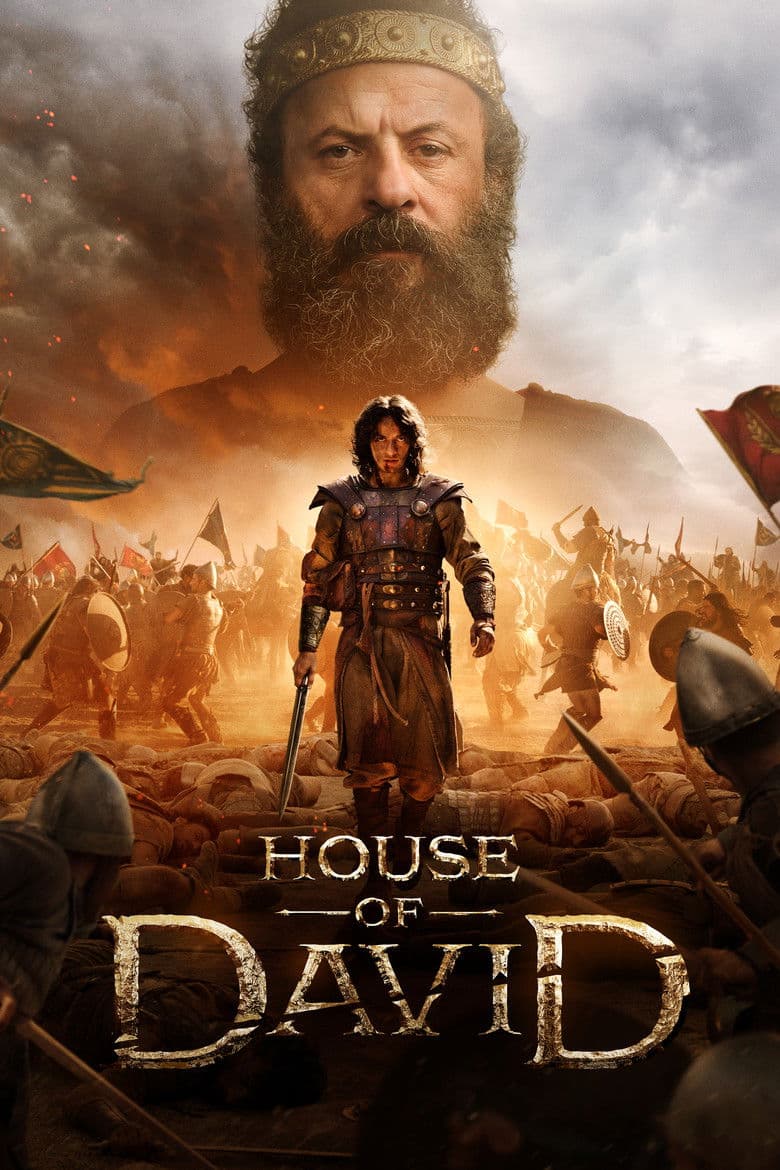
Tells the story of the ascent of the biblical figure, David, who becomes the most celebrated king of Israel. The series follows the once-mighty King Saul as he falls victim to his…
TV Show · 2021
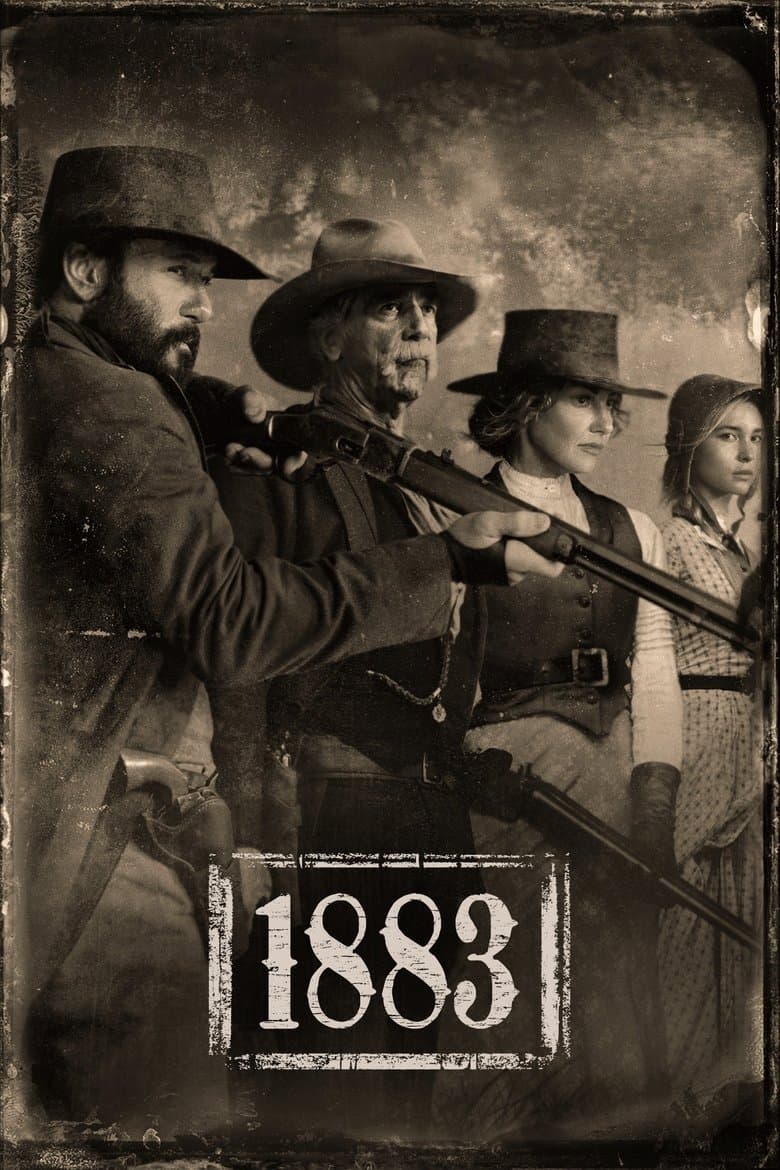
Follow the Dutton family as they embark on a journey west through the Great Plains toward the last bastion of untamed America.

TV Show · 2024
Fascinated by cars since childhood, Brazilian racer Ayrton Senna became a sports legend — until tragedy struck, changing Formula 1 forever.
TV Show · 2025
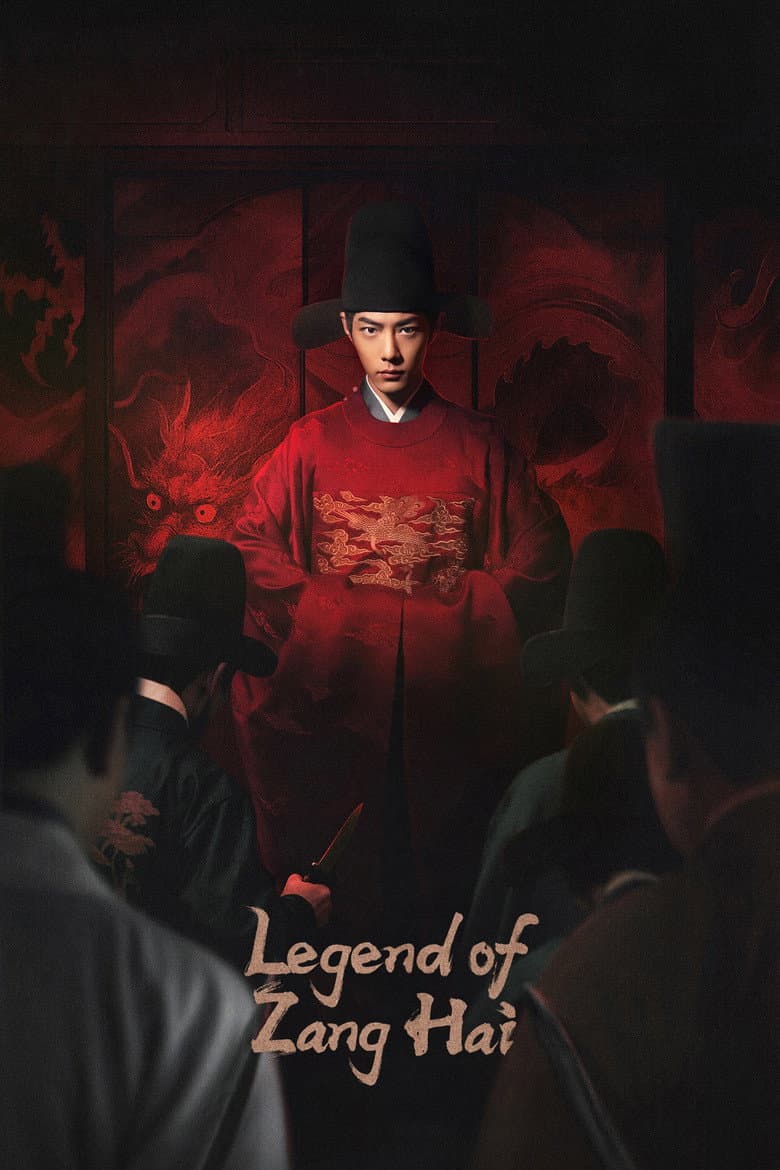
"Legend of Zang Hai" follows the son of Imperial Astronomer Kuai Duo. Consumed by vengeance, he spends a decade honing his skills.
TV Show · 2026
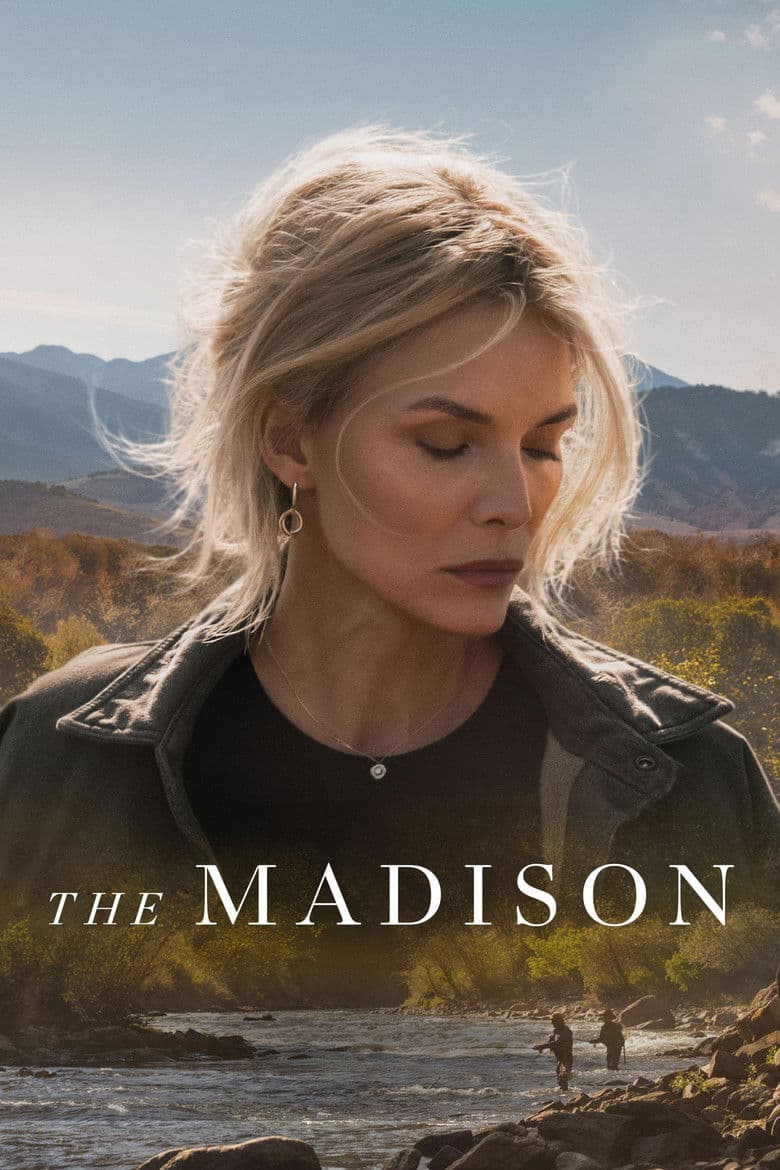
The Clyburns uproot their comfortable New York City lives to the wild, untamed beauty of Montana's Madison River Valley on a search for connection.
