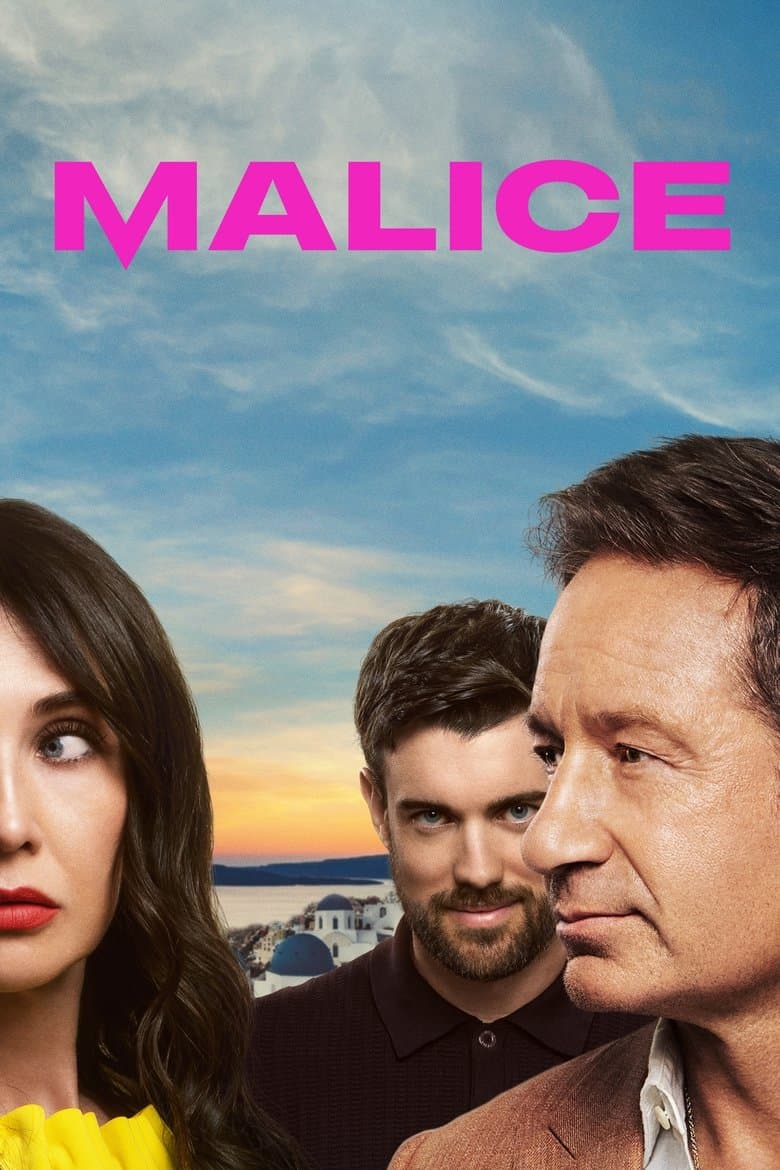
Started November 14, 2025 · Ended · Based on 1 season, 6 episodes through November 14, 2025 · TV-MA
Malice follows Adam Healey, a charming tutor who joins a rich family during a holiday in Greece. He wins over the children and Nat Tanner, but he secretly wants to destroy Nat’s husband, Jamie. The story moves between a bright Greek island and a darker London home as Adam poisons, lies, and sets traps. The tone mixes glossy family drama with a cold, violent revenge thriller. Adam blames Jamie for the collapse of his father’s luggage business and for the family tragedy that followed, so the main conflict centers on money, power, and revenge. The show presents Jamie as a wealthy venture capitalist who treats people and businesses as deals, while Adam turns that anger into murder and deceit. Nat’s unhappy marriage and lost creative life add a small gender-role thread, and a few jokes mention cancel culture, gay men, imperialism, and capitalism. A black woman and a South Asian man have major supporting roles as a married couple, while the main moral question asks whether Adam is punishing a powerful man or using an old tragedy to excuse his own cruelty.
Community feedback
Was our 31% Woke rating accurate?
Breakdown
These are the editorial factors and ratings behind our score for Malice.
Woke representation / casting
The central adult group includes Jules, played by a black actor, and Damien, played by a South Asian actor, as a married couple and close friends. Their interracial marriage is visible in the main story. The modern London setting makes the casting plausible, and the show does not frame it as a diversity campaign.
18%
Woke political dialogue
The episode 1 myth talk says Zeus would be cancelled by today’s standards after a sexual assault story. The same talk calls Lawrence of Arabia a film that celebrates an imperialist. The finale has Jamie mock Adam’s revenge as an anti-capitalist lesson for children. These lines are brief and sarcastic, and they do not drive the plot.
24%
Identity-driven story themes
The marriage plot shows Nat looking back at her fashion work and feeling unseen by Jamie. The story gives her a key role when she doubts Adam and takes the children away from him. The show treats this as a personal family problem, not as a broad gender campaign.
17%
Western institutional / cultural critique
Malice repeatedly puts Jamie’s wealth and venture-capital power at the center of the conflict. Jamie pressures a restaurant owner to cut staff, and Adam says Jamie’s old investment decision destroyed a family luggage business. The show presents Jamie as entitled and protected by money while Adam turns that anger into murder. The story keeps the issue personal instead of making a broad attack on capitalism, religion, or Western institutions.
30%
Woke character or canon changes
Not relevant. Malice is an original series, not an adaptation of a known story. It uses Greek myths as background but does not change a known character, real person, or historical event.
0%
Anti-woke backlash and complaints
Not present. The separate X review found no anti-woke complaints. Early viewer discussion focused on plot holes, pacing, acting, animal deaths, and the ending rather than woke or DEI messaging.
0%
Creator track record context
James Wood, Mike Barker, Leonora Lonsdale, and Amy Hubbard have no strong public activist record in the stored summaries. Georgina Lowe’s work includes queer period dramas and socially focused films. Tim Hincks has publicly supported wider access and class diversity in television. Imogen Cooper has produced a show about a three-person relationship. These are moderate background signals, but they do not show that Malice was made as an activist project.
29%
Production

TV Show · 2026
Ben Reilly, an aging and down on his luck private investigator in 1930s New York, is forced to grapple with his past life as the city's one and only superhero.
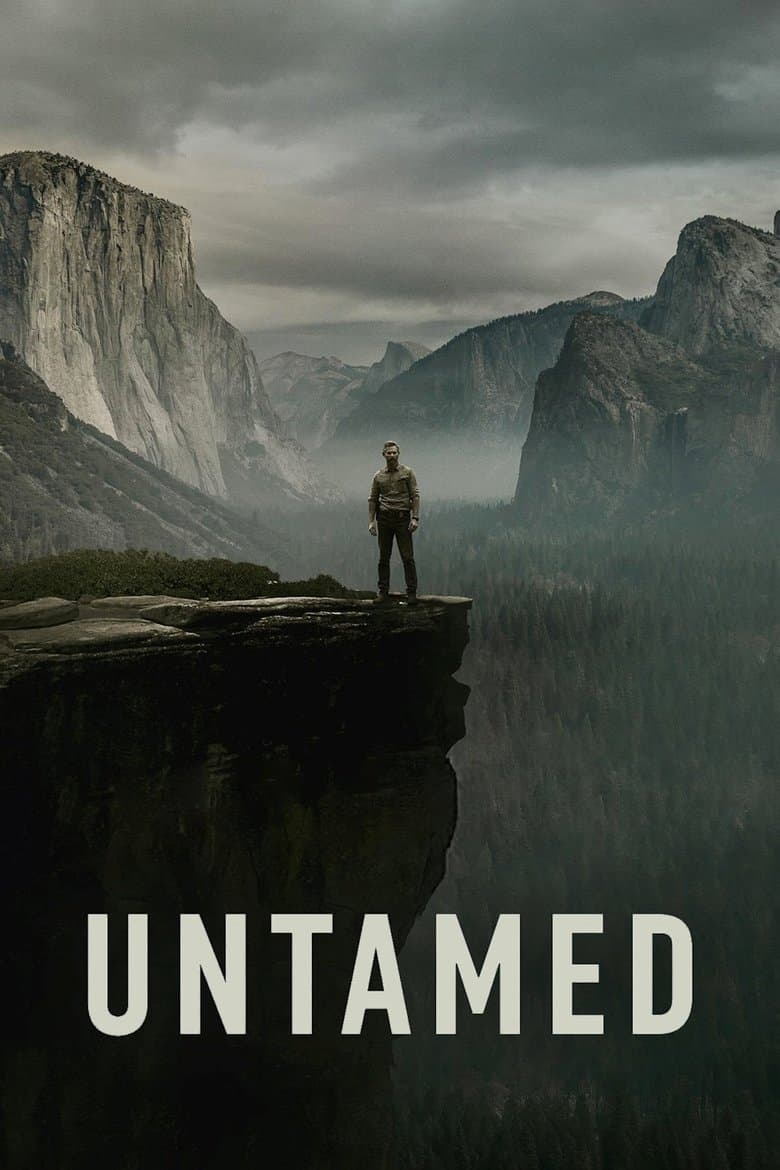
TV Show · 2025
In the vast expanse of Yosemite National Park, a woman's death draws a federal agent into lawless terrain — where nature obeys no rules but its own.

TV Show · 2026
The mayor of a New England town resolves to turn it into the next tourist hot spot, despite local warnings that it's cursed.
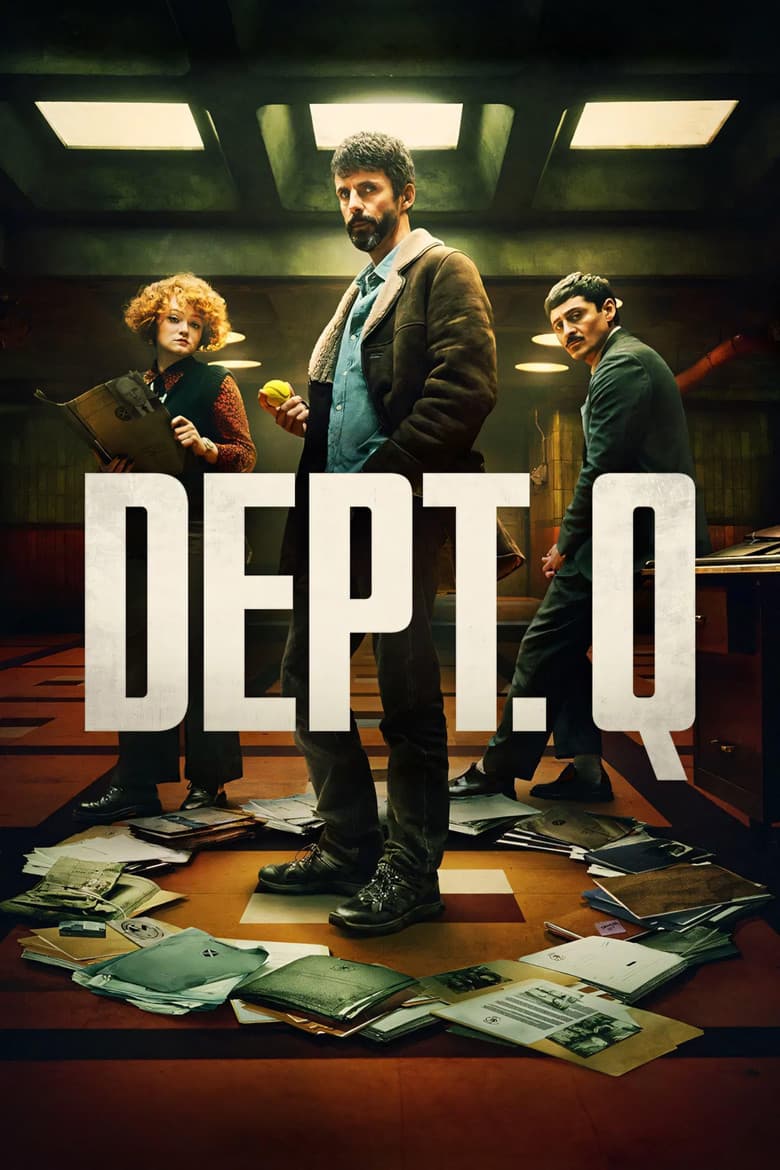
TV Show · 2025
A brash but brilliant cop becomes head of a new police department, where he leads an unlikely team of misfits in solving Edinburgh's cold cases.
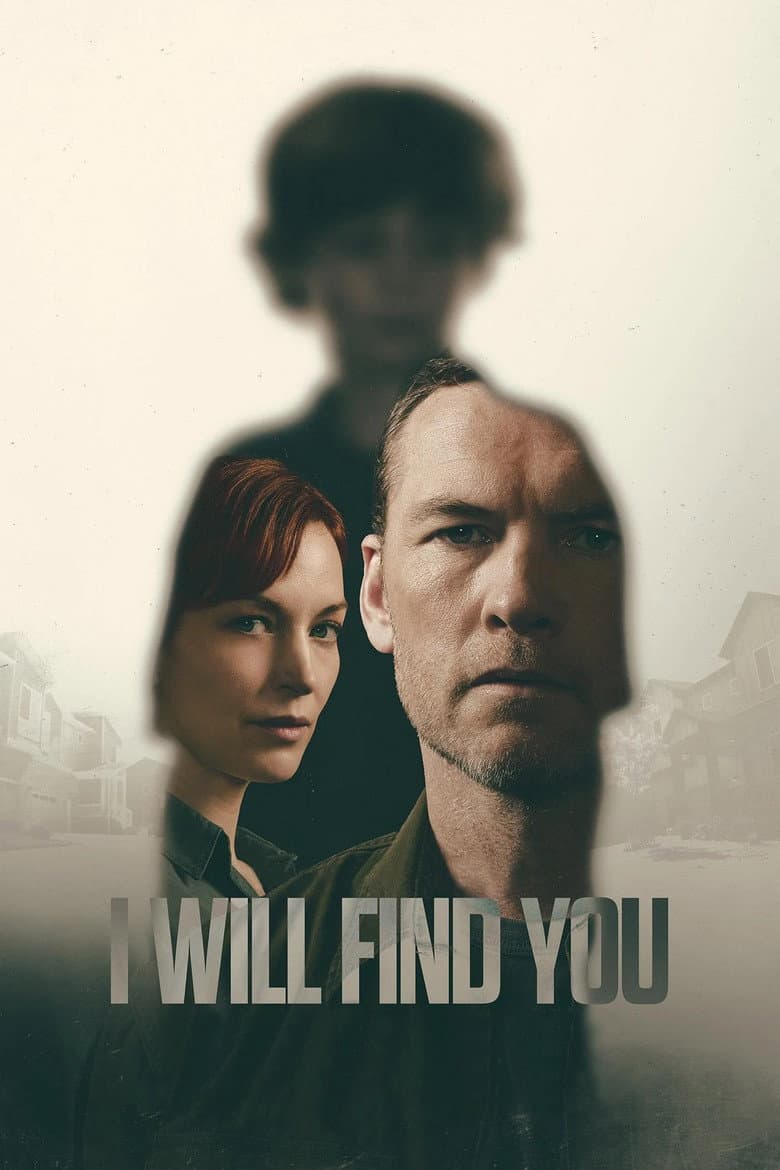
TV Show · 2026
Wrongfully imprisoned for murdering his own son, a father sets out on a desperate rescue mission after learning the boy may still be alive.
TV Show · 2022
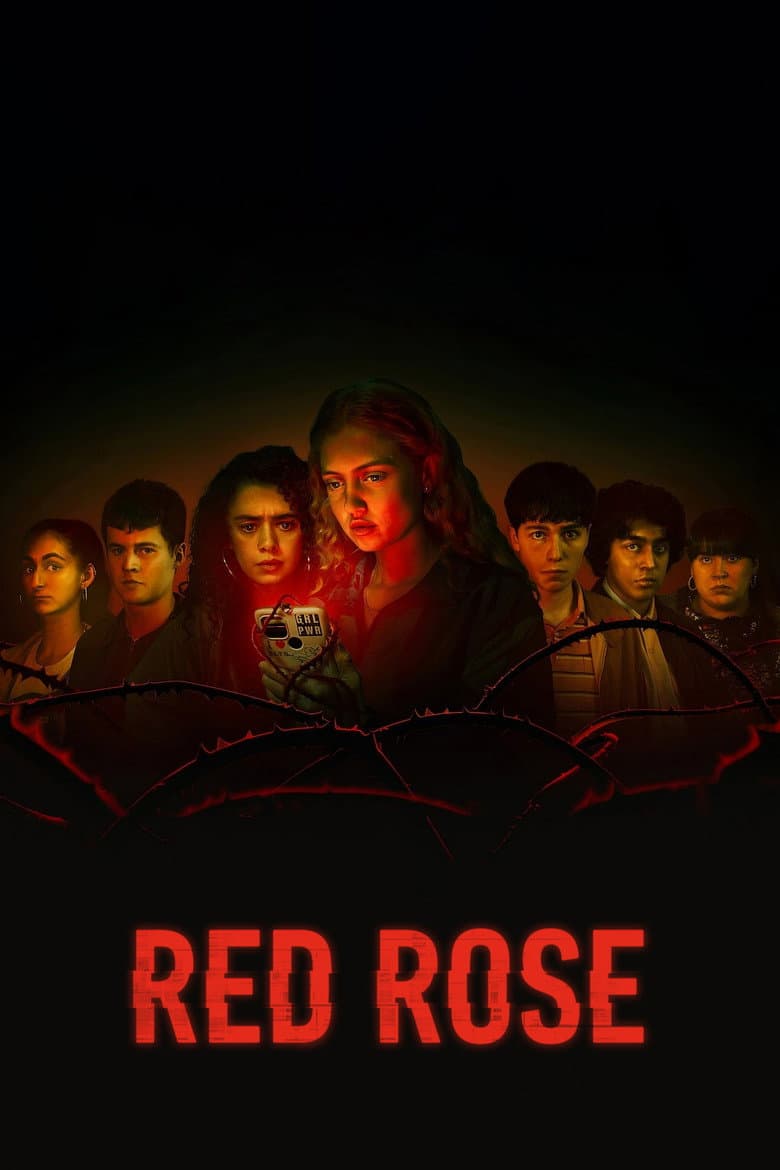
When one of a group of friends downloads the mysterious Red Rose app, plans change. What starts innocently as a game of admiration rapidly descends into something much darker.
TV Show · 2020
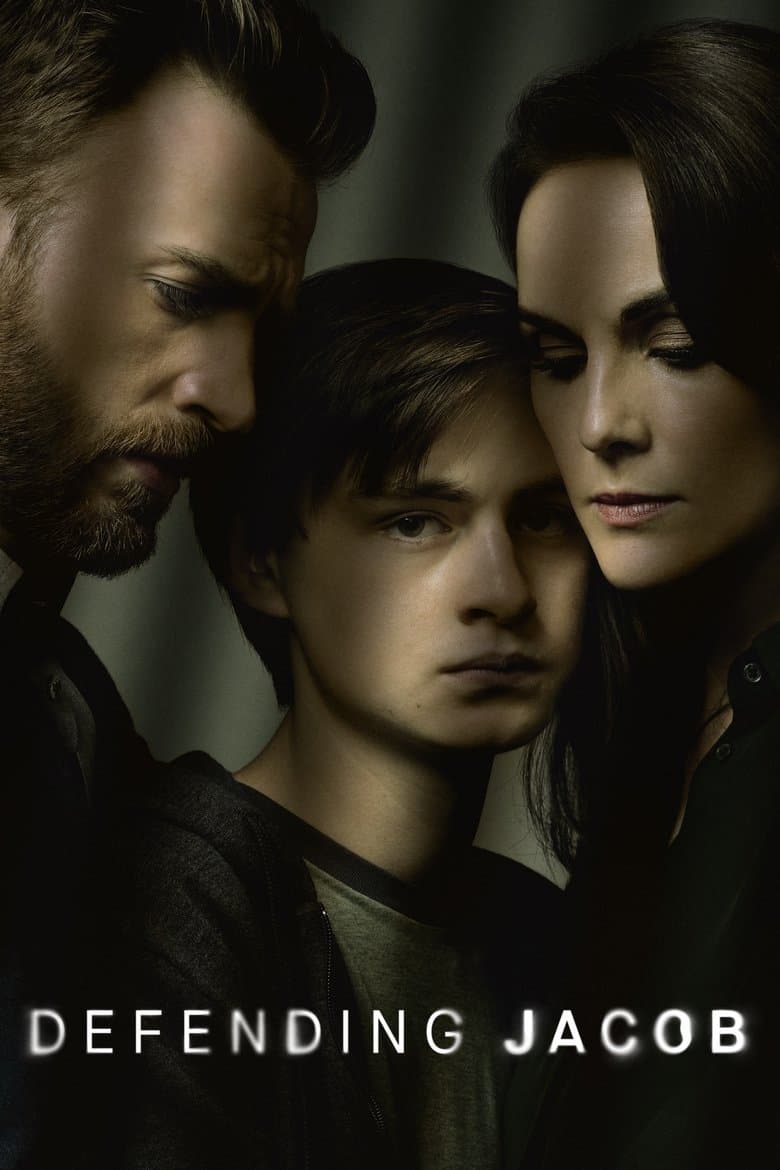
A family's lives are irreparably disrupted when the 14-year-old son is accused of murdering a fellow classmate.
TV Show · 2019
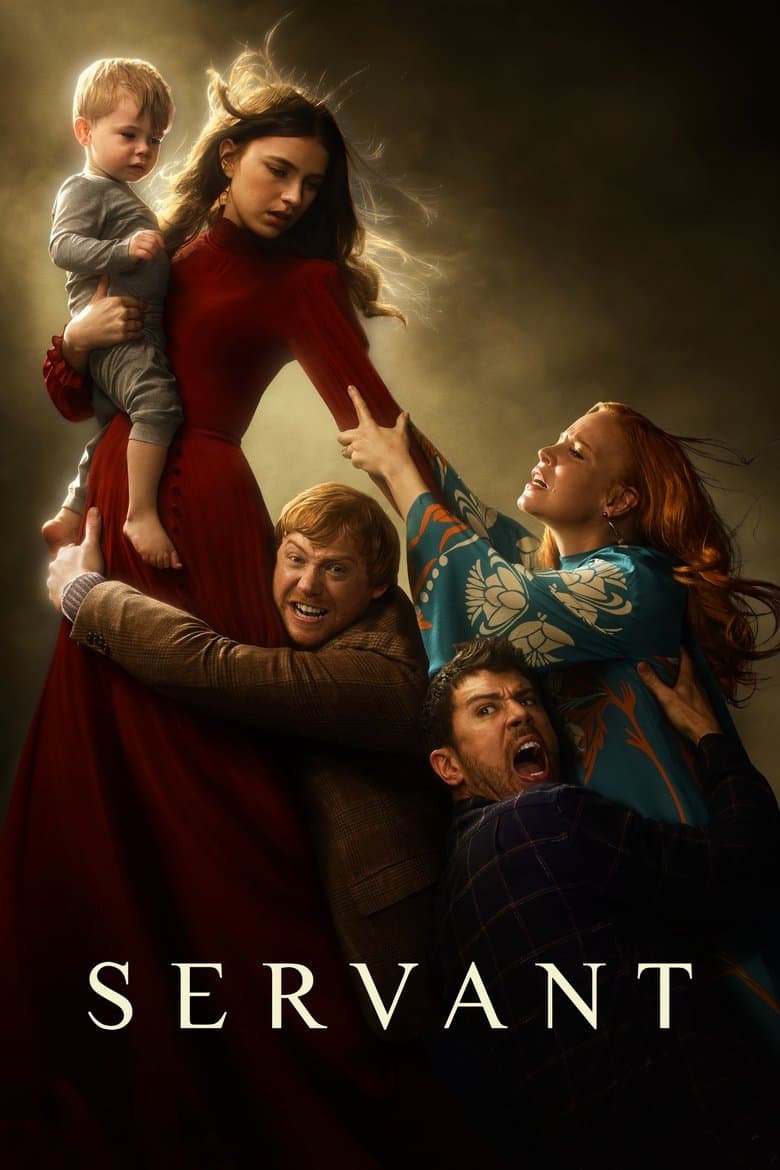
A Philadelphia couple are in mourning after an unspeakable tragedy creates a rift in their marriage and opens the door for a mysterious force to enter their home.
