
Started April 1, 2021 · Canceled · Based on 2 seasons, 16 episodes through May 19, 2022 · TV-MA · 30 min
After about ten years inside tech billionaire Byron Gogol’s virtual reality compound called the Hub, Hazel Green flees. She learns he planted a Made for Love brain chip that streams her location, vision, and feelings. She stays with her estranged father Herbert and his synthetic partner Diane. She fights for divorce, privacy, and control of her own life. Season two widens the power fight inside the Hub, brings in Jasper’s bond with the dolphin Zelda, and keeps the satire of a marriage built on constant watching.
The show treats her escape from a controlling husband as both domestic abuse and a tech nightmare. It frames the story through a female lens, with the chip standing for male control and trauma. Female agency and recovery drive both seasons. Viewers also see a mixed cast, including a brilliant black woman scientist who invents the chip, plus mockery of tech oligarchs and of marriage as a trap. Queer romance is not the engine of the plot, and race is not the main theme. Consent, privacy, and who gets to watch whom stay at the center more than slogan politics.
Community feedback
Was our 54% Woke rating accurate?
Breakdown
These are the editorial factors and ratings behind our score for Made for Love.
Woke representation / casting
The modern U.S. tech and desert setting supports a mixed cast, so plain diversity is not extreme. The clear standout pattern is the brilliant black female scientist. Dr. Fiffany Hodeck invents the chip and is the main scientific voice Byron ignores. Supporting roles add visible racial variety around mostly white leads, and a trans actress plays friend Bangles without a gender-identity story.
34%
Woke political dialogue
Talk focuses on control, consent, privacy, divorce, and tech overreach more than slogan politics. Viewers hear clear lines about coercive control, Byron not getting to be God, and Hazel taking back her body. Occasional feminist framing of who watches whom appears but stays secondary to weird sci-fi comedy.
28%
Identity-driven story themes
The main arc is a woman escaping a husband whose love is total watching, which fits domestic abuse plus tech dread. The show and press raise it into gender politics by selling sci-fi through a female lens and the chip as male control and trauma. Female agency and survivor recovery shape both seasons. Queer romance is not the engine, and race is not the main theme.
52%
Western institutional / cultural critique
The satire of Musk-style tech bosses, paid-for intimacy, and a husband who turns his wife into product User One is hard to miss. Marriage is treated as old tech that can trap people, and male entitlement is how the villain works. The capitalism jab aims at one billionaire’s company more than broad left activism. Faith is not mocked, since Sister Judiff helps Hazel.
48%
Woke character or canon changes
This is an adaptation of Alissa Nutting’s own 2017 novel, not a race or gender swap of outside IP. The series expands Byron’s soft side, moves the Jasper and dolphin plot into season two, and reshapes structure for TV. Those are normal adaptation choices, not identity-driven canon rewrites.
5%
Anti-woke backlash and complaints
No real anti-woke campaign shows up in mainstream coverage, search results, or recent X talk. People focused on tone, originality, Milioti, and later corporate cancellation after the merger. Near-absent for scoring purposes.
3%
Creator track record context
Cached scores only, not re-scored, put Nutting at 35, Somerville at 17, Lee at 16, Bakopoulos at 0, writer Sarah LaBrie at 73, and Milioti as producer at 32. Other writers and directors mostly land in the teens to mid-thirties. The bench is moderate progressive and literary, pulled up by Nutting’s gender focus and LaBrie’s higher score, not a hard activist slate.
31%
Production
TV Show · 2018
Two strangers are drawn to a mysterious pharmaceutical trial that will, they're assured, with no complications or side-effects whatsoever, solve all of their problems…
TV Show · 2016
In a world where superheroes have been real for decades, an accountant with zero powers comes to realize his city is owned by a super villain.
TV Show · 2026
After accidentally creating a new multiverse, comic book store owner Stuart Bloom must locate a quantum-interference device to restore reality.

TV Show · 2016
In his quest for a bride to break his immortal curse, a 939-year-old guardian of souls meets a grim reaper and a sprightly student with a tragic past.
TV Show · 2023
Maggie and Negan travel to post-apocalyptic Manhattan - long ago cut off from the mainland. The crumbling city is filled with the dead and denizens who have made it a world full…
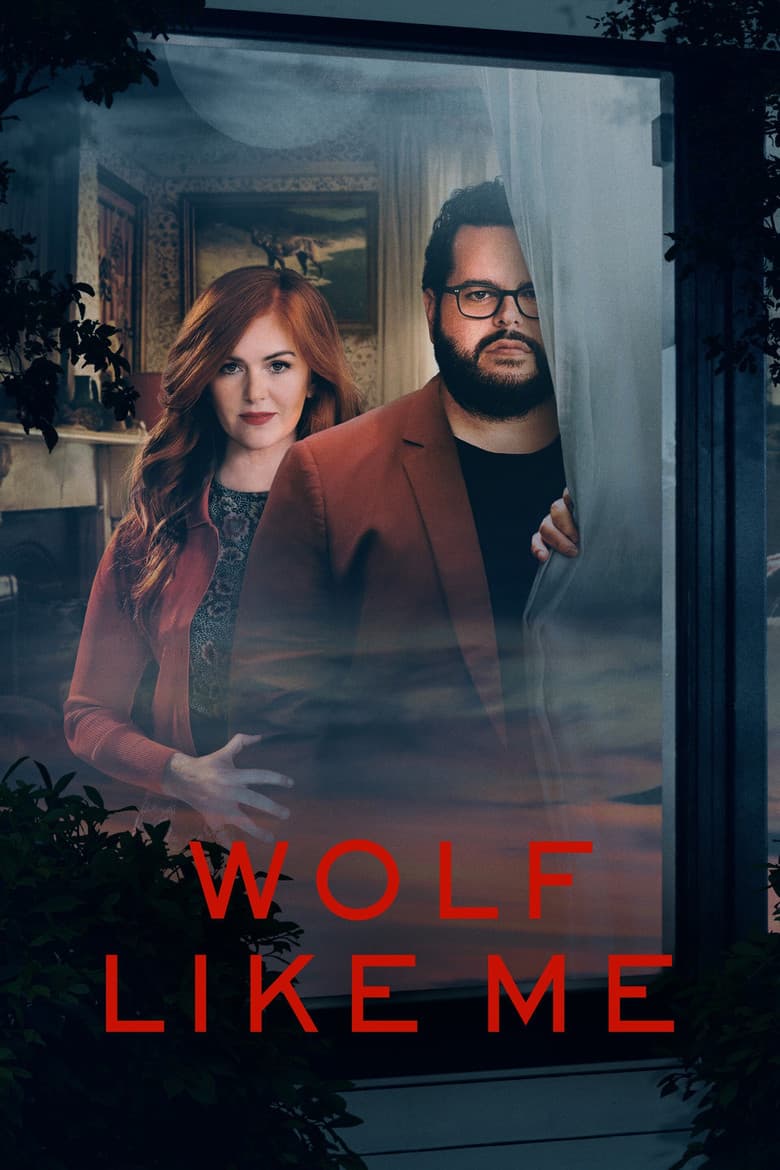
TV Show · 2022
Gary is an emotional wreck and struggles to provide for his daughter since the death of his wife. Mary has a secret she can't bring herself to share with anyone.
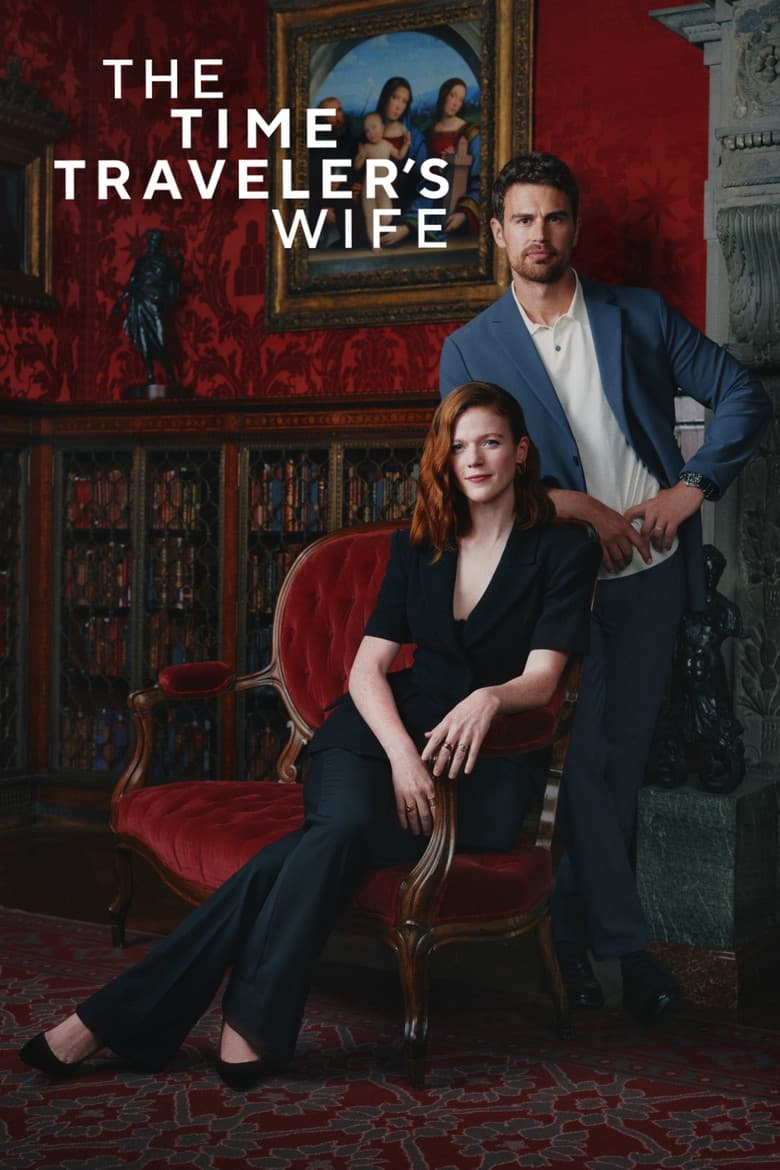
TV Show · 2022
The intricate and magical love story of Clare and Henry, and a marriage with a problem… time travel.
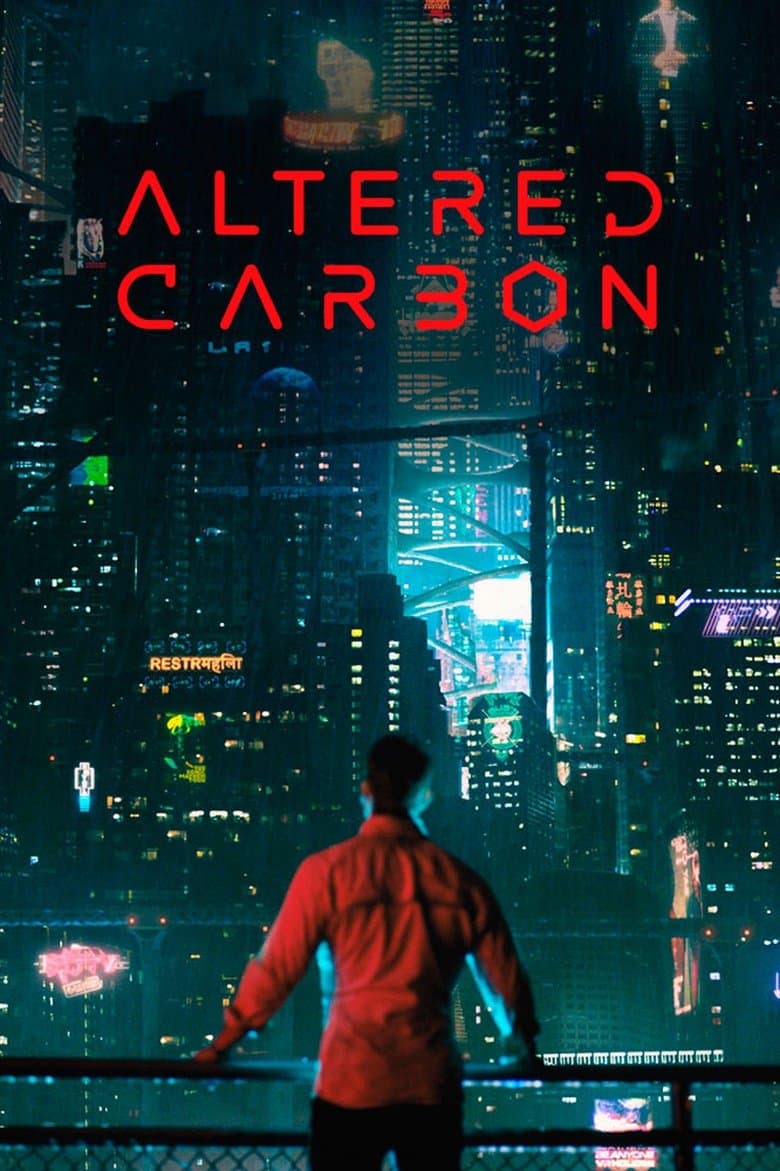
TV Show · 2018
After 250 years on ice, a prisoner returns to life in a new body with one chance to win his freedom: by solving a mind-bending murder.
