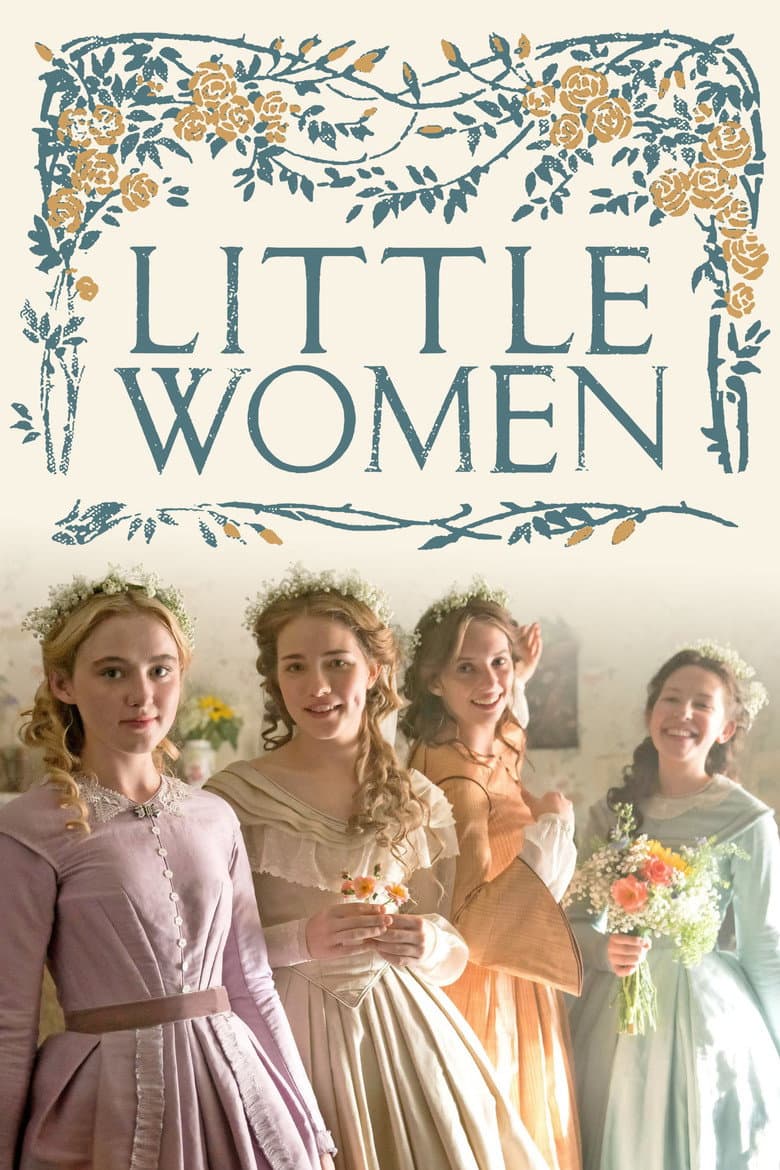
Started December 26, 2017 · Ended · Based on 1 season, 3 episodes through December 28, 2017 · TV-PG · 60 min
In Civil War-era Massachusetts, Jo March grows up with her sisters Meg, Beth and Amy while their father serves with the Union Army. Their mother Marmee keeps the poor but close family going and teaches the girls to care for others. Jo wants a life as a writer, while each sister faces her own hopes for love, work and family. The three-part drama is warm, sad and family-focused as childhood gives way to adult choices.
The show keeps the book’s focus on women living with narrow choices in the 1860s. Jo resists ladylike behavior, wants to earn her own money, and dislikes being pushed toward marriage. Marmee supports her daughters as people with different gifts, while Meg and Amy still choose marriage and Beth’s home life is treated with respect. The show presents these tensions as part of its old setting and ends with family bonds, loss, love and Jo finding a way to write.
Community feedback
Was our 31% Woke rating accurate?
Breakdown
These are the editorial factors and ratings behind our score for Little Women.
Woke representation / casting
Not present. The March family and their nearby social group fit the white New England setting and the source novel. The show does not add an identity-based casting plot.
0%
Woke political dialogue
Not present. The three episodes contain no modern party politics or activist speeches. Jo’s wishes about work and marriage are personal parts of the period story.
0%
Identity-driven story themes
The four sisters make different choices about work, art, marriage, and family. Jo wants to earn money as a writer and rejects some limits placed on women. Marmee supports her daughters’ different goals. The show treats women’s restricted choices as a repeated part of its 1860s story.
32%
Western institutional / cultural critique
The show shows that women have fewer work and life choices than men in its time. Jo pushes against ladylike behavior and pressure to marry. The show also presents Marmee and Mr. March as loving parents who treat each other as equals.
26%
Woke character or canon changes
Not present in this title.
0%
Anti-woke backlash and complaints
Not present. No major anti-woke or left-wing political complaint about this version is documented in mainstream coverage or available audience discussion.
0%
Creator track record context
Heidi Thomas has a cached score of 45 for a steady socially progressive focus in her other work. Louisa May Alcott has a cached score of 29 for her abolition and women’s voting work. Vanessa Caswill has a cached score of 28 for women-centered stories and representation-focused comments. The key creator context supports the show’s female independence themes.
40%
Production
TV Show · 2016
When they were twelve years old, Mark, Pru, Danny and Slade were out together in the park. Mark’s five-year-old brother, Jesse, was annoying them.
TV Show · 2017
The early life of child genius Sheldon Cooper, later seen in The Big Bang Theory.
TV Show · 2019
The life of Christ through the eyes of those who encountered him.
TV Show · 2024
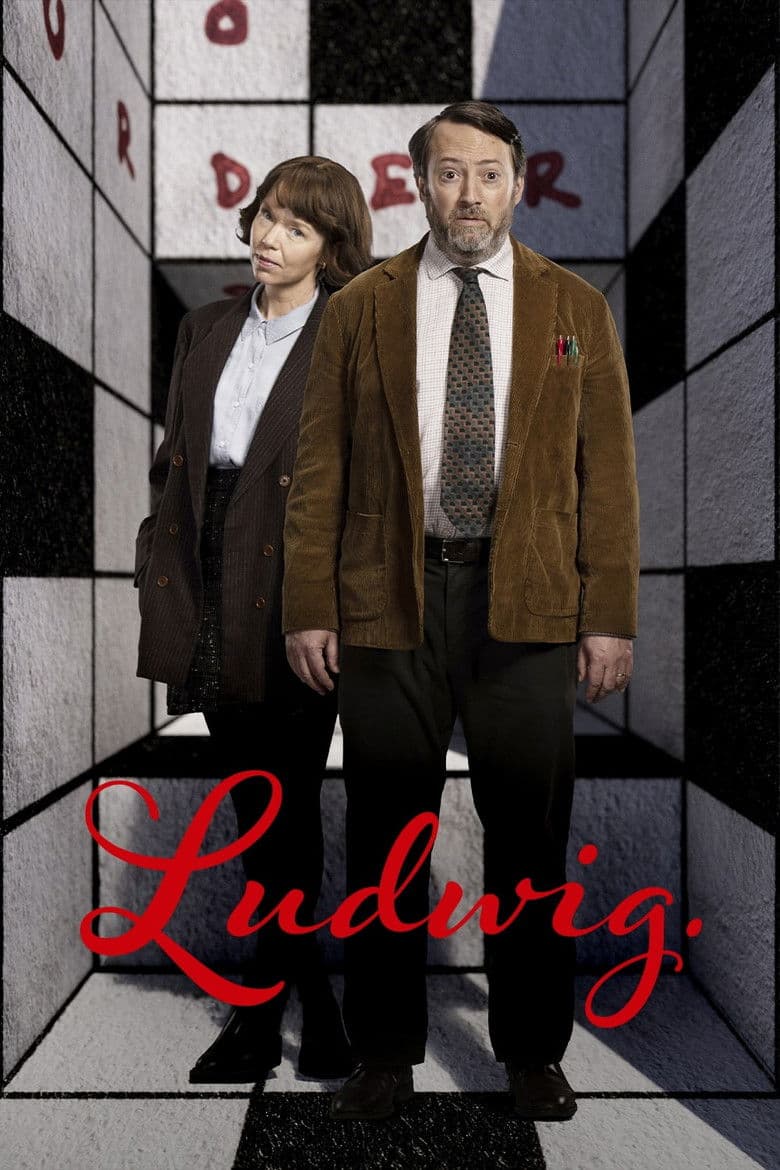
John Taylor lives in quiet solitude, designing puzzles for a living, under the nom-de-plume of 'Ludwig'. When his identical twin, James, disappears off the face of the earth, John…

TV Show · 2025
Two outlaws must navigate the galaxy's dangerous underworld as they chart their destinies.
