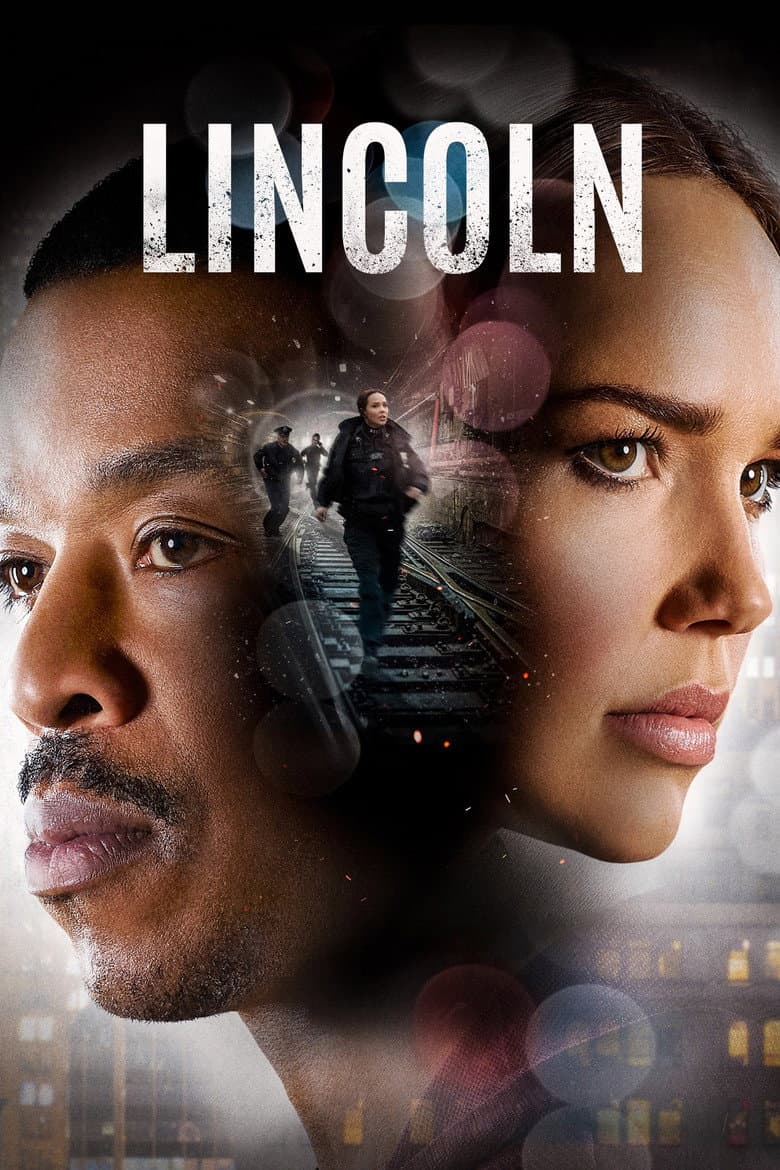
Started January 10, 2020 · Canceled · Based on 1 season, 10 episodes through March 13, 2020 · TV-14 · 45 min
Lincoln Rhyme is a brilliant former New York police detective who becomes paralyzed after a trap set by the Bone Collector. He returns as a civilian adviser when the killer appears to be active again. Rhyme works from a high-tech home base while Amelia Sachs, a young transit officer who wants to become a profiler, carries his camera and follows his clues in the field. The ten-episode season mixes weekly murder cases with a dark, personal hunt for the serial killer.
The clearest woke element is the audience-visible casting of Russell Hornsby as Lincoln, a black lead who plays a character described as white in the source novel. The main team also includes several black and Hispanic characters in police, FBI, care, and family roles. The show gives Amelia a strong professional path and often presents her instincts as equal to Lincoln’s evidence work. These choices make representation and female competence visible, but the cases do not center race, gender politics, queer issues, or activist causes.
Community feedback
Was our 37% Woke rating accurate?
Breakdown
These are the editorial factors and ratings behind our score for Lincoln Rhyme: Hunt for the Bone Collector.
Woke representation / casting
The show gives the lead role to Russell Hornsby, while the source novel describes Lincoln as white. The core team also puts black and Hispanic characters in major police, FBI, care, and family roles. Press coverage links the casting to NBC’s push for black heroes and broader inclusion. Modern New York can support a mixed cast, but the race change and repeated prominent identity choices make representation visible.
40%
Woke political dialogue
Not present. The dialogue centers on crime cases and police work. The season has no repeated activist or current identity-politics speeches.
0%
Identity-driven story themes
The show makes Lincoln’s paralysis a central part of the season and follows his struggle to return to work and rely on others. The show also gives Amelia a repeated rise from transit officer to profiler and presents her instincts as a key match for Lincoln’s evidence work. These identity-based arcs are visible, but the season does not turn them into a wider campaign about race, gender, disability rights, or queer issues.
27%
Western institutional / cultural critique
Not present. The police team is shown as flawed at times but remains a useful force for justice. Wealth, corruption, and family violence appear in individual cases without a repeated modern activist attack on Western institutions or gender roles.
0%
Woke character or canon changes
The source novel describes Lincoln Rhyme as white, while the show makes him a black lead. The series also adds a wife and son for Lincoln and changes Amelia into an aspiring profiler, but those changes mainly build a TV crime drama. Press coverage tied the casting to putting black heroes in leading roles.
25%
Anti-woke backlash and complaints
Not present. No meaningful anti-woke complaints were found. Public reaction focused on writing, acting, confusing plots, and changes from the books. The available X search found no anti-woke reaction or specific complaint.
0%
Creator track record context
Most key creators, writers, directors, and producers have no strong public activist pattern. Jamey Perry is a clear exception because she campaigns for disability representation and has worked on stories with disabled lead characters. That connection fits Lincoln’s central disability, but the wider team has a normal crime TV background. The result is a mild supporting signal.
24%
Production
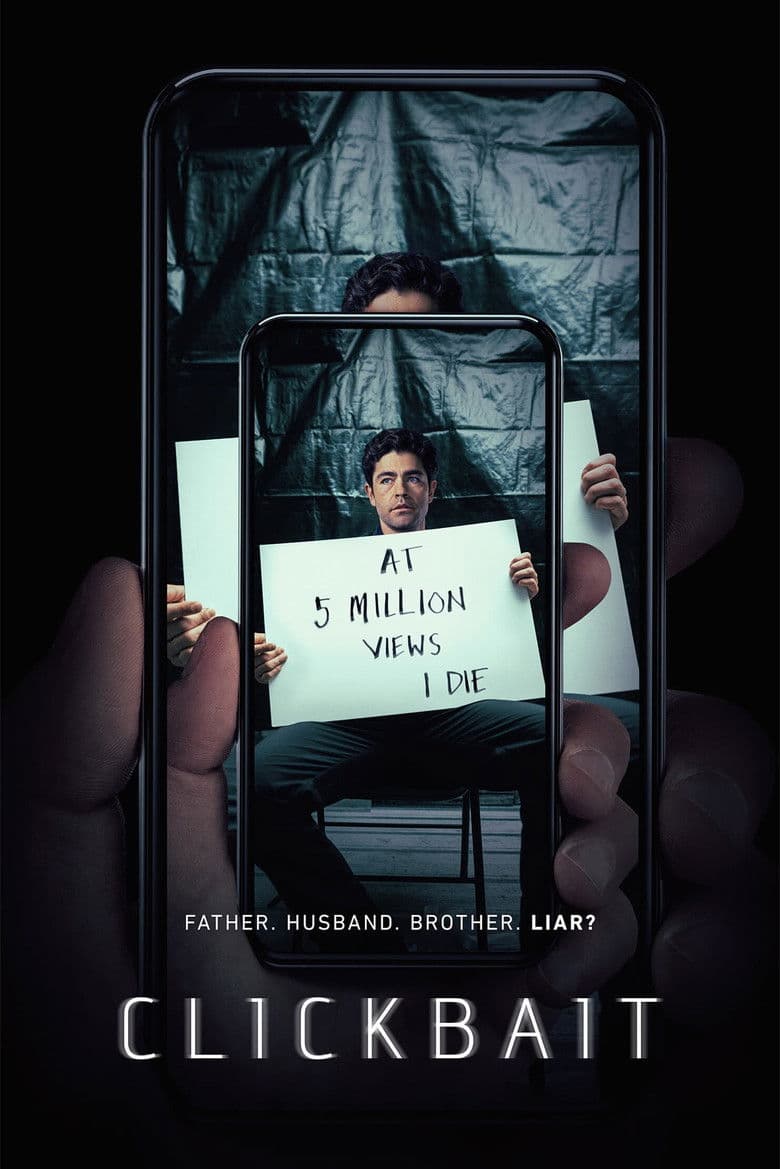
TV Show · 2021
When family man Nick Brewer is abducted in a crime with a sinister online twist, those closest to him race to uncover who is behind it and why.
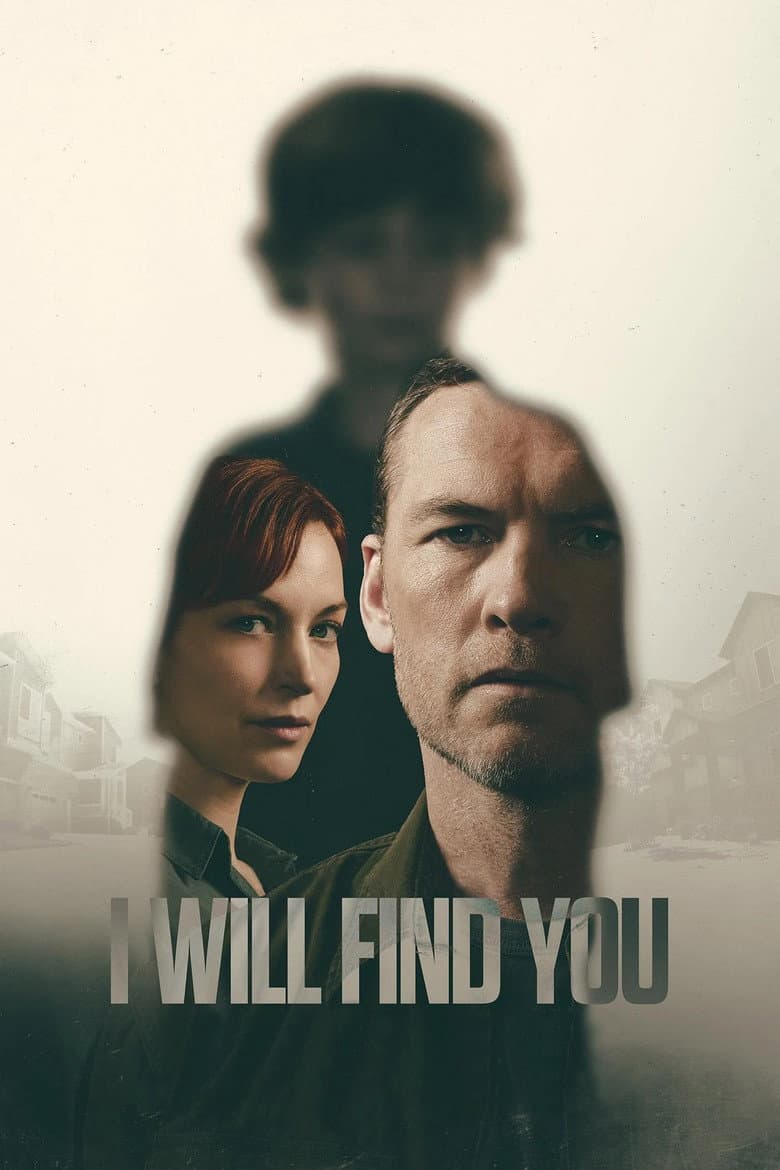
TV Show · 2026
Wrongfully imprisoned for murdering his own son, a father sets out on a desperate rescue mission after learning the boy may still be alive.

TV Show · 2020
Hiding a twisted past, a man maintains his facade as the perfect husband to his detective wife — until she begins investigating a series of murders.
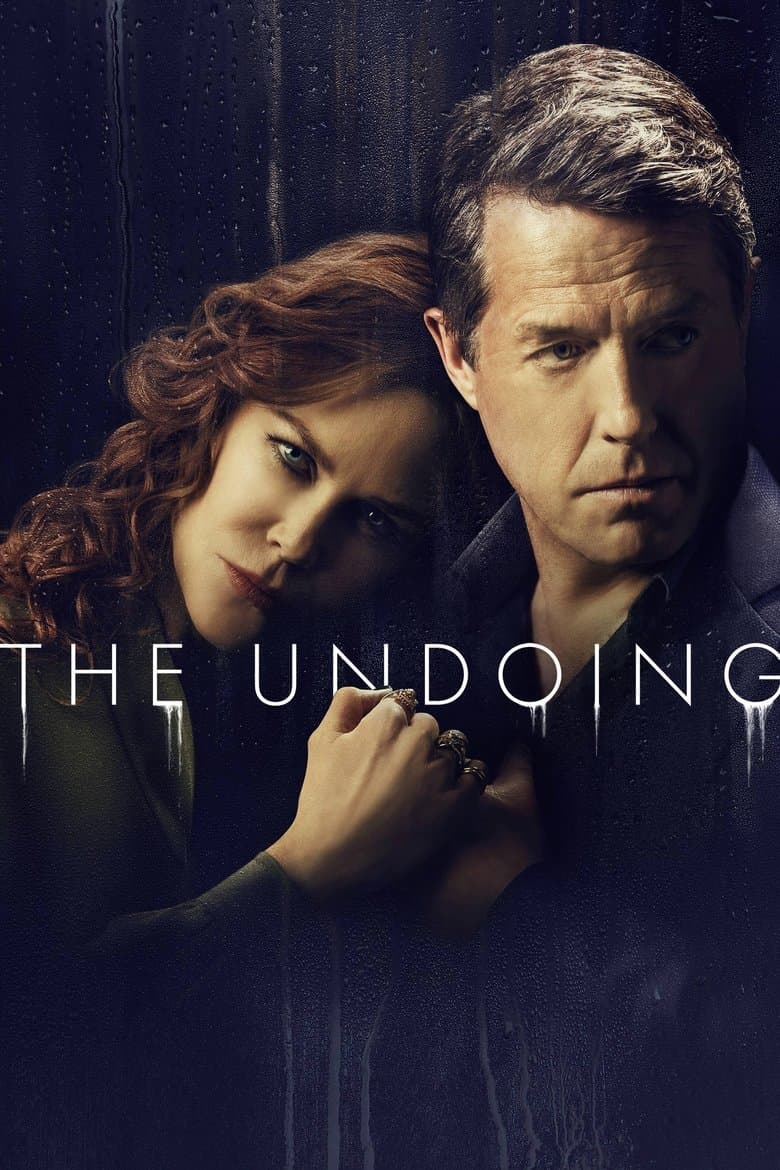
TV Show · 2020
Grace and Jonathan Fraser are living the only lives they ever wanted. Overnight a chasm opens in their lives: a violent death and a chain of terrible revelations.
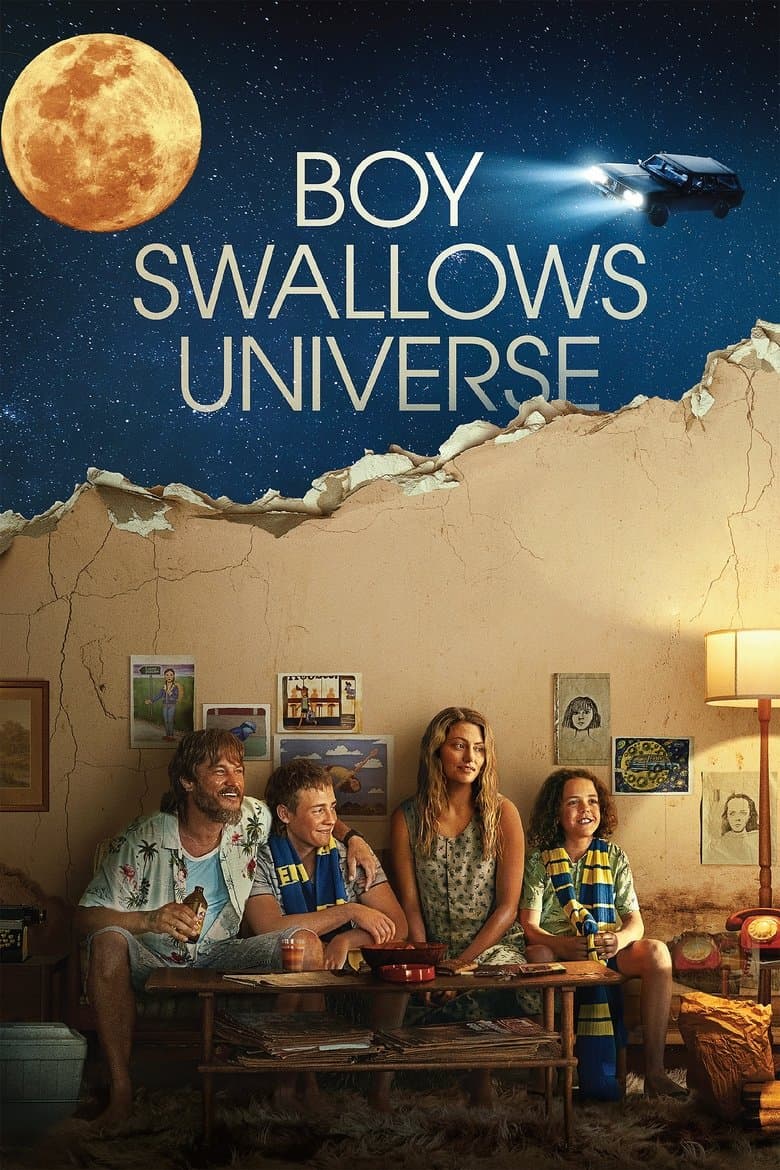
TV Show · 2024
A young boy growing up in the suburbs of 1980s Brisbane faces the harsh realities of life — and the looming dangers that threaten his family.
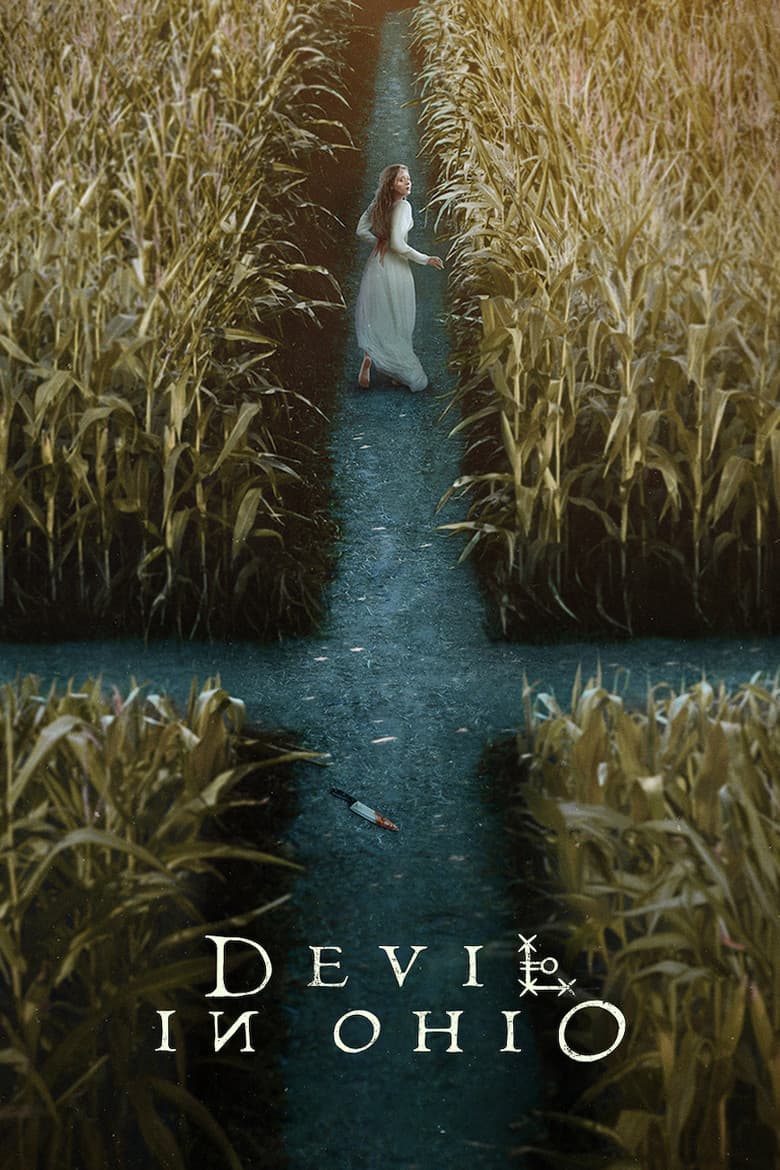
TV Show · 2022
Determined to protect a young patient who escaped a mysterious cult, a psychiatrist takes the girl in, putting her own family — and life — in danger.
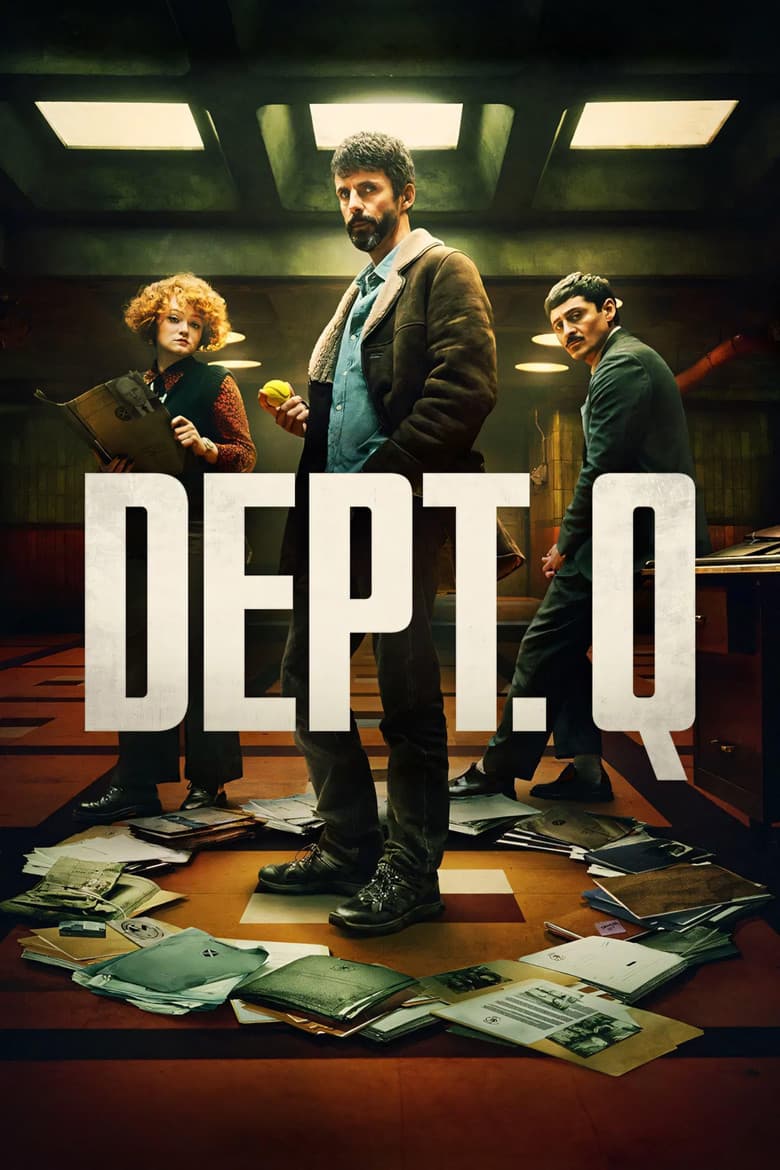
TV Show · 2025
A brash but brilliant cop becomes head of a new police department, where he leads an unlikely team of misfits in solving Edinburgh's cold cases.
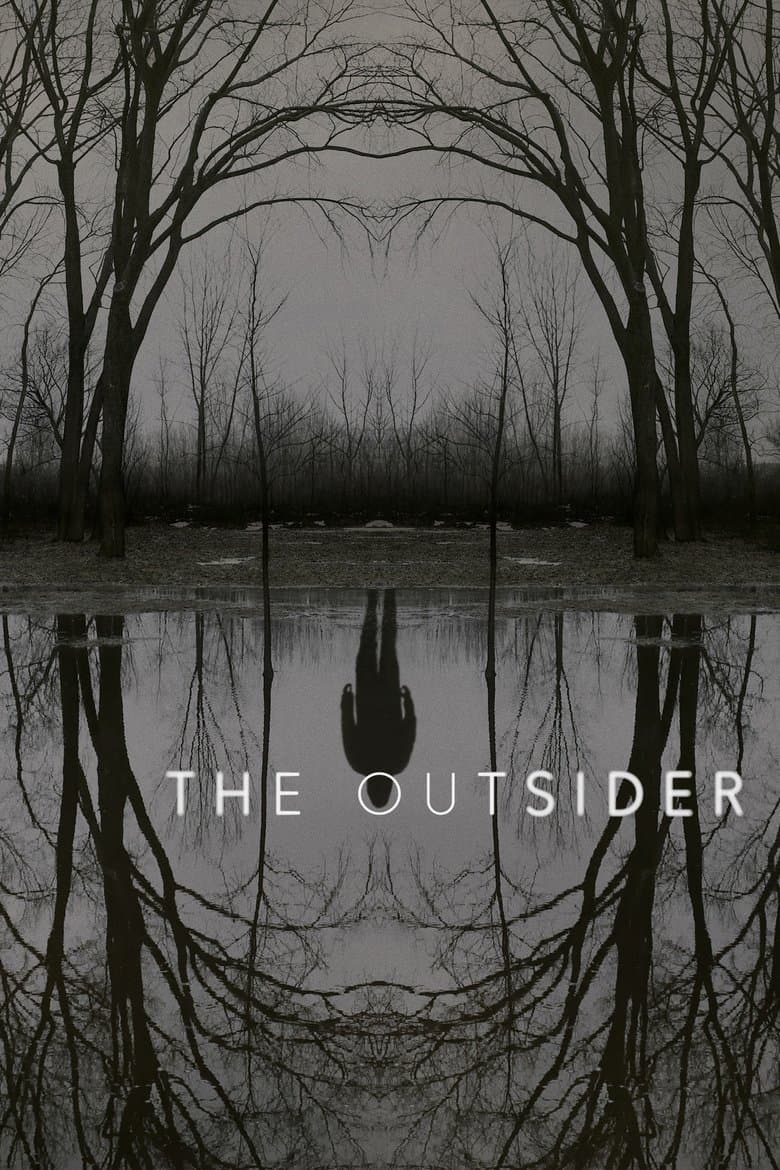
TV Show · 2020
When an insidious supernatural force edges its way into a seemingly straightforward investigation into the gruesome murder of a young boy, it leads a seasoned cop and an…
