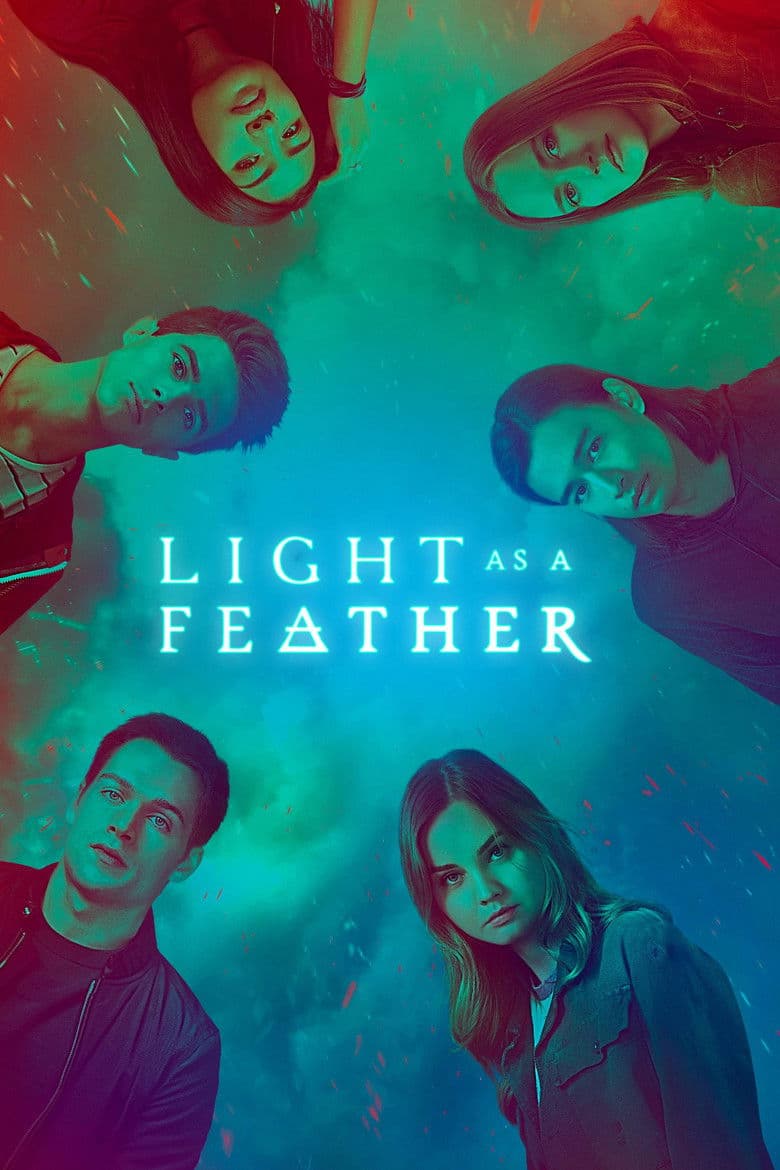
Started October 12, 2018 · Canceled · Based on 2 seasons, 26 episodes through October 4, 2019 · TV-14 · 30 min
McKenna Brady is a high school girl trying to live through grief, fear, and a growing supernatural curse. She and her friends live in a modern California town where a Halloween sleepover game predicts their deaths. After the predictions come true, McKenna works with Alex and Violet to learn who started the curse and how to stop it. McKenna also deals with the loss of her twin sister and blackouts that make her fear she may be harming the people she wants to protect. The show mixes teen romance, family trouble, secrets, and short bursts of horror, while season two spends more time on the curse's history and its effect on McKenna.
The show puts five teenage girls at the center of the mystery, and the girls make most of the key choices while the boys mostly help them or follow their lead. Alex is an openly lesbian Asian teen, and season two gives her a continuing romance with Peri, another young woman. The story treats friendship, loyalty, and the girls' personal strength as the main way they survive danger across both seasons. These identity and gender signals are easy to see, but the main plot stays focused on the curse, deaths, secrets, and teen relationships rather than a political campaign.
Community feedback
Was our 57% Woke rating accurate?
Breakdown
These are the editorial factors and ratings behind our score for Light as a Feather.
Woke representation / casting
Five girls lead the show, and the group includes a black friend and an Asian lesbian lead. The cast makes identity visible through Alex's ethnicity and sexuality, not only through background roles. Brianne Tju also described the show as diverse and inclusive and said Alex's identity was important without being her only trait. The California setting makes the mix possible, so the signal is clear but not overwhelming.
42%
Woke political dialogue
Alex openly says that she is a lesbian in season one. Alex also makes a brief joke that links her lesbian identity to shop class. Alex's talks with Peri in season two repeat the identity point through dating and attraction. The show does not turn those lines into a wider political speech.
24%
Identity-driven story themes
The girls lead the investigation in both seasons and decide how to face the curse. The show makes their friendship and loyalty the main source of help when adults cannot solve the danger. Season two gives Alex a continuing romance with Peri and keeps the female group at the center of the action. The boys mostly serve as partners, helpers, or side characters instead of driving the main mystery. The story presents female strength and queer romance as normal parts of the group, but it does not build the whole show around identity politics.
54%
Western institutional / cultural critique
Not present. The show does not build its conflict around toxic masculinity, anti-conservative ideas, or attacks on religion and Western institutions. The danger comes from a curse, grief, secrets, and teen choices.
0%
Woke character or canon changes
The TV version changes the book's minor character Mischa into Alex Portnoy, a major openly gay lead. The show also gives Alex a continuing relationship with Peri in season two. Kirkus reports that the book does not include Alex's sexuality or her larger role. The setting and larger ensemble also change, but those changes mainly support the TV format rather than an identity message.
52%
Anti-woke backlash and complaints
Not present. Available reviews and audience comments focus on the supernatural plot, teen drama, pacing, and the cast. The separate X review found no anti-woke complaints, and no reliable news report tied the show to DEI or identity-politics backlash.
0%
Creator track record context
R. Lee Fleming Jr.'s cached score is 0/100, and his record is mainly commercial teen and genre work. Most cached writer and director scores are low and show no strong activist pattern. Pornsak Pichetshote has a high identity-focused score, and Joanna Kerns has a moderate progressive and queer-inclusive record. Those two exceptions add mild context, but the full creative group does not show a dominant activist pattern.
28%
Production

TV Show · 2016
The love story of young Countess Natasha Rostova and Count Pierre Bezukhov is interwoven with the Great Patriotic War of 1812 against Napoleon's invading army.
TV Show · 2024
In Japan in the year 1600, at the dawn of a century-defining civil war, Lord Yoshii Toranaga is fighting for his life as his enemies on the Council of Regents unite against him…
TV Show · 2025
Tells the story of the ascent of the biblical figure, David, who becomes the most celebrated king of Israel. The series follows the once-mighty King Saul as he falls victim to his…

TV Show · 2022
This sweeping saga chronicles the hopes and dreams of a Korean immigrant family across four generations as they leave their homeland in an indomitable quest to survive and thrive.
TV Show · 2019
In the early 1990s in New York, during the height of the crack cocaine epidemic, a visionary musician named Bobby Diggs aka The RZA begins to form a super group of a dozen young…
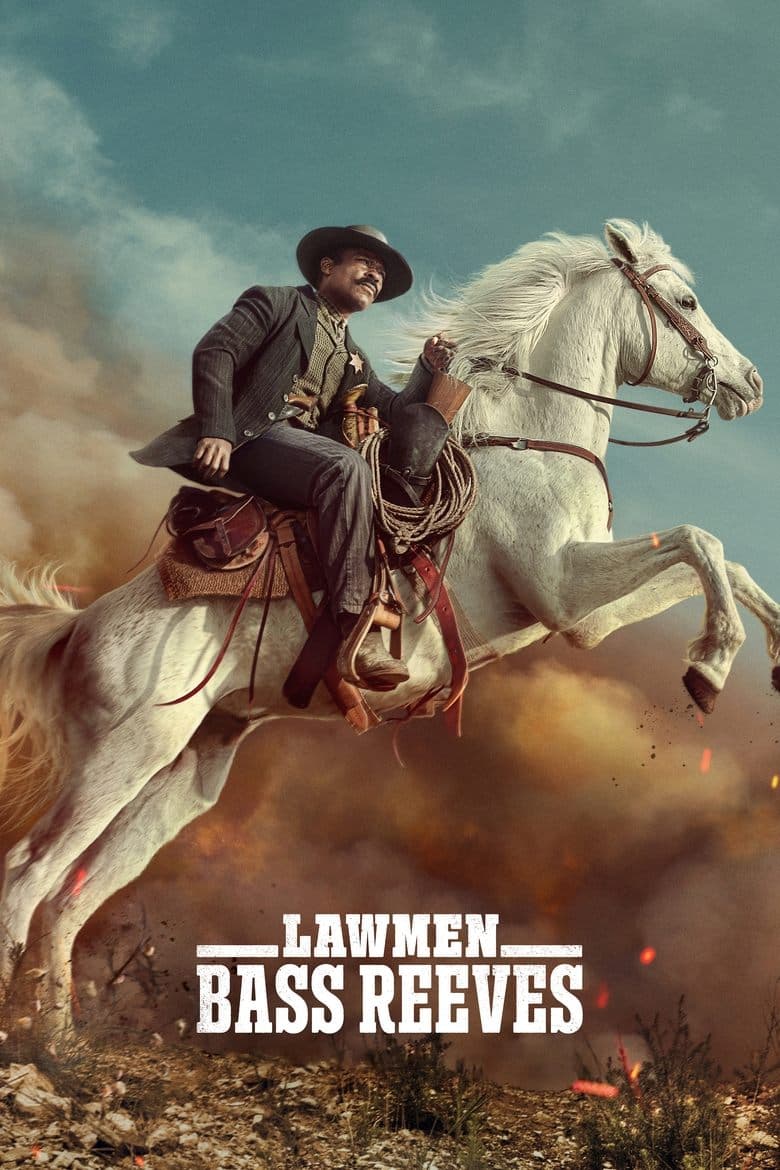
TV Show · 2023
The story of Bass Reeves, the legendary lawman of the wild West, is brought to life. Reeves worked in the post-Reconstruction era as a federal peace officer in the Indian…
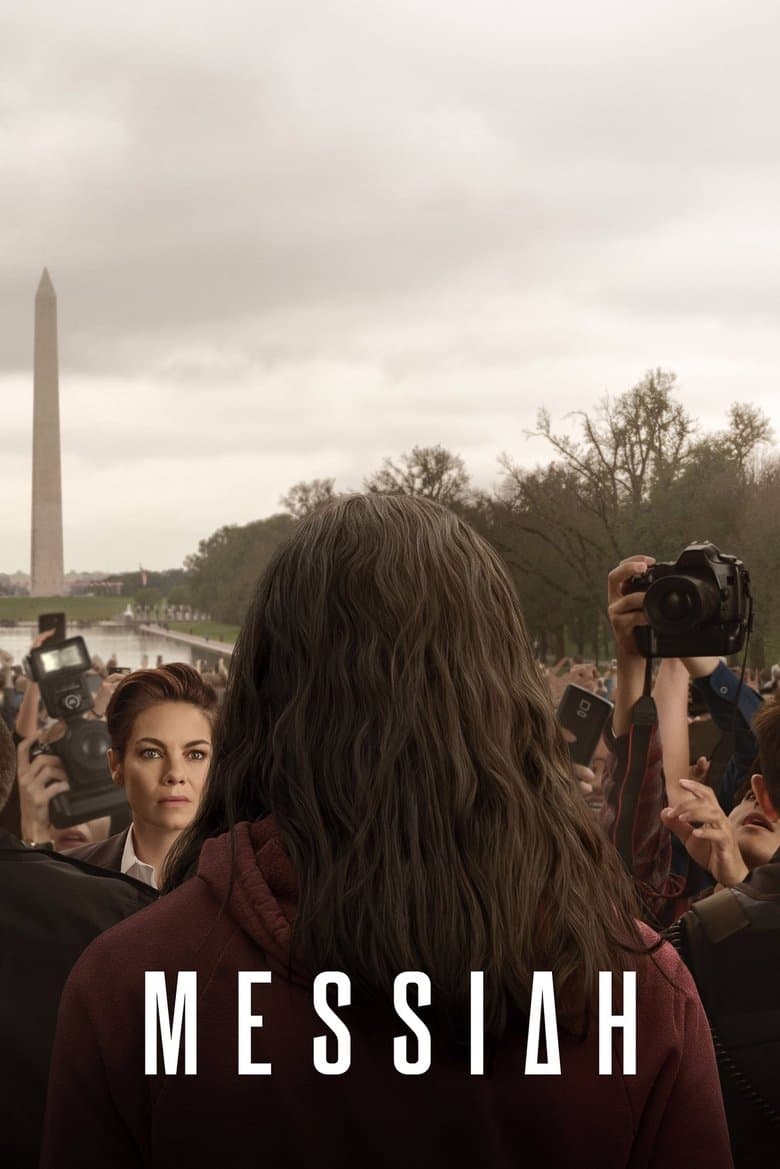
TV Show · 2020
A wary CIA officer investigates a charismatic man who sparks a spiritual movement and stirs political unrest. Who exactly is he? And what does he want?
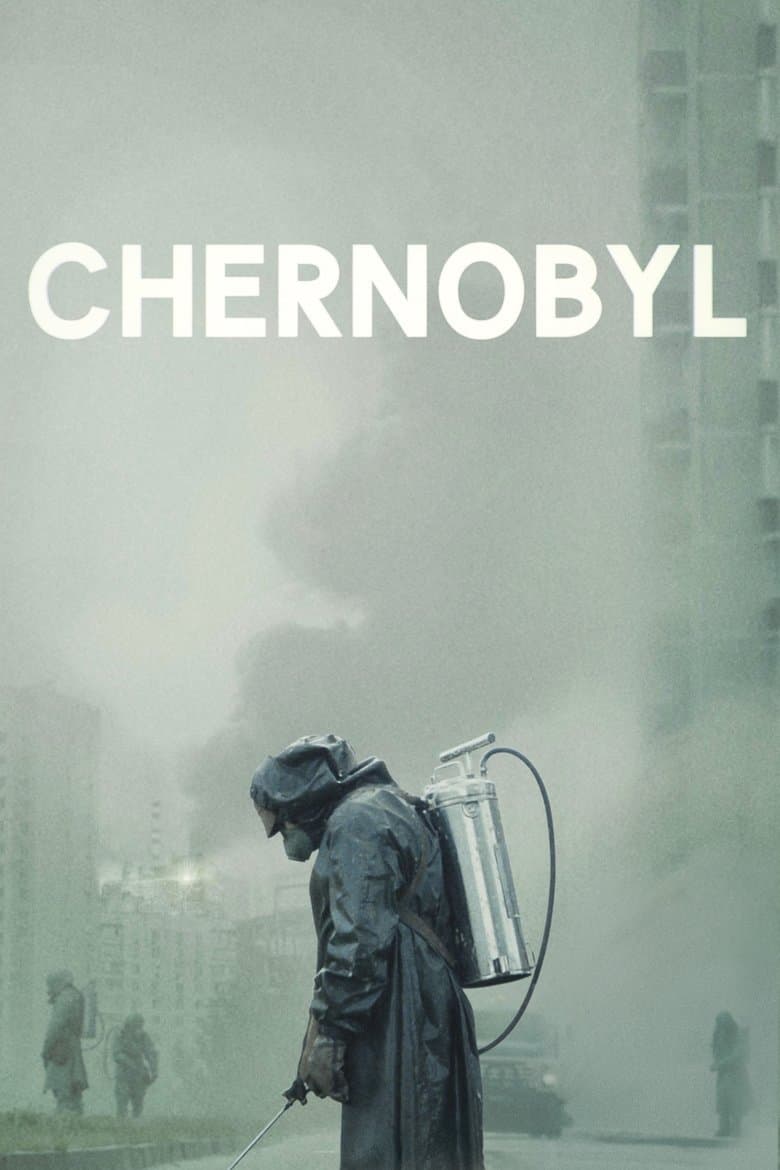
TV Show · 2019
The true story of one of the worst man-made catastrophes in history: the catastrophic nuclear accident at Chernobyl.
