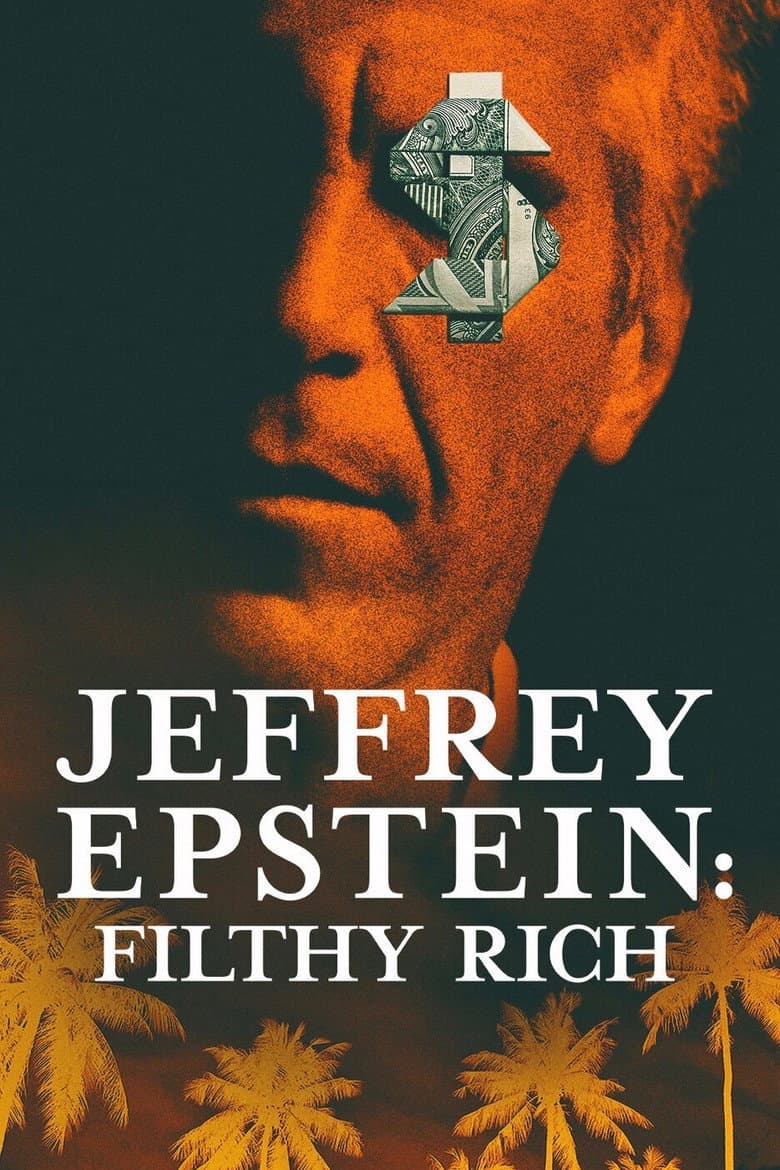
Started May 27, 2020 · Ended · Based on 1 season, 4 episodes through May 27, 2020 · TV-MA · 56 min
Jeffrey Epstein: Filthy Rich follows the rise and fall of Jeffrey Epstein, a wealthy New York financier who used money, charm, and powerful friends to abuse girls and young women. The four-part documentary moves between Palm Beach, New York, Epstein’s private island, police investigations, court fights, and the 2008 plea deal that kept him from a federal trial. Survivors describe grooming, forced sex, recruitment, fear, and lasting harm. The tone is grim, angry, and focused on the people who lived through the abuse rather than Epstein’s own voice.
The clearest woke element is the series’ survivor-centered gender message. Women speak in every episode, the final chapter is called “Finding Their Voice,” and the ending stresses that survivors gain strength by standing together. The show also presents the justice system as a place that protected a rich man while failing vulnerable girls. These ideas are important and repeated, but the series does not turn into a broad argument about race, sexuality, or modern party politics.
Community feedback
Was our 35% Woke rating accurate?
Breakdown
These are the editorial factors and ratings behind our score for Jeffrey Epstein: Filthy Rich.
Woke representation / casting
Not present. The show uses real survivors, police, lawyers, journalists, and other witnesses rather than a fictional cast. The focus on women follows the case and does not show identity-first casting.
0%
Woke political dialogue
Not present. The interviews discuss abuse, money, police work, plea deals, and court failures. The show does not use recurring woke political speeches or activist slogans.
0%
Identity-driven story themes
The show places women survivors at the center of all four episodes. The final chapter, “Finding Their Voice,” treats public testimony and survivor solidarity as ways to regain strength after abuse. The closing message stresses justice for victims who were ignored. This repeated gender-focused framing is important, but the series does not expand into race, sexuality, or broad claims about every man.
40%
Western institutional / cultural critique
The show repeatedly presents police, prosecutors, courts, and wealthy social networks as failing to stop Epstein. The 2008 plea deal and his special prison privileges are shown as proof that money and influence distorted justice. Survivors and lawyers question why powerful men were protected. The criticism stays tied to this case and does not attack Christianity, family life, capitalism, or Western culture as a whole.
34%
Woke character or canon changes
Not relevant. This is a nonfiction adaptation about real people. No identity-driven rewrite of a real figure or source character is evident.
0%
Anti-woke backlash and complaints
Not present. A few comments called Netflix “woke” or “propaganda,” but they did not identify a DEI, queer, or identity-politics message in this series. The main complaints concerned missing names, political bias, and conspiracy questions.
0%
Creator track record context
Lisa Bryant and Joe Berlinger have made justice-focused crime documentaries. Bryant and Jon Doran said this series should center survivors, and Doran linked their speaking out to the #MeToo era. James Patterson and most of the other cached creators have low or mild activist scores, while Leopoldo Gout adds a modest cultural and social-change signal. The team shows a mild activist focus, but not a strong DEI or identity-first brand.
28%
Production

TV Show · 2022
This harrowing docuseries explores, a cruel conman masquerading as a British spy manipulates and steals from his victims, leaving ruined families in his wake.
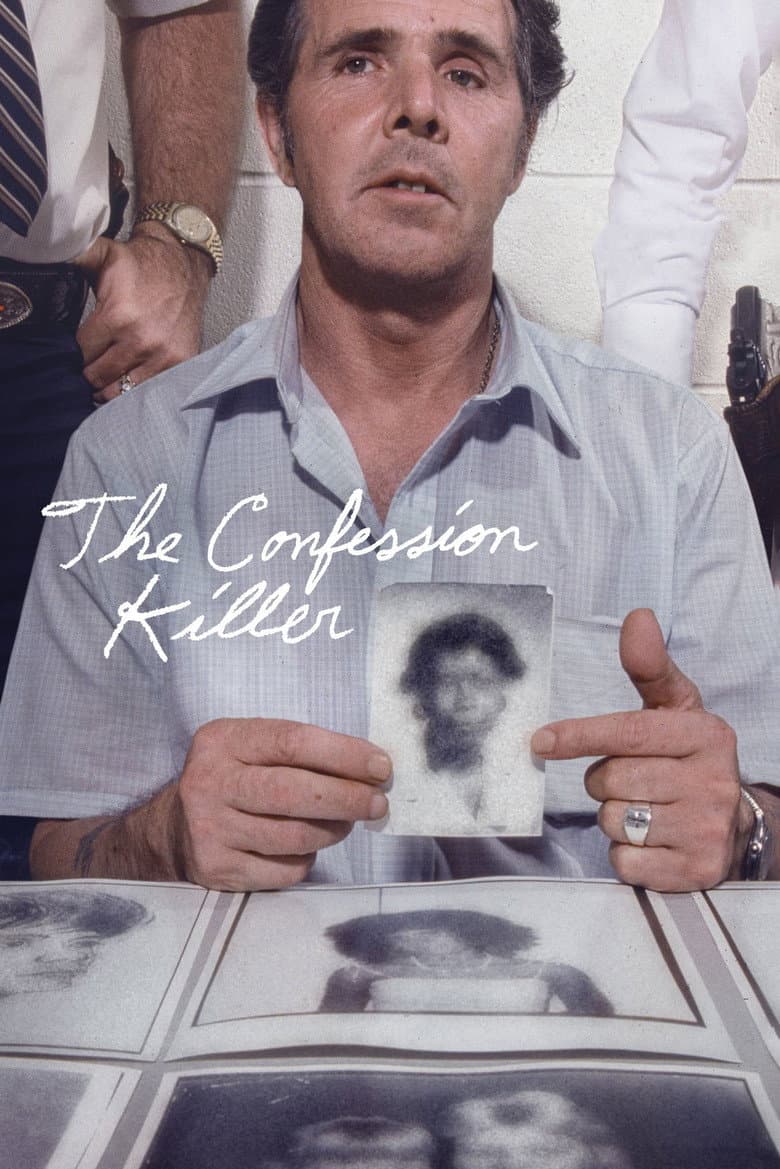
TV Show · 2019
Henry Lee Lucas rose to infamy when he confessed to hundreds of unsolved murders. This docuseries examines the truth -- and horrifying consequences.

TV Show · 2020
A four-part documentary series revolving around the case of single mother Barbara Hamburg, who was brutally murdered in 2010 near her home in the upper-middle class enclave of…
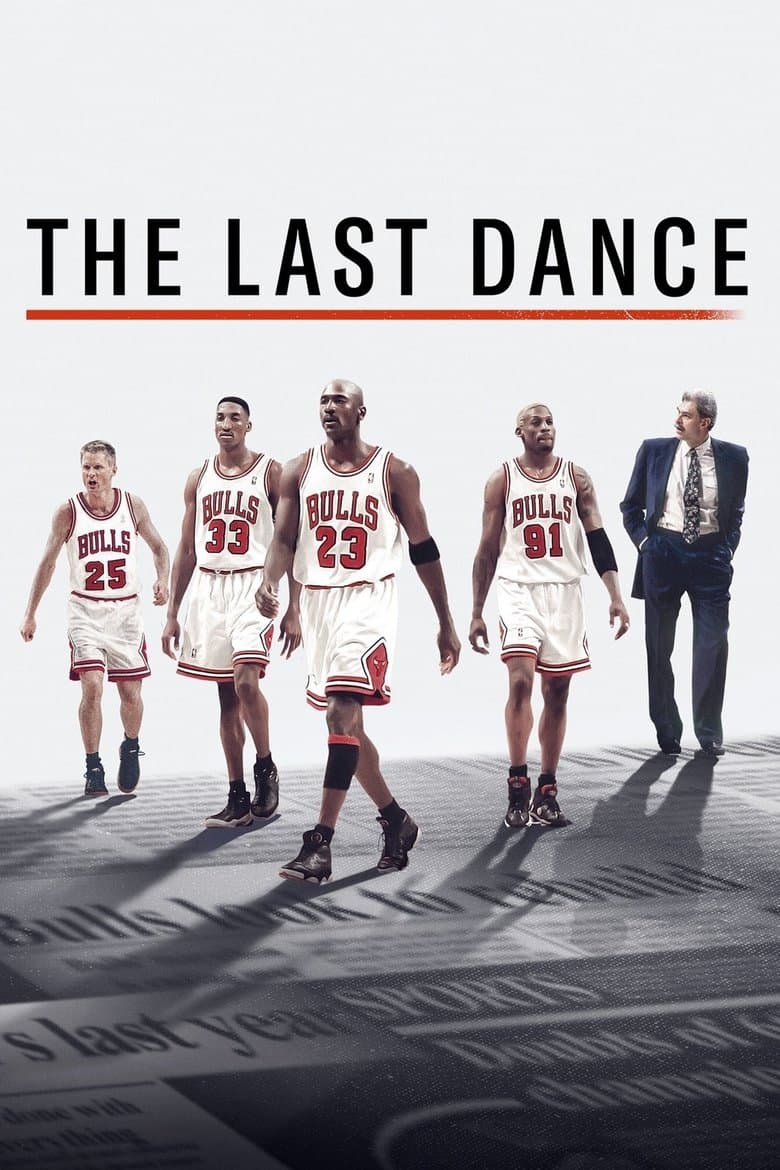
TV Show · 2020
A 10-part documentary chronicling the untold story of Michael Jordan and the Chicago Bulls dynasty with rare, never-before-seen footage and sound from the 1997-98 championship…
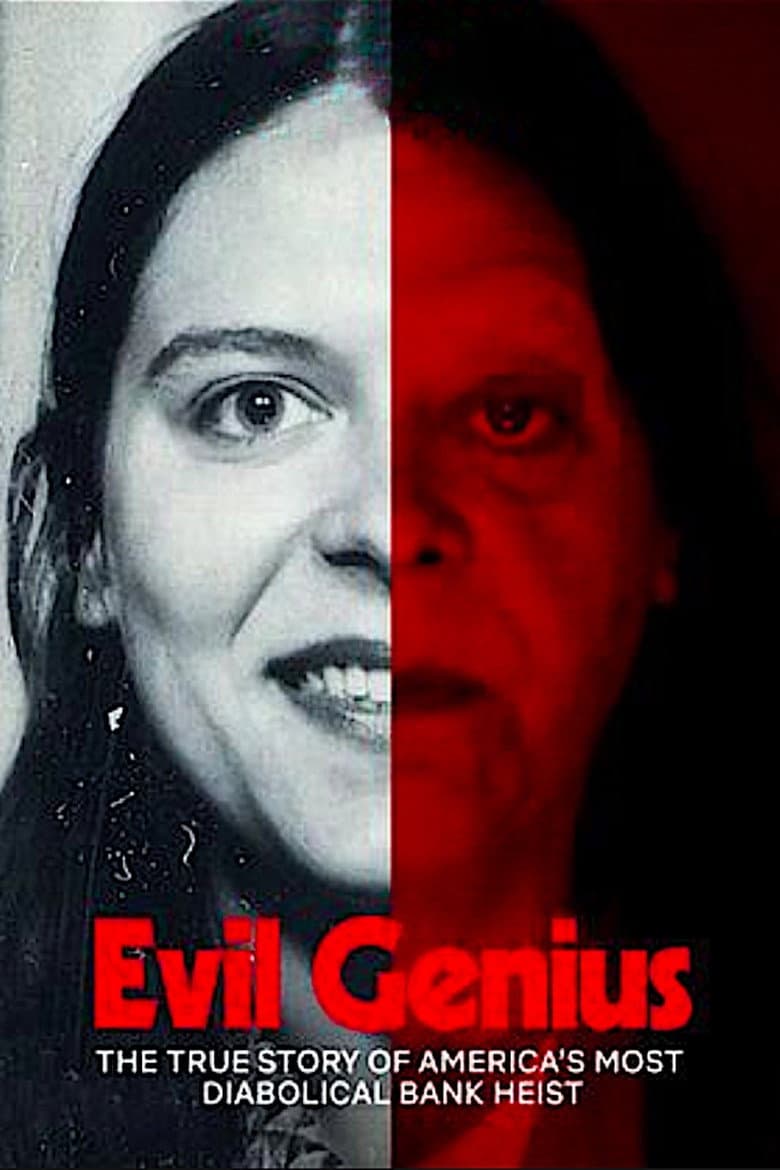
TV Show · 2018
This baffling true crime story starts with the grisly death of a pizza man who robs a bank with a bomb around his neck - and gets weirder from there.
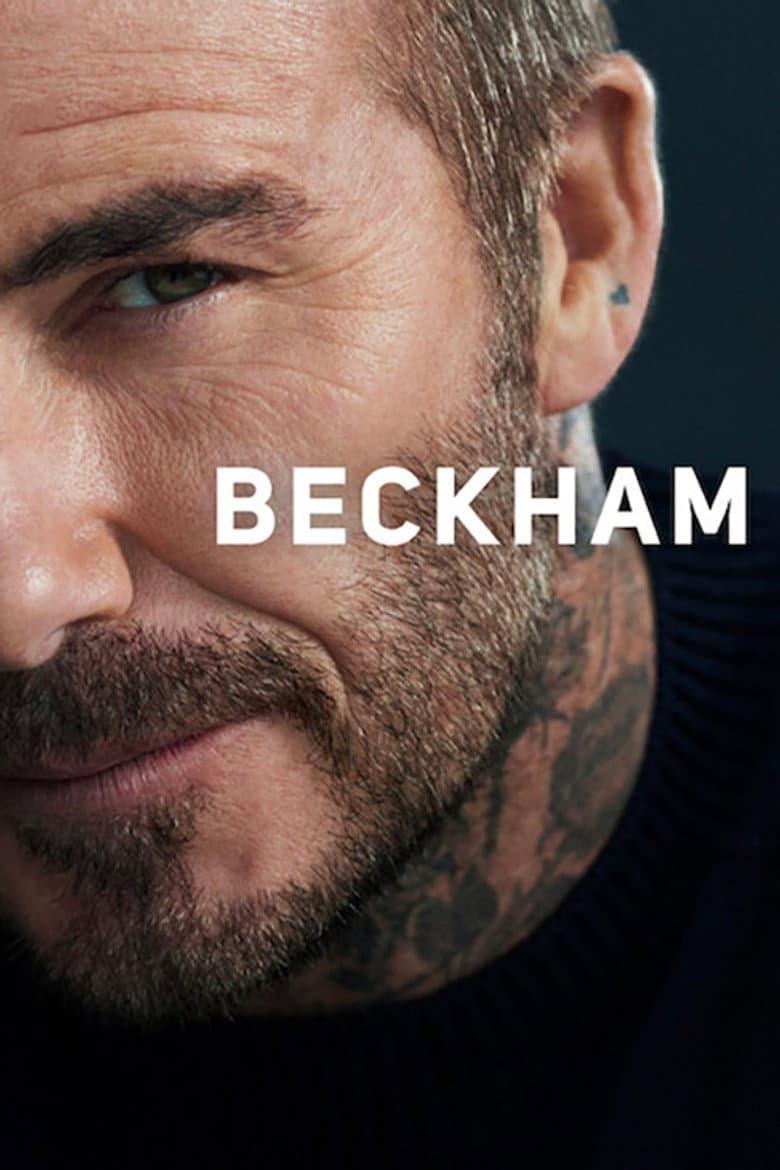
TV Show · 2023
With never-before-seen footage, this docuseries follows David Beckham's meteoric rise from humble beginnings to global football stardom.
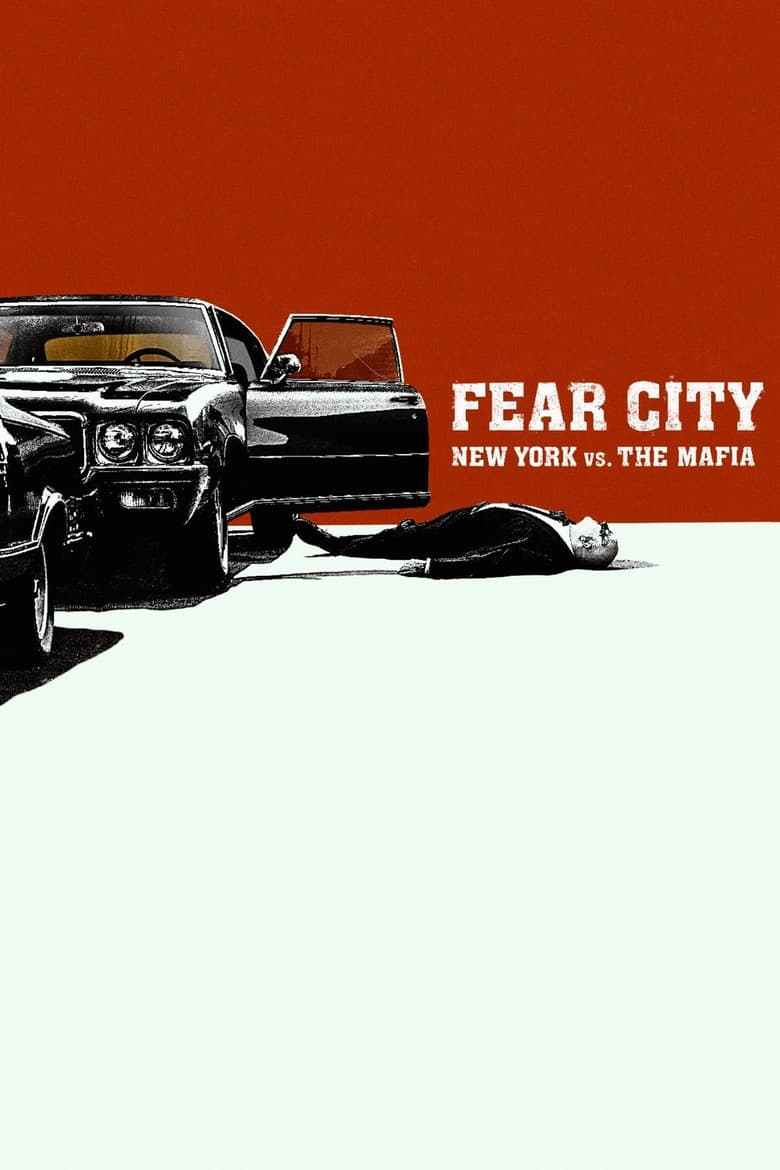
TV Show · 2020
New York City in the 1970s was ruled with a bloody fist by five mafia families, until a group of federal agents tried the unthinkable: taking them down.
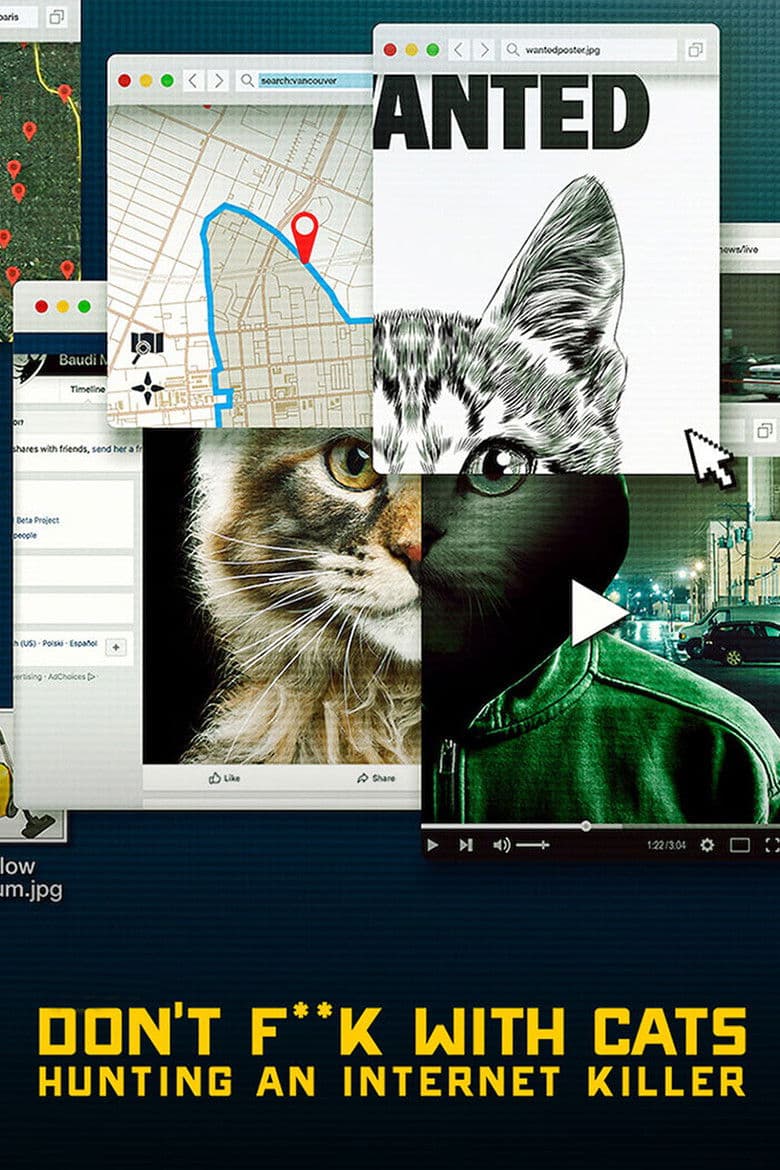
TV Show · 2019
A twisted criminal's gruesome videos drive a group of amateur online sleuths to launch a risky manhunt that pulls them into a dark underworld.
