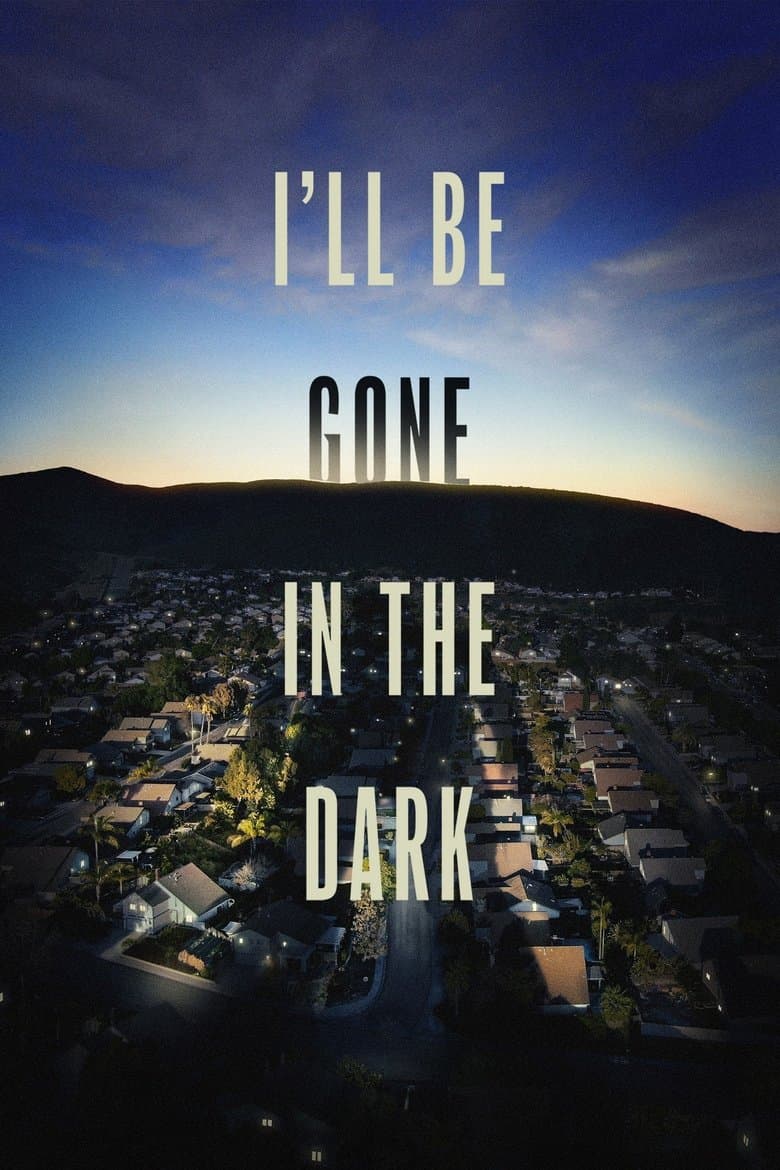
Started June 28, 2020 · Ended · Based on 1 season, 7 episodes through June 21, 2021 · TV-MA · 60 min
Michelle McNamara is a true crime writer who becomes fixated on the Golden State Killer, a man who raped and murdered people in California during the 1970s and 1980s. She studies old police files, works with detectives and online helpers, and follows clues across many years. The show also follows survivors as they live with fear, shame, and lasting pain. The tone is grim, quiet, and caring rather than flashy.
The show puts women survivors and McNamara at the center instead of treating the killer as the main star. Survivors explain how rape was often met with silence, blame, and weak support when the crimes happened. The series also shows police departments missing links between cases and failing to share information. These ideas return through the main investigation and the 2021 sentencing episode, but the story stays tied to real crimes and personal loss instead of current party politics.
Community feedback
Was our 41% Woke rating accurate?
Breakdown
These are the editorial factors and ratings behind our score for I'll Be Gone in the Dark.
Woke representation / casting
Not present. The documentary uses real survivors, detectives, and Michelle McNamara, so the cast reflects the people in the case. It does not present diversity-first casting as a message.
0%
Woke political dialogue
Survivors and filmmakers discuss how rape was treated with shame and blame in the 1970s and 1980s. The show contrasts that silence with later language for trauma and a chance for victims to speak in court. Detectives also discuss missed links and poor cooperation between police agencies. The series presents these failures as part of the case, not as a broad party-political campaign.
27%
Identity-driven story themes
The show makes McNamara’s search and the survivors’ lives the main story. Women describe rape, fear, long-term trauma, and the way shame damaged their family lives. The series repeatedly says that hearing victims and giving them control over their stories is part of justice. This gender-focused message shapes nearly every episode, but the show does not center race, sexuality, or current identity politics.
45%
Western institutional / cultural critique
Police departments are shown missing links between cases and failing to share information across counties. The show also points to old attitudes that blamed victims or treated rape as less serious than other violent crimes. The 2021 special shows the filmmakers and a victim’s family suing Oak Park police over withheld files. These criticisms stay tied to real case failures instead of becoming a broad attack on Western society.
28%
Woke character or canon changes
Not relevant. The show adapts a nonfiction book and real cases. It changes the focus and adds later court material, but those are normal documentary choices rather than identity-driven changes.
0%
Anti-woke backlash and complaints
A small Reddit discussion before release called Garbus a radical feminist and feared the series would become political propaganda. The posts were guessing about the finished show and did not point to a scene or message after viewing. Wider reviews and audience comments mostly debated the focus on McNamara, the length, and the amount of case detail, not woke content.
8%
Creator track record context
Liz Garbus has a record of documentaries about civil rights, voting, and social justice. Several producers have also backed work about women’s rights, sexual abuse, democracy, and LGBTQ history. McNamara, the other directors, and several producers are mainly linked to true crime, documentary, or comedy work. This gives the show a mild activist context that supports its survivor-centered approach, but it does not show a fully activist creative team.
28%
Production
TV Show · 2019
A Cleveland grandfather is brought to trial in Israel, accused of being the infamous Nazi death camp guard known as Ivan the Terrible.
TV Show · 2019
A twisted criminal's gruesome videos drive a group of amateur online sleuths to launch a risky manhunt that pulls them into a dark underworld.
TV Show · 2021
The Son of Sam case grew into a lifelong obsession for journalist Maury Terry, who became convinced that the murders were linked to a Satanic cult.
TV Show · 2022
This harrowing docuseries explores, a cruel conman masquerading as a British spy manipulates and steals from his victims, leaving ruined families in his wake.

TV Show · 2023
Through vividly enhanced archival footage and voices from all sides of the conflict, this docuseries brings WWII to life like never before.
TV Show · 2018
This baffling true crime story starts with the grisly death of a pizza man who robs a bank with a bomb around his neck - and gets weirder from there.
TV Show · 2020
A 10-part documentary chronicling the untold story of Michael Jordan and the Chicago Bulls dynasty with rare, never-before-seen footage and sound from the 1997-98 championship…
TV Show · 2023
With never-before-seen footage, this docuseries follows David Beckham's meteoric rise from humble beginnings to global football stardom.
