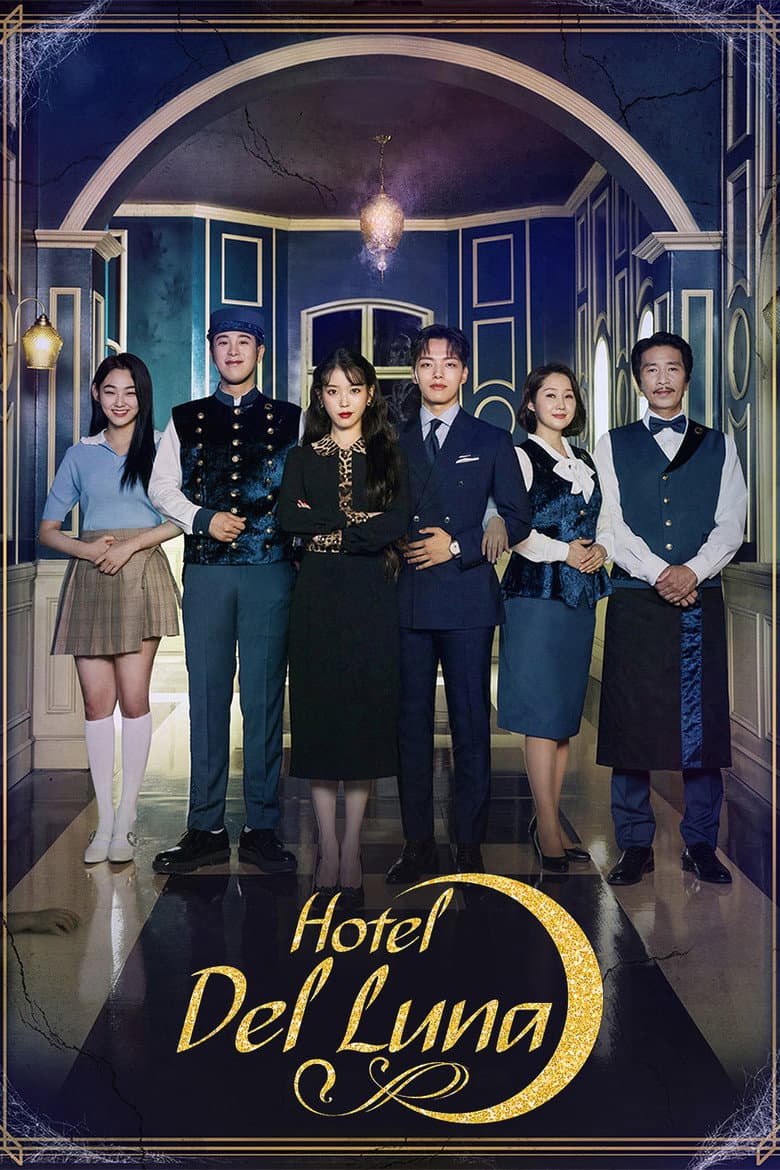
Started July 12, 2019 · Ended · Based on 1 season, 16 episodes through August 31, 2019 · TV-14 · 70 min · Korean
Hotel Del Luna is a fantasy drama about Jang Man-wol, a proud and sharp-tongued woman who has run a hotel for dead souls for more than a thousand years. She must stay there as payment for crimes she committed when she was a young bandit. A gifted hotel worker named Gu Chan-sung becomes her human manager after a promise made by his father. The pair help ghosts settle old regrets while Man-wol faces the truth about her past and the loss of her hotel life. The story is spooky, funny, romantic, and often sad.
The clearest identity-driven material appears in the story of a woman whose private video is shared without her consent, while the men who spread it profit from the harm. Other episodes question family pressure, son preference, forced marriage, and the idea that women should stay quiet or give up their wishes. Man-wol also holds the power in the central romance, while Chan-sung works for her and helps her change. This female-led role reversal is easy to notice, but the main story remains a fantasy about guilt, grief, making up for past wrongs, and letting go.
Community feedback
Was our 42% Woke rating accurate?
Breakdown
These are the editorial factors and ratings behind our score for Hotel Del Luna.
Woke representation / casting
The cast is almost entirely Korean, which fits the South Korean setting. Its unusual casting choice is gendered rather than ethnic. Man-wol is the main owner, former bandit, and strongest power in the hotel, while Chan-sung works for her and becomes her love interest. Other women also hold major jobs or supernatural power, but the show does not use a mixed identity group or a diversity campaign.
34%
Woke political dialogue
Several episodes contain direct talk about gender harm. The spy-camera story discusses a woman’s private video being spread and the men who profit from it. The ghost wedding story shows parents trying to save their son by forcing a dead woman into a marriage she did not choose. The series does not often stop for speeches about politics or identity, so the dialogue stays moderate.
34%
Identity-driven story themes
The series repeatedly gives women control over major choices. Man-wol owns the hotel, leads fights, chooses her own desires, and drives the central romance. Other stories focus on sexual abuse, forced marriage, son preference, and women escaping loveless family roles. The hidden-camera story is the clearest modern activist-style element, but it lasts for only part of two episodes. The larger story remains about guilt, grief, making up for past wrongs, and letting go.
52%
Western institutional / cultural critique
The show questions family customs that treat sons as more valuable than daughters. The ghost wedding story has parents protect their son even when it harms his dead fiancée. The finale lets a baby keep its mother’s family name, and another story punishes men who spread a private video. The show does not attack Christianity, capitalism, or Western institutions, so this critique stays limited.
22%
Woke character or canon changes
Not relevant. The show is an original Korean fantasy story. It does not change an established character, a known source character, or a real historical person for identity reasons.
0%
Anti-woke backlash and complaints
Not present. Public complaints centered on originality, ratings, pacing, or the ending. No clear complaint said the show pushed DEI, identity politics, or activist messaging.
0%
Creator track record context
Not present. The cached context gives the two writers and both directors 0/100. It describes them as mainstream South Korean genre creators with no documented activist or DEI public record. Their title interviews focus on character design, casting, fantasy storytelling, and the ending.
0%
Production
TV Show · 2018
Two strangers are drawn to a mysterious pharmaceutical trial that will, they're assured, with no complications or side-effects whatsoever, solve all of their problems…
TV Show · 2016
In his quest for a bride to break his immortal curse, a 939-year-old guardian of souls meets a grim reaper and a sprightly student with a tragic past.
TV Show · 2021
On a perilous adventure across a post-apocalyptic world, a lovable boy who's half-human and half-deer searches for a new beginning with a gruff protector.
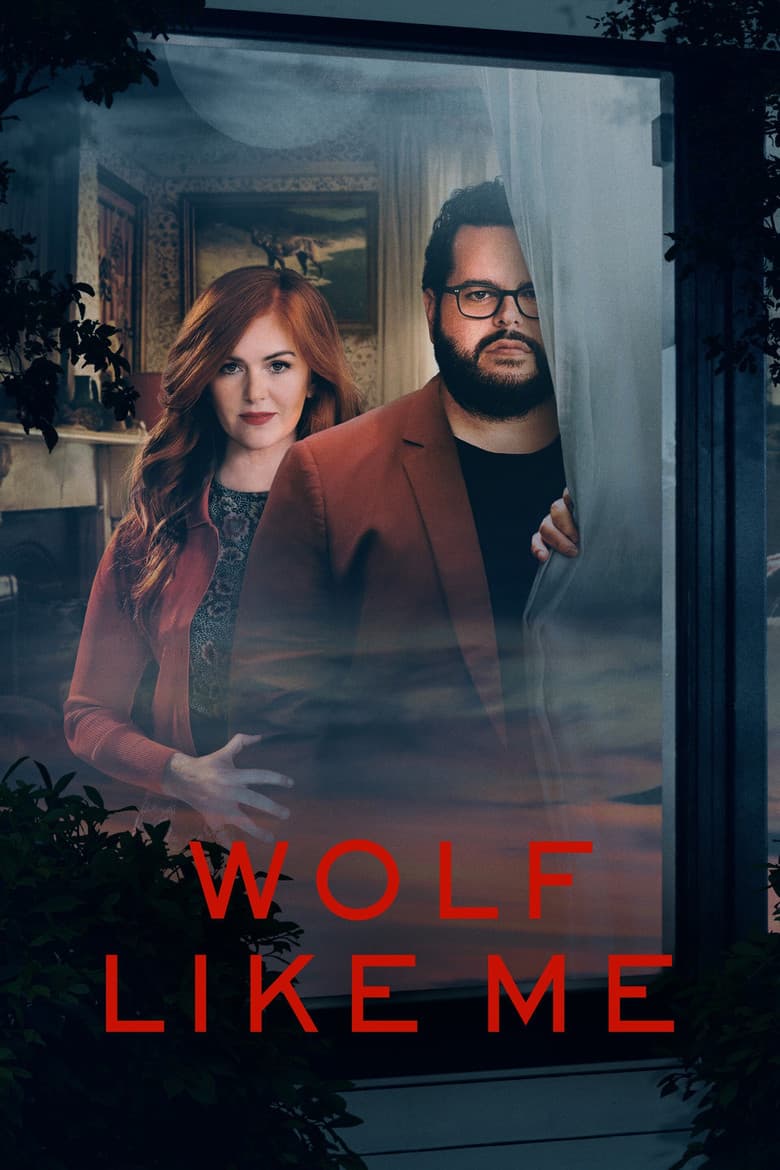
TV Show · 2022
Gary is an emotional wreck and struggles to provide for his daughter since the death of his wife. Mary has a secret she can't bring herself to share with anyone.
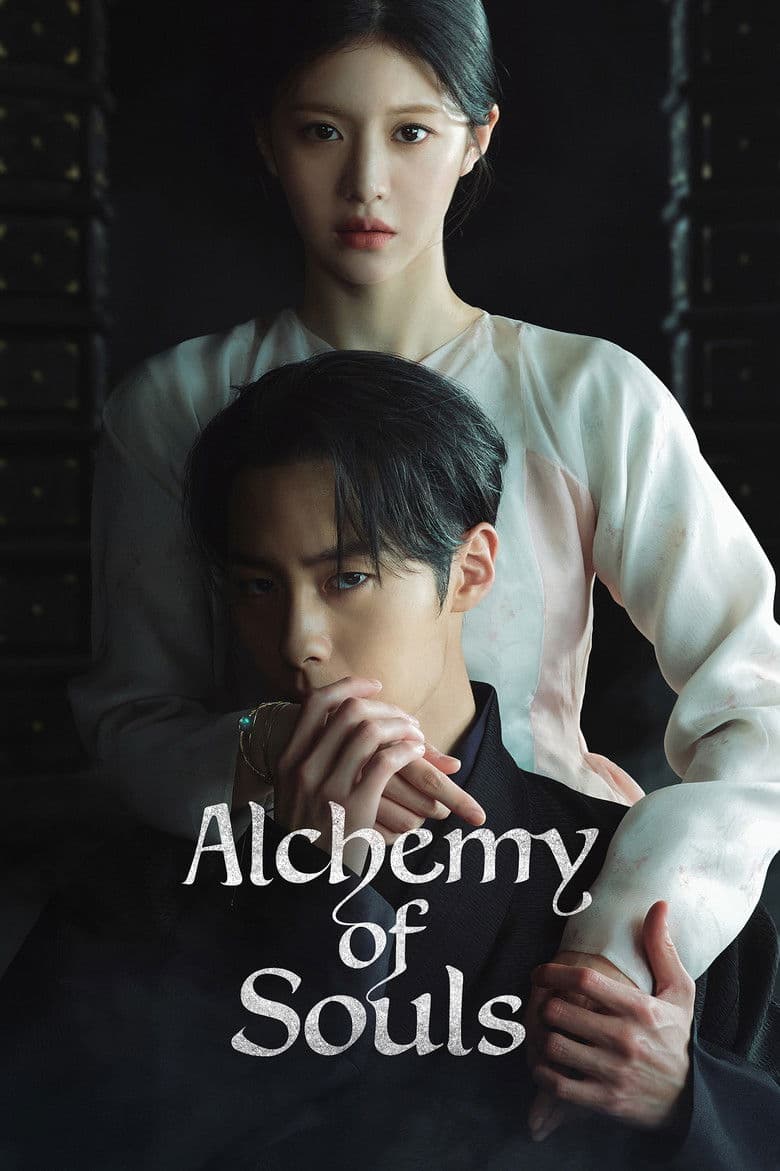
TV Show · 2022
A powerful sorceress in a blind woman's body encounters a man from a prestigious family, who wants her help to change his destiny.
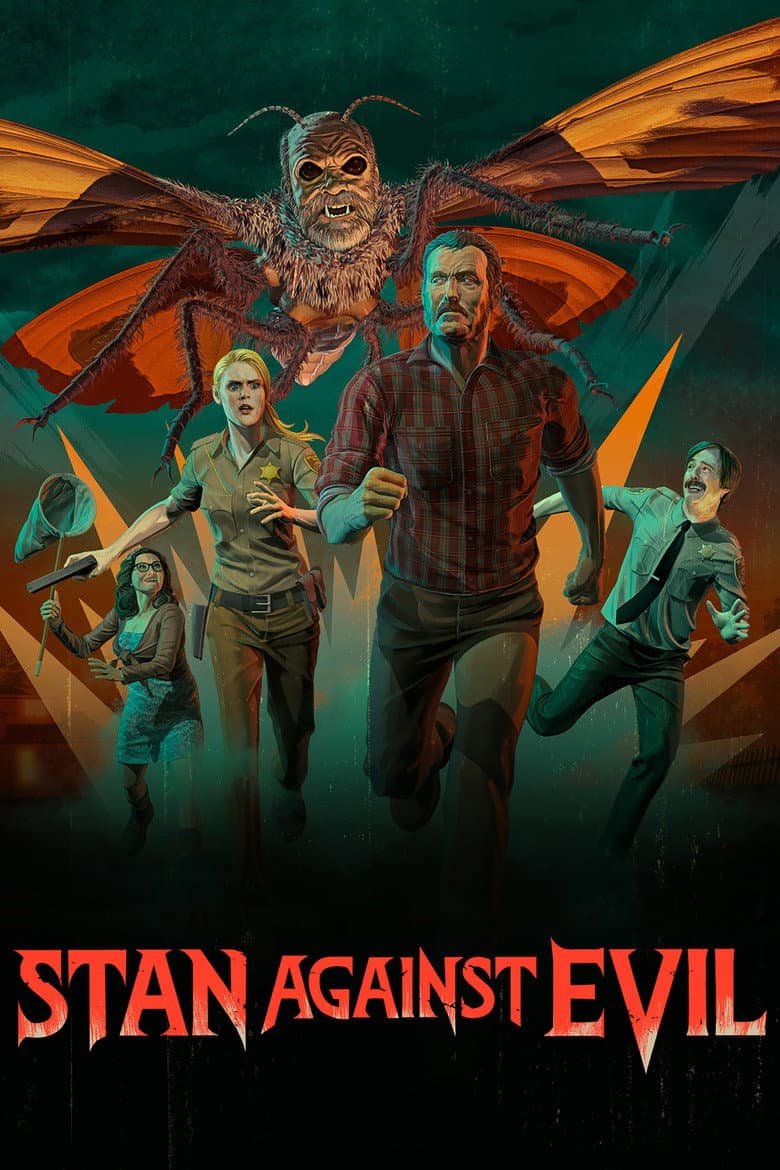
TV Show · 2016
An aging police sheriff who has recently lost his position due to an angry outburst begrudgingly joins an alliance with new sheriff, Evie Barret to battle angry demons haunting…
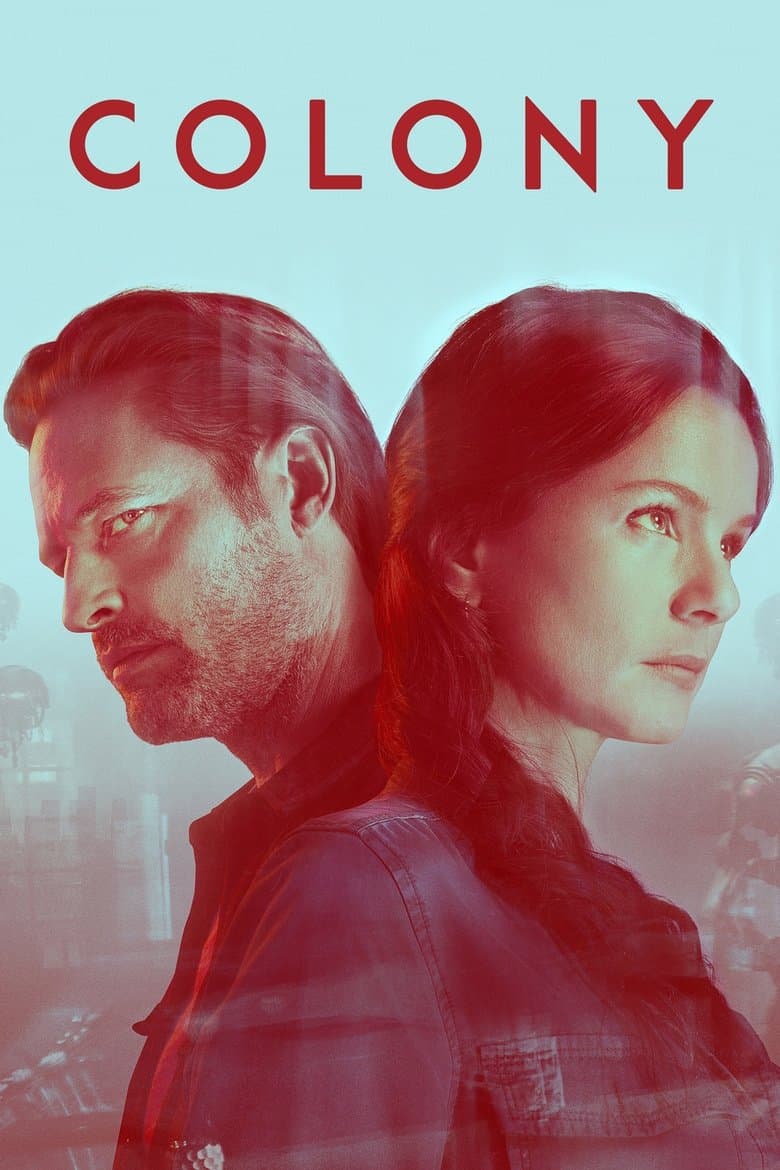
TV Show · 2016
In the near future a family must make difficult decisions as they balance staying together with trying to survive.
TV Show · 2018
After 250 years on ice, a prisoner returns to life in a new body with one chance to win his freedom: by solving a mind-bending murder.
