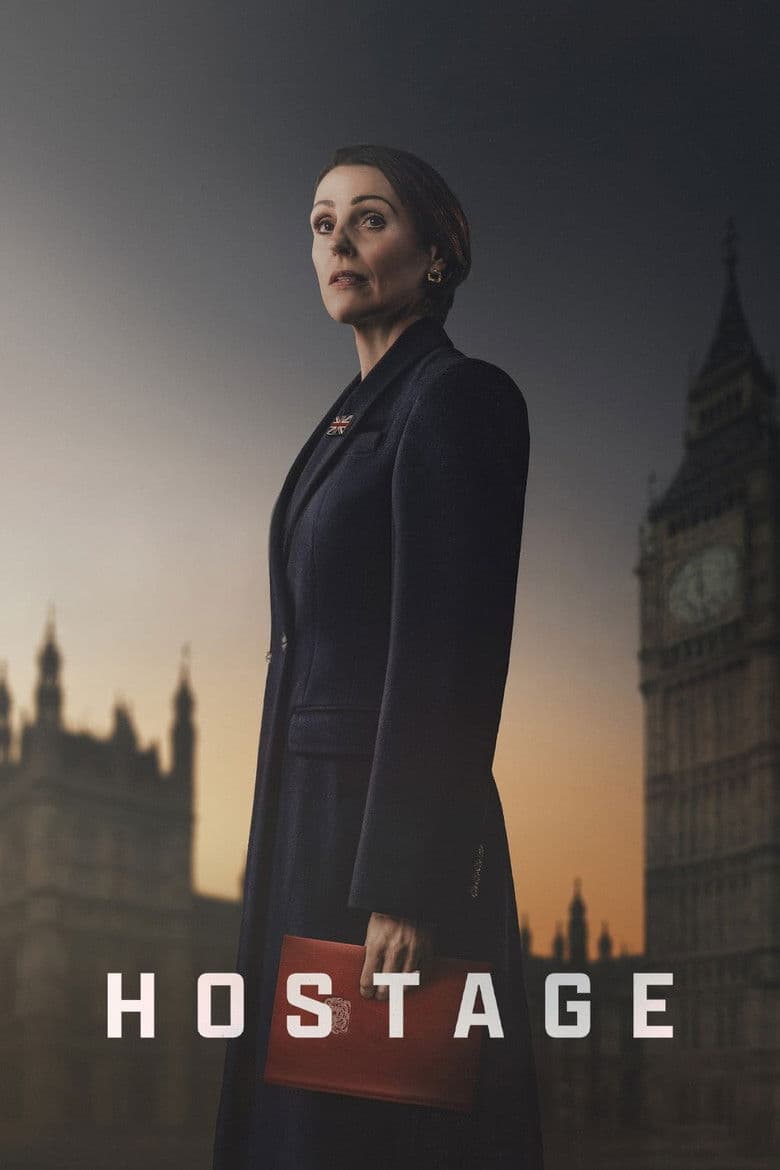
Started August 21, 2025 · Ended · Based on 1 season, 5 episodes through August 21, 2025 · TV-MA
Hostage follows Abigail Dalton, a newly elected British prime minister, as her husband Alex is taken by armed kidnappers in French Guiana. The kidnappers demand that Abigail leave office, while French President Vivienne Toussaint receives threats during a visit to London. Abigail must protect her family while managing a cancer drug shortage, a tense deal with France, and a growing threat inside her own government. The five episodes use a fast, dark thriller tone, with blackmail, military pressure, betrayal, and sudden violence.
The clearest woke elements come from the show’s focus on two women leading major Western countries and facing pressure tied to motherhood, marriage, and public judgment. The story treats Abigail’s choice to fund the NHS by cutting military spending as a serious political duty, while it links hard migration policy to fear of the far right. The show presents male officials who doubt Abigail’s ability to lead as part of the danger around her, and it gives the women the main moral and political weight. These ideas recur across the season, but the kidnapping plot, the military coup, and the family crisis remain the main story.
Community feedback
Was our 54% Woke rating accurate?
Breakdown
These are the editorial factors and ratings behind our score for Hostage.
Woke representation / casting
Hostage places two women at the center as the leaders of Britain and France. The cast also gives Abigail a black husband and mixed-race daughter, plus a black chief of staff in a major role. The creators and promotion openly highlight the unusual pairing of two female leaders, so the gender choice is part of the show’s identity. These choices are possible in the setting, but the repeated pattern goes beyond a neutral background cast.
42%
Woke political dialogue
Hostage repeatedly discusses NHS shortages, military spending, asylum seekers, and the pull of far-right politics. Vivienne’s wish to tighten the Channel border is linked to fear of the far right and to the way migrants are blamed for political gain. Abigail’s speeches and policy choices favor public health and taking medicine to people without political strings. The ideas support a liberal message, but they mostly sit inside the thriller rather than replace it.
40%
Identity-driven story themes
The show makes the pressure on women a continuing part of the story. Abigail must balance being a mother, wife, and prime minister while male officials question whether she can lead. Vivienne’s plot also centers on a woman’s public image, private life, and climb to power. The story ends by praising truth, cooperation, and women who keep control during a crisis, although the hostage plot remains the main engine.
47%
Western institutional / cultural critique
The show presents a military coup as the main threat behind the kidnapping and bomb attack. General Livingston treats Abigail as unfit and resents her defense cuts, and his doubts about her leadership carry a clear gender edge. The show also treats a hard turn against migrants as a danger linked to the far right. The story keeps these conflicts focused on a coup and political choices rather than attacking Western culture, capitalism, or family life.
25%
Woke character or canon changes
Not relevant. Hostage is an original limited series with no established characters or historical figures being changed.
0%
Anti-woke backlash and complaints
A few small anti-woke accounts called Hostage a “woke disaster,” “woke garbage,” or a DEI-driven show. They pointed to the interracial prime minister’s family, women and black characters in power, migration politics, and white men shown as threats or villains. The posts had little reach, and there was no clear boycott, review-bomb campaign, or major right-wing media fight. The backlash was fringe.
15%
Creator track record context
Kelly Valentine Hendry has a strong public record of supporting diversity and inclusion in casting. Suranne Jones has a record of feminist, equality, and LGBTQ-related work, and she also produces the show. Amy Neil has mild representation-related context, while Isabelle Sieb and Matt Charman have little clear activist focus. Most other producers have little public record of identity-driven advocacy. The creator context is mixed, with the clearest signal coming from casting and Jones.
38%
Production
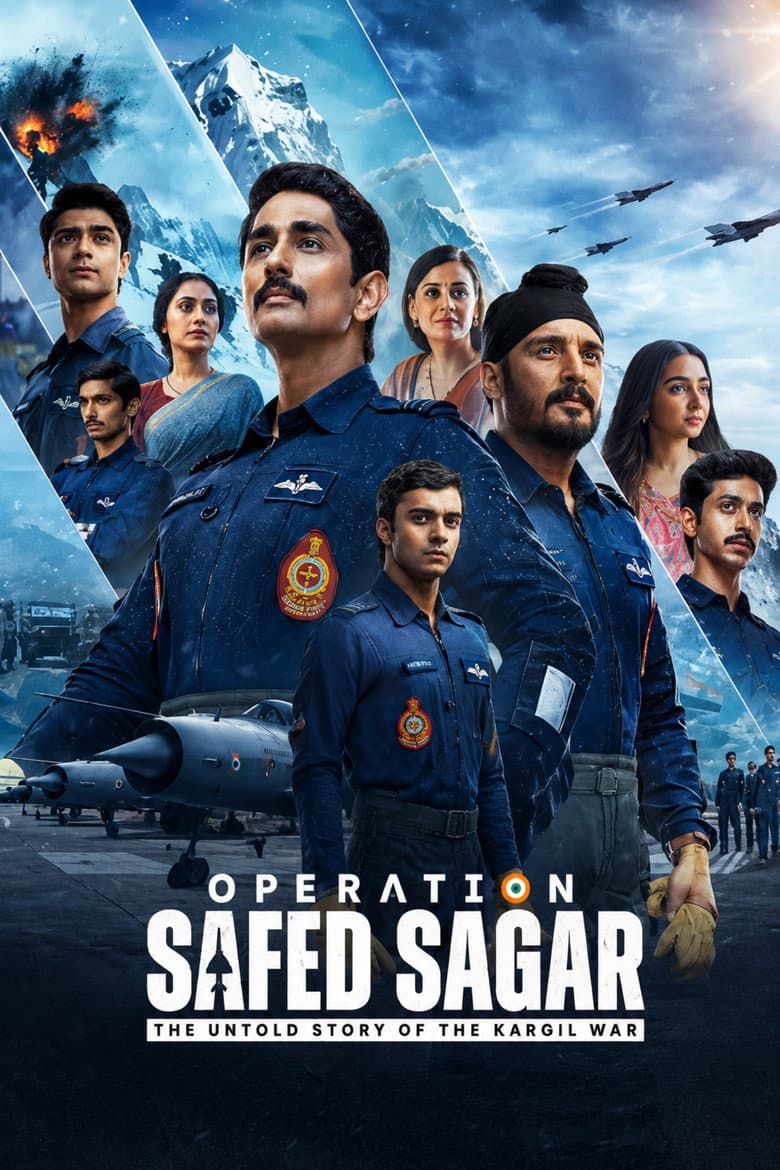
TV Show · 2026
As the Kargil War erupts between India and Pakistan, the Golden Arrows squadron of the Air Force takes flight on a dangerous mission behind enemy lines.
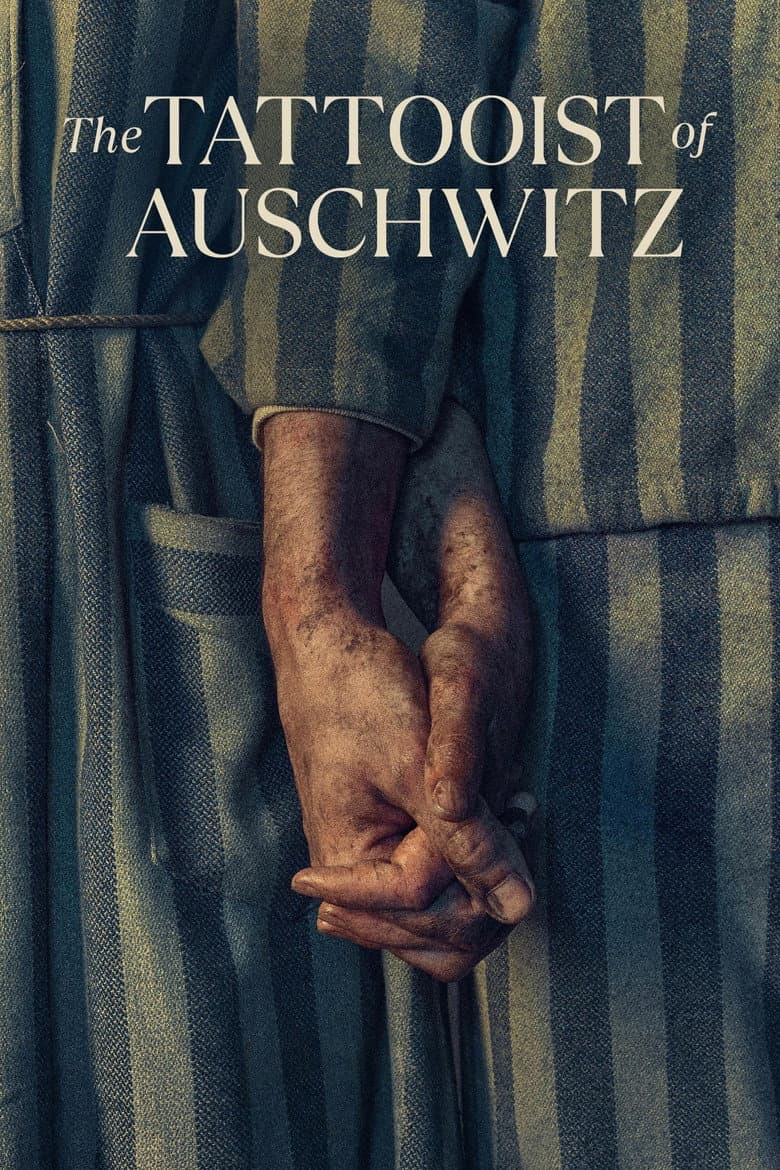
TV Show · 2024
The powerful real-life story of Lali Sokolov, a Jewish prisoner who was tasked with tattooing ID numbers on prisoners' arms in the Auschwitz-Birkenau concentration camp during…
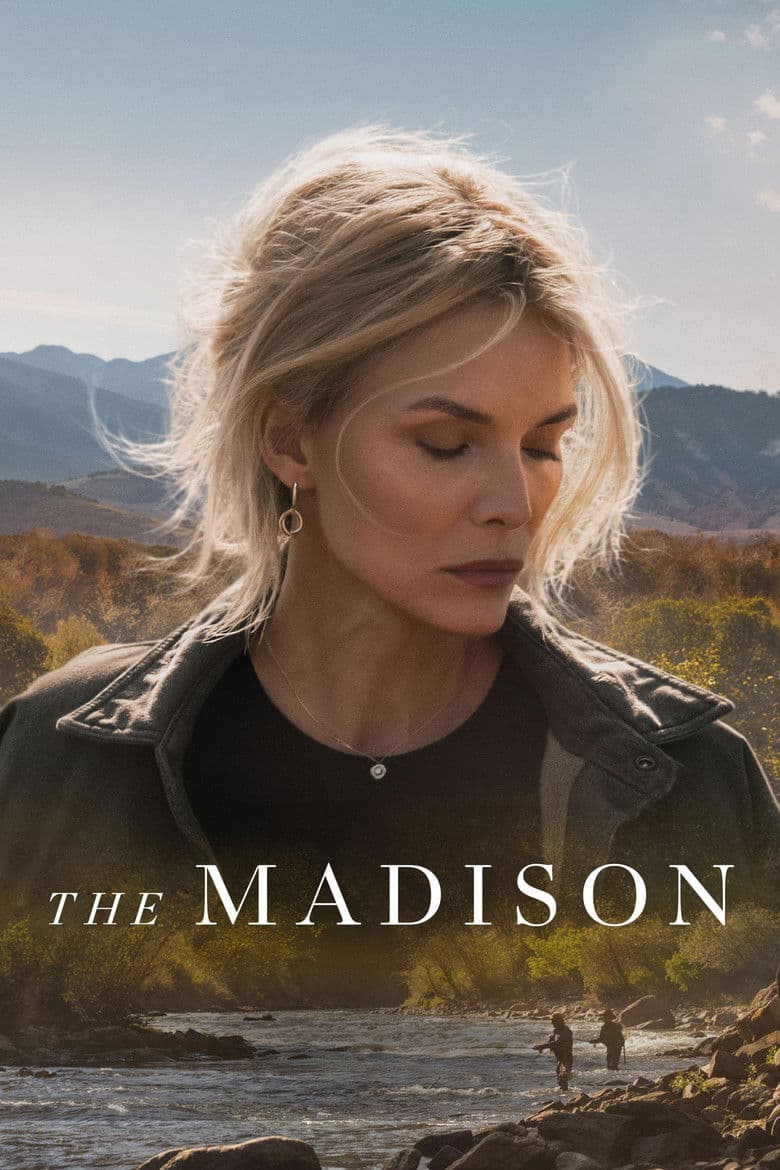
TV Show · 2026
The Clyburns uproot their comfortable New York City lives to the wild, untamed beauty of Montana's Madison River Valley on a search for connection.
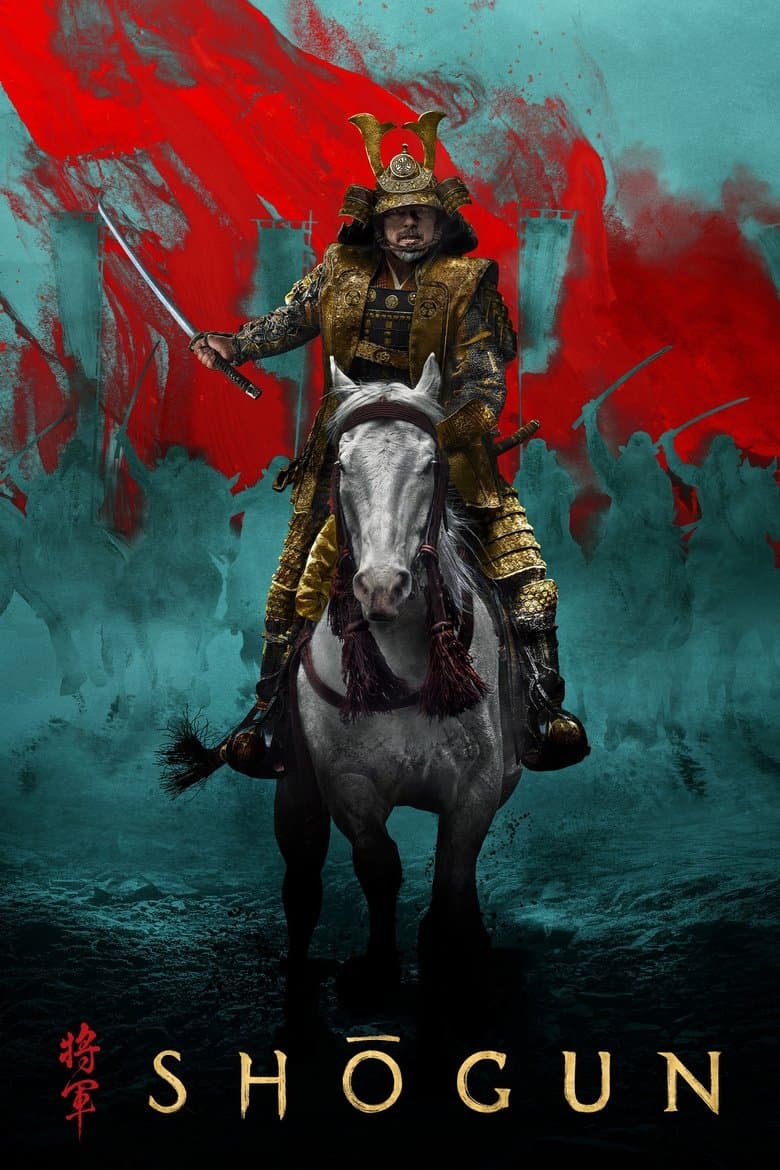
TV Show · 2024
In Japan in the year 1600, at the dawn of a century-defining civil war, Lord Yoshii Toranaga is fighting for his life as his enemies on the Council of Regents unite against him…
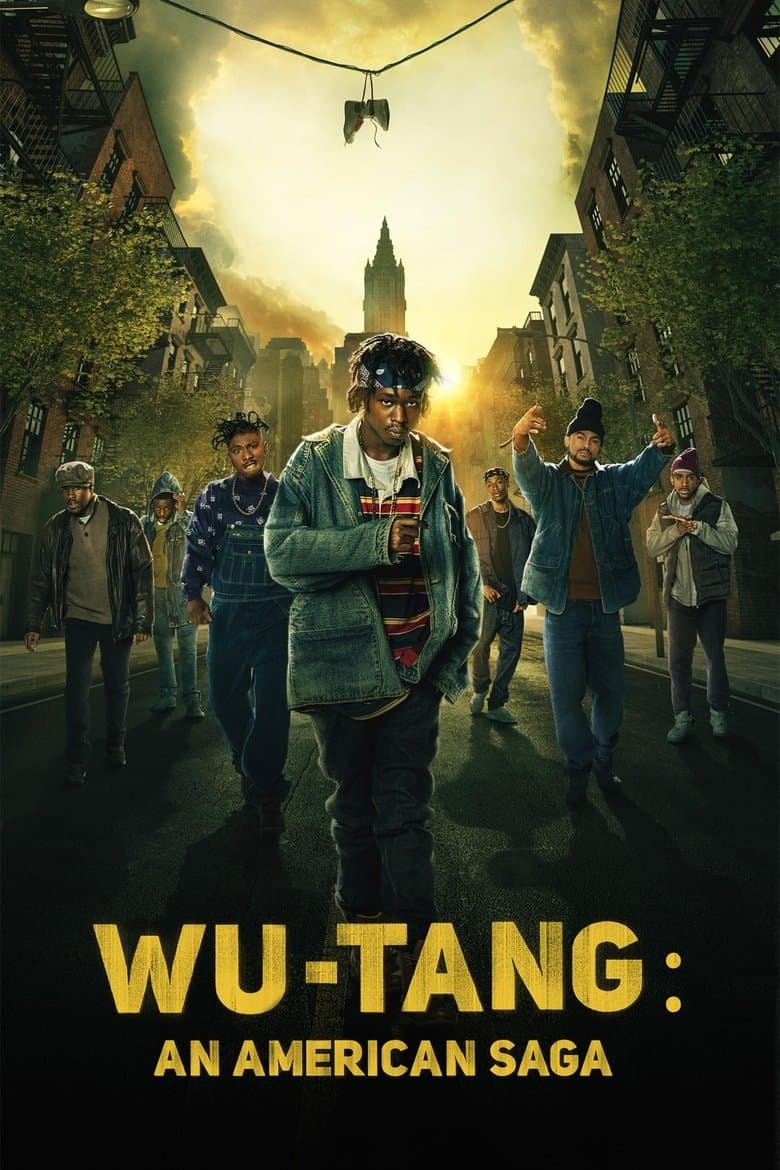
TV Show · 2019
In the early 1990s in New York, during the height of the crack cocaine epidemic, a visionary musician named Bobby Diggs aka The RZA begins to form a super group of a dozen young…
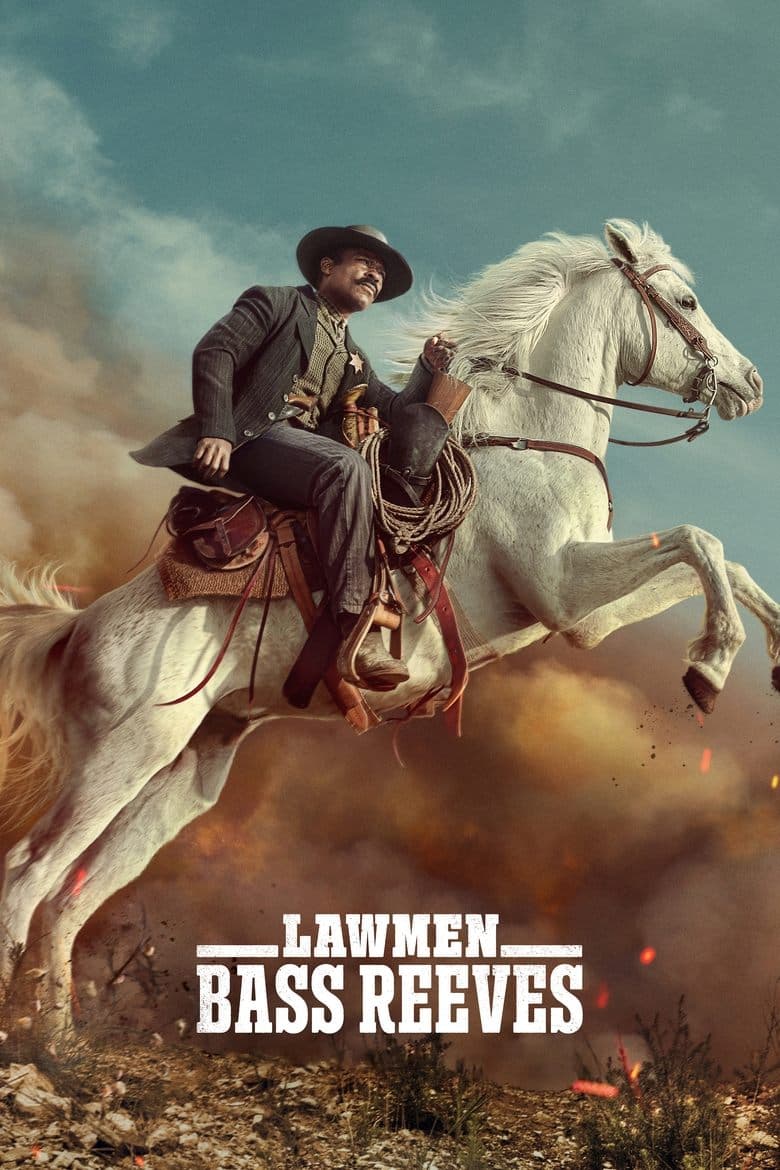
TV Show · 2023
The story of Bass Reeves, the legendary lawman of the wild West, is brought to life. Reeves worked in the post-Reconstruction era as a federal peace officer in the Indian…
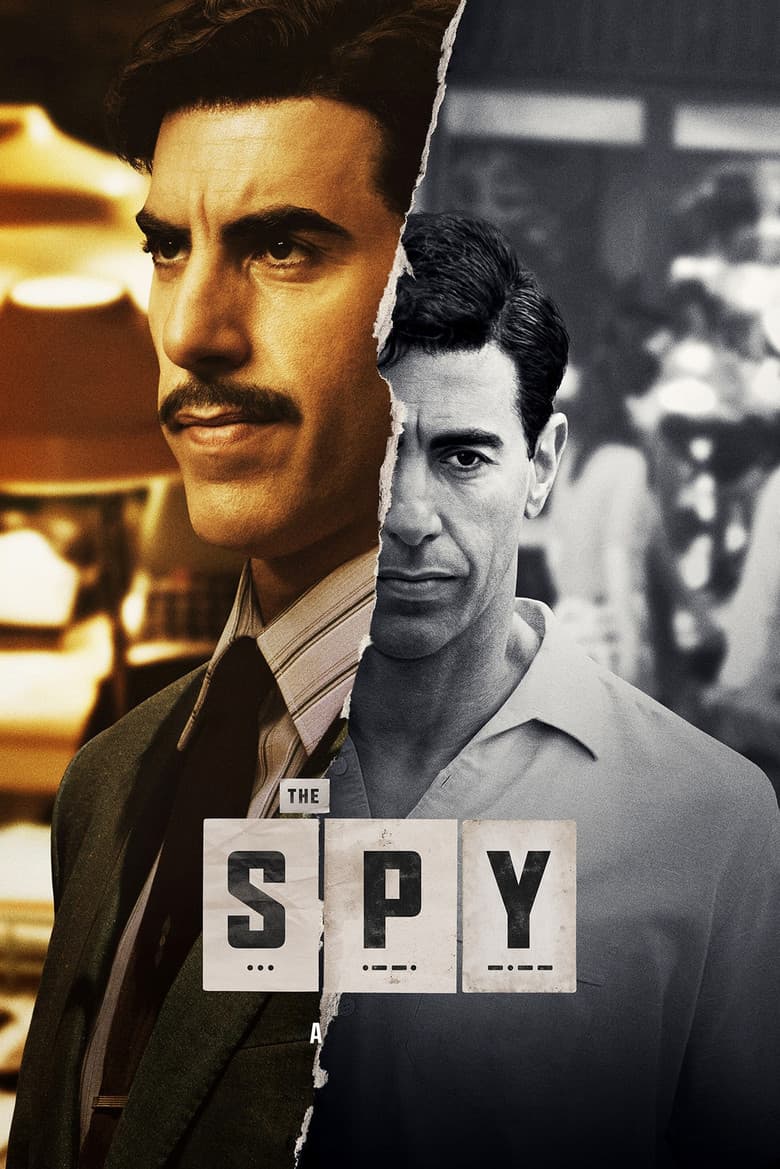
TV Show · 2019
In the 1960s, Israeli clerk-turned-secret agent Eli Cohen goes deep undercover inside Syria on a perilous, years-long mission to spy for Mossad.
TV Show · 2025
Tells the story of the ascent of the biblical figure, David, who becomes the most celebrated king of Israel. The series follows the once-mighty King Saul as he falls victim to his…
