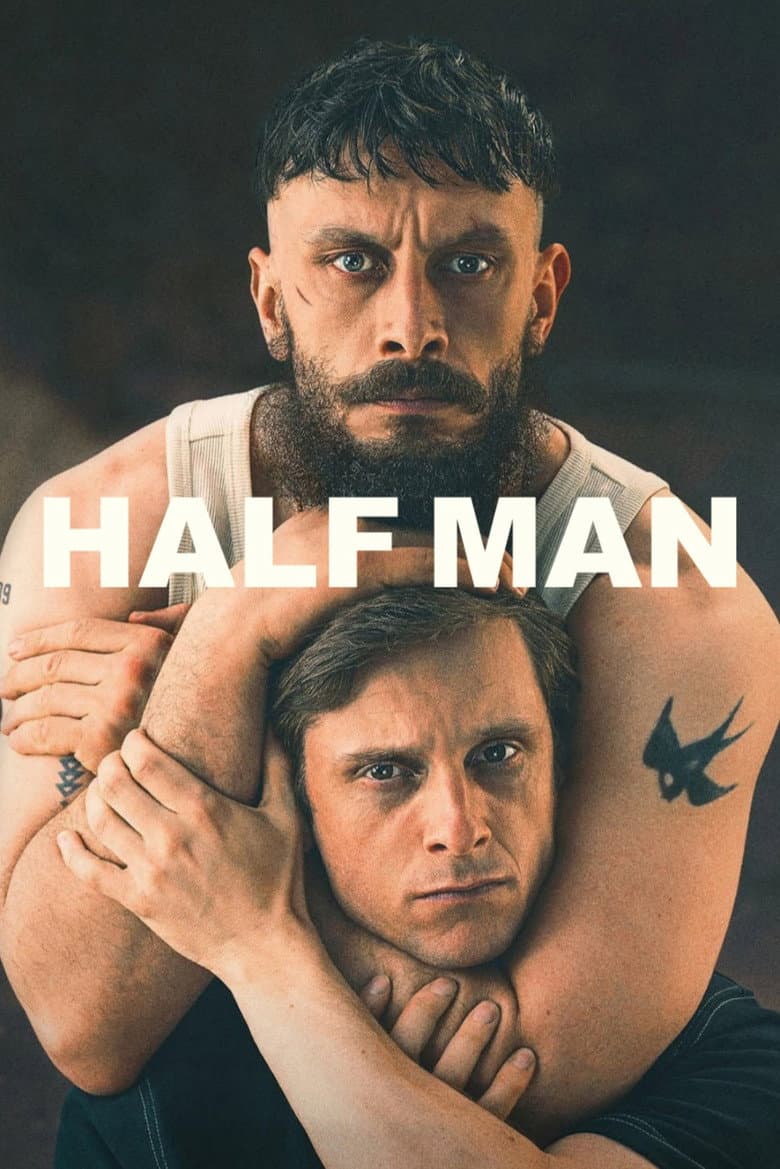
Started April 28, 2026 · Ended · Based on 1 season, 6 episodes through June 2, 2026 · TV-MA
This BBC and HBO six-part drama follows non-blood brothers Niall and Ruben across about thirty years in Glasgow. Their mothers form a household as a lesbian couple and raise the boys together. A burst of violence on a wedding day opens reverse-order flashbacks about bullying, codependency, assault, prison, debt, and repression. Niall is a closeted gay man whose shame, risky sex, conversion therapy, and marriage to Alby shape his path. Ruben is the violent and controlling counterpart in their bond.
Queer identity sits at the heart of what viewers see. Lesbian mothers set the family premise, and Niall’s closeted life, conversion therapy, and marriage to Alby stay front and center. Dialogue often turns on sexuality, shame, coming out, and male violence rather than only generic crime talk. The story also hits hard at harsh masculine norms, male rage, and conversion therapy as a destructive fraud. Critics and LGBTQ press frame it as a queer drama about toxic masculinity and internalized homophobia, so those elements are hard for the audience to miss.
Community feedback
Was our 84% Woke rating accurate?
Breakdown
These are the editorial factors and ratings behind our score for Half Man.
Woke representation / casting
The main leads are white British men in a Glasgow working-class world. Lesbian mothers create the brothers premise, and Niall’s gay arc plus his marriage to Alby put queer identity in the biggest relationship roles. British Asian actress Anjli Mohindra plays Ava. This is not a full multi-identity quota cast, but LGBTQ casting is deliberate and easy for viewers to see.
52%
Woke political dialogue
Talk often centers sexuality, shame, coming out, and male violence instead of only generic crime chat. Ally lines affirm Niall’s identity, courtroom talk paints Alby as a sexual deviant, and conversion-therapy and “I’m gay” scenes stand out. It is not a nonstop manifesto, but identity and masculinity language shows up often and is hard to miss.
48%
Identity-driven story themes
Queer identity drives the whole story, not a side note. Lesbian parents, Niall’s closeted life, conversion therapy, and marriage to Alby sit at the core. Ruben’s attack on Alby ties to control over Niall’s sexuality. Internalized homophobia and male rage run the plot through the wedding climax.
88%
Western institutional / cultural critique
The show keeps attacking harsh traditional masculine norms, male rage, repression, and the nice-guy figure who enables harm. Conversion therapy is shown as a destructive fraud. The critique aims at masculinity culture more than at capitalism, churches, or colonialism as such.
74%
Woke character or canon changes
Not relevant. This is original fiction with no legacy IP or established characters rewritten for identity reasons.
0%
Anti-woke backlash and complaints
There is no large mainstream anti-woke campaign. Most coverage praises the show or complains about bleakness and violence. Some scattered audience posts call out an agenda or masculinity messaging, but the complaint volume is thin and not a major culture-war fight.
18%
Creator track record context
Weight sits with writer Richard Gadd, who is openly bisexual and returns to trauma, male sexual shame, and masculinity crisis. Directors Brodski and Reybrouck are mainly craft-focused. Most producers score low, with only a modest extra signal on one producer, so the overall creator context stays moderate.
38%
Production
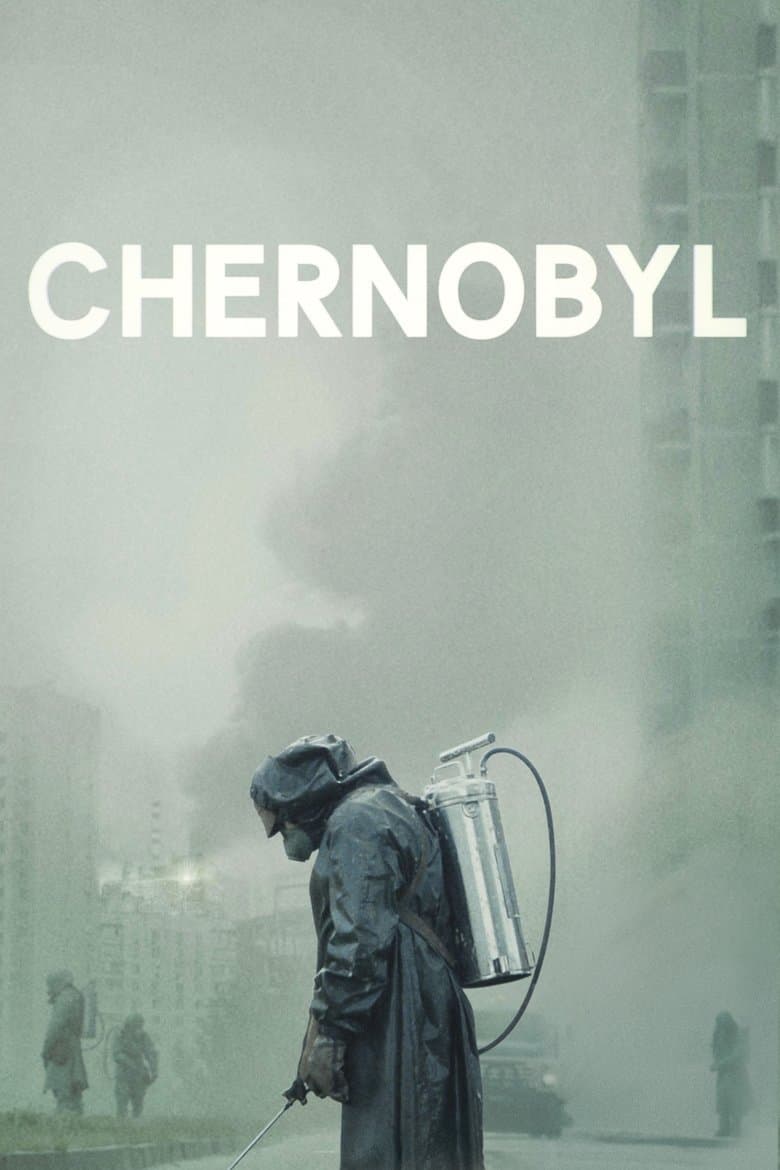
TV Show · 2019
The true story of one of the worst man-made catastrophes in history: the catastrophic nuclear accident at Chernobyl.
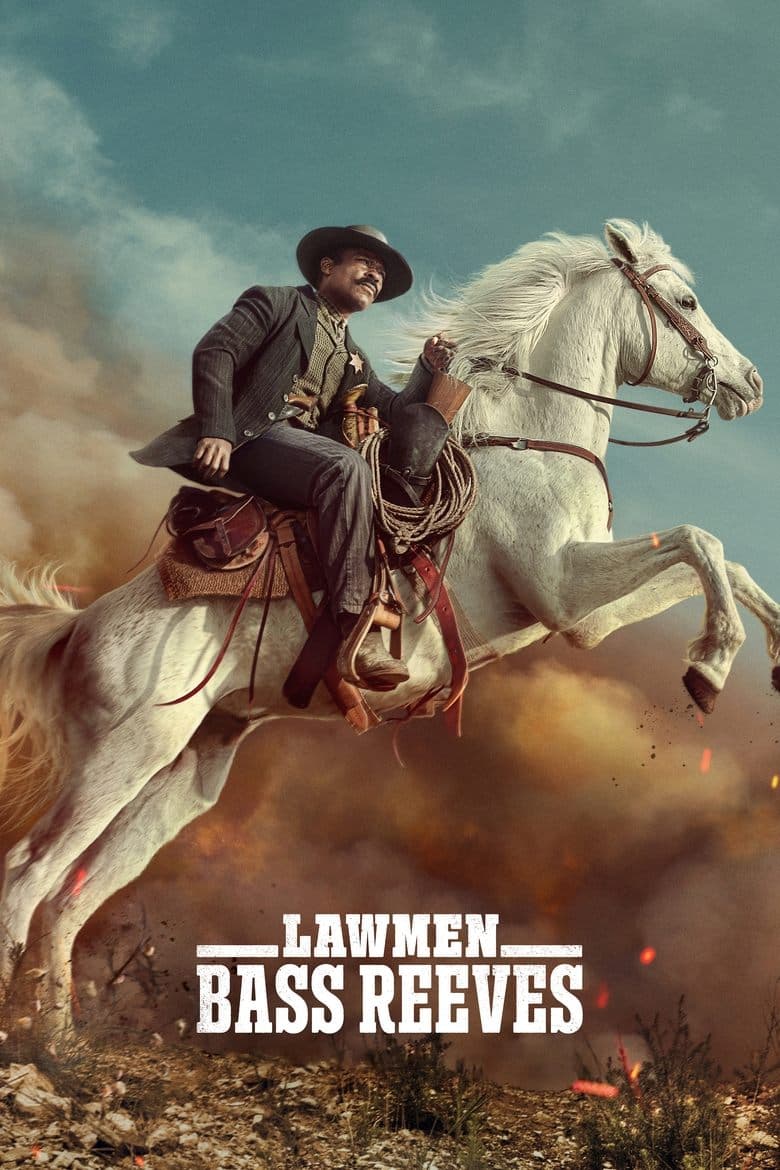
TV Show · 2023
The story of Bass Reeves, the legendary lawman of the wild West, is brought to life. Reeves worked in the post-Reconstruction era as a federal peace officer in the Indian…
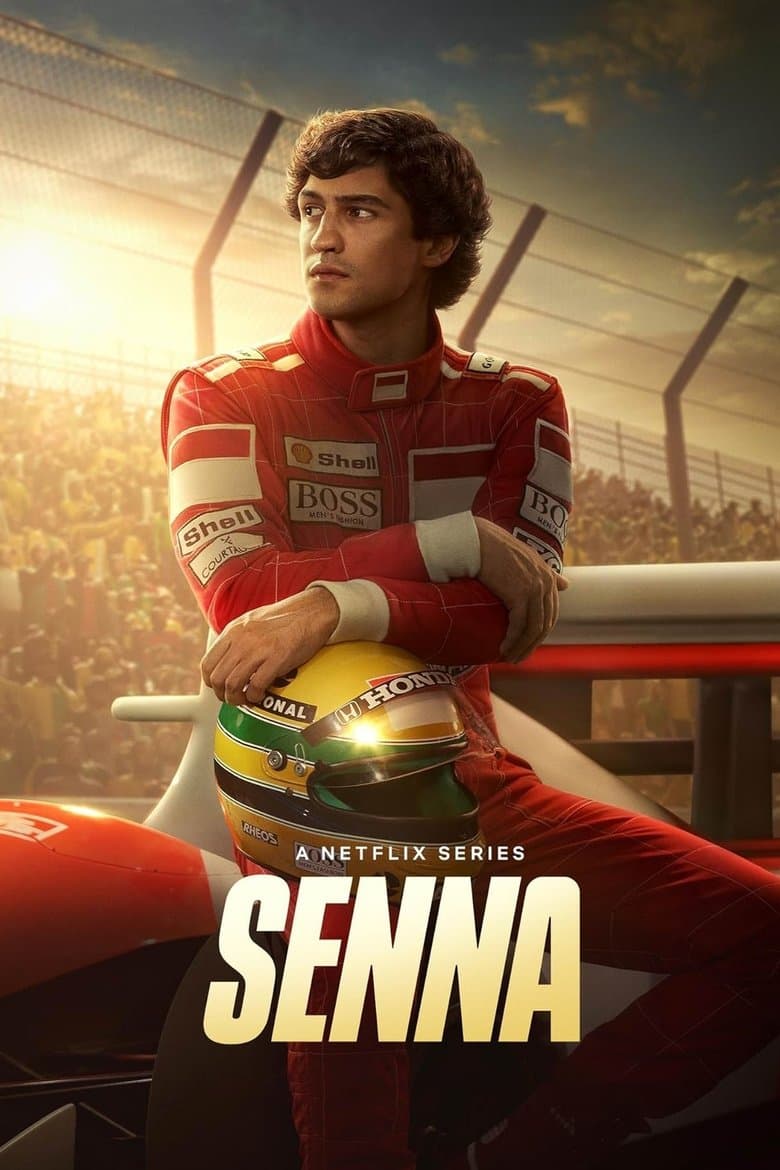
TV Show · 2024
Fascinated by cars since childhood, Brazilian racer Ayrton Senna became a sports legend — until tragedy struck, changing Formula 1 forever.
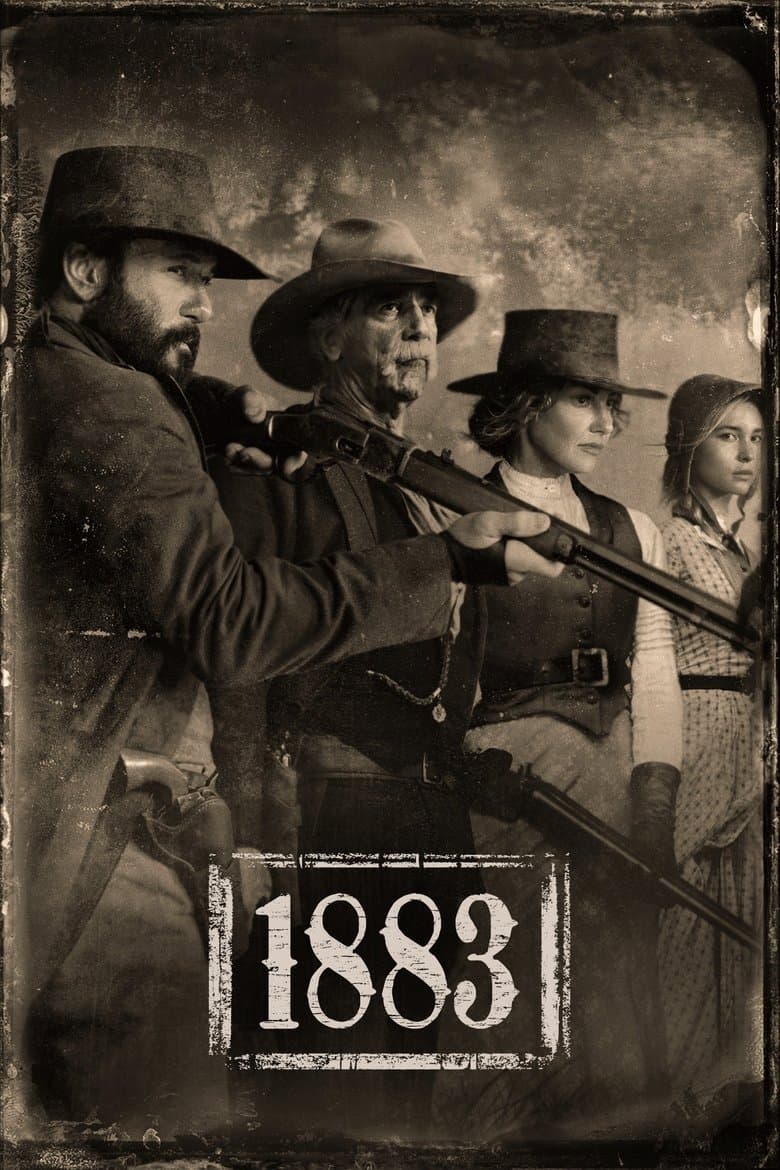
TV Show · 2021
Follow the Dutton family as they embark on a journey west through the Great Plains toward the last bastion of untamed America.
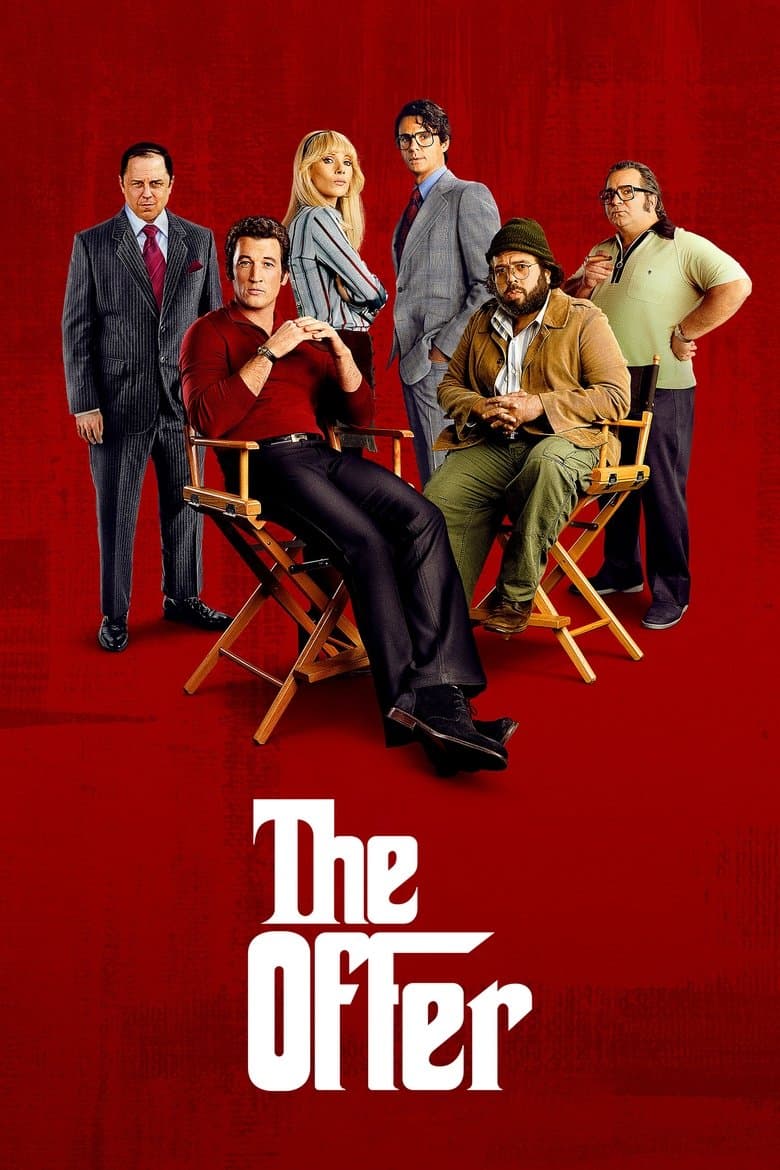
TV Show · 2022
Oscar-winning producer Al Ruddy’s never before revealed experiences of making the iconic 1972 film The Godfather that Francis Ford Coppola directed and adapted with Mario Puzo.
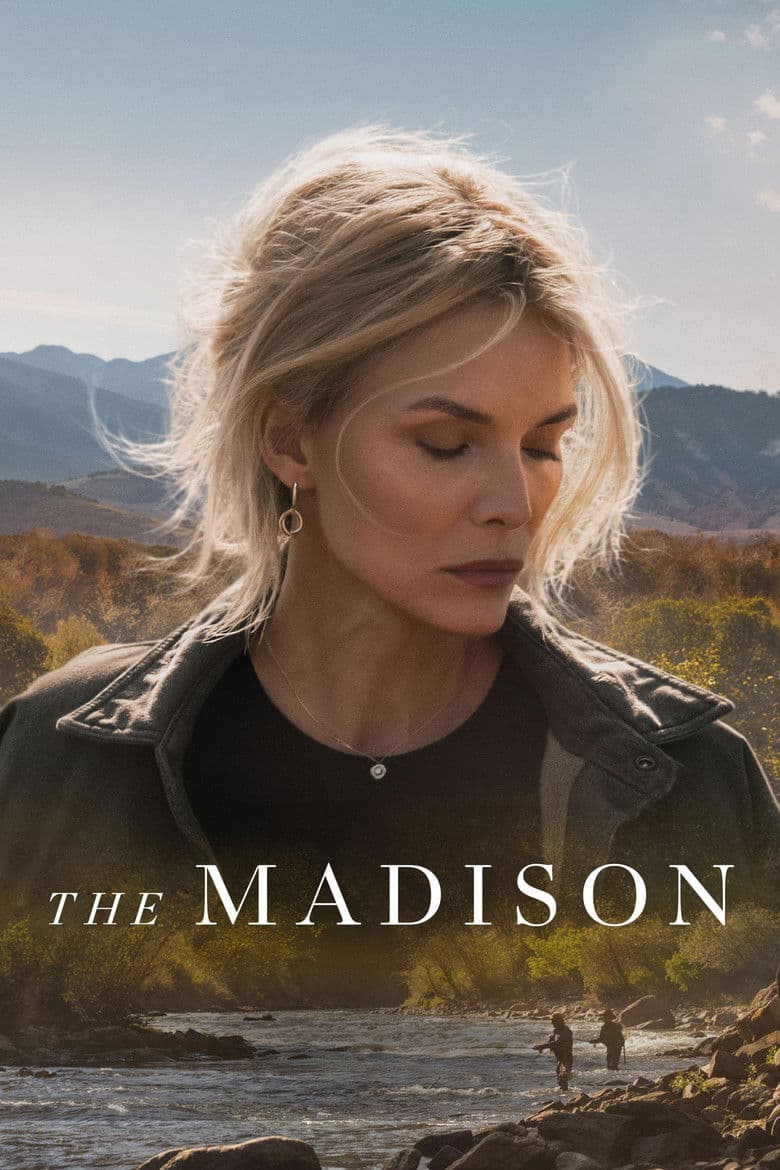
TV Show · 2026
The Clyburns uproot their comfortable New York City lives to the wild, untamed beauty of Montana's Madison River Valley on a search for connection.
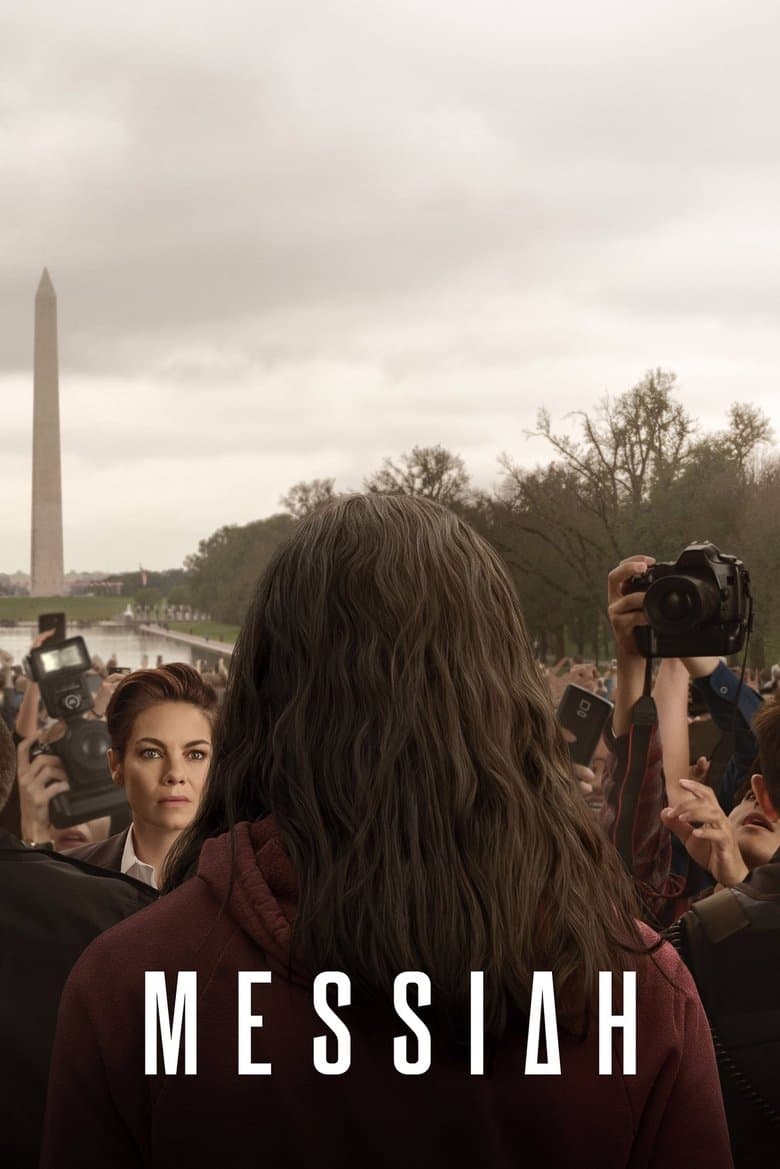
TV Show · 2020
A wary CIA officer investigates a charismatic man who sparks a spiritual movement and stirs political unrest. Who exactly is he? And what does he want?
TV Show · 2024
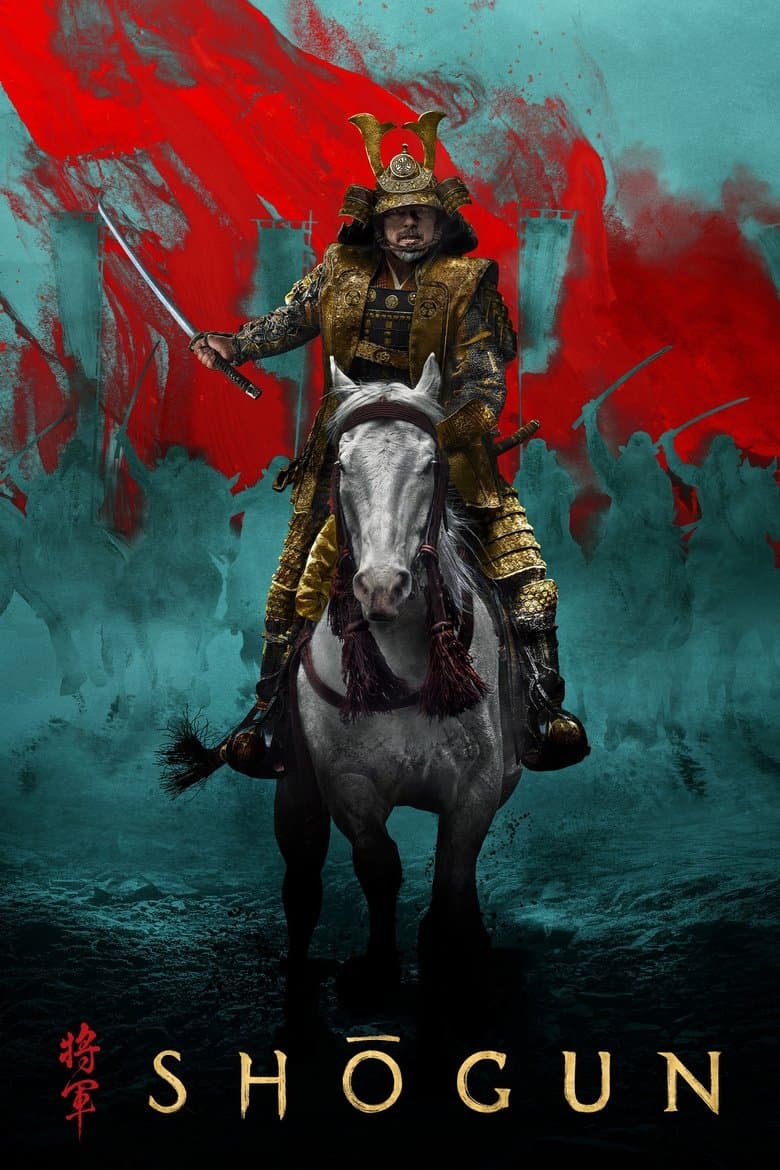
In Japan in the year 1600, at the dawn of a century-defining civil war, Lord Yoshii Toranaga is fighting for his life as his enemies on the Council of Regents unite against him…
