
Started November 17, 2022 · Ended · Based on 1 season, 8 episodes through December 29, 2022 · TV-MA
Toby Fleishman is a Jewish liver doctor in his early forties who has just separated from Rachel, his wife of 15 years. He moves into a new apartment and enjoys sudden success on dating apps. Rachel leaves their two children with him after a retreat and then stops answering calls. Set among wealthy families on Manhattan’s Upper East Side in the summer of 2016, the show uses a sharp, sad, and often funny tone as Toby searches for answers and faces his own selfishness.
The story slowly shifts from Toby’s view to Libby’s and Rachel’s views. It presents women’s work, motherhood, marriage, and sexual freedom as areas where men and women face different rules. Rachel’s childbirth trauma, workplace sexism, and mental health crisis become major parts of the final episodes. The show also questions male entitlement, the pressure to be a perfect mother, and the idea that a woman’s story must be told through a man before people will care.
Community feedback
Was our 57% Woke rating accurate?
Breakdown
These are the editorial factors and ratings behind our score for Fleishman Is in Trouble.
Woke representation / casting
Not present. The main cast centers on white Jewish New Yorkers in a modern Manhattan setting. Female characters hold important jobs, but the show does not use a clear diversity-first casting pattern.
0%
Woke political dialogue
The narration and arguments discuss sexism, male sympathy, women’s ambition, and marriage. The show places Hillary Clinton signs and the 2016 election in the background. Libby questions slogans such as “The future is female,” while Rachel talks about unfair treatment at work. These points recur, but the show does not become a party-political debate.
35%
Identity-driven story themes
The story makes gender and women’s experience central to the mystery and the marriage plot. Toby first receives the most sympathy, but Libby and Rachel later show how women face different rules about work, motherhood, sex, and pain. Rachel’s birth trauma and later mental health crisis shape the final part of the season. The show says that men often get more patience while women are judged for ambition and anger.
64%
Western institutional / cultural critique
The show repeatedly questions marriage, motherhood, and the belief that women should put family first. Rachel’s boss and her obstetrician treat her in ways the story presents as sexist and harmful. Toby expects credit for caring for his children while judging Rachel for her career, and the story later exposes his unfair view. The satire also mocks wealthy New York status habits, but it does not attack Christianity.
52%
Woke character or canon changes
Not relevant. The show adapts Taffy Brodesser-Akner’s own novel. It does not change a famous character, franchise, or real historical person to make an identity point.
0%
Anti-woke backlash and complaints
Not present. Public X searches found no meaningful anti-woke reaction. Other public discussion focused on pacing, dating apps, Toby’s behavior, and the late shift to Rachel’s story.
0%
Creator track record context
Taffy Brodesser-Akner’s public work centers on gender relations, marriage, motherhood, divorce, and unequal expectations for women. Sarah Timberman has a stronger women-centered record, while Alice Wu has a strong queer-representation record. Most other key creatives have little or no public activist record. These backgrounds fit the show’s gender focus, but they do not show a broad activist campaign around the series.
35%
Production
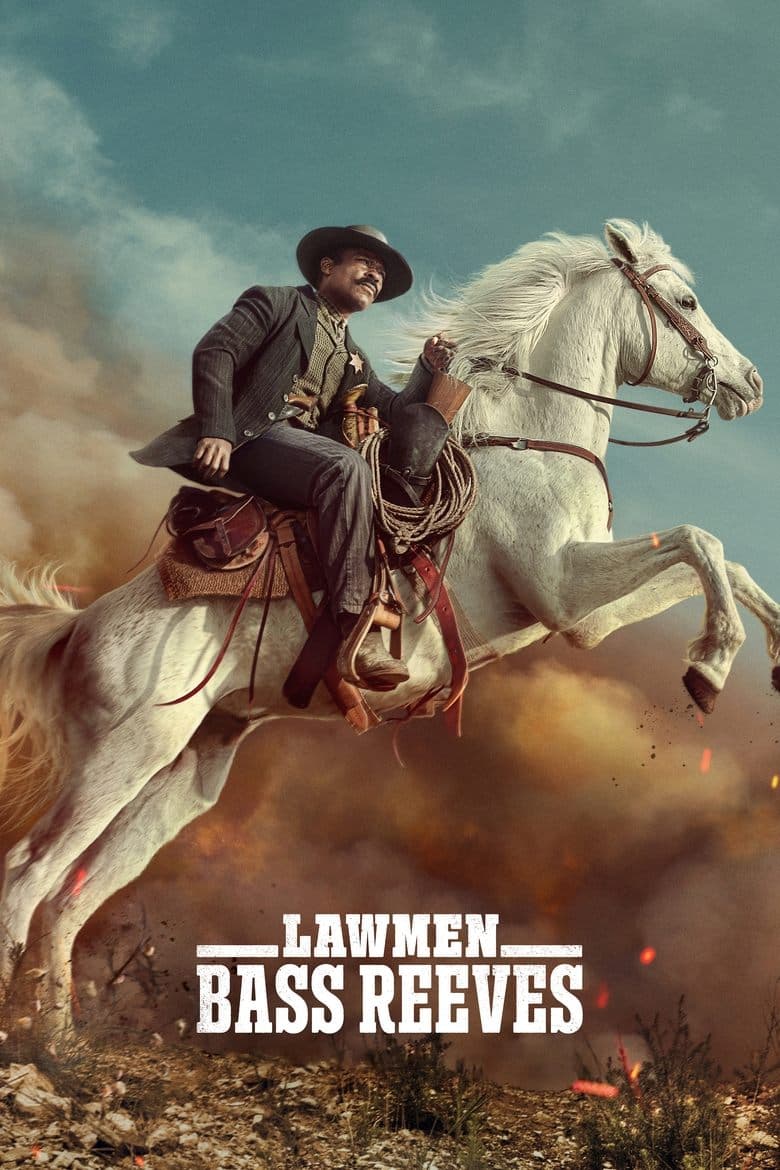
TV Show · 2023
The story of Bass Reeves, the legendary lawman of the wild West, is brought to life. Reeves worked in the post-Reconstruction era as a federal peace officer in the Indian…
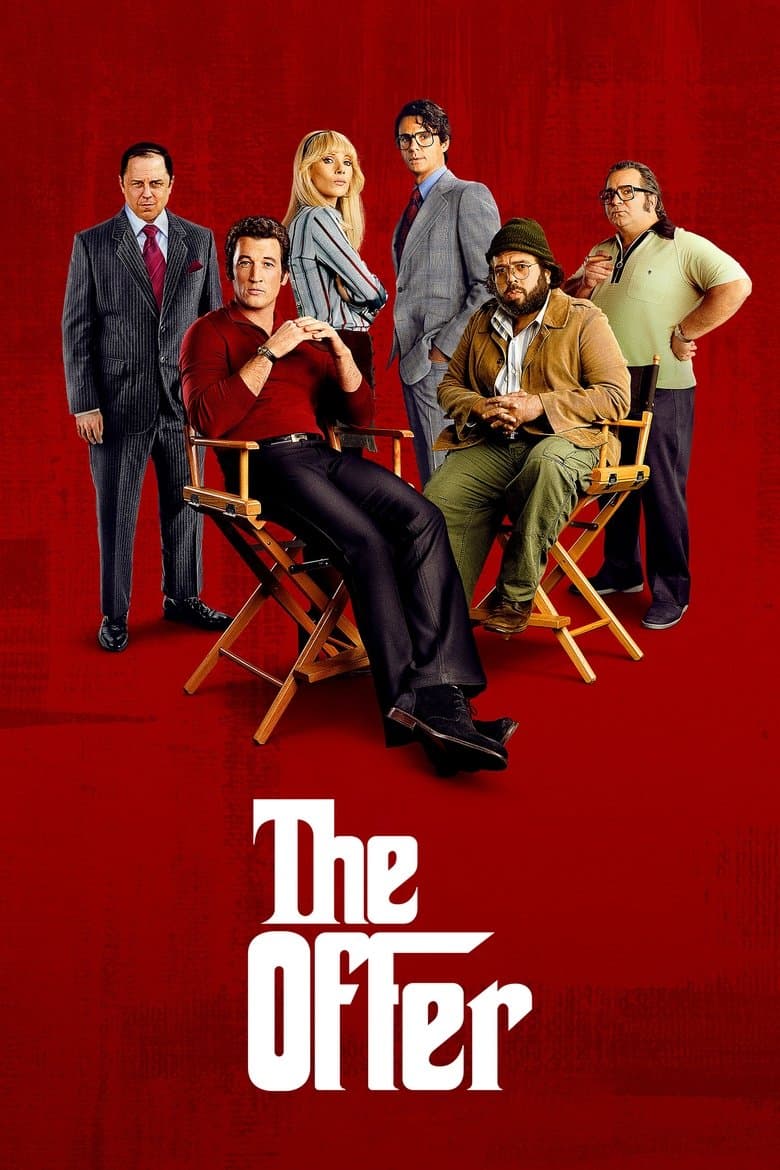
TV Show · 2022
Oscar-winning producer Al Ruddy’s never before revealed experiences of making the iconic 1972 film The Godfather that Francis Ford Coppola directed and adapted with Mario Puzo.
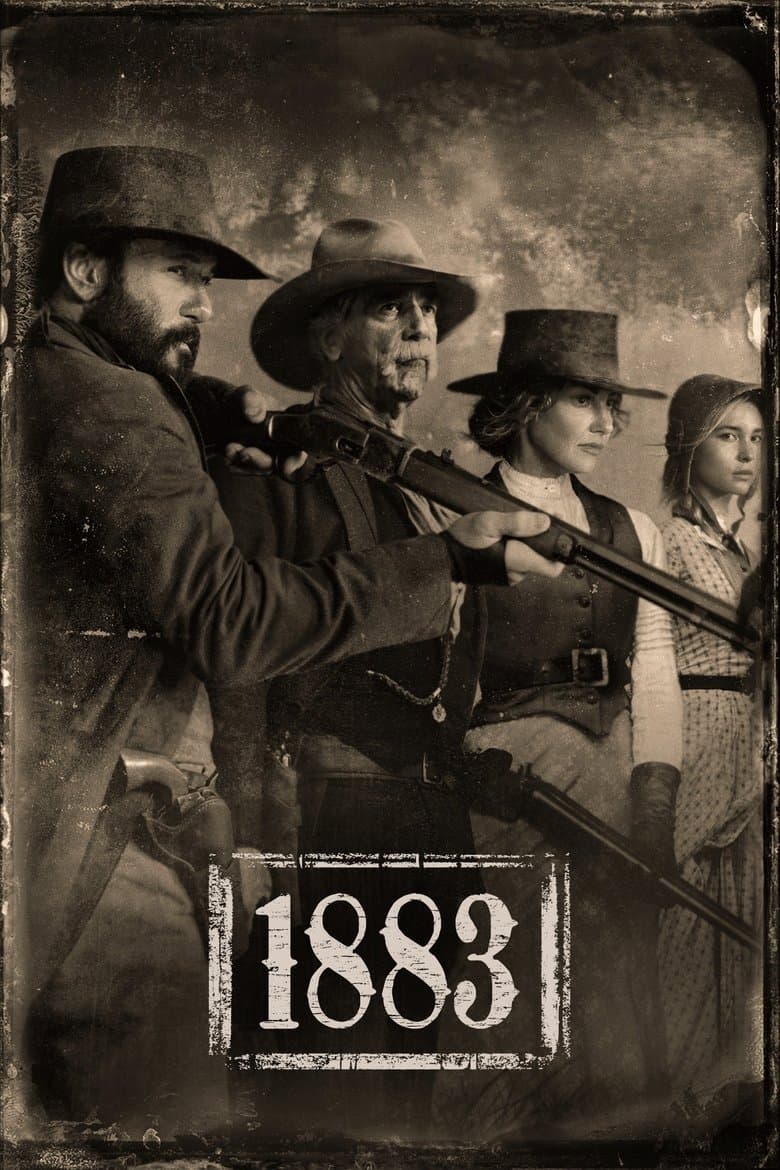
TV Show · 2021
Follow the Dutton family as they embark on a journey west through the Great Plains toward the last bastion of untamed America.
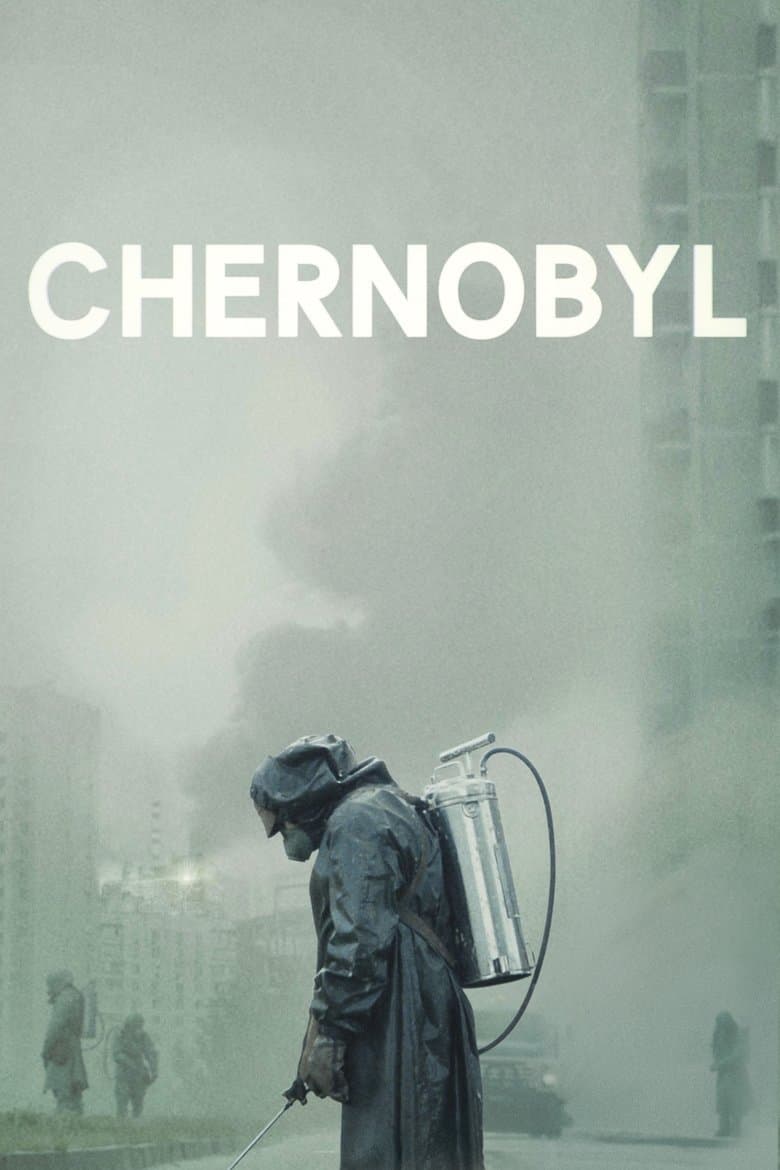
TV Show · 2019
The true story of one of the worst man-made catastrophes in history: the catastrophic nuclear accident at Chernobyl.
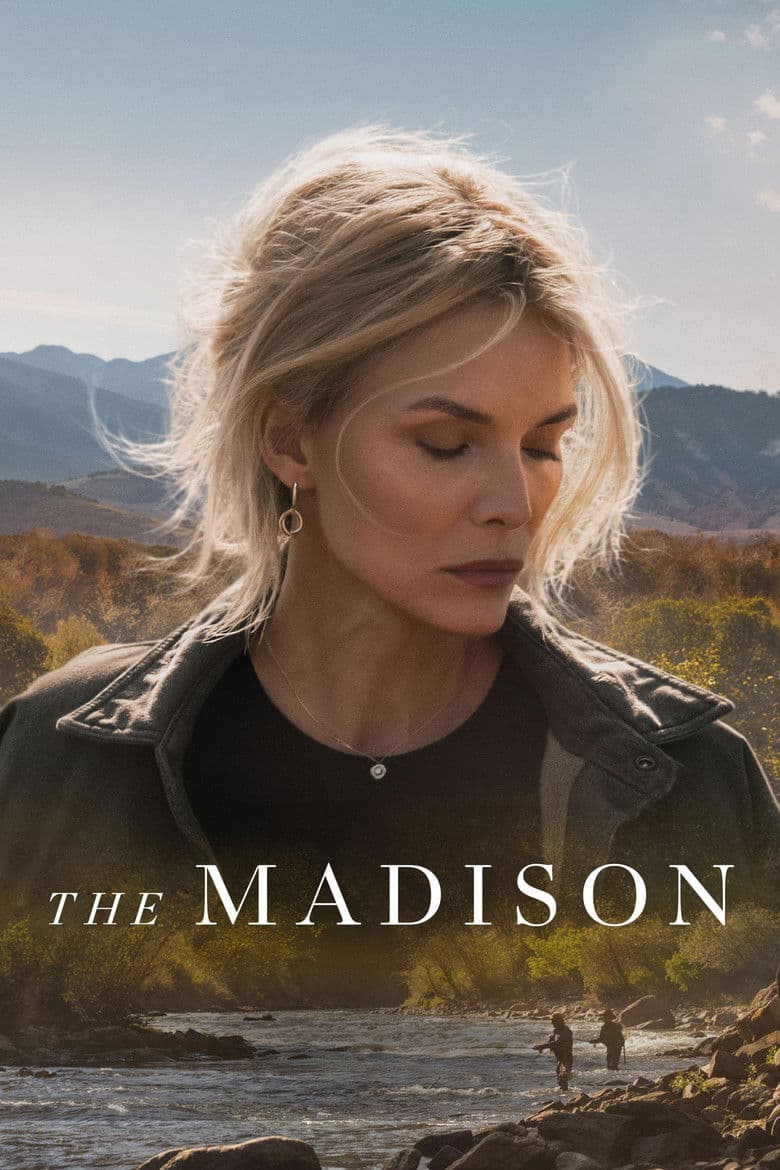
TV Show · 2026
The Clyburns uproot their comfortable New York City lives to the wild, untamed beauty of Montana's Madison River Valley on a search for connection.
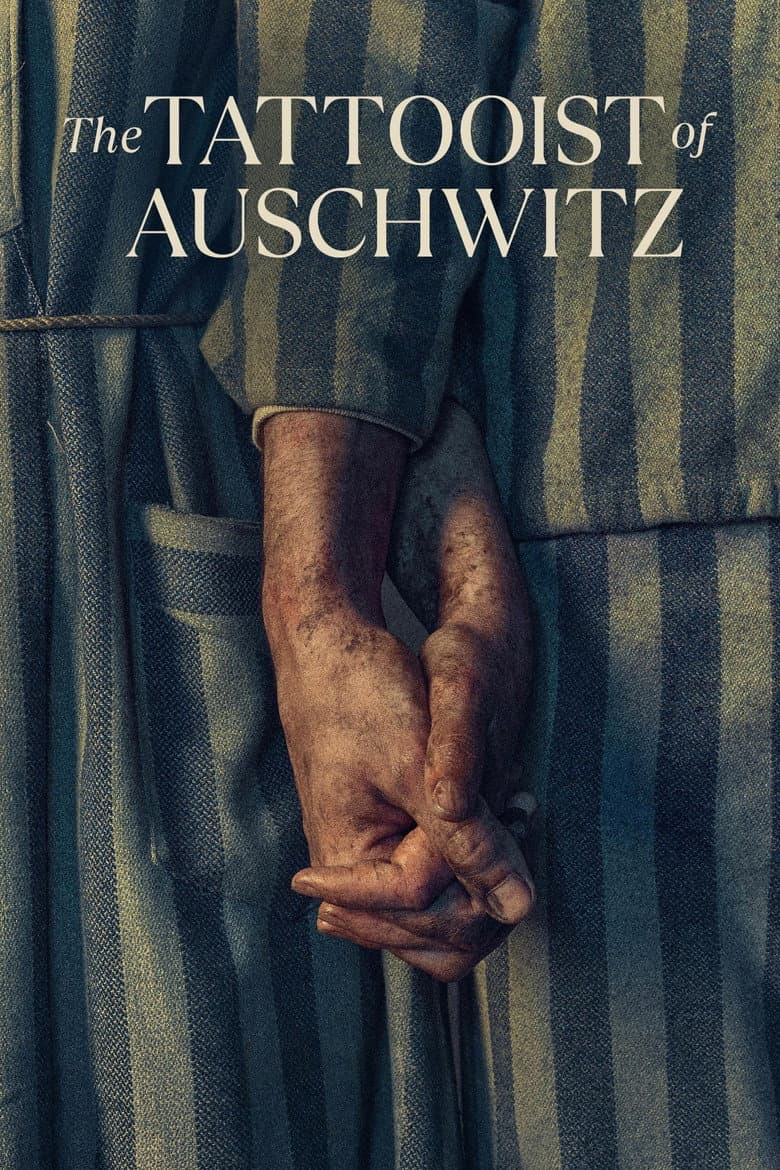
TV Show · 2024
The powerful real-life story of Lali Sokolov, a Jewish prisoner who was tasked with tattooing ID numbers on prisoners' arms in the Auschwitz-Birkenau concentration camp during…
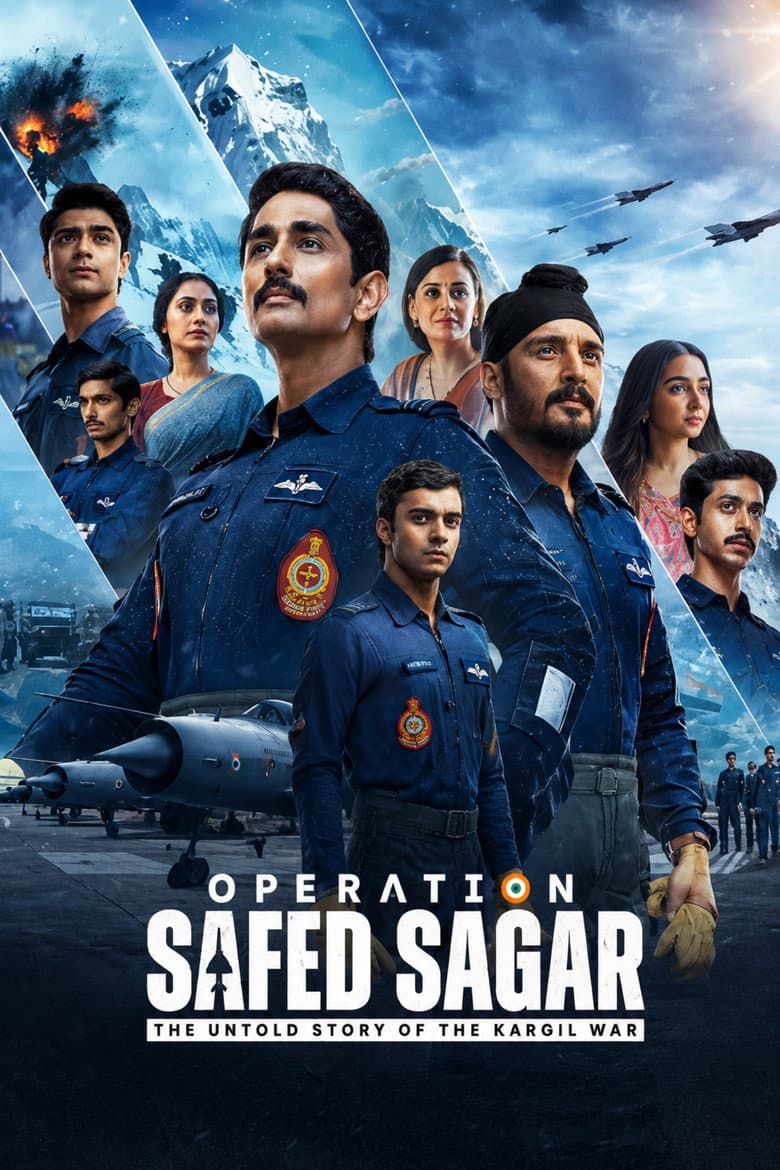
TV Show · 2026
As the Kargil War erupts between India and Pakistan, the Golden Arrows squadron of the Air Force takes flight on a dangerous mission behind enemy lines.
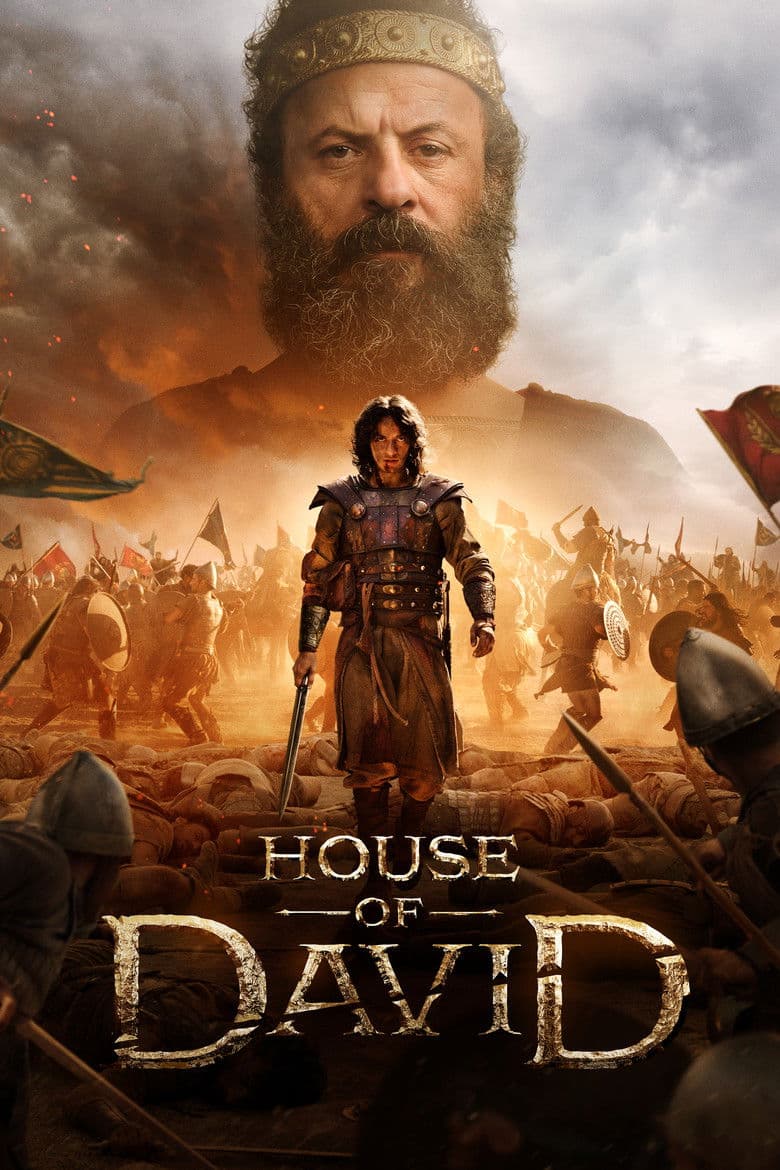
TV Show · 2025
Tells the story of the ascent of the biblical figure, David, who becomes the most celebrated king of Israel. The series follows the once-mighty King Saul as he falls victim to his…
