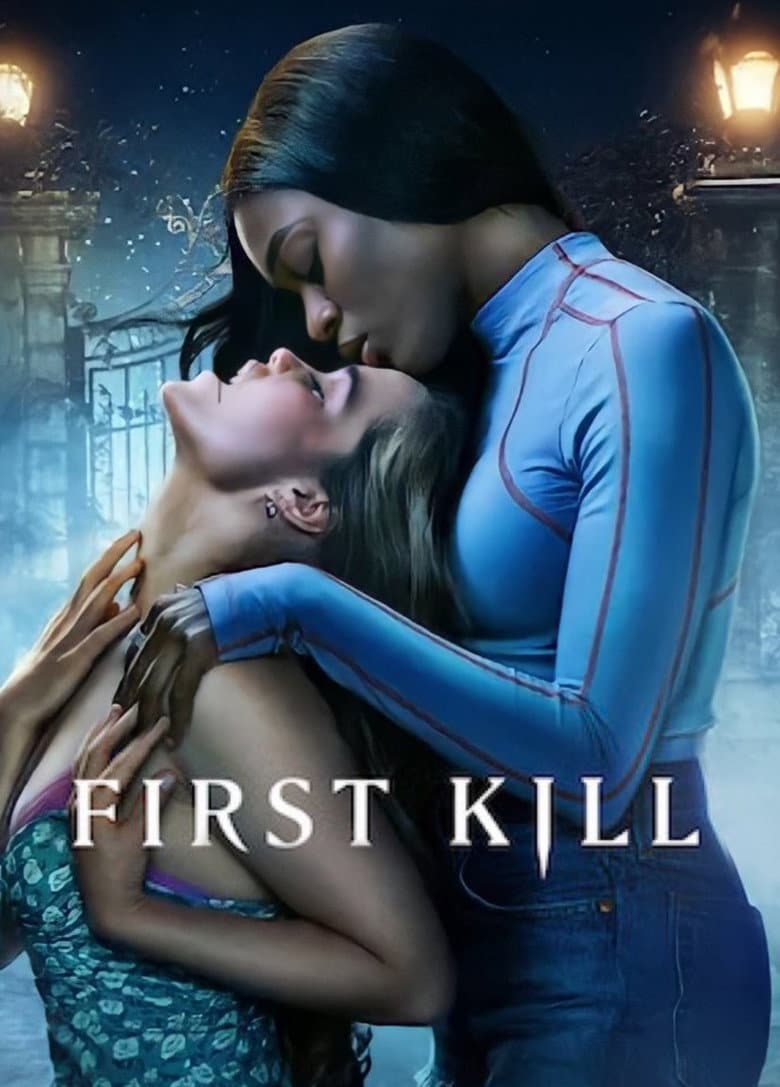
Started June 10, 2022 · Canceled · Based on 1 season, 8 episodes through June 10, 2022 · TV-MA
First Kill follows Juliette Fairmont, a teenage vampire in a rich and powerful family, and Calliope Burns, a teenage hunter who has trained all her life to kill monsters. The girls meet at a Savannah high school while each faces pressure to make a first kill. Juliette wants to avoid hurting people, while Calliope wants to prove herself after a failed hunt. Their attraction turns a family war into a dangerous romance. The show mixes teen drama, romance, gore, family secrets, and campy supernatural action.
The strongest woke element is the central romance between two queer girls, one Black and one white, and the show treats their love as normal and worthy of protection. The story gives both girls the main heroic roles and also includes other queer characters and a large black family in major roles. Across the season, the girls question old family rules that tell them who is a monster and who deserves trust. The show presents inherited duty, group labels, and strict family systems as harmful when they stop people from choosing their own lives. These ideas shape the romance and the main conflict, but the show uses fantasy families and vampire lore rather than direct real-world political debates.
Community feedback
Was our 78% Woke rating accurate?
Breakdown
These are the editorial factors and ratings behind our score for First Kill.
Woke representation / casting
The leads are a black girl and a white girl in a central romance. The show gives both girls the main heroic roles. The Burns family is a large black family in the main plot, and Ben and Tess are queer supporting characters. Launch coverage openly presented these choices as queer and black representation.
44%
Woke political dialogue
Juliette and Calliope repeatedly question the rule that whole groups should be called monsters. Juliette speaks against family duty that requires killing, and Calliope questions her guild’s claim that every vampire is evil. These are simple identity and group-label arguments, not modern political speeches.
17%
Identity-driven story themes
Juliette and Calliope’s romance is the main story. Both girls are queer, and the show treats their relationship as normal and worth protecting. The season repeatedly asks whether people should be judged by a group label such as vampire or hunter. The girls reject family duties and old rules when those rules block love and personal choice.
92%
Western institutional / cultural critique
The show treats the vampire hierarchy and hunter guild as harmful systems. Both families train children to obey old rules and call outsiders monsters. Juliette and Calliope challenge those rules after seeing cruelty on both sides. The story criticizes inherited power and strict family roles, but it does not directly attack capitalism, Christianity, or modern Western institutions.
34%
Woke character or canon changes
Not relevant. The series expands V. E. Schwab’s short story with more family and monster plots. No established character is visibly changed for an identity message.
0%
Anti-woke backlash and complaints
Not present. The supplied X pass found no anti-woke reaction or named complaints. Web coverage focused on queer and black representation, quality, and Netflix’s handling of the show, not claims that it pushed DEI or identity politics.
0%
Creator track record context
V. E. Schwab has a strong queer representation focus in her fiction, and the stored creator score is 85/100. Title-related interviews describe authentic queer characters, acceptance, family pressure, and a diverse creative team. Stored scores for Amanda Tapping, Jet Wilkinson, and Emma Roberts are lower, and their summaries do not show a strong identity-politics record for this title. This context supports the show’s clear queer focus without proving extra content beyond the season.
70%
Production
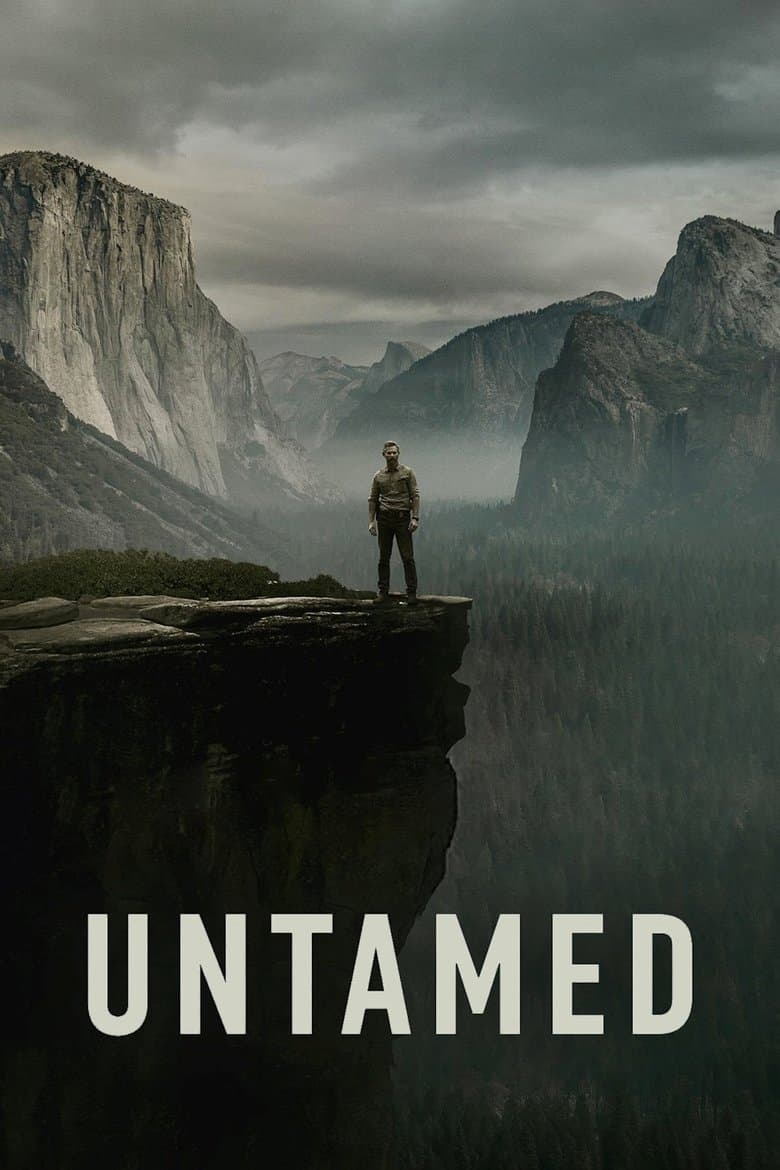
TV Show · 2025
In the vast expanse of Yosemite National Park, a woman's death draws a federal agent into lawless terrain — where nature obeys no rules but its own.
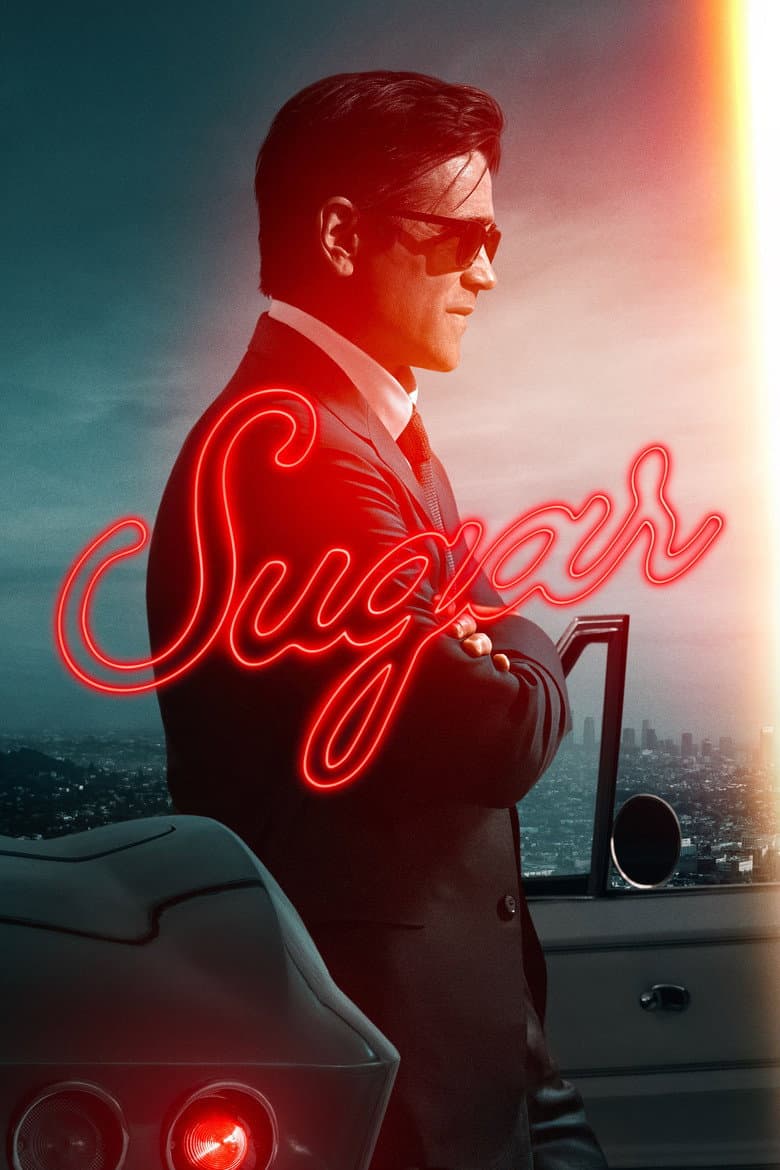
TV Show · 2024
John Sugar is a dashing private eye navigating the dark corners of sunny LA. Though he sees only the good in humanity, Sugar is haunted by a secret too dangerous to expose.
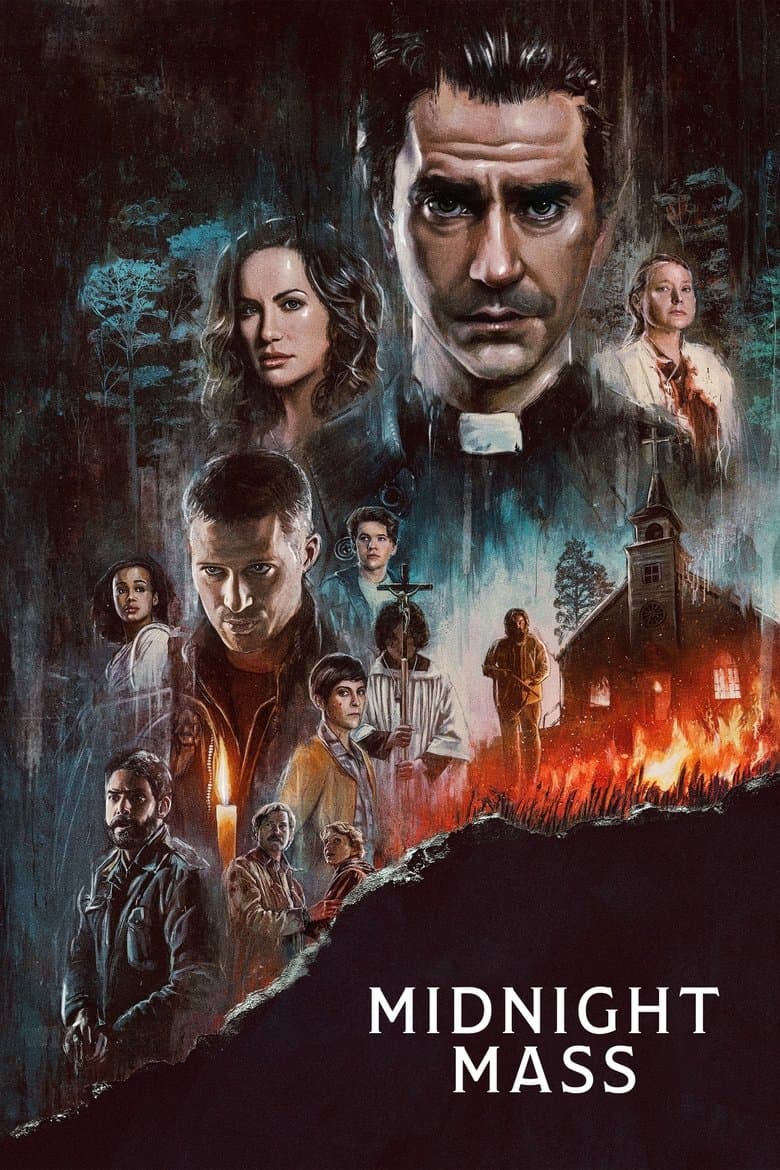
TV Show · 2021
The arrival of a charismatic young priest brings glorious miracles, ominous mysteries and renewed religious fervor to a dying town desperate to believe.
TV Show · 2023
A mysterious woman's escape from her harrowing captivity points investigators toward the dark truth behind an unsolved disappearance 13 years earlier.
TV Show · 2021
A detective in a small Pennsylvania town investigates a local murder while trying to keep her life from falling apart.
TV Show · 2018
In 1994, a toddler disappeared from a small Welsh village, never to be seen again. 23 years later, in London, the mother of rising cello star Matilda Gray commits suicide, without…
TV Show · 2025
A brash but brilliant cop becomes head of a new police department, where he leads an unlikely team of misfits in solving Edinburgh's cold cases.
TV Show · 2022
Identical twins Leni and Gina have secretly switched places for years. But when one sister disappears, both of their lives start to fall apart.
