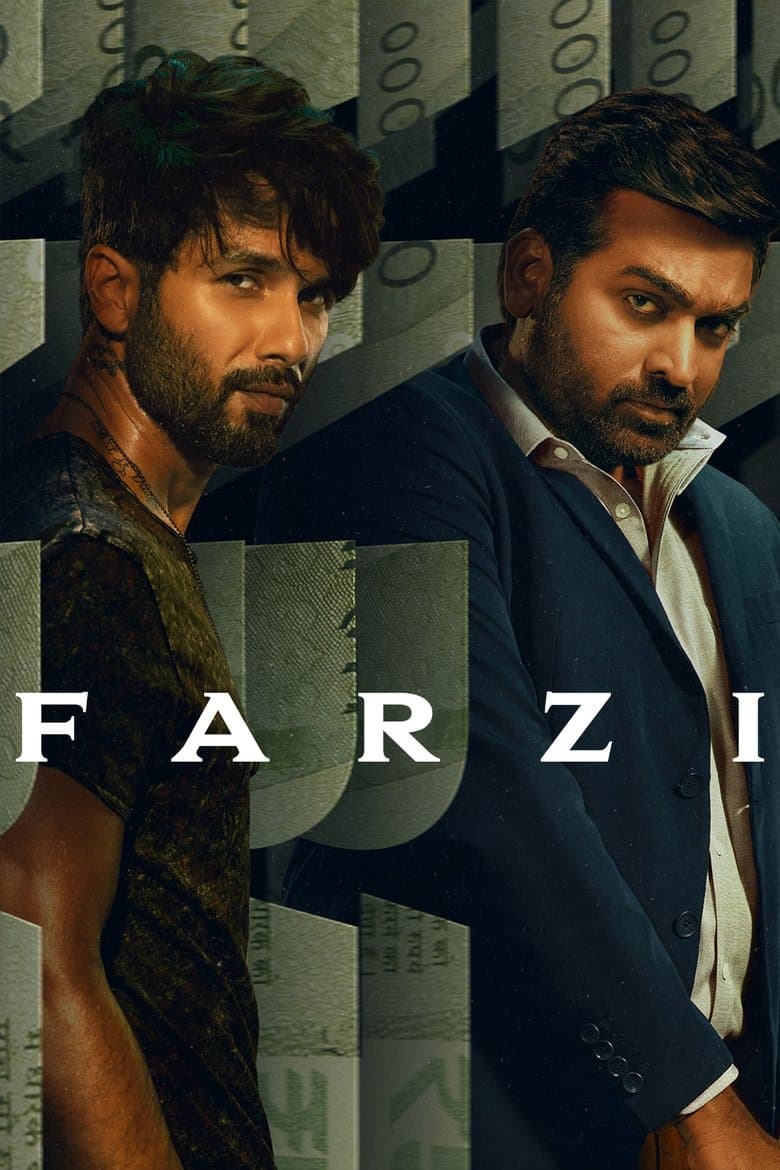
Started February 10, 2023 · Returning Series · Based on 1 season, 8 episodes through February 10, 2023 · TV-MA · Hindi
Farzi follows Sunny, a gifted painter who lives in Mumbai and helps his grandfather run a failing printing press. When debt threatens the press, Sunny and his friend Firoz begin making fake money, and Sunny soon joins a dangerous crime network. Michael, a hard-driving officer, builds a special team to stop the fake notes, while RBI officer Megha follows clues that others ignore. The show mixes dark crime, sharp jokes, family pain, and fast action.
The clearest woke element is the show's sympathy for middle-class anger at debt, rich people, and a system Sunny says keeps the poor paying while the rich collect interest. Sunny calls for a revolution and jokes that making fake money is social service, so the show gives an anti-rich message real space in its early episodes. Megha is a skilled woman in a male workplace, and the story shows her being ignored, pushing past male authority, and pursuing her own choices. The gender message returns through her case and Michael's divorce, but it stays behind the main fake-money story.
Community feedback
Was our 45% Woke rating accurate?
Breakdown
These are the editorial factors and ratings behind our score for Farzi.
Woke representation / casting
Farzi gives Megha a prominent role as a skilled RBI officer in a mostly male crime story. The show treats her place in a male workplace as part of the character, not just a neutral job detail. The rest of the main cast fits a present-day Indian setting, so the identity signal is limited.
20%
Woke political dialogue
Sunny repeatedly attacks a money system that he says keeps poor people paying loans while rich people collect interest. He calls for a revolution and later defends fake money as a way to help the economy. The show also uses lines about unemployment, taxes, and the rich getting richer. These ideas are strongest in the first two episodes and are not the main subject of the later crime plot.
42%
Identity-driven story themes
Megha builds a better fake-note scanner, gets ignored by a male superior, and pushes into the main investigation. She keeps her own career goals and makes independent choices while the men around her hold most of the power. Rekha leaves Michael after his job, drinking, and poor parenting damage the marriage, and she gains custody of their son. These gender arcs matter across the season but remain side plots behind Sunny's rise in crime.
42%
Western institutional / cultural critique
The show gives a small modern gender-role critique through Megha being brushed aside by male bosses and Rekha leaving a husband who puts work before family. It also shows government offices as slow, self-protective, and more focused on elections than public safety. These points are limited and do not become a broad attack on family, religion, or Western institutions.
18%
Woke character or canon changes
Not relevant. Farzi is an original crime story, so it does not change an established character, source story, or real historical figure.
0%
Anti-woke backlash and complaints
Not present. Reported audience debate focused on acting, pacing, foul language, and a real-life stunt copying the money-throwing scene. No substantial report calls the show woke, DEI-driven, or identity-political.
0%
Creator track record context
Raj & DK have a repeated pattern of giving women more agency, especially in Stree, but they do not have a strong record of partisan activism. Suman Kumar has more recent stories about women and language identity, while Mukesh Chhabra often promotes access for outsiders and newcomers. Sita Menon, Tusshar Seyth, and Rahul H. Gandhi have no strong public activist record. The combined signal is moderate and supports the show's gender angle without making it an activist project.
47%
Production
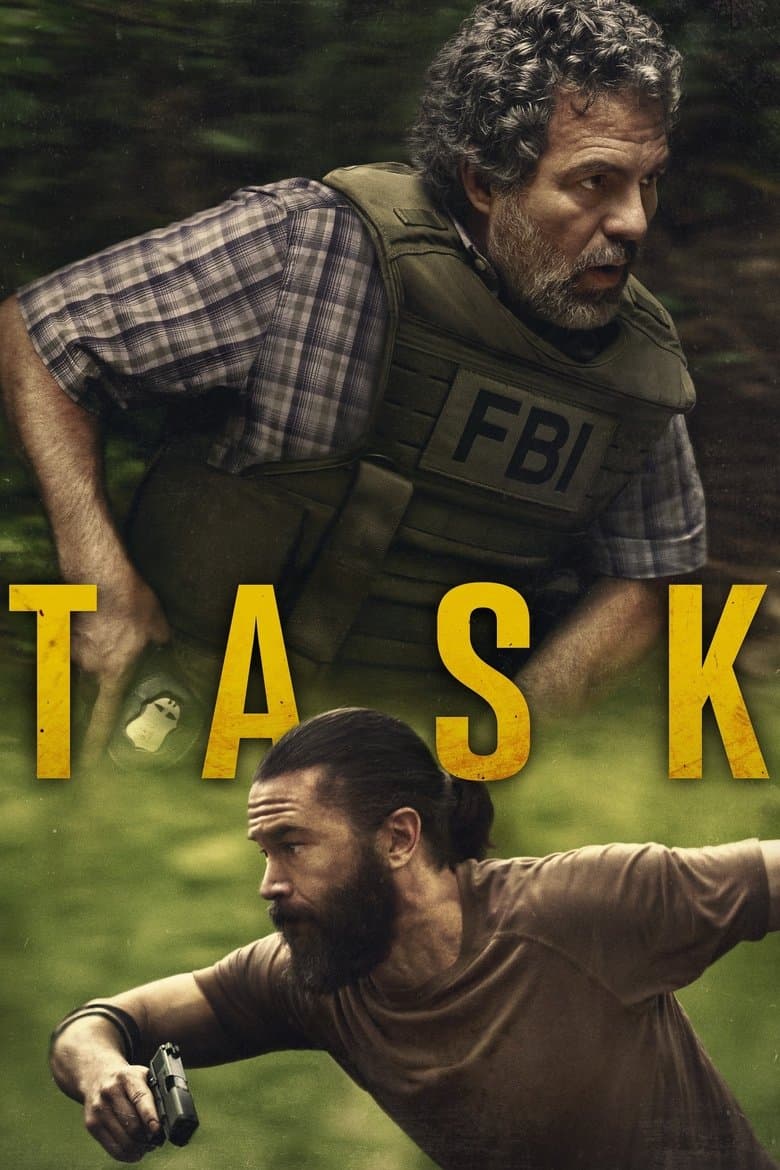
TV Show · 2025
In the working-class suburbs of Philadelphia, an FBI agent heads a task force assembled to put an end to a string of violent robberies led by an unsuspecting family man.
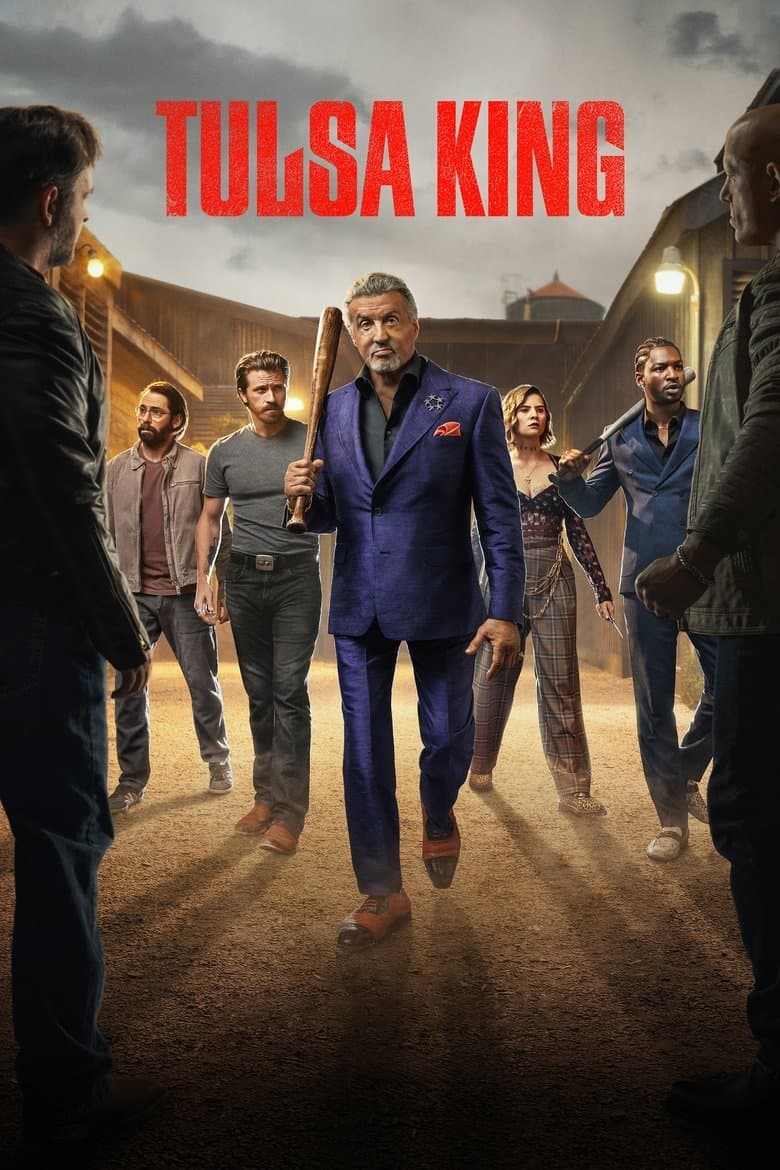
TV Show · 2022
New York mafia capo Dwight "The General" Manfredi is released from prison after 25 years and exiled by his boss to set up shop in Tulsa, Oklahoma.
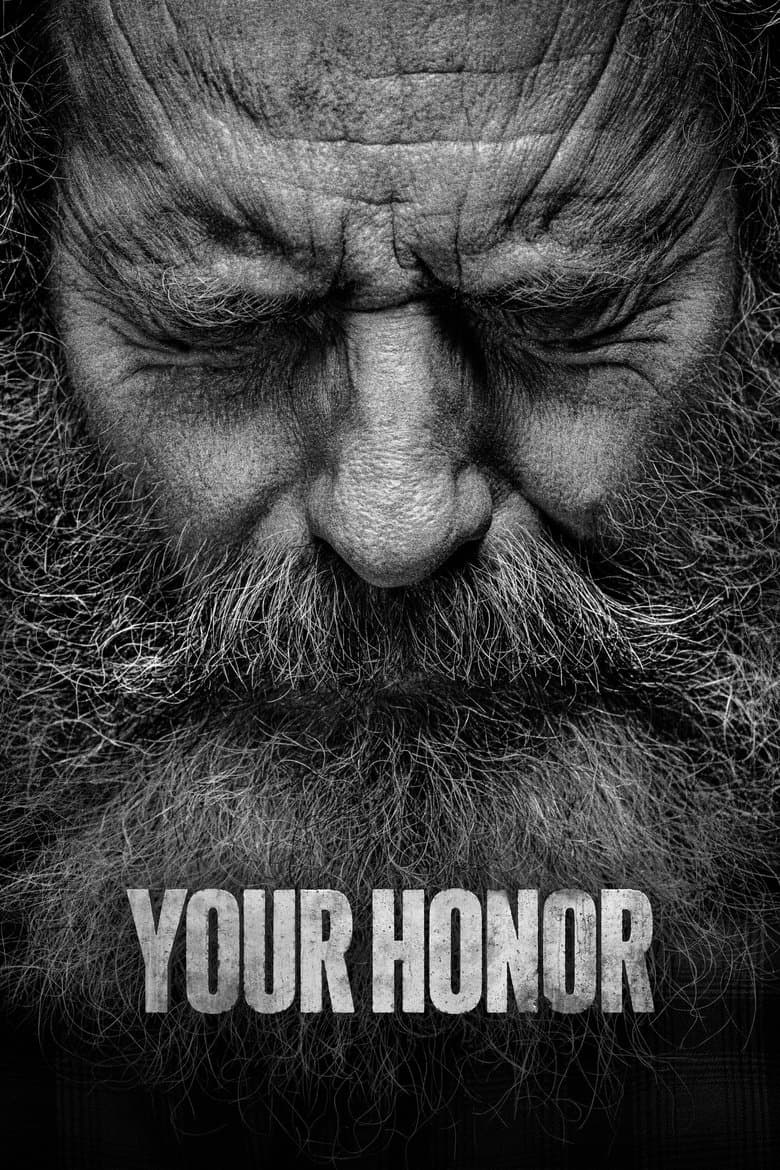
TV Show · 2020
New Orleans judge Michael Desiato is forced to confront his own deepest convictions when his son is involved in a hit and run that embroils an organized crime family.
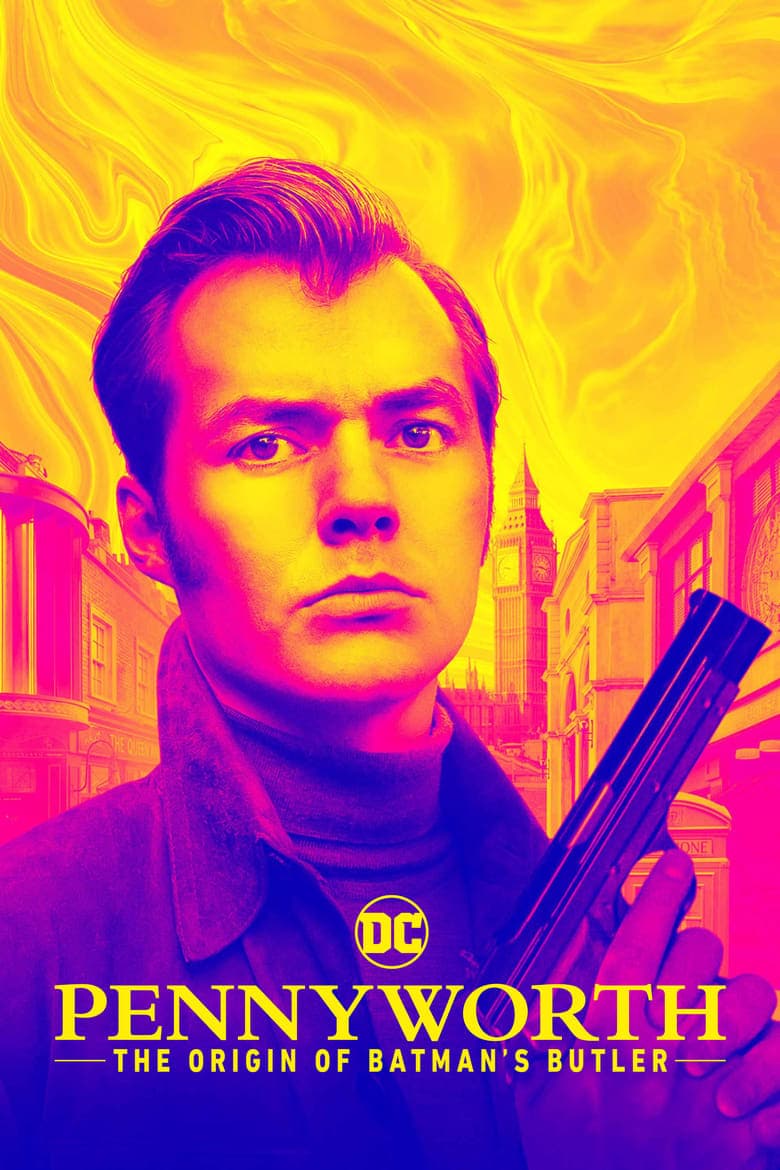
TV Show · 2019
The origin story of Bruce Wayne's legendary butler, Alfred Pennyworth, a former British SAS soldier who forms a security company in 1960s London and goes to work with young…

TV Show · 2018
The stranger-than-fiction account of a prison break in upstate New York in the summer of 2015, which spawned a massive manhunt for two convicted murderers who were aided in their…
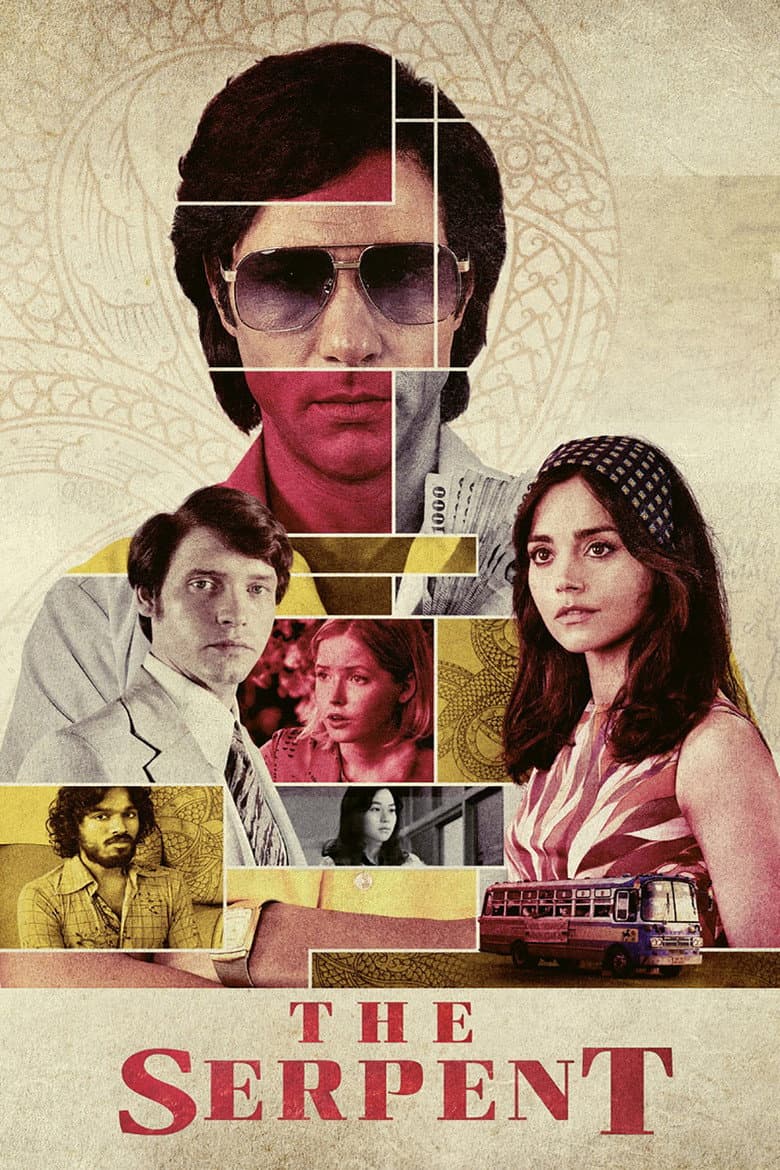
TV Show · 2021
The remarkable story of how murderer Charles Sobhraj was captured. As the chief suspect in unsolved murders of young Western travellers across India, Thailand and Nepal’s ‘Hippie…
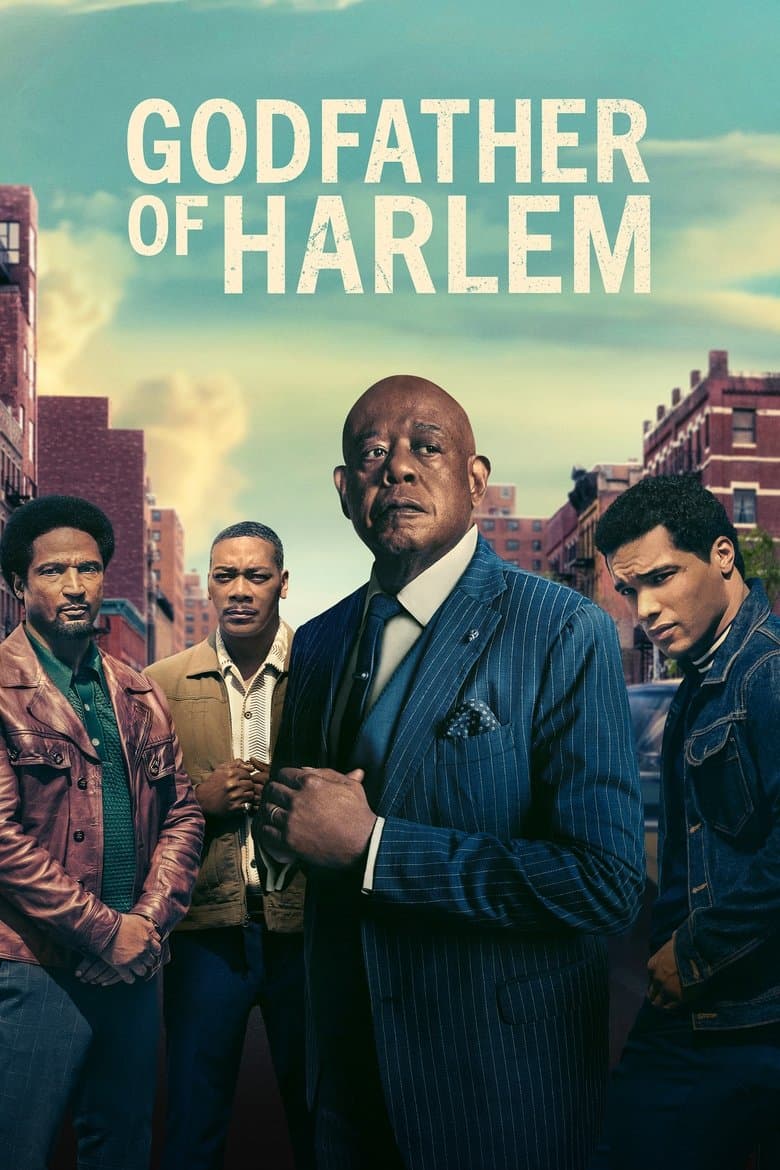
TV Show · 2019
Loosely based on infamous crime boss Bumpy Johnson, who in the early 1960s returned from ten years in prison to find the neighborhood he once ruled in shambles.
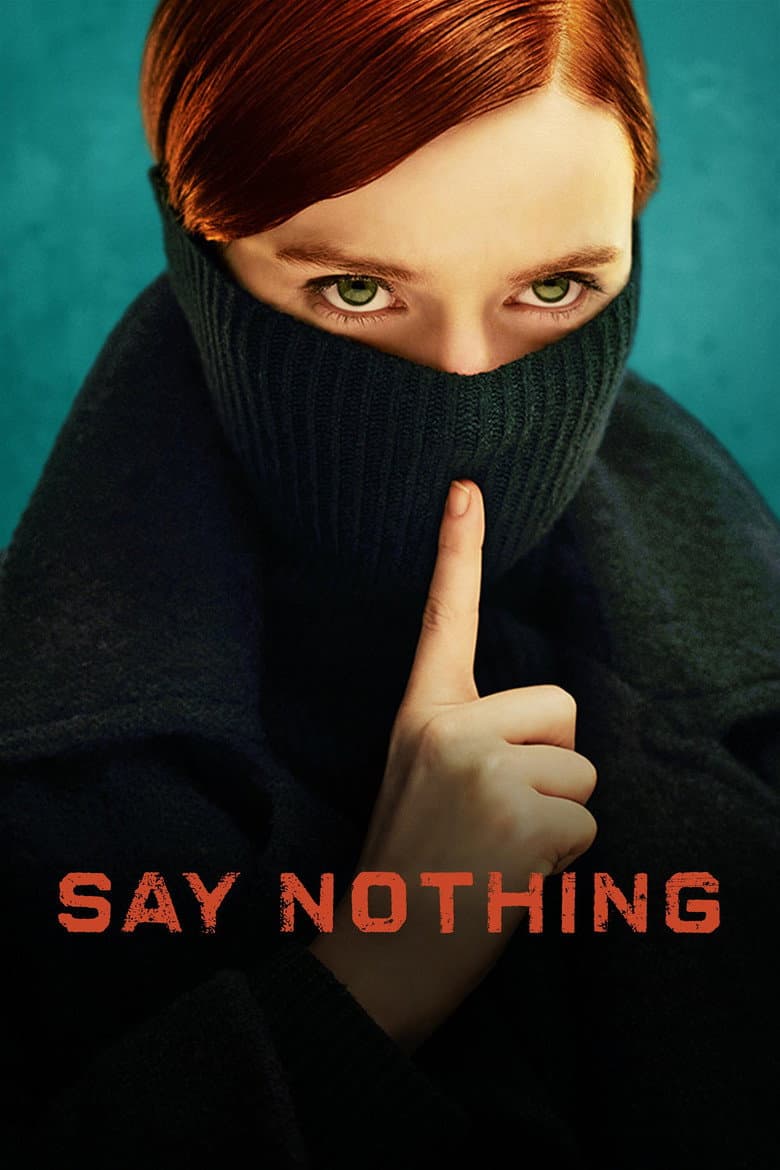
TV Show · 2024
Through the eyes of various Irish Republican Army (IRA) members, explore the extremes some people will go to in the name of their beliefs, the way a deeply divided society can…
