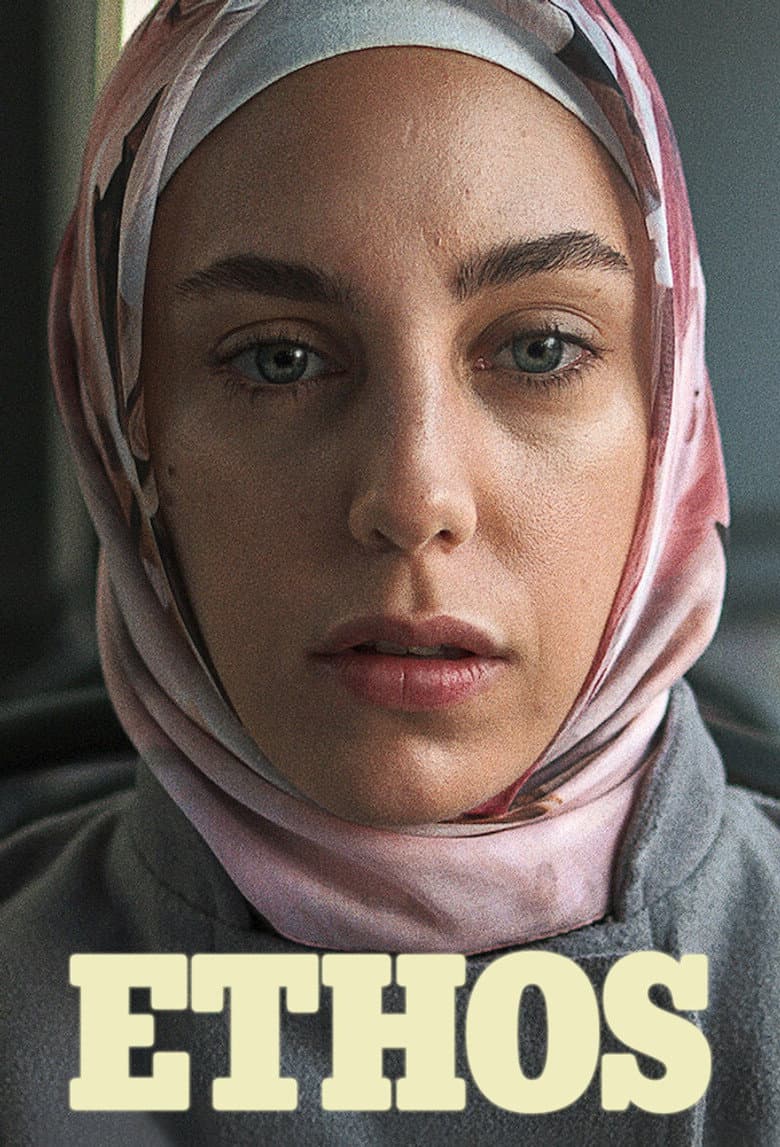
Started November 12, 2020 · Ended · Based on 1 season, 8 episodes through November 12, 2020 · TV-MA · 49 min · Turkish
Ethos follows Meryem, a young cleaner from a poor, religious neighborhood outside Istanbul. She starts seeing Peri, a wealthy and secular psychiatrist, after repeated fainting spells that doctors cannot explain. Their sessions connect Meryem’s family to Peri’s Kurdish colleague Gülbin, a lonely rich man, a troubled actress, a local religious teacher, and his daughter Hayrunnisa. The show moves through quiet talks, family fights, old songs, and sudden links between lives, creating a serious and slow drama about people who struggle to understand one another.
The show makes social identity part of nearly every main story. It focuses on prejudice against headscarf-wearing women, the split between religious and secular life, Kurdish family tension, same-sex love, sexual assault, and the pressure placed on women by men and family rules. Hayrunnisa is the teacher’s lesbian daughter, and her wish to leave that world becomes a clear freedom story. Peri must face her hatred of covered women, while Gülbin attacks the pride and social walls around her. The series favors speaking honestly and understanding other people, although it gives several conservative characters kindness and does not offer a simple political answer.
Community feedback
Was our 59% Woke rating accurate?
Breakdown
These are the editorial factors and ratings behind our score for Ethos.
Woke representation / casting
Ethos deliberately assembles prominent characters from religious, secular, Kurdish, working-class, wealthy, and queer parts of Istanbul. Women fill most of the main roles, including a cleaner, two psychiatrists, an actress, and an educated religious leader’s daughter. This mix fits a modern Istanbul story, but the ensemble is clearly designed as a social cross-section. The representation emphasis is clear but not dominant.
41%
Woke political dialogue
Peri repeatedly speaks about her anger at covered women and says the religious majority is now in power. Gülbin calls Peri a bigot and says people are being set against one another. Melisa tells Peri to stop judging Meryem and let her be herself. These lines recur in therapy and family talks, but the show usually presents them as character conflict instead of speeches.
27%
Identity-driven story themes
The story keeps returning to the divide between religious and secular life. It follows a headscarf-wearing cleaner, a secular psychiatrist, a Kurdish family split by belief, a woman facing trauma, and a lesbian daughter of a religious teacher. Several characters must decide whether to hide their feelings or leave old rules behind. The show treats empathy and personal freedom as better answers than prejudice, so identity-driven story themes are frequent and important.
56%
Western institutional / cultural critique
The show presents Yasin’s control of Ruhiye and her past sexual assault as damaging parts of family life. It shows women being judged by marriage, sexual history, headscarves, and obedience. The story questions male control and old roles, while it also challenges Peri’s secular prejudice. The criticism is clear but mixed because the show gives the religious teacher a gentle and caring side. The final score is still low because this happens in Instanbul, not the west.
10%
Woke character or canon changes
Not relevant. The show is an original story, so no established character, source canon, or historical figure is altered.
0%
Anti-woke backlash and complaints
Conservative Turkish outlets and columnists attacked the show as immoral and accused Netflix of adding homosexuality, especially through Hayrunnisa. Yeni Akit also targeted a scene involving Meryem’s headscarf and treated it as an attack on national and religious values. The complaints reached repeated X posts and included boycott talk, but they did not become a broad international campaign. The backlash was notable within a Turkish conservative audience but not a mass news cycle. The score is low as this is not treated as poorly anti-woke backlash.
23%
Creator track record context
Berkun Oya repeatedly builds stories around class, gender, family, masculinity, and clashes between secular and religious life. His work often puts sharply different social groups together and makes those tensions central. He is not known for a strong public activist or partisan persona. This gives Ethos a clear society-focused creator pattern, but not a plainly campaign-driven one.
58%
Production
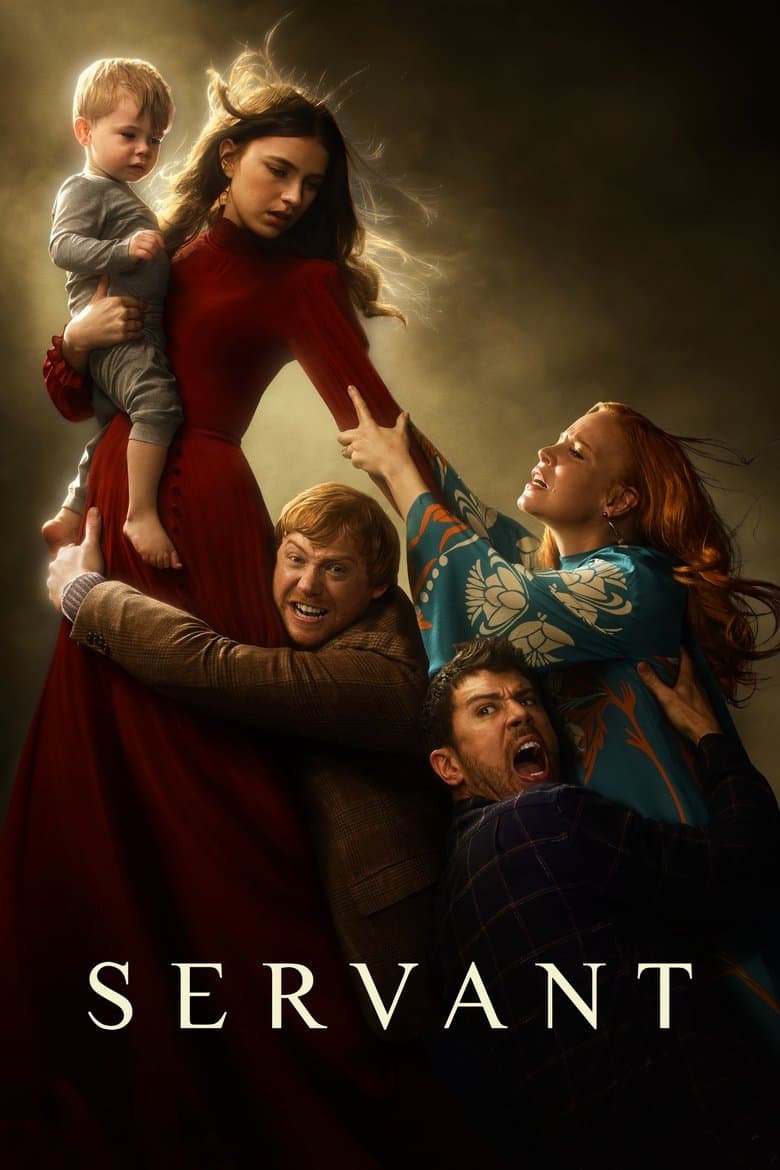
TV Show · 2019
A Philadelphia couple are in mourning after an unspeakable tragedy creates a rift in their marriage and opens the door for a mysterious force to enter their home.
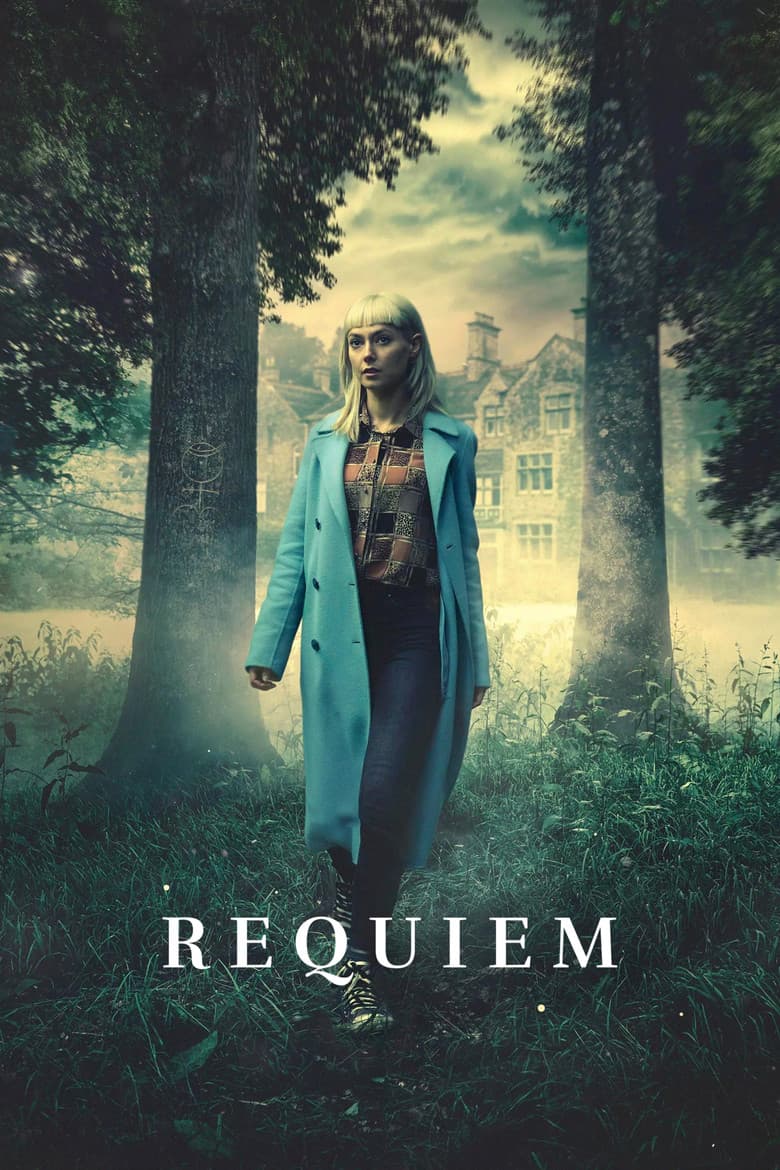
TV Show · 2018
In 1994, a toddler disappeared from a small Welsh village, never to be seen again. 23 years later, in London, the mother of rising cello star Matilda Gray commits suicide, without…
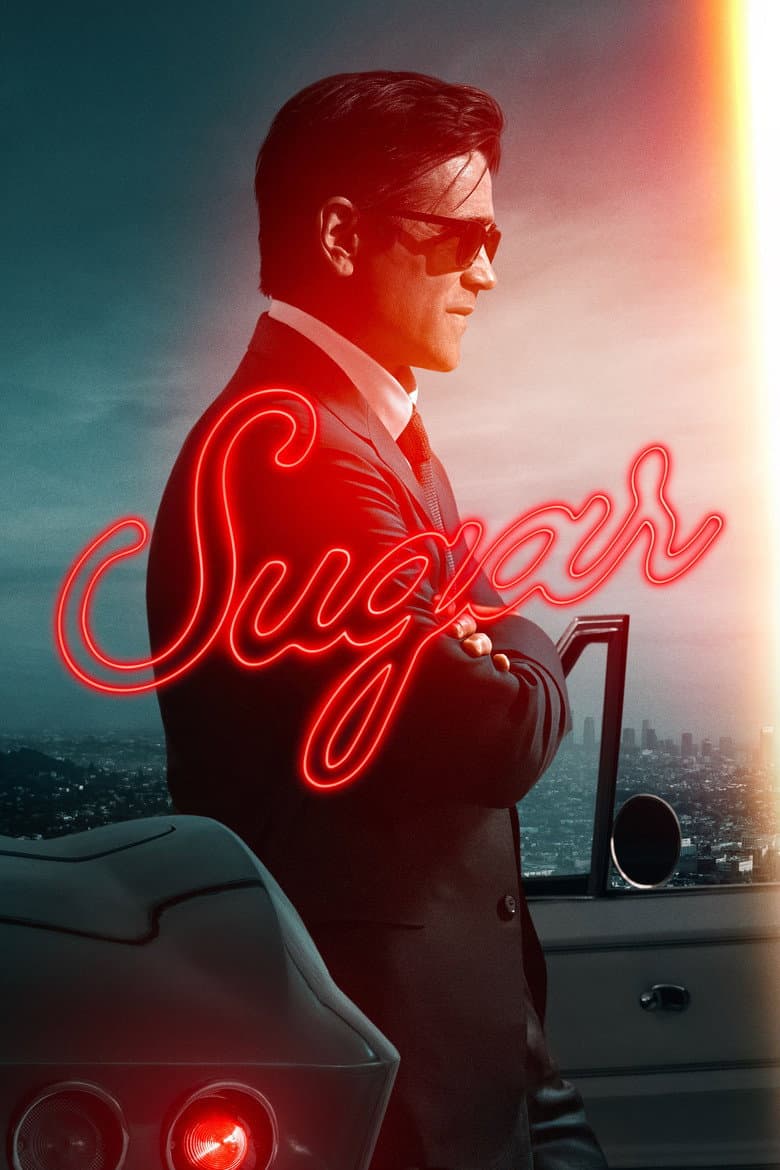
TV Show · 2024
John Sugar is a dashing private eye navigating the dark corners of sunny LA. Though he sees only the good in humanity, Sugar is haunted by a secret too dangerous to expose.
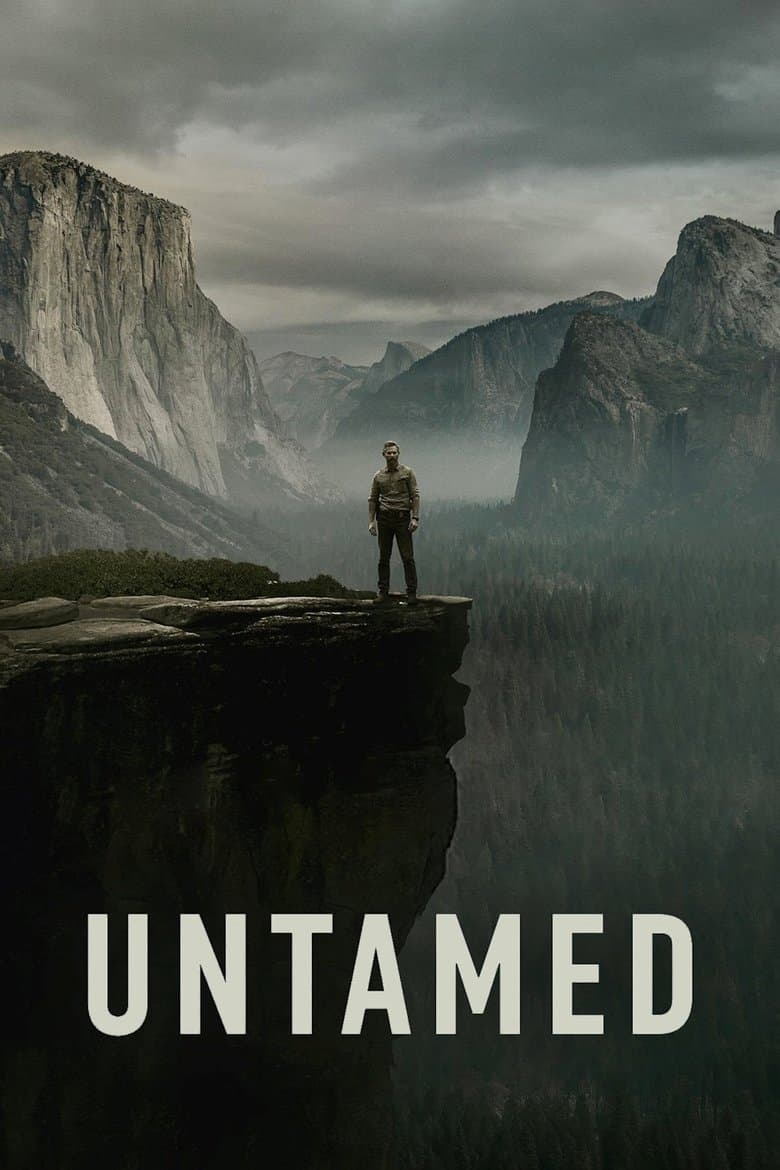
TV Show · 2025
In the vast expanse of Yosemite National Park, a woman's death draws a federal agent into lawless terrain — where nature obeys no rules but its own.
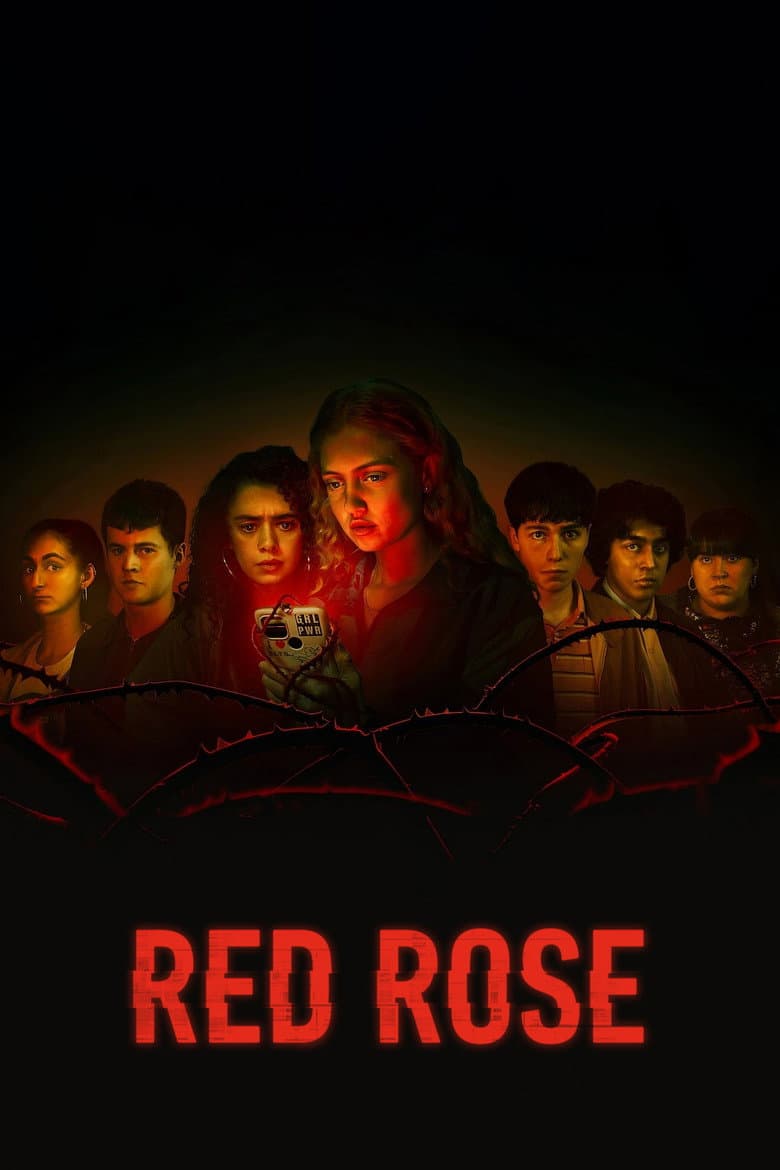
TV Show · 2022
When one of a group of friends downloads the mysterious Red Rose app, plans change. What starts innocently as a game of admiration rapidly descends into something much darker.
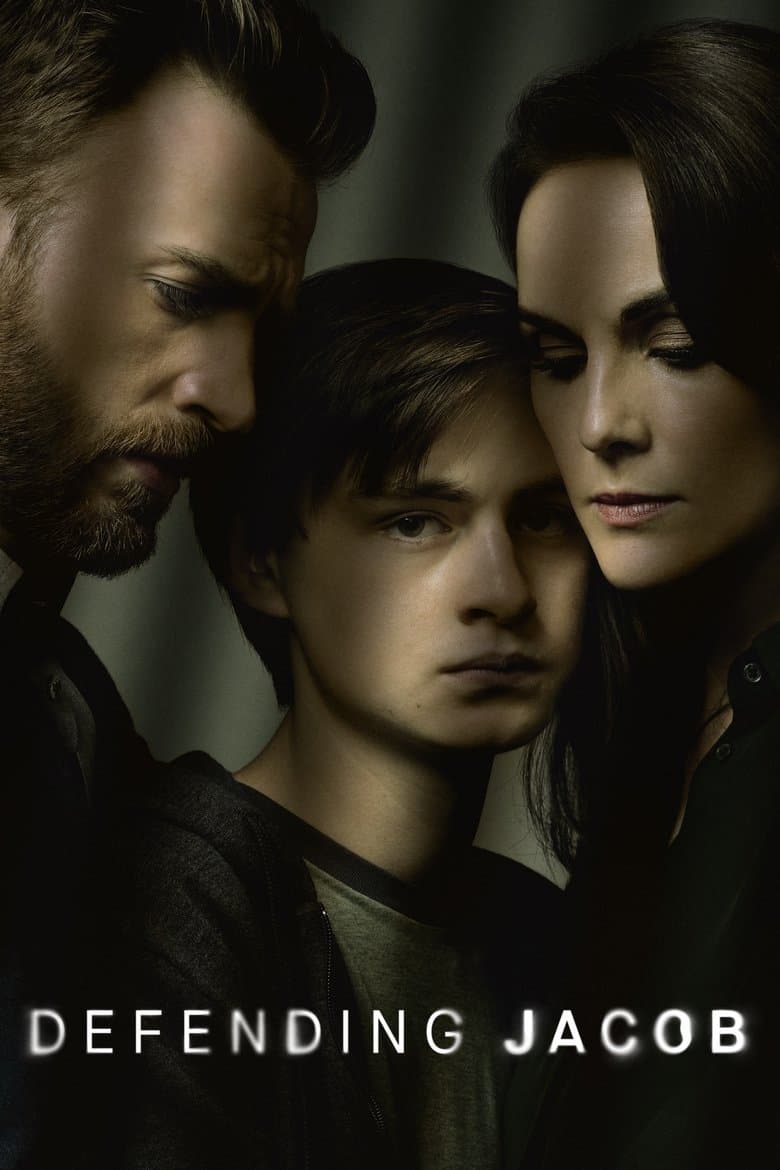
TV Show · 2020
A family's lives are irreparably disrupted when the 14-year-old son is accused of murdering a fellow classmate.
TV Show · 2020
Real cases of perplexing disappearances, shocking murders and paranormal encounters fuel this gripping revival of the iconic documentary series.

TV Show · 2026
Ben Reilly, an aging and down on his luck private investigator in 1930s New York, is forced to grapple with his past life as the city's one and only superhero.
