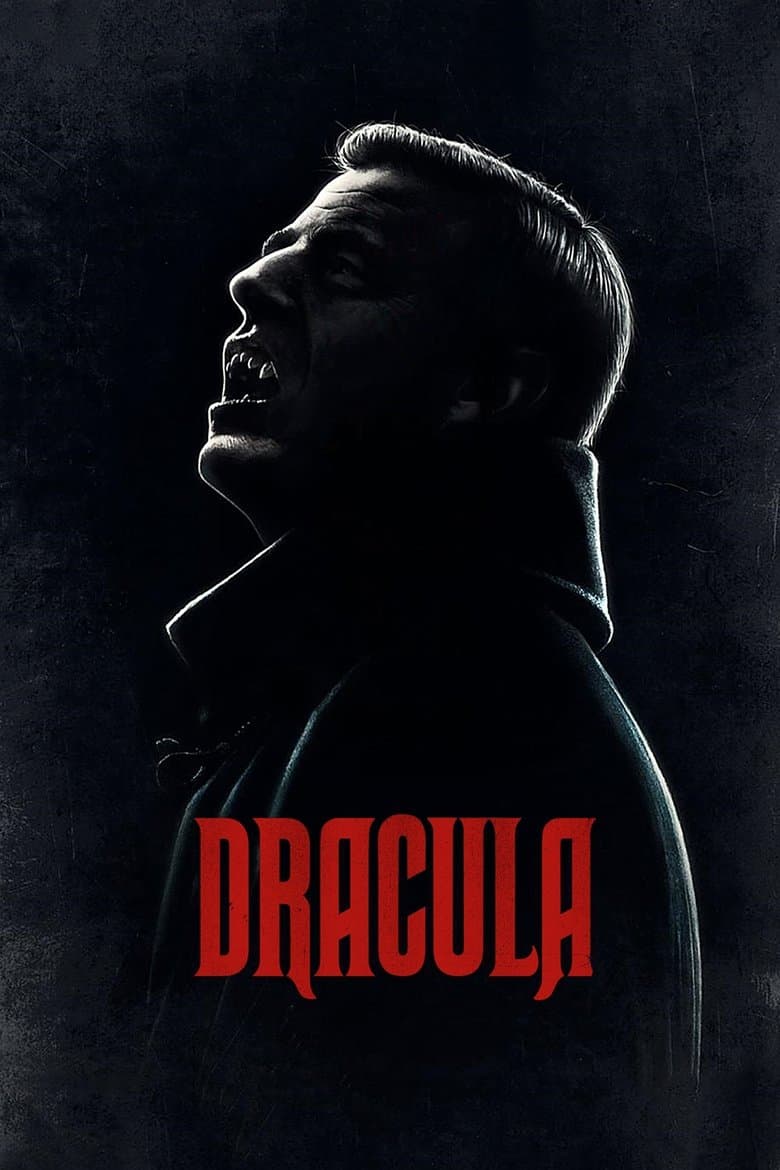
Started January 1, 2020 · Ended · Based on 1 season, 3 episodes through January 3, 2020 · TV-14 · 90 min
The show follows Count Dracula as he leaves his castle in Transylvania in 1897 and plans to reach Victorian England. Jonathan Harker becomes trapped in the Count's castle and later tells his story to Sister Agatha, a nun who studies the strange case. Agatha becomes Dracula's main rival as he travels by ship and attacks the people around him. The final episode moves the story to the present, where Zoe Helsing leads a team that tries to stop him. The show mixes bloody horror, dark jokes, mystery, and wild humor.
The show gives the Van Helsing role to an atheist nun and makes her the main rival facing Dracula. The Count shows sexual interest in men and women, while one ship passenger mourns a male lover. Lucy's story uses her sexual freedom and the idea of slut shaming, and the final episode puts a woman in charge of a medical foundation. These choices make gender, faith, and sexuality visible themes, but the main story remains a battle between a vampire and the people trying to understand and kill him.
Community feedback
Was our 61% Woke rating accurate?
Breakdown
These are the editorial factors and ratings behind our score for Dracula.
Woke representation / casting
The show gives the main vampire hunter role to a woman, Dolly Wells's Sister Agatha Van Helsing. The show casts Lydia West, a black actor, as Lucy Westenra, a major Victorian character. The ship also uses a visibly mixed group of important passengers and crew. The modern episode places a woman in charge of the research foundation. The period scenes use this mixed pattern without making ethnicity part of the story.
38%
Woke political dialogue
The show has a few direct lines about belief and public life. Agatha says God is nowhere and questions the value of prayer. Dracula calls the Church a source of fear and oppression. Zoe mentions women's rights, while Dracula mocks democracy. These lines stay brief and do not become a continuing political debate.
18%
Identity-driven story themes
The show gives Dracula sexual tension with both men and women. The show places Jonathan Harker in a bride-like role and builds charged scenes between him and Dracula. The ship episode includes Adisa mourning his male lover, Tom. The final episode uses Lucy's sexual freedom and a slut-shaming argument as part of her story. These themes recur across the season, but identity is not the show's main subject.
49%
Western institutional / cultural critique
The show makes Agatha an atheist nun who says God is nowhere. Dracula describes the Church as an institution that terrorized peasants. The final episode treats women's rights as a change Dracula slept through and puts Zoe in charge. The show returns to religion, gender power, and old social rules across the season. The story does not turn these ideas into a full modern political program.
38%
Woke character or canon changes
The show changes the classic male vampire hunter Abraham Van Helsing into Sister Agatha, an atheist nun. The show gives Agatha the main mind game with Dracula and the final emotional resolution. The final episode adds Zoe Helsing, who leads a research foundation and carries Agatha's link into the present. These are major gender and role changes, while other plot changes mainly adapt the novel for television.
52%
Anti-woke backlash and complaints
Some viewers called the series woke or a social-justice rewrite. Complaints focused on the gay subtext, the female Van Helsing, the diverse Victorian cast, and modern ideas in the final episode. The separate X pass found only small posts and scattered callbacks. The evidence shows no sustained boycott, large review-bomb drive, or major right-wing campaign.
14%
Creator track record context
Mark Gatiss has public LGBT history work and support for LGBT rights. Mark Gatiss has also criticized some newer identity politics and color-blind casting. Steven Moffat has used strong female characters and supports diverse casting in principle, but he stresses story-led choices. Claes Bang's public record is mostly about acting, safety on sets, health care, fair wages, and climate action. The title matches parts of Gatiss and Moffat's past work without being sold as an activist project.
29%
Production
TV Show · 2019
An antiquities expert teams up with an art thief to catch a terrorist who funds his attacks using stolen artifacts.

TV Show · 2018
This Karate Kid sequel series picks up 30 years after the events of the 1984 All Valley Karate Tournament and finds Johnny Lawrence on the hunt for redemption by reopening the…
TV Show · 2020
Desperate to take care of his pregnant wife before a terminal illness can take his life, Dodge Maynard accepts an offer to participate in a deadly game where he soon discovers…
TV Show · 2016
20-something Angus MacGyver creates a clandestine organization where he uses his knack for solving problems in unconventional ways to help prevent disasters from happening.
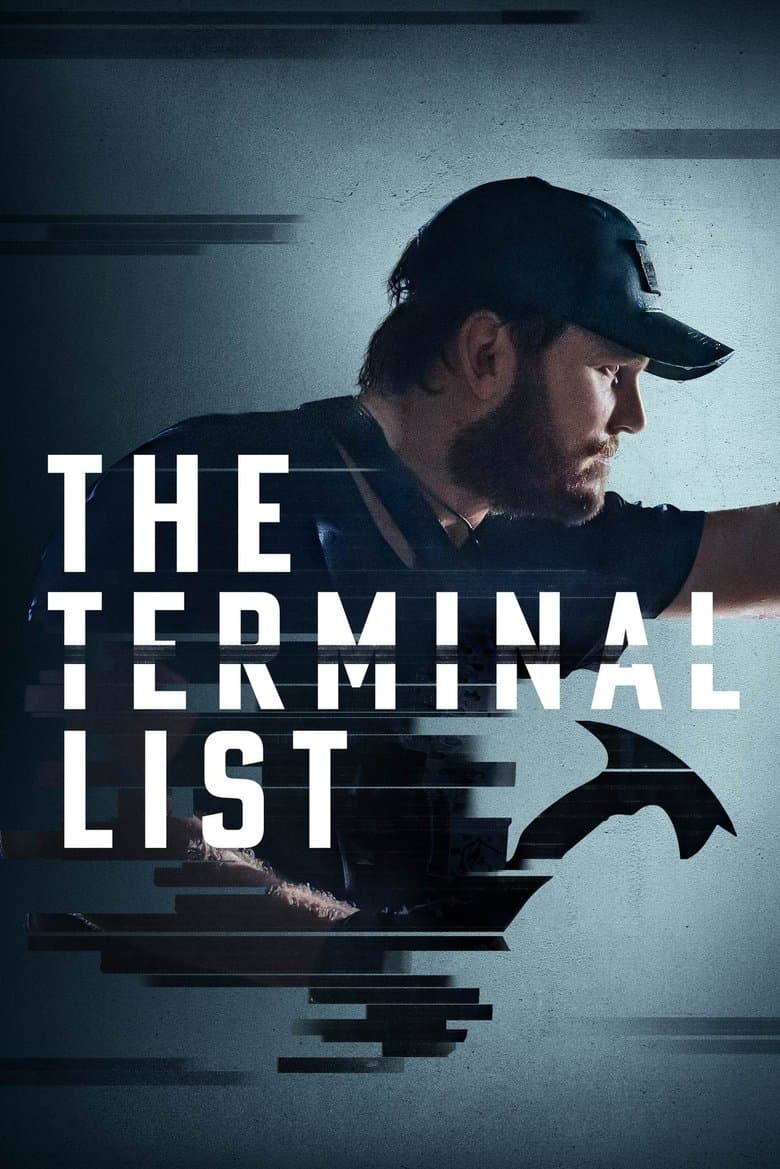
TV Show · 2022
Navy SEAL Commander James Reece turns to vengeance as he investigates the mysterious forces behind the murder of his entire platoon.
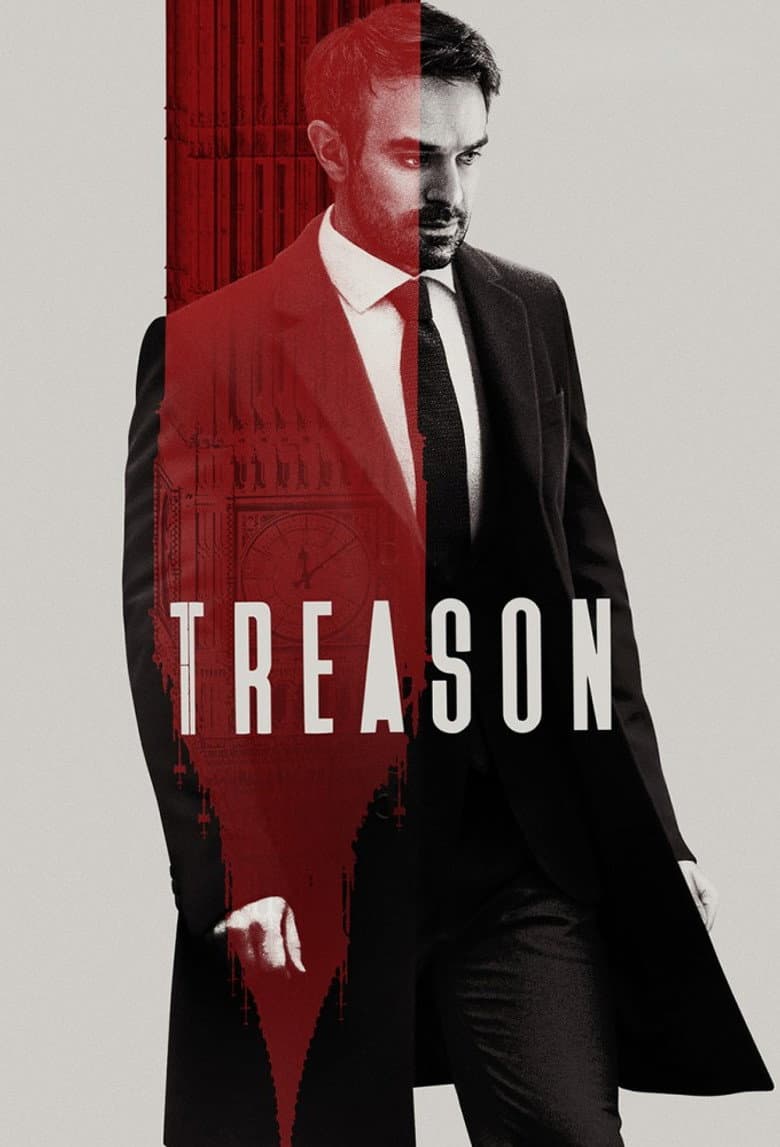
TV Show · 2022
An MI6 deputy's bright future takes a sharp turn after a reunion with a Russian spy forces him to question his entire life.
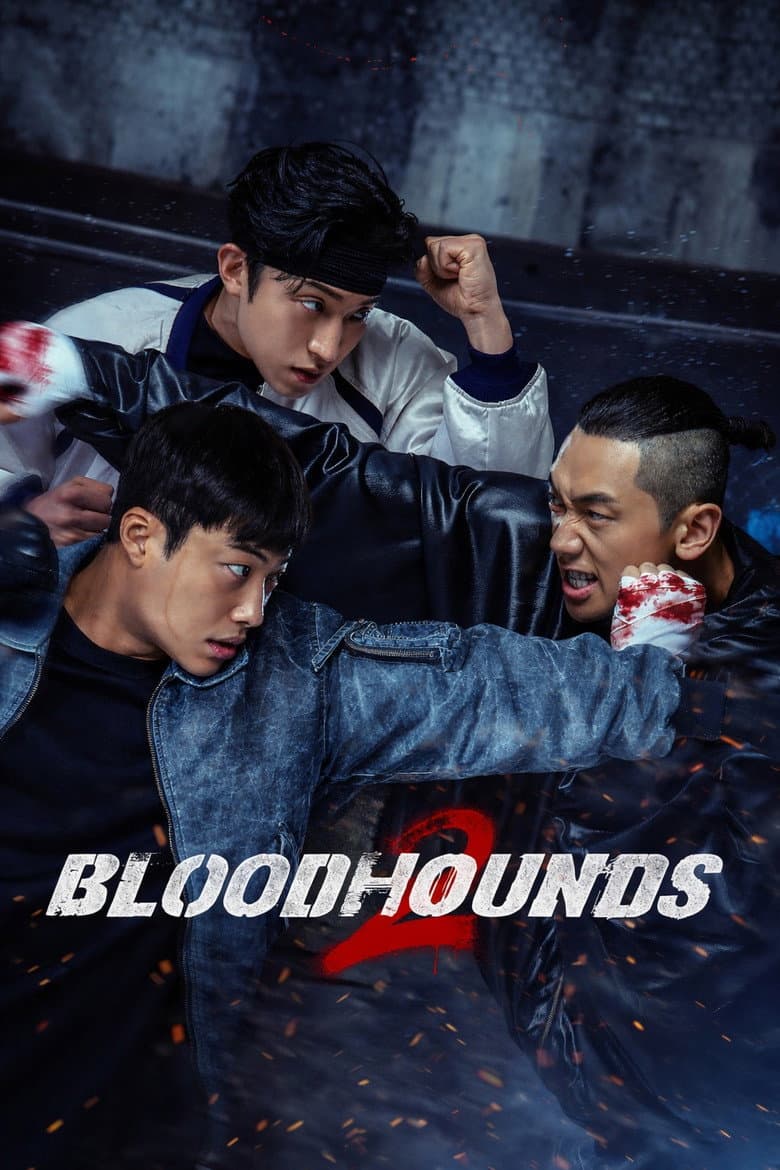
TV Show · 2023
Faced with ruthless foes with a violent thirst, two young boxers band together — risking life and limb to bring justice and protect their loved ones.
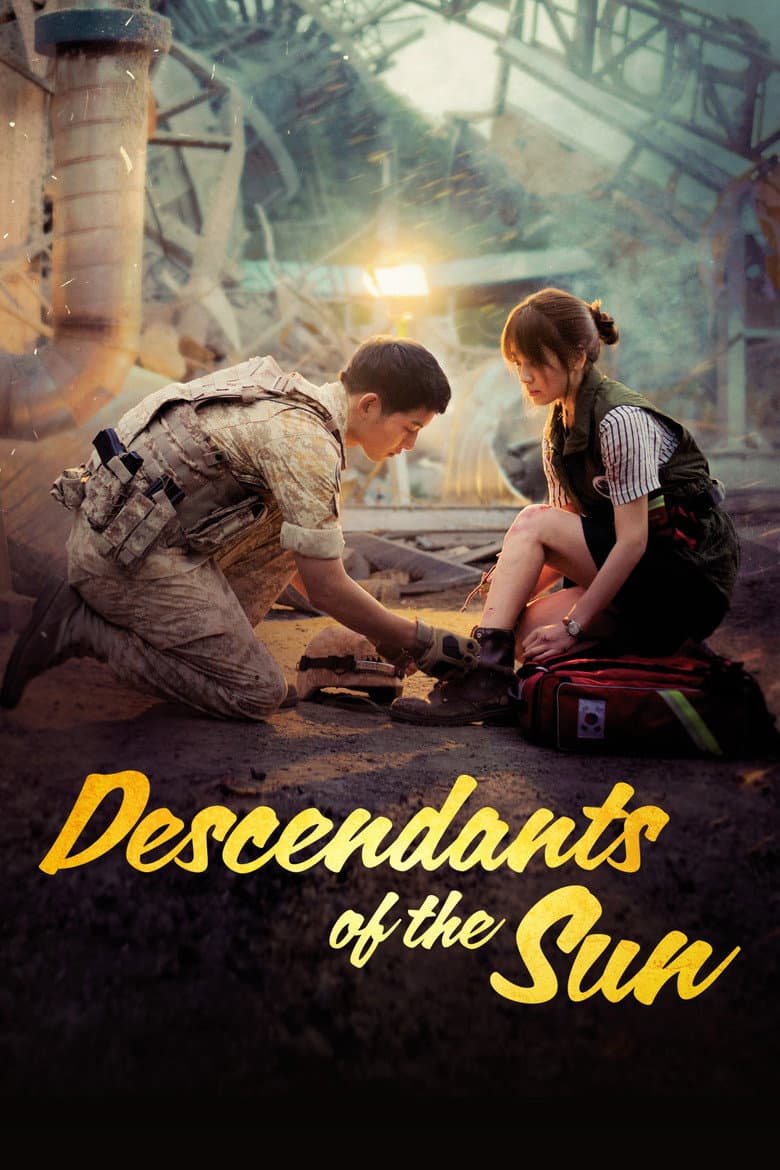
TV Show · 2016
After a chance meeting in a hospital, an ardent soldier falls for a gifted surgeon. Opposing philosophies tear them apart, but fate has other plans.
