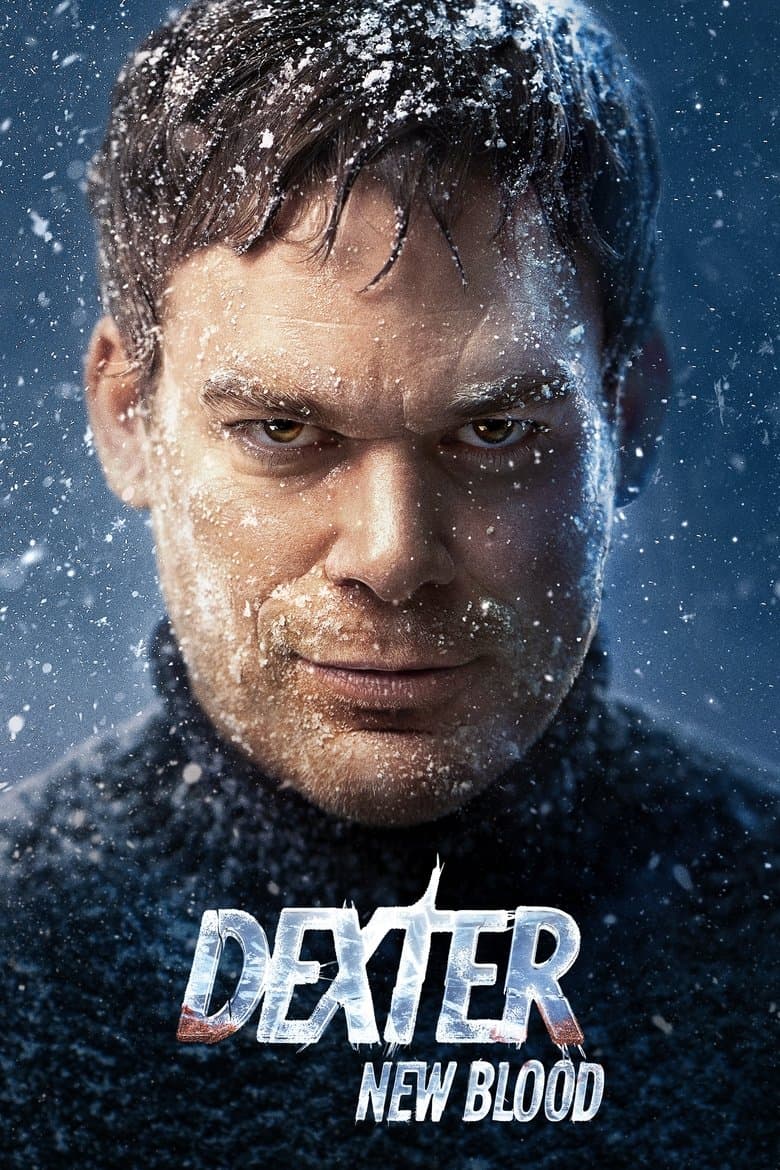
Started November 7, 2021 · Ended · Based on 1 season, 10 episodes through January 9, 2022 · TV-MA
Dexter: New Blood follows a former serial killer living under a new name in a small upstate New York town. He tries to stay quiet and raise his teenage son while the old urge to kill still presses on him. The main story is about fathers and sons, the Dark Passenger, and a cat-and-mouse hunt. New people in Iron Lake pull him into fresh crimes and investigations. The season is a limited run that also tries to fix the original series ending.
Viewers also see a clear diversity push in supporting roles and a serious social side plot. The police chief is framed as the first native American woman in that job and she fights over missing and murdered Indigenous women. Other notable figures include a black sergeant, an Asian true-crime podcaster, a wheelchair-using dispatcher, and Dexter’s boss in a same-sex marriage with a pastor. Those parts sit beside the killer story rather than replacing it. They are easy to notice if you follow the chief’s arc, but the serial-killer plot remains the spine.
Community feedback
Was our 56% Woke rating accurate?
Breakdown
These are the editorial factors and ratings behind our score for Dexter: New Blood.
Woke representation / casting
In a small fictional New York town the show puts several identity-marked people in major supporting jobs. The police chief is framed as the first native American woman in that role. There is also a black sergeant, an Asian podcaster, a wheelchair-using dispatcher, and Dexter’s gay boss and pastor husband. That mix feels more planned than a typical rural town baseline and coverage often calls the cast diverse.
48%
Woke political dialogue
The show is not full of activism speeches. Some lines still sound progressive or careful about politics, often from Audrey or Molly. Small-town scenes also treat the gay couple’s home life as normal. These moments are light seasoning rather than the way the whole show talks.
28%
Identity-driven story themes
The main plot is still about fathers, sons, the Dark Passenger, and catching killers. A strong side plot follows missing and murdered Indigenous women and Angela’s fight for justice. Her role as the first native woman chief is treated as deliberate social-issue storytelling. The gay couple matters on screen but does not drive the whole season.
50%
Western institutional / cultural critique
A respected local leader hides as a predator behind good civic standing. Rich seasonal hunters come off as reckless and entitled. That reads like classic crime irony more than a long lecture on capitalism, race systems, or patriarchy. The show does not attack Christianity as a belief system.
24%
Woke character or canon changes
Not present in this title.
0%
Anti-woke backlash and complaints
Some viewers do complain about woke politics, forced diversity, a native girlboss chief, and a gay boss couple. Those gripes show up on Metacritic, forums, and similar posts at a low-to-moderate level. The loudest anger still aims at the finale and writing. This is not framed as a huge national anti-woke scandal.
34%
Creator track record context
Showrunner Clyde Phillips has a mild-to-moderate inclusion record and has backed inclusive and disabled casting. Other key names score lower on that track. His stance matches the show’s diverse supporting cast and disability casting. It does not match a full queer-first or race-first rewrite of the franchise.
26%
Production
TV Show · 2016
Once a powerful lawyer, Billy McBride is now burned out and washed up, spending more time in a bar than a courtroom.
TV Show · 2022
Bosch is now making a living as a private investigator two years after he quit the LAPD and finds himself working with one time enemy and top-notch attorney Honey “Money”…
TV Show · 2022
New York mafia capo Dwight "The General" Manfredi is released from prison after 25 years and exiled by his boss to set up shop in Tulsa, Oklahoma.
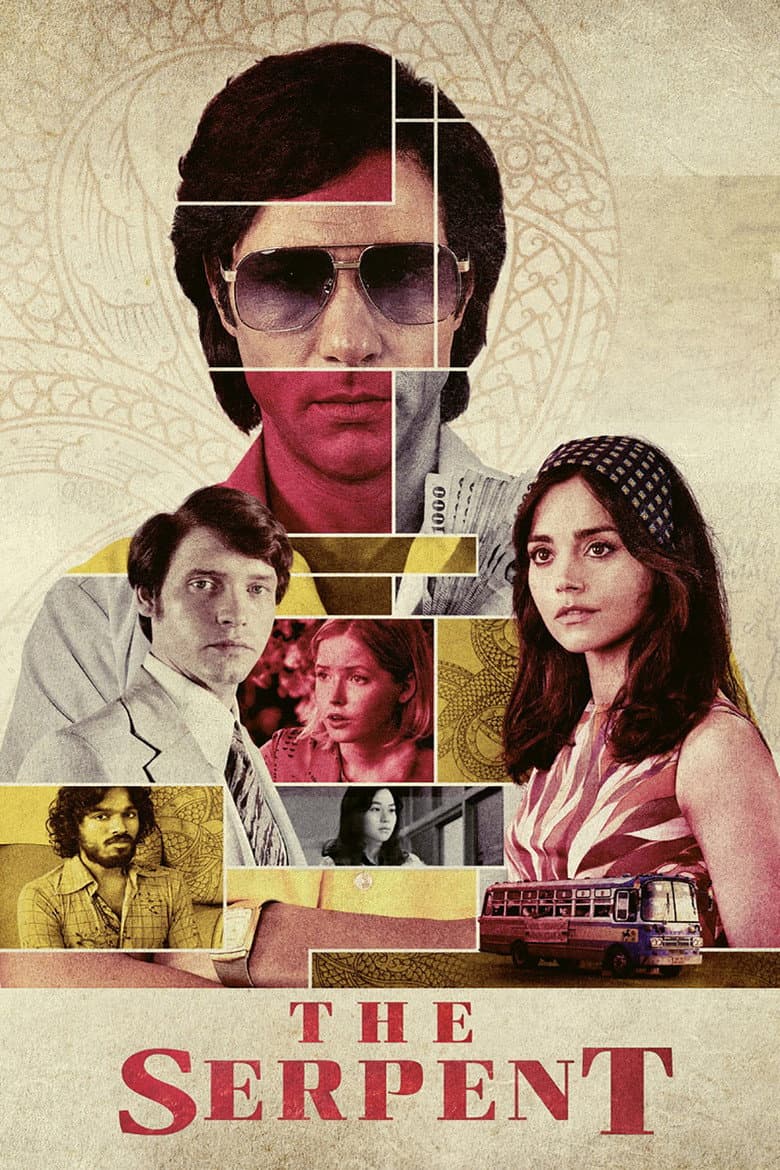
TV Show · 2021
The remarkable story of how murderer Charles Sobhraj was captured. As the chief suspect in unsolved murders of young Western travellers across India, Thailand and Nepal’s ‘Hippie…

TV Show · 2023
Candy and Pat Montgomery and Betty and Allan Gore — two churchgoing couples — enjoy their small town Texas life... until an extramarital affair leads somebody to pick up an axe.
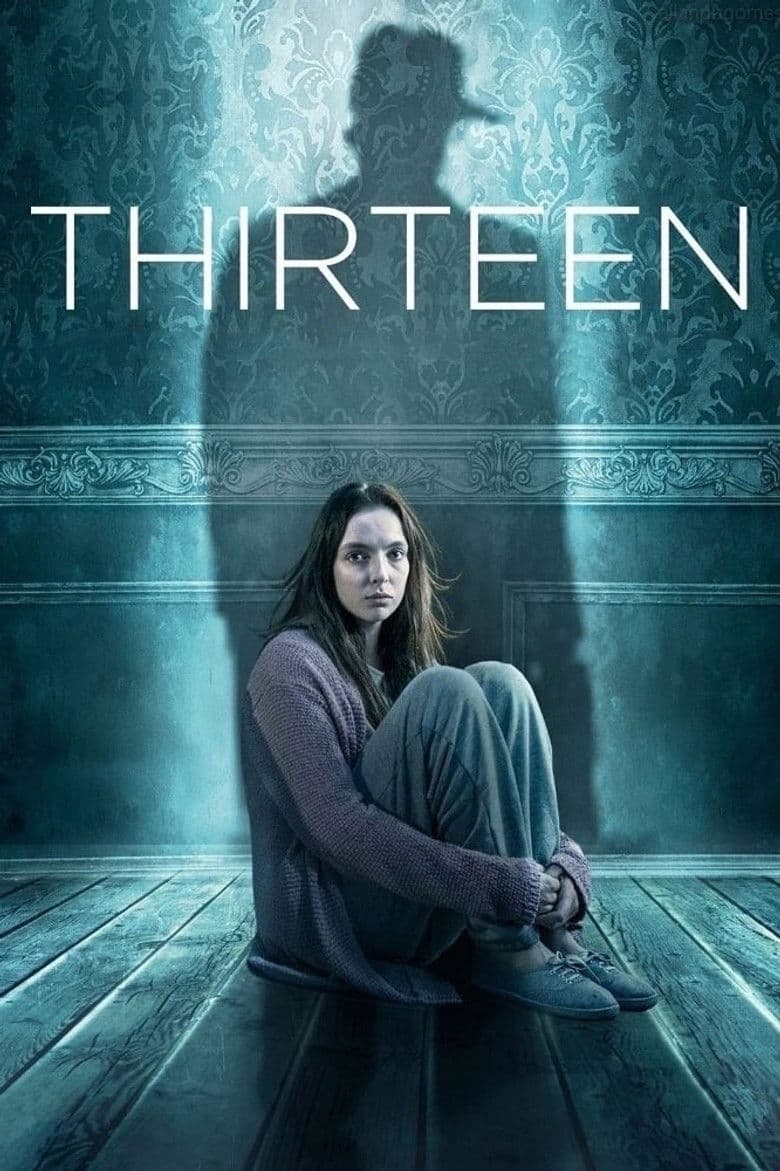
TV Show · 2016
A 26-year-old woman learns to live again after 13 years in captivity.
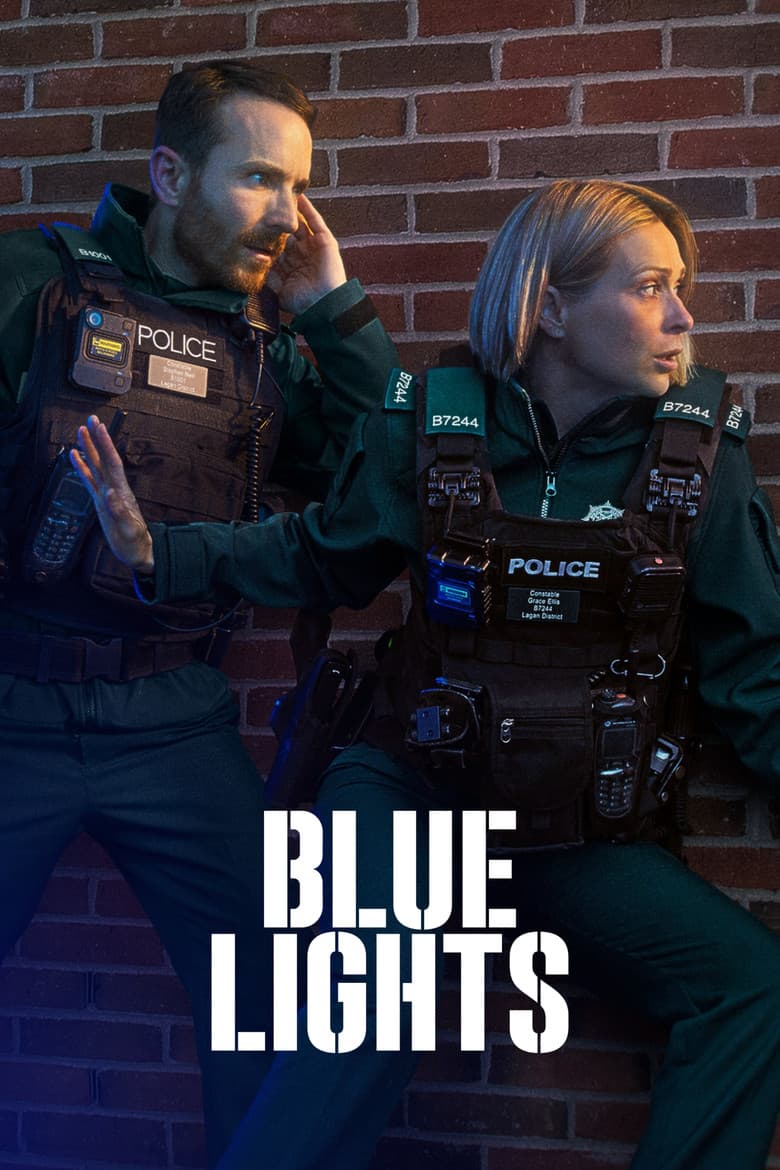
TV Show · 2023
Follows rookie police officers working in Belfast, a city in which being a frontline response cop comes with unique pressures and dangers.
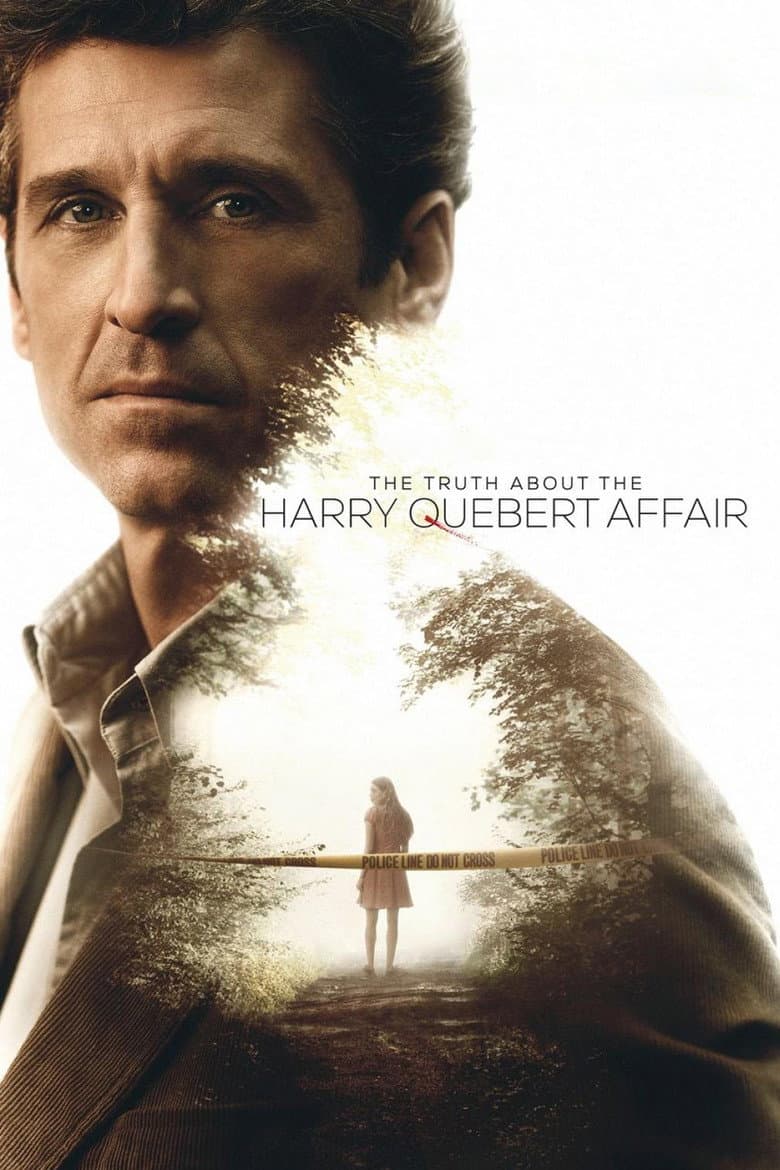
TV Show · 2018
A writer gets caught up in a murder investigation involving his mentor, an esteemed American author. Based on the book of the same name, by Joël Dicker.
