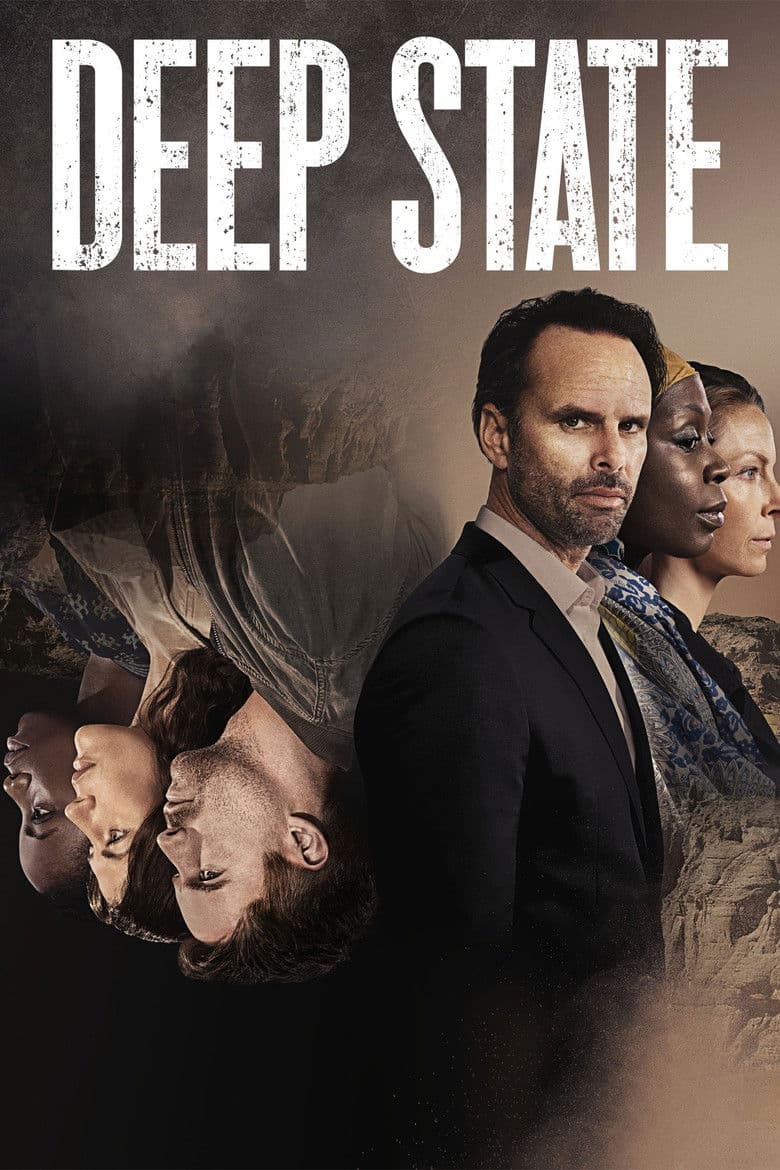
Started April 5, 2018 · Ended · Based on 2 seasons, 16 episodes through June 27, 2019 · TV-MA · 45 min
Deep State follows Max Easton, a former MI6 agent who has built a quiet life with his wife and daughters in rural France. His old boss pulls him back into secret work after his estranged son Harry is believed dead, and Max soon learns that the mission is tied to a larger plot. The first season moves through France, Britain, Beirut, Tehran, and the United States as Max tries to save his family and uncover who is using the war for profit. The second season shifts to Mali and follows former CIA fixer Nathan Miller, whose work links a military crisis to arms deals, mining interests, and hidden American plans. The show has a dark, tense, and sometimes confusing spy-thriller tone.
The clearest woke elements are the show's repeated attacks on secret Western agencies, war profiteers, private companies, and the harm done to civilians in the Middle East and Africa. Season 2 also gives major roles to Malian women Aïcha Konaté and Aminata Sissoko, while several women work as senior agents, investigators, or political leaders. Senator Meaghan Sullivan has a female partner, Gina Graham, but their relationship is a side detail rather than the main subject. These choices are easy to see, yet the story is driven more by espionage, family loyalty, and corruption than by identity politics or a campaign for representation.
Community feedback
Was our 45% Woke rating accurate?
Breakdown
These are the editorial factors and ratings behind our score for Deep State.
Woke representation / casting
The show gives major jobs to Amanda Jones, Leyla Toumi, Senator Meaghan Sullivan, Aïcha Konaté, and Aminata Sissoko. These women work as agents, investigators, ministers, and political leaders. Most of the mix fits a modern international spy story, but Season 2 publicity calls the ensemble a “diverse and talented cast,” making representation part of the selling point. The visible pattern is clear, but the story does not build its plot around a diversity campaign.
30%
Woke political dialogue
Season 1 repeatedly discusses secret intelligence work, civilian deaths, Iran, and the money made from war. Season 2 discusses arms deals, a secret drone base, mining resources, corruption, and the cost to local people. The show often treats Western agencies and private companies as self-serving. Its politics are clear on war and corporate power, but the dialogue does not focus much on identity politics.
34%
Identity-driven story themes
Season 2 gives Aïcha a continuing survival and family story and ends with her helping Aminata lead Mali. The season also shows Senator Meaghan Sullivan living with her female partner, Gina Graham. These identity elements recur across the season, but they do not control the main story. Espionage, family loyalty, and corruption remain more important than race, gender, or sexuality.
24%
Western institutional / cultural critique
Season 1 links the Middle East conflict to secret work by MI6, the CIA, and private interests that profit from chaos. Season 2 links the Mali crisis to arms sales, a hidden American base, mining rights, and the use of local fighters. The story shows Western agencies and companies harming civilians while hiding the truth. This criticism runs through both seasons, so it is a major part of the show even though the story stays a spy thriller.
48%
Woke character or canon changes
Not relevant. The show is an original spy thriller. It does not change a known character, canon, source text, or real historical figure.
0%
Anti-woke backlash and complaints
Not present. No clear anti-woke or right-leaning complaint about the show’s content was found. Audience comments focused on acting, twists, and whether the spy story worked.
0%
Creator track record context
Matthew Parkhill has a limited record of anti-war and anti-corporate themes. Simon Maxwell has no high-confidence public activist record. Steve Thompson has spoken about racism and the Windrush scandal and wrote about that experience. Robert Connolly has made political films about corporate power, war, and the environment. The group gives Deep State a moderate political background without strong proof of identity-driven activism.
29%
Production
TV Show · 2016
An anthology series which centers on different characters being targeted by crazed serial killer Mick Taylor in the Australian outback.
TV Show · 2023
Faced with ruthless foes with a violent thirst, two young boxers band together — risking life and limb to bring justice and protect their loved ones.

TV Show · 2021
Takemichi Hanagaki is a freelancer that’s reached the absolute pits of despair in his life. He finds out that the only girlfriend he ever had, in middle school, Hinata Tachibana…
TV Show · 2016
The story of Mac Conway, a Marine who returns home to Memphis from Vietnam in 1972 and finds himself shunned by those he loves and demonized by the public.
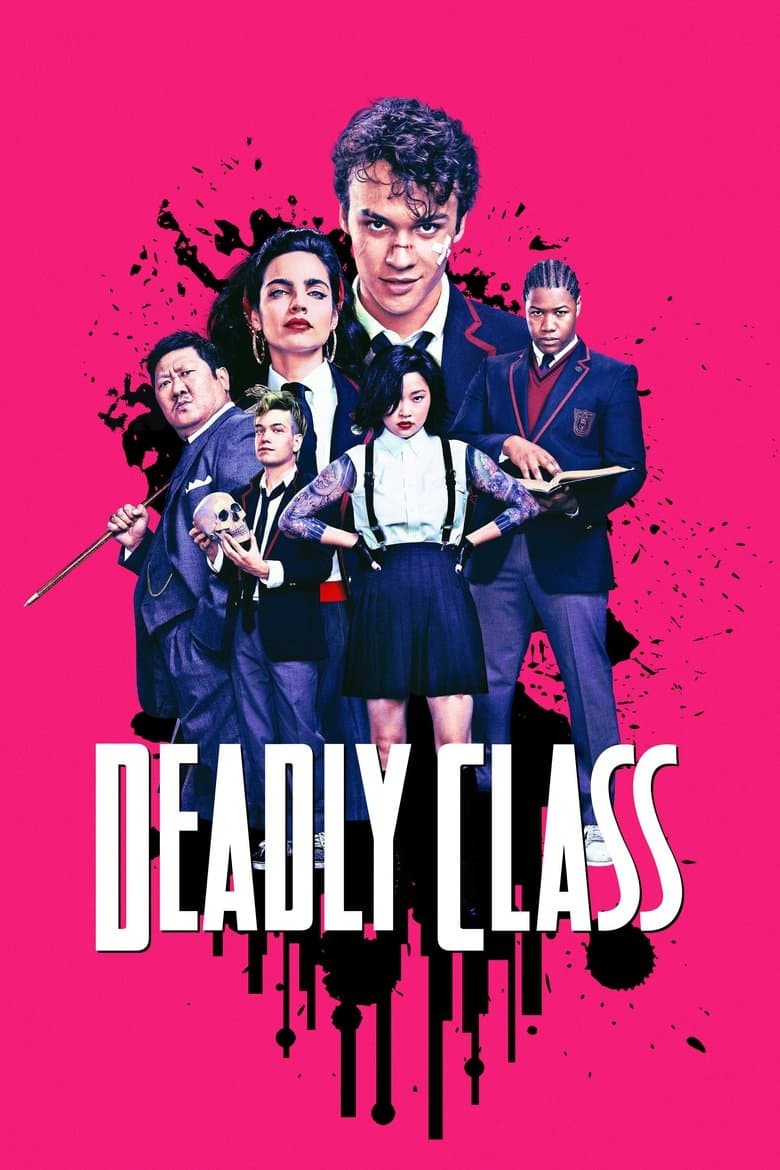
TV Show · 2019
Follow a disillusioned teen recruited into a storied high school for assassins. Maintaining his moral code while surviving a ruthless curriculum, vicious social cliques, and his…
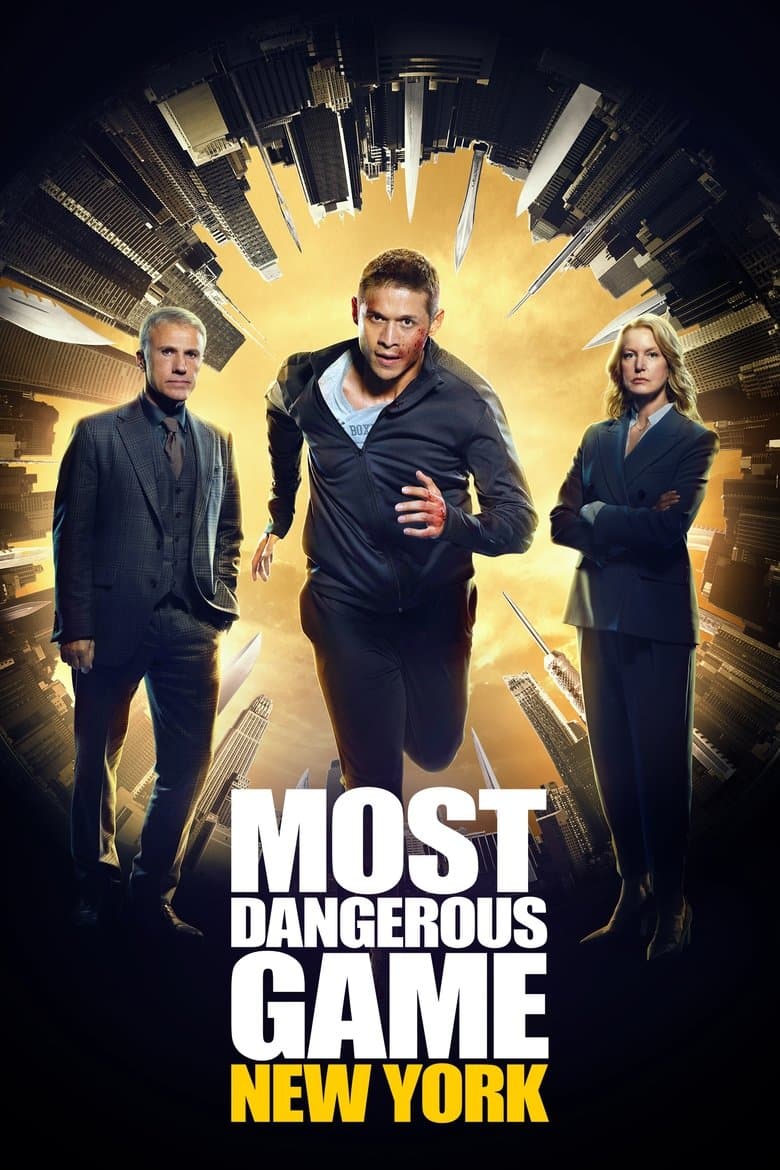
TV Show · 2020
Desperate to take care of his pregnant wife before a terminal illness can take his life, Dodge Maynard accepts an offer to participate in a deadly game where he soon discovers…
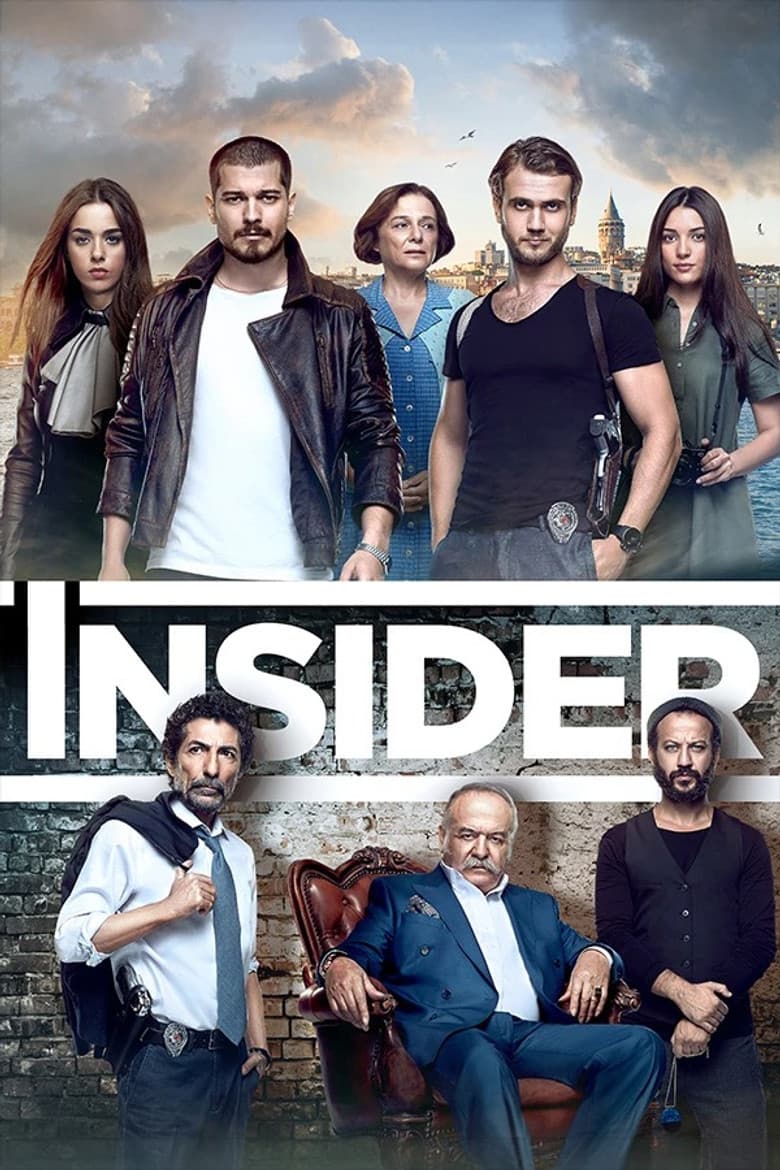
TV Show · 2016
Even though two brothers are completely separated from each other after the imprisoning of their father and the kidnapping of their twin brother, they meet by coincidence years…
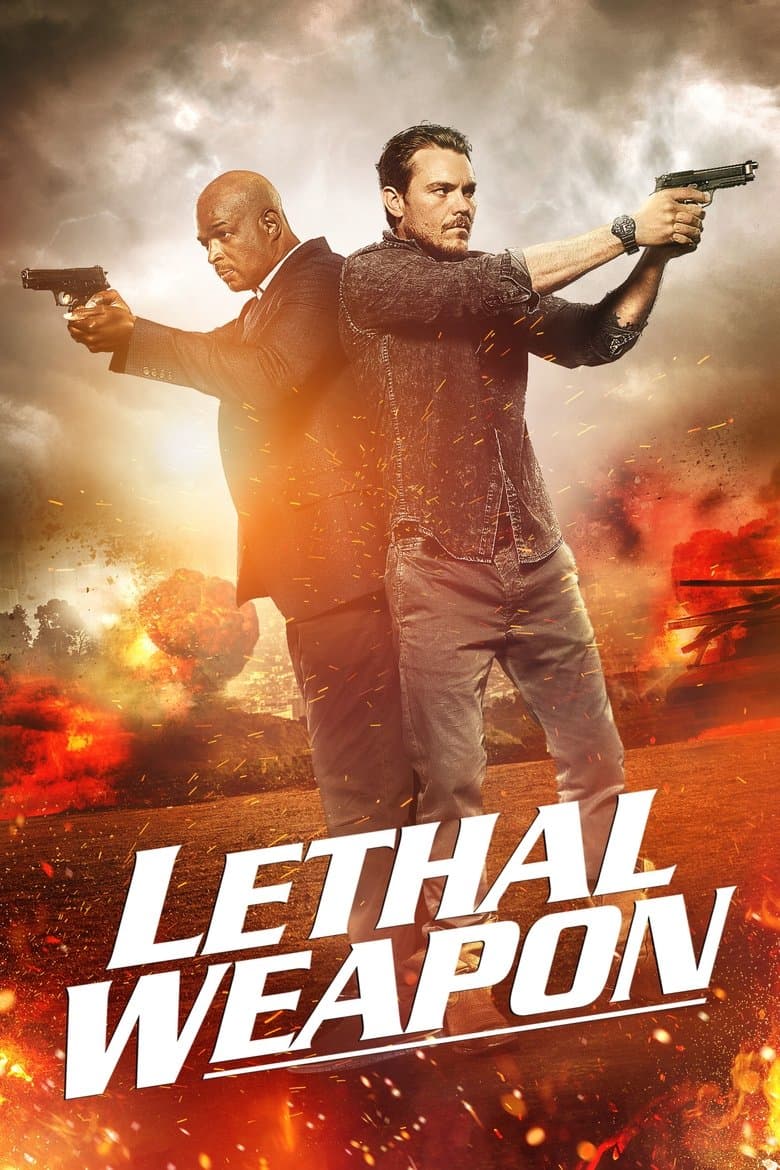
TV Show · 2016
A slightly unhinged former Navy SEAL lands a job as a police officer in Los Angeles where he's partnered with a veteran detective trying to keep maintain a low stress level in his…
