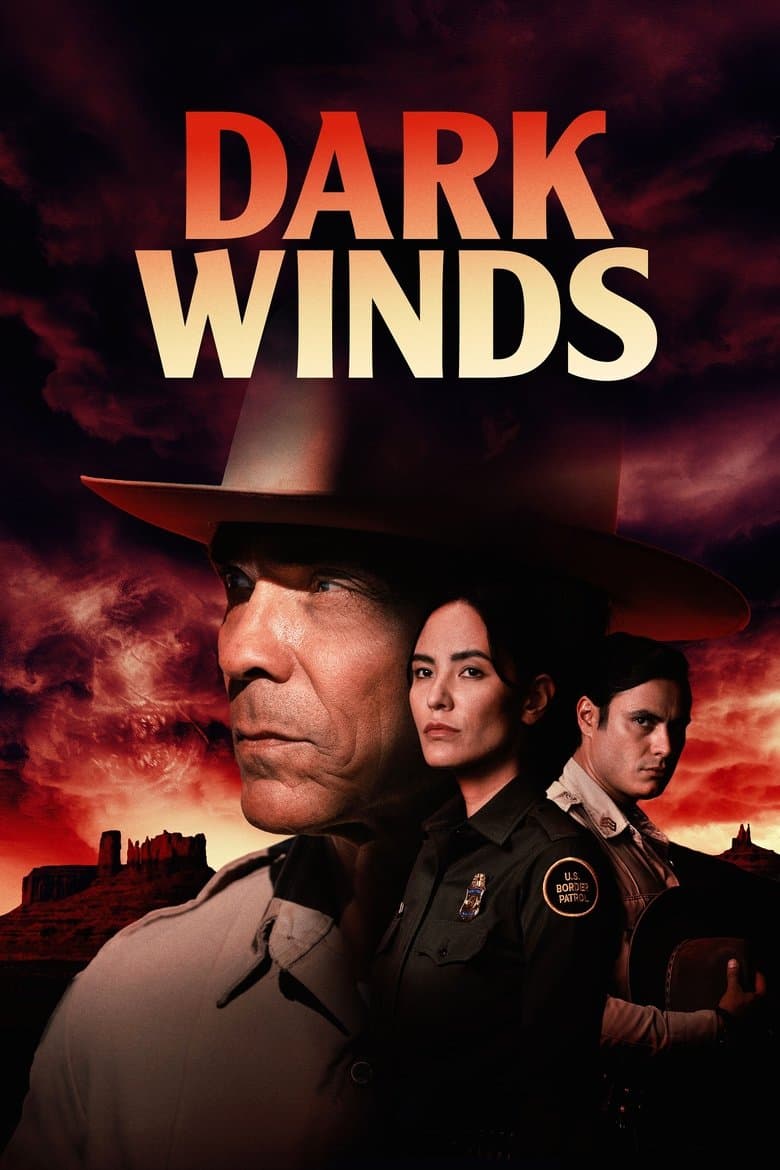
Started June 12, 2022 · Returning Series · Based on 4 seasons, 28 episodes through April 5, 2026 · TV-MA
Dark Winds follows Joe Leaphorn, Jim Chee, and Bernadette Manuelito, three officers of the Navajo Tribal Police. The cases begin on the Navajo Nation in the early 1970s and later take the team to Los Angeles. Murders, missing people, crime rings, family loss, and strange spiritual events pull the officers into danger. The tone is slow, serious, violent, and often haunted, but it also makes room for family care and dry humor.
The show makes native identity, Navajo community life, spiritual practice, and the clash with outside agencies visible in nearly every season. Season 1 centers on Navajo beliefs and a native community, while season 2 adds forced sterilization and the abuse of native women by health officials. Season 3 brings in pain from boarding schools, border work, trafficking, and a monster tied to Navajo tradition. Season 4 follows a missing Navajo girl, a German killer who wants to build a false family with native characters, and healing ceremonies, so the identity themes remain important even when the story moves to Los Angeles.
Community feedback
Was our 53% Woke rating accurate?
Breakdown
These are the editorial factors and ratings behind our score for Dark Winds.
Woke representation / casting
The show puts a mostly native cast in a story about the Navajo Nation, so the main identity choice fits the setting. AMC also presents the series as native-led and as a showcase for native talent. The three lead actors are native but not Navajo, which creates a clear tribe mismatch for Navajo characters. This makes representation a strong audience-visible part of the show across all four seasons.
24%
Woke political dialogue
The show includes direct talk about native women being sterilized by health officials and about the lasting harm of boarding schools. The cases also show the FBI, Border Patrol, and other officials ignoring or using native communities. These points recur from season 1 through season 3, and season 4 keeps the focus on native youth and outside crime networks. The dialogue stays tied to 1970s crimes and personal stories, so speeches about current politics are limited.
32%
Identity-driven story themes
The show makes Navajo identity, family ties, spiritual beliefs, and community duty central to its mysteries. Season 1 uses ceremonies and beliefs to shape the case, while season 2 follows a forced-sterilization story involving native women. Season 3 links grief and old wounds to Navajo myth and history. Season 4 follows a missing Navajo girl and a healing ceremony while the team works in Los Angeles. These themes are repeated and important, though they usually serve the crime plot.
47%
Western institutional / cultural critique
The show repeatedly presents the FBI, health services, boarding schools, Border Patrol, and wealthy outside business people as sources of pressure or harm. Season 1 shows an FBI agent using tribal police for his own case, and later seasons show medical abuse, border corruption, and a white oil businessman tied to loss and crime. The show also gives Navajo traditions a serious place beside Western religion and law. The critique recurs, but it is mostly a 1970s story about specific abuses rather than a broad attack on modern family or Western society.
31%
Woke character or canon changes
Season 4 changes the book's male assassin Vaggan into Irene, a woman played by Franka Potente. Showrunner John Wirth said the team did not want another big white male villain and discussed what kind of woman could do that job in 1972. The show also makes Bernadette a major officer and gives Emma more work and story time than in the early books. The gender change is clear and important in season 4, but it does not drive the whole series.
30%
Anti-woke backlash and complaints
Some audience posts call the show woke or fake because it centers native characters and gives the women major roles. A few comments also object to changes from Hillerman's books and call the writing politically correct. The larger reaction is praise for the cast and Native setting, while the strongest reported criticism came from Diné viewers who questioned language and cultural accuracy, not from anti-woke politics. The anti-woke backlash is real but small and scattered.
12%
Creator track record context
Most key creators have no documented activist pattern or have only mild context. Robert Redford adds a known history of environmental and native-rights advocacy, while George R.R. Martin has spoken about feminism and defending diverse characters. Erica Tremblay, Steven Judd, and Zahn McClarnon add stronger native identity and community-focused work. Overall, the creator context supports the show's representation focus but does not show a broad activist pattern.
27%
Production
TV Show · 2024
A young boy growing up in the suburbs of 1980s Brisbane faces the harsh realities of life — and the looming dangers that threaten his family.
TV Show · 2023
A mysterious woman's escape from her harrowing captivity points investigators toward the dark truth behind an unsolved disappearance 13 years earlier.
TV Show · 2020
A family's lives are irreparably disrupted when the 14-year-old son is accused of murdering a fellow classmate.
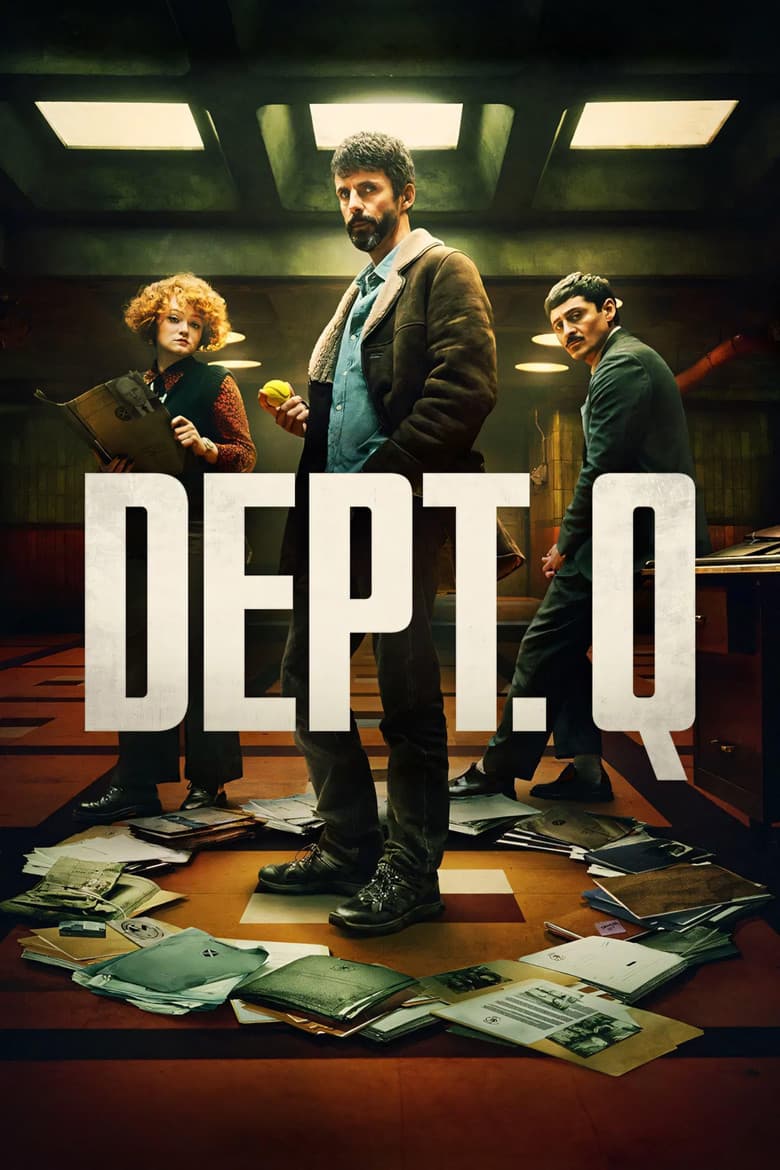
TV Show · 2025
A brash but brilliant cop becomes head of a new police department, where he leads an unlikely team of misfits in solving Edinburgh's cold cases.
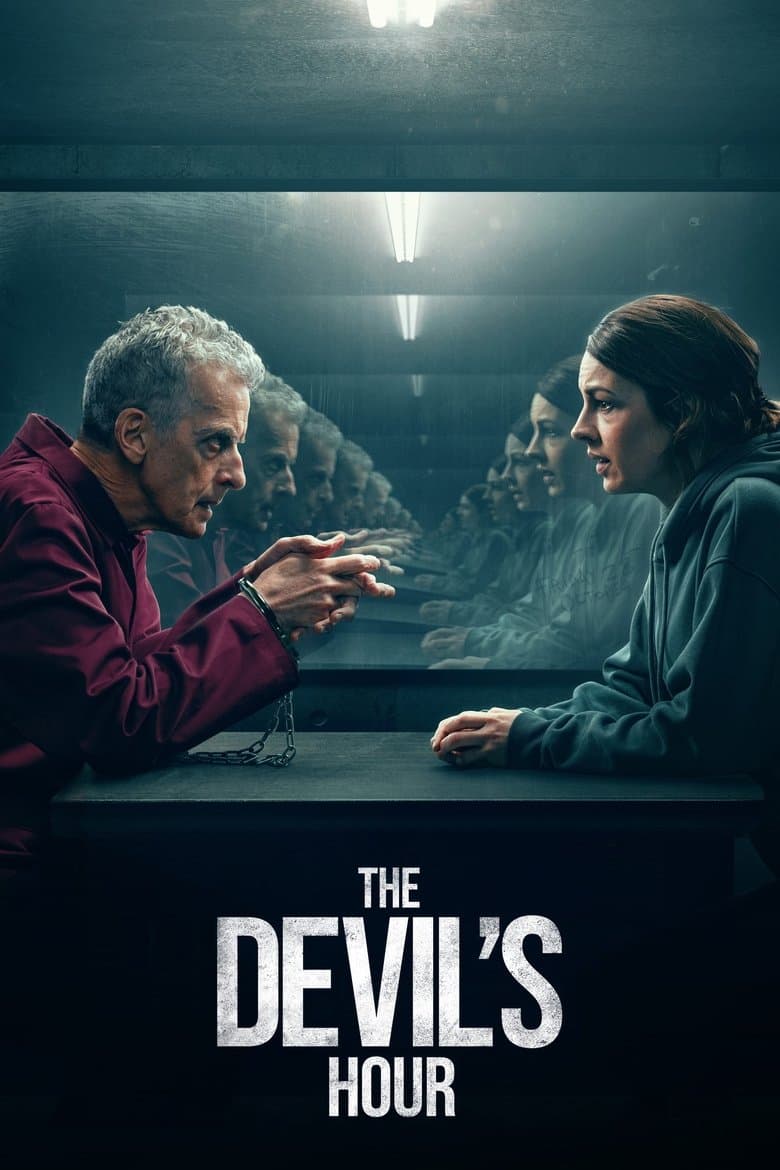
TV Show · 2022
Lucy wakes every night at exactly 3:33am. Nothing in her life has made sense for a long time. But the answers are out there, somewhere, at the end of a trail of brutal murders.

TV Show · 2020
Zoe Walker leaves her quiet life behind to investigate her brother's disappearance in Ibiza, where she quickly heads down a decadent and dangerous path.
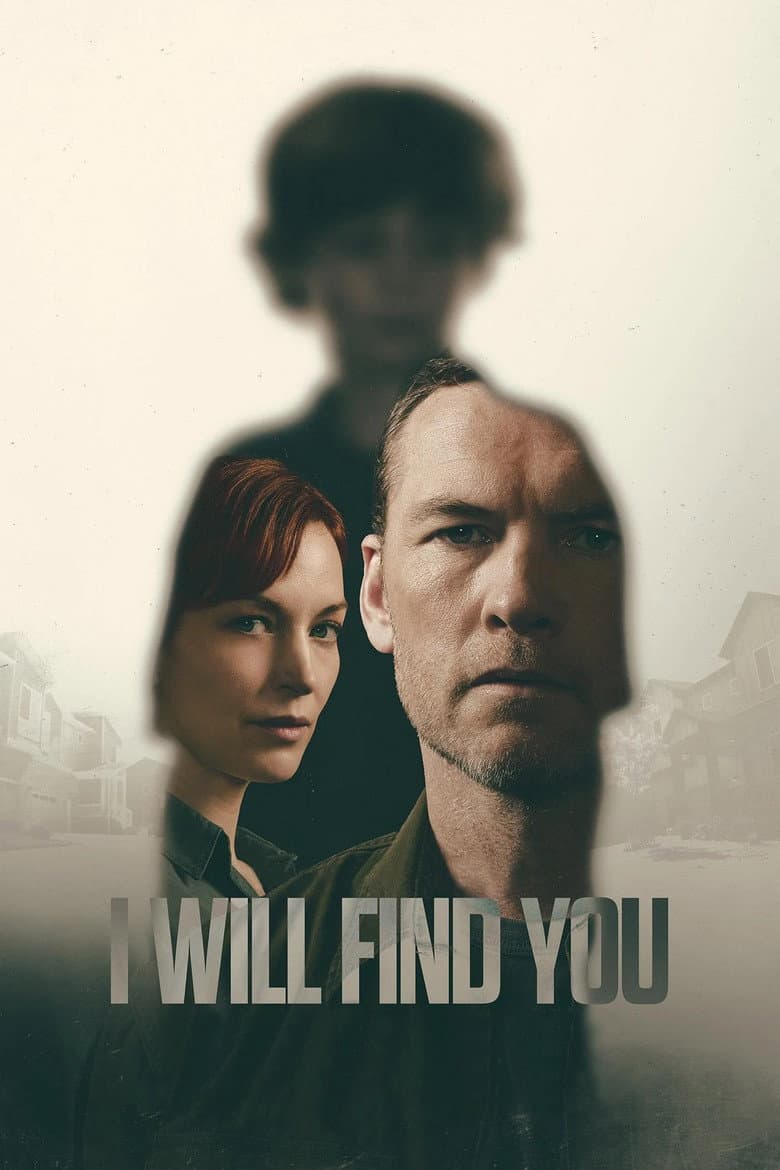
TV Show · 2026
Wrongfully imprisoned for murdering his own son, a father sets out on a desperate rescue mission after learning the boy may still be alive.
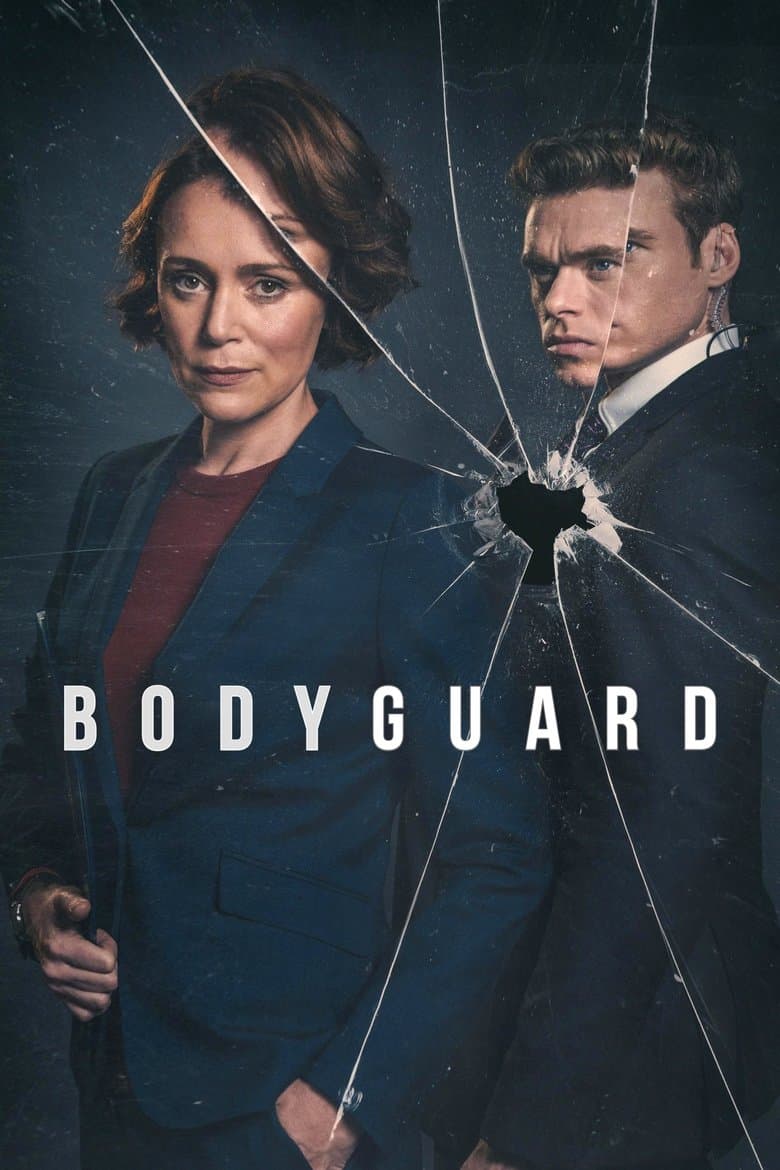
TV Show · 2018
A troubled war veteran is assigned to protect a controversial politician who may be the target of a terror plot.
