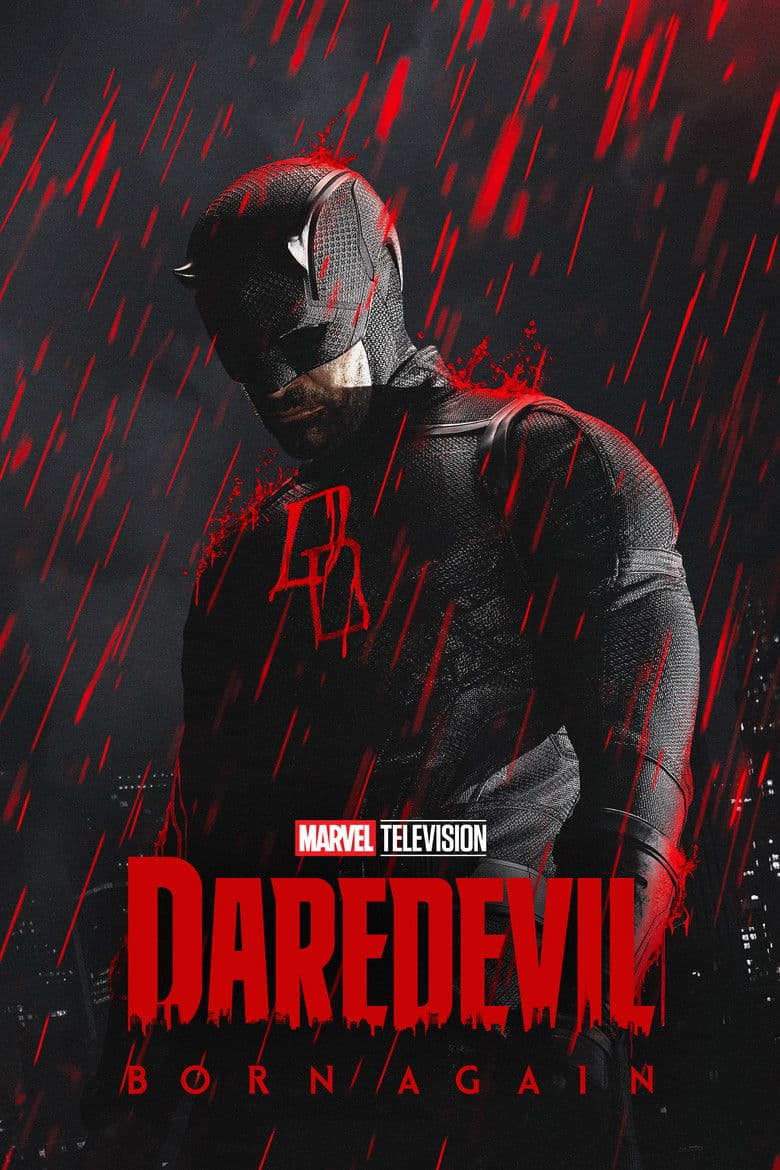
Started March 4, 2025 · Returning Series · Based on 2 seasons, 17 episodes through May 5, 2026 · TV-MA
Matt Murdock tries to live as a lawyer after a personal catastrophe while Wilson Fisk becomes mayor of New York on an anti-vigilante platform. Season 1 builds their collision through street crime, a White Tiger wrongful-arrest arc, the serial killer Muse, and Fisk’s rise to power. Season 2 turns that fight into open resistance as Daredevil and his allies face Fisk’s Anti-Vigilante Task Force and Safer Streets regime. Jessica Jones returns, and media and propaganda threads around BB Urich grow louder.
Audience-facing diversity sits mainly in supporting roles such as black law partner Kirsten McDuffie, black journalist BB Urich, and Latino White Tiger Hector Ayala. Dialogue is thick with modern political talk about campaigns, raids, resistance, and the mayor, not race or gender identity lectures. The White Tiger plot is the clearest race and community-justice beat when a Latino hero is framed for a cop’s death. Fisk’s mayoralty and task force are widely read as Trump-era and ICE-adjacent critiques of executive power and policing. That institutional critique carries most of the woke-adjacent weight, while Matt’s Catholic faith remains personal character material.
Community feedback
Was our 69% Woke rating accurate?
Breakdown
These are the editorial factors and ratings behind our score for Daredevil: Born Again.
Woke representation / casting
The show is set in modern New York, so a multiethnic cast feels ordinary. Charlie Cox and Vincent D’Onofrio still lead. Diversity shows most in strong supporting parts like Black partner Kirsten McDuffie, black journalist BB Urich, and Latino White Tiger Hector Ayala. McDuffie stepping into Foggy’s old space drew DEI replacement complaints, but she does not become the whole face of the series.
32%
Woke political dialogue
Characters rarely lecture about race or gender identity. The talk is full of current political language about anti-vigilante campaigns, Safer Streets, raids, resistance to the mayor, and propaganda versus free reporting. Season 2 sounds more political than season 1. The speech feels institutional and partisan more than rainbow identity preaching.
40%
Identity-driven story themes
The main engine is classic Daredevil material: law versus vigilante violence, corruption, Catholic guilt, and the Murdock–Fisk obsession. Identity is secondary. The White Tiger arc is the clearest race and community justice story when a Latino hero is framed for a cop’s death. Season 2’s resistance frame is about political power more than identity theory, and there is no confirmed central LGBTQ plot.
35%
Western institutional / cultural critique
This is the strongest factor, and season 2 weighs heavier. Fisk as mayor and the AVTF are widely read, and partly creator-acknowledged, as Trump-era and ICE-adjacent with black uniforms, raids, detentions, and authoritarian safer streets politics. Corrupt-cop plots and resistance to city power sit on top of ordinary crime drama. Faith and family institutions are not the main target.
58%
Woke character or canon changes
Mayor Fisk follows comic-era Mayor Fisk material more than pure invention. White Tiger’s fate echoes comics tragedy. Foggy’s early death is a big continuity shock but is driven by plot drama, not an identity rewrite. The main identity-related change is casting McDuffie, often light or white-coded in comics, with a black actress as Matt’s legal partner in Foggy’s space. There are no major gender or sexuality rewrites of Daredevil, Kingpin, or Karen.
24%
Anti-woke backlash and complaints
There is clear, documentable anti-woke and right-leaning criticism of DEI casting, Trump allegory, AVTF-as-ICE, and anti-conservative framing. That talk appears on Cosmic Book News, Worth It or Woke, VirtueVigil, That Park Place, Geeks + Gamers, and social posts calling the show basura woke or propaganda. It is not a culture-war nuclear event like some MCU titles, but it is sustained and specific enough to score mid-high.
54%
Creator track record context
Cached scores for listed people put directors Benson and Moorhead low around 19 and Scardapane moderate around 29 with political-parallel storytelling. Bendis scores higher around 47 as a diverse-character comics figure, while Stan Lee and most producers sit low to mid 20s or below. The overall creative package is mild to moderate, not an activist-only slate. Season 2 framing from Scardapane and Amanat about Trump and ICE art imitates life matches the later political tone.
30%
Production
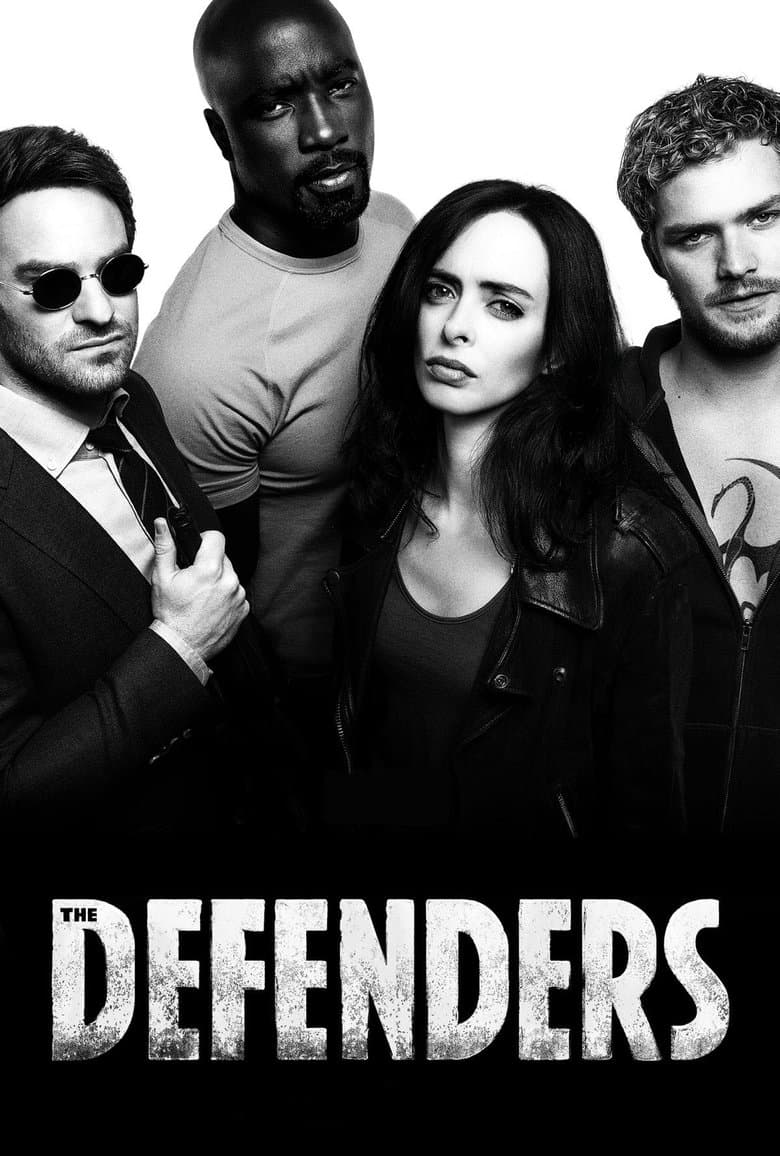
TV Show · 2017
Daredevil, Jessica Jones, Luke Cage and Iron Fist join forces to take on common enemies as a sinister conspiracy threatens New York City.
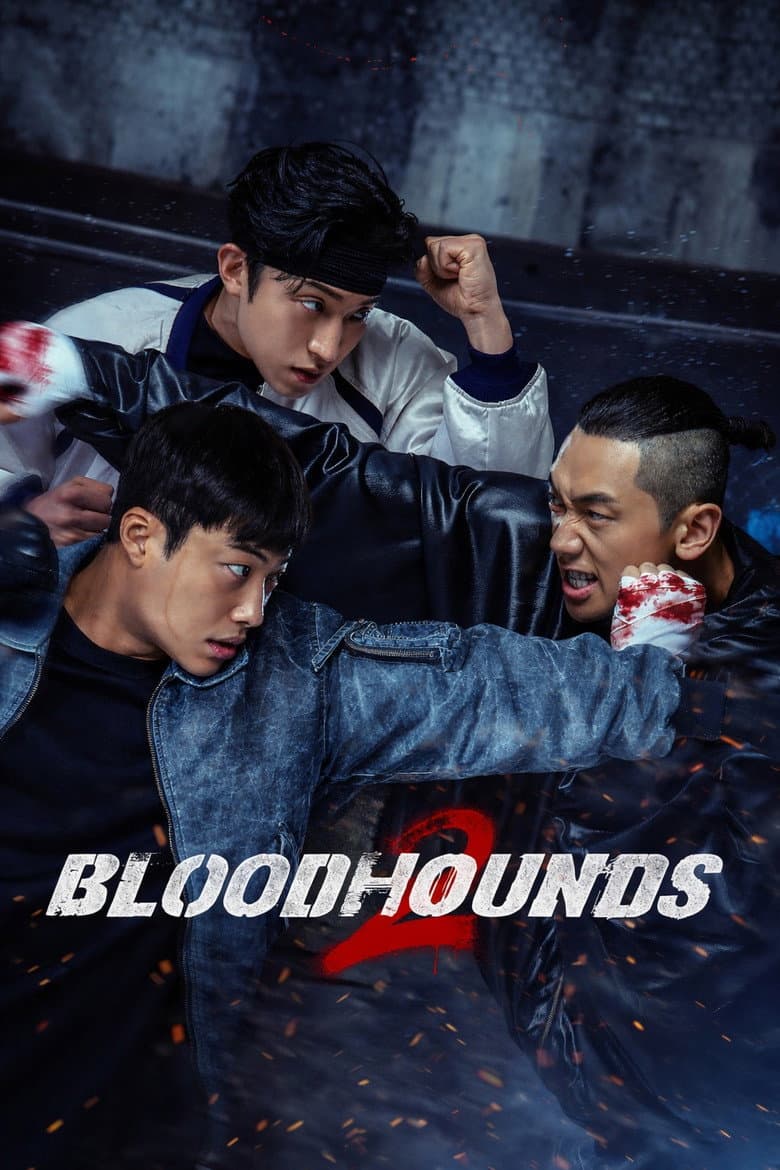
TV Show · 2023
Faced with ruthless foes with a violent thirst, two young boxers band together — risking life and limb to bring justice and protect their loved ones.
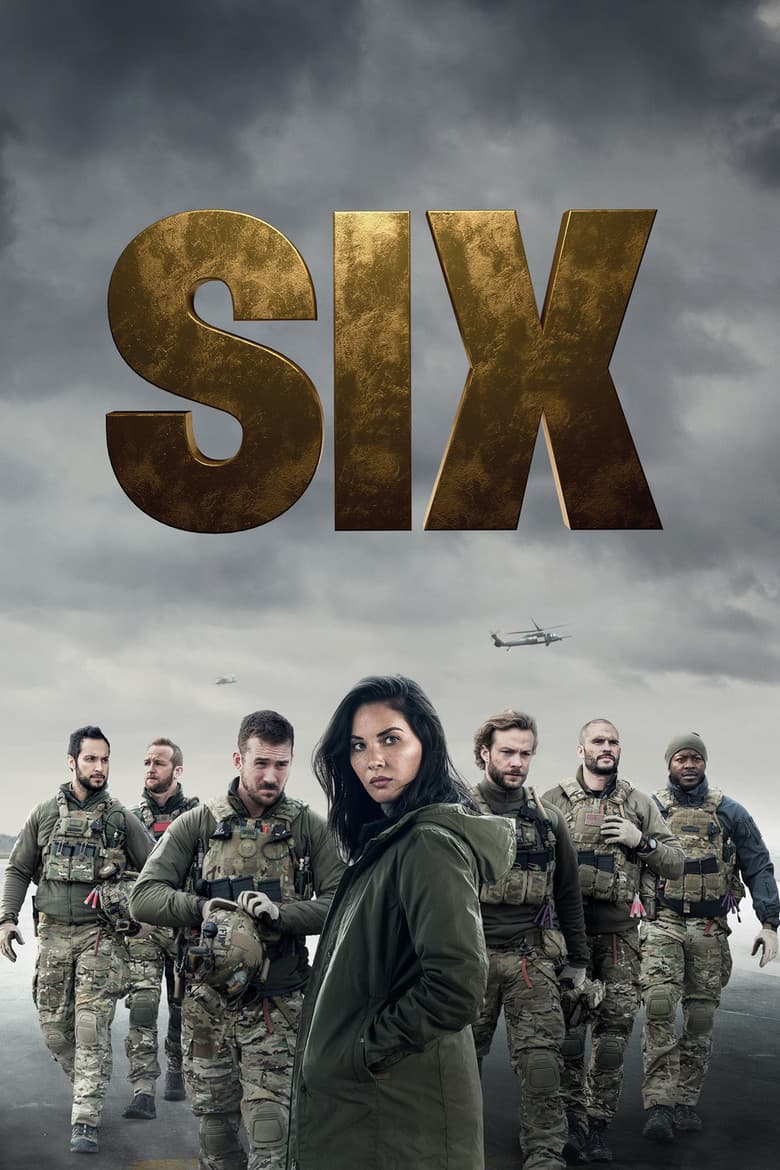
TV Show · 2017
Action drama series inspired by the real missions of Navy SEAL Team Six.
TV Show · 2016
The story of Mac Conway, a Marine who returns home to Memphis from Vietnam in 1972 and finds himself shunned by those he loves and demonized by the public.
TV Show · 2022
Dan Chase absconded from the CIA decades ago and now lives off the grid. When an assassin arrives and tries to take Chase out, the old operative learns that to ensure his future…
TV Show · 2019
Follow a disillusioned teen recruited into a storied high school for assassins. Maintaining his moral code while surviving a ruthless curriculum, vicious social cliques, and his…
TV Show · 2021
A happily married man's life is turned upside down when his wife is killed in a mysterious hit-and-run accident in Tel Aviv.
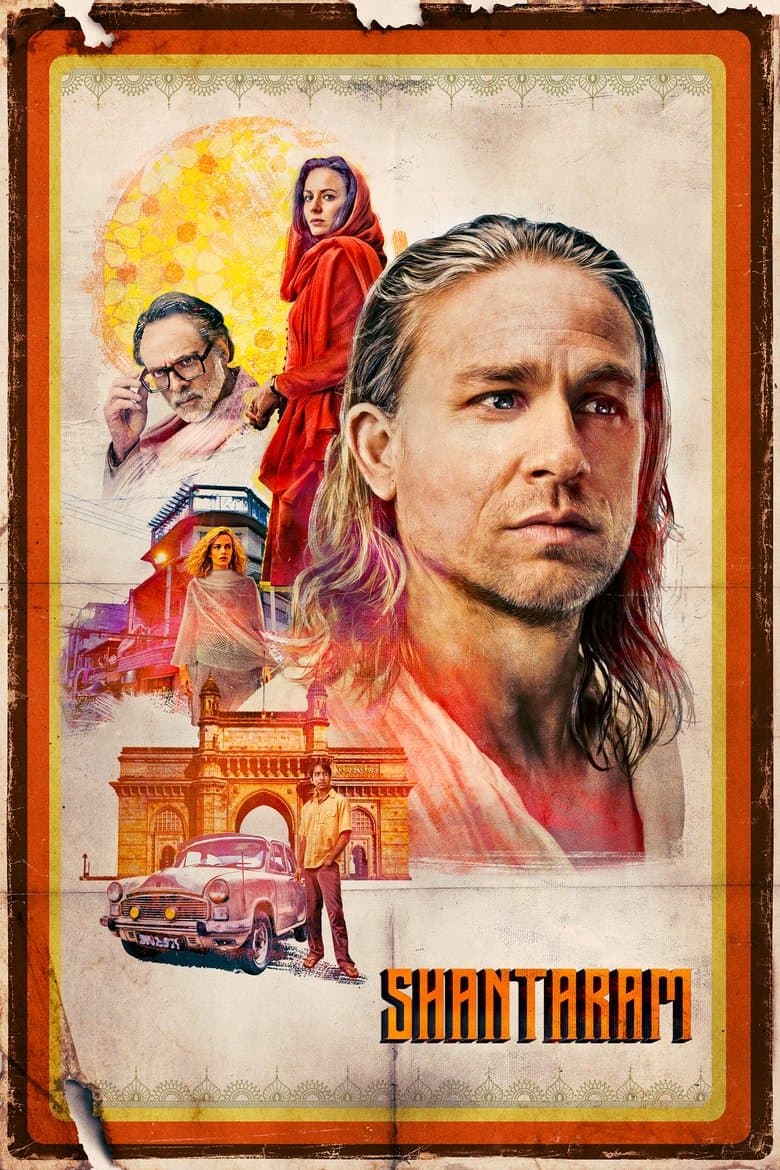
TV Show · 2022
Escaped convict Lin Ford flees to the teeming streets of 1980s Bombay, looking to disappear. Working as a medic for the city's poor and neglected, Lin finds unexpected love…
