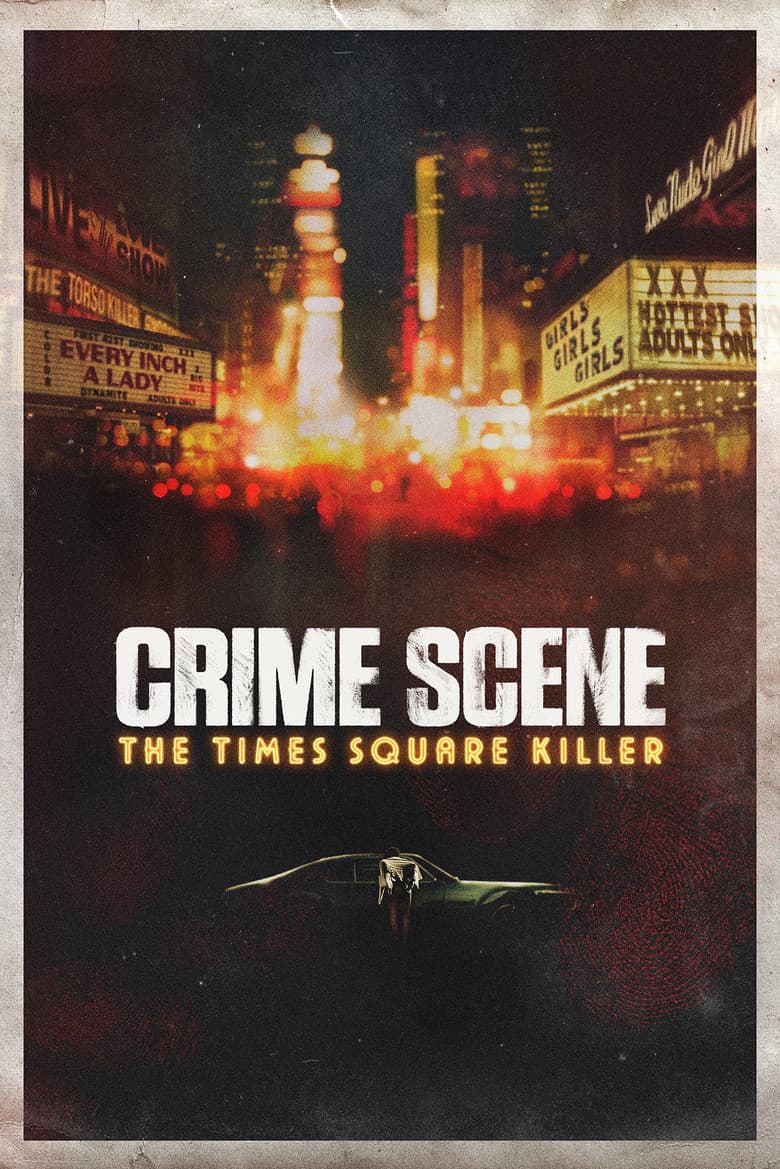
Started December 29, 2021 · Ended · Based on 1 season, 3 episodes through December 29, 2021 · TV-MA · 50 min
Crime Scene: The Times Square Killer follows Richard Cottingham, a New Jersey man who attacked and murdered women in New York and New Jersey. The investigation begins after two mutilated bodies are found in a burning Times Square hotel room in 1979. Detectives struggle because the crimes cross state lines and many victims worked in the sex trade. The show uses interviews, old news footage, police evidence, and dark reenactments, so the tone is grim and unsettling.
The series repeatedly presents sex workers as people whom police and the public treated as less important. It links the danger to the illegal sex trade, abusive men, weak police work, and a double standard that punished women more than male clients. It also explains how the women’s movement changed rape laws, police work, and ideas about consent. A historian supports changing laws against sex work, while the series gives space to trans women and gay hustlers in its history of Times Square. These themes are important across all three episodes, but the main story remains the murders and the hunt for Cottingham.
Community feedback
Was our 58% Woke rating accurate?
Breakdown
These are the editorial factors and ratings behind our score for Crime Scene: The Times Square Killer.
Woke representation / casting
Not present. The show uses real investigators, witnesses, historians, and people tied to the case. The lineup fits the people and place being discussed, and the show does not frame it as a diversity message.
0%
Woke political dialogue
The series repeatedly discusses the women’s movement, sexual consent, and unequal treatment under prostitution laws. Speakers say police often arrested women while leaving male clients alone. A historian supports changing laws that make sex work a crime. These lines appear mainly in Episodes 2 and 3 and support the show’s social argument, but they do not take over the full investigation.
47%
Identity-driven story themes
The series makes the treatment of sex workers a continuing part of the story. It says their low status, criminalization, and public shame helped predators target them and helped murders go unsolved. It also treats the women’s movement as a force that made victims more willing to speak and changed the law. This theme runs through all three episodes, but the main plot still follows Cottingham, his victims, and the investigation.
55%
Western institutional / cultural critique
The show repeatedly criticizes failures in police and legal systems. It describes police who ignored sex-worker murders, arrested women instead of male clients, and failed to share information across state lines. It links the problem to a wider culture where men treated women as goods and victims as less human. The critique is strong and recurring, but the show does not reject Western institutions or focus on anti-capitalist ideas.
53%
Woke character or canon changes
Not relevant. The show presents real crimes and real people. It does not change a known character, historical figure, or source identity.
0%
Anti-woke backlash and complaints
A small X account called the social-justice and feminist language “feminist crap” and objected to men-bad and sex-work-good ideas. An anti-sex-trade group said the show’s use of “sex worker” language normalizes prostitution and disrespects victims. A few audience posts also called the series misandrist or too soft on prostitution. The evidence is small and scattered, with no broad boycott or review-bombing.
28%
Creator track record context
Joe Berlinger has a mild social-justice pattern through documentaries about wrongful convictions, justice-system flaws, and harm to victims. He publicly framed this series around society ignoring sex-worker victims and the need to change attitudes toward sex work. The cached producer records are mostly mainstream, with only a few links to inequality or identity-focused projects.
24%
Production
TV Show · 2020
A four-part documentary series revolving around the case of single mother Barbara Hamburg, who was brutally murdered in 2010 near her home in the upper-middle class enclave of…
TV Show · 2018
This baffling true crime story starts with the grisly death of a pizza man who robs a bank with a bomb around his neck - and gets weirder from there.
TV Show · 2019
A twisted criminal's gruesome videos drive a group of amateur online sleuths to launch a risky manhunt that pulls them into a dark underworld.
TV Show · 2020
When a stranger makes a shocking claim about his wife, Adam Price's life upends as he becomes entangled in a web of secrets.
TV Show · 2022
This harrowing docuseries explores, a cruel conman masquerading as a British spy manipulates and steals from his victims, leaving ruined families in his wake.
TV Show · 2025
What happened in the final days of Gabby Petito's life? In this gripping true-crime series, her loved ones reveal the untold story of her tragic murder.
TV Show · 2021
The Son of Sam case grew into a lifelong obsession for journalist Maury Terry, who became convinced that the murders were linked to a Satanic cult.

TV Show · 2017
Inspired by actual events, this true crime anthology series takes a deep dive into the dark, twisted minds of terrorists and follows the brave souls who hunt them down.
