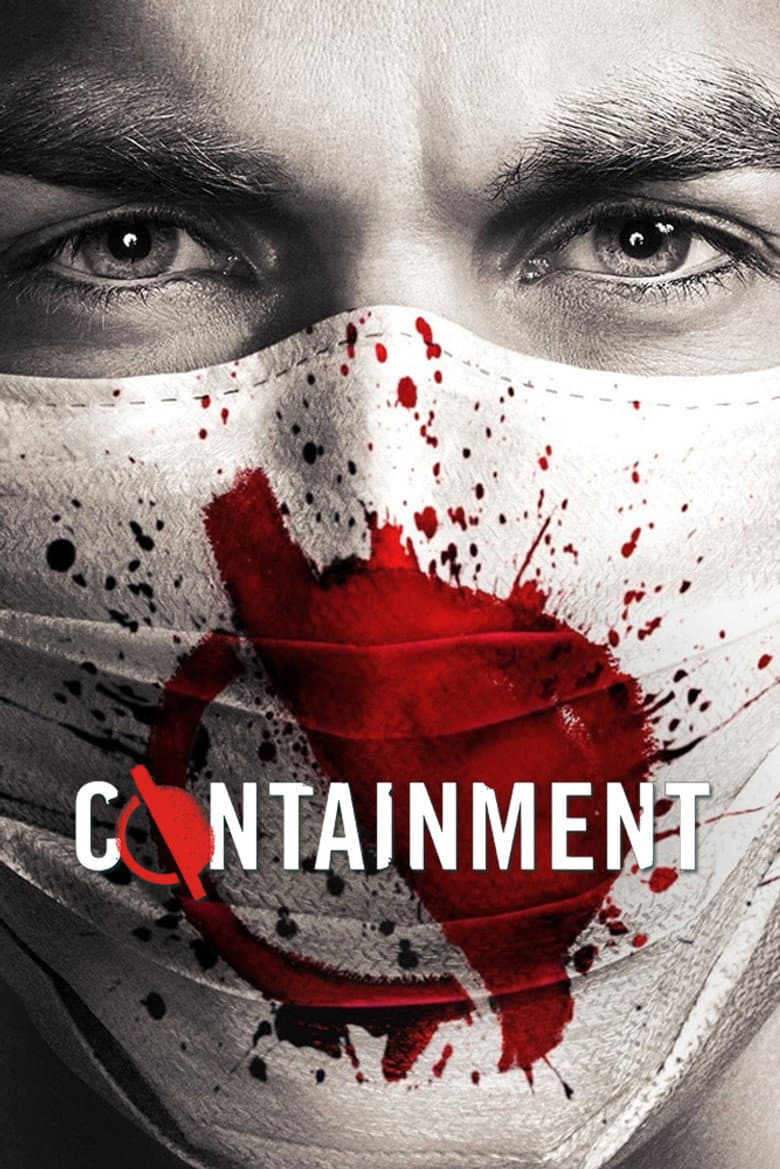
Started April 19, 2016 · Canceled · Based on 1 season, 13 episodes through July 19, 2016 · TV-14 · 43 min
Containment follows Atlanta police officer Jake Riley after a deadly virus traps him inside a fenced quarantine zone. Teacher Katie Frank, her students, pregnant teenager Teresa, CDC doctor Victor Cannerts, and data worker Jana are trapped with him. Outside the zone, police major Lex Carnahan and CDC official Sabine Lommers try to keep order while families are split apart. The tone is tense and grim, with hospital deaths, riots, gangs, romance, and a race to find a cure.
The clearest identity-focused element appears at the start, when a Syrian refugee becomes Patient Zero and public fear turns toward terrorism and blame. The show later treats the outbreak as an accident and shifts toward survival, love, crime, secrecy, and medical research. It repeatedly questions officials who hide facts and control the quarantine, but this is a general disaster story about emergency power rather than a modern identity campaign. A few diverse lead roles are visible, yet the story does not make race, sex, or queer identity its main subject.
Community feedback
Was our 30% Woke rating accurate?
Breakdown
These are the editorial factors and ratings behind our score for Containment.
Woke representation / casting
Not present. The main cast includes black police leaders, a black data worker, an Asian doctor, and a Syrian refugee in a modern Atlanta setting. The show gives no clear diversity-first message beyond fitting that setting.
0%
Woke political dialogue
Not present. The show has arguments about quarantine orders, public safety, and a possible government cover-up. It does not give recurring activist or identity-politics speeches.
0%
Identity-driven story themes
The pilot makes a Syrian refugee the source of the outbreak and ties his arrival to fears of terrorism. The story later treats the outbreak as an accident and lets other characters question quick blame. This identity-based fear shapes the opening mystery and the early hunt for answers. Most later episodes focus on survival, relationships, crime, secrecy, and medical research.
25%
Western institutional / cultural critique
The show repeatedly presents the CDC, National Security, and National Guard as secretive and willing to control the public. A reporter, a police major, and trapped residents push back against the cover-up, emergency force, and the cordon. The story frames this as a crisis thriller about bad choices and public trust. It does not attack Christianity, family, capitalism, or traditional gender roles.
18%
Woke character or canon changes
The American version changes Patient Zero from Afghan in the Belgian source to Syrian. Julie Plec said the change followed Syria's place in the news, and she also described casting changes meant to reflect Atlanta's diversity. This makes refugee identity and fear of terrorism part of the setup. The season does not keep reshaping established characters after this opening choice.
33%
Anti-woke backlash and complaints
Not present. No clear anti-woke campaign or organized complaint about DEI, identity politics, or left-wing messaging was found. Reported debate centered on the Syrian patient-zero choice, mixed reviews, ratings, and cancellation.
0%
Creator track record context
Julie Plec has a moderate liberal track record, with more diverse and queer characters appearing in her later work. Her cached creator score is 45/100, while the other listed writers and directors have low cached scores and no clear activist record. Her interviews about this show focus on disease, fear, relationships, and human choices. The wider record raises context modestly but does not make the series identity-led.
30%
Production
TV Show · 2019
In the early 1990s in New York, during the height of the crack cocaine epidemic, a visionary musician named Bobby Diggs aka The RZA begins to form a super group of a dozen young…
TV Show · 2021
Inspired by the true story of Marty and the therapist who turned his life around...then took it over. When he first meets Dr. Ike, Marty just wants to get better at boundaries.
TV Show · 2026
As the Kargil War erupts between India and Pakistan, the Golden Arrows squadron of the Air Force takes flight on a dangerous mission behind enemy lines.
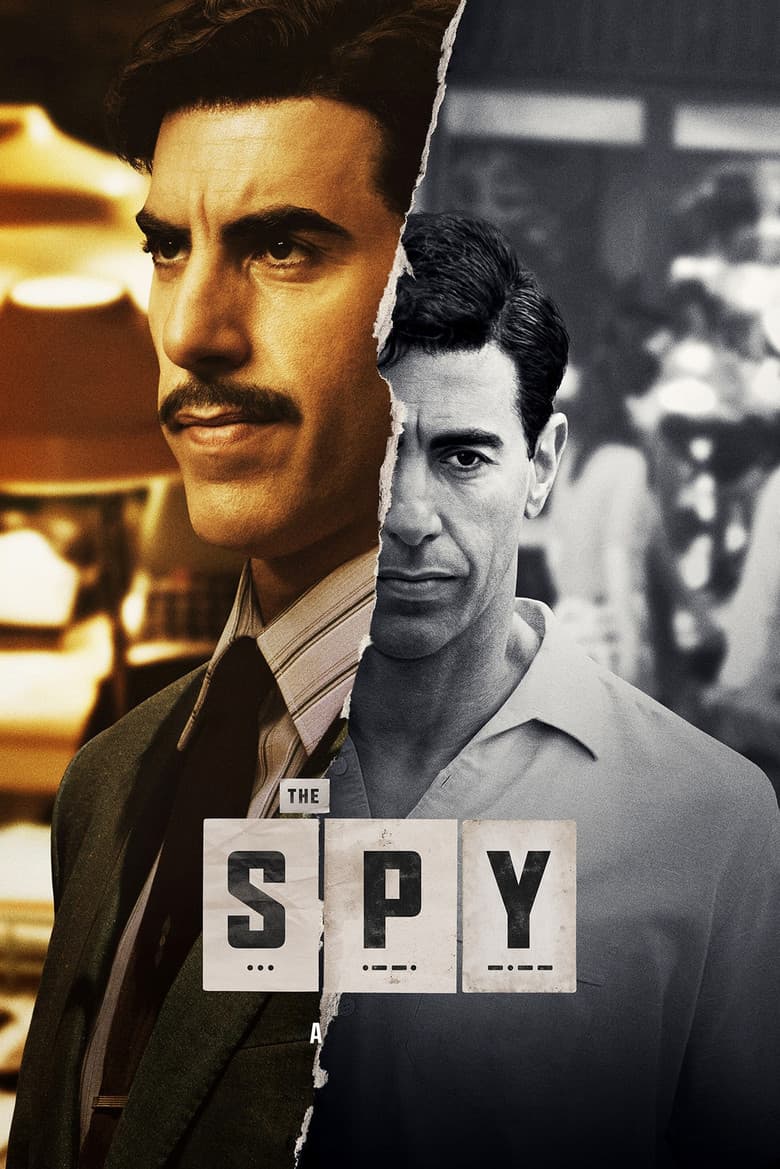
TV Show · 2019
In the 1960s, Israeli clerk-turned-secret agent Eli Cohen goes deep undercover inside Syria on a perilous, years-long mission to spy for Mossad.
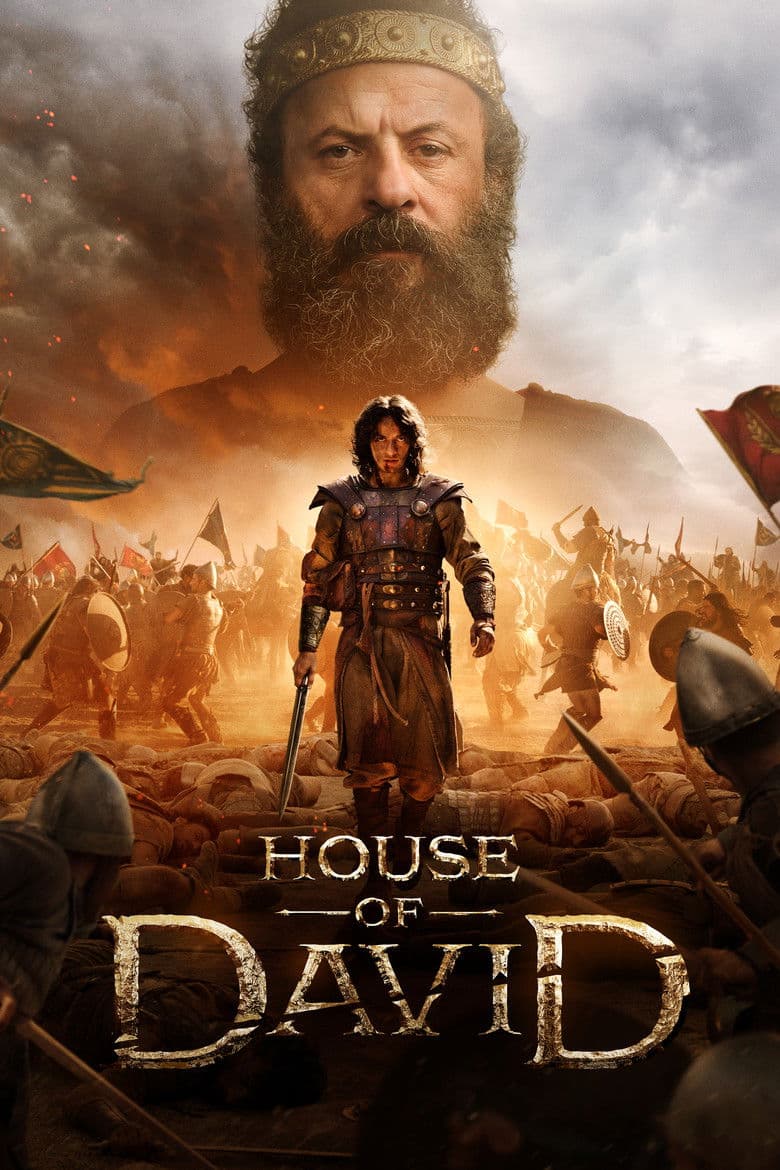
TV Show · 2025
Tells the story of the ascent of the biblical figure, David, who becomes the most celebrated king of Israel. The series follows the once-mighty King Saul as he falls victim to his…
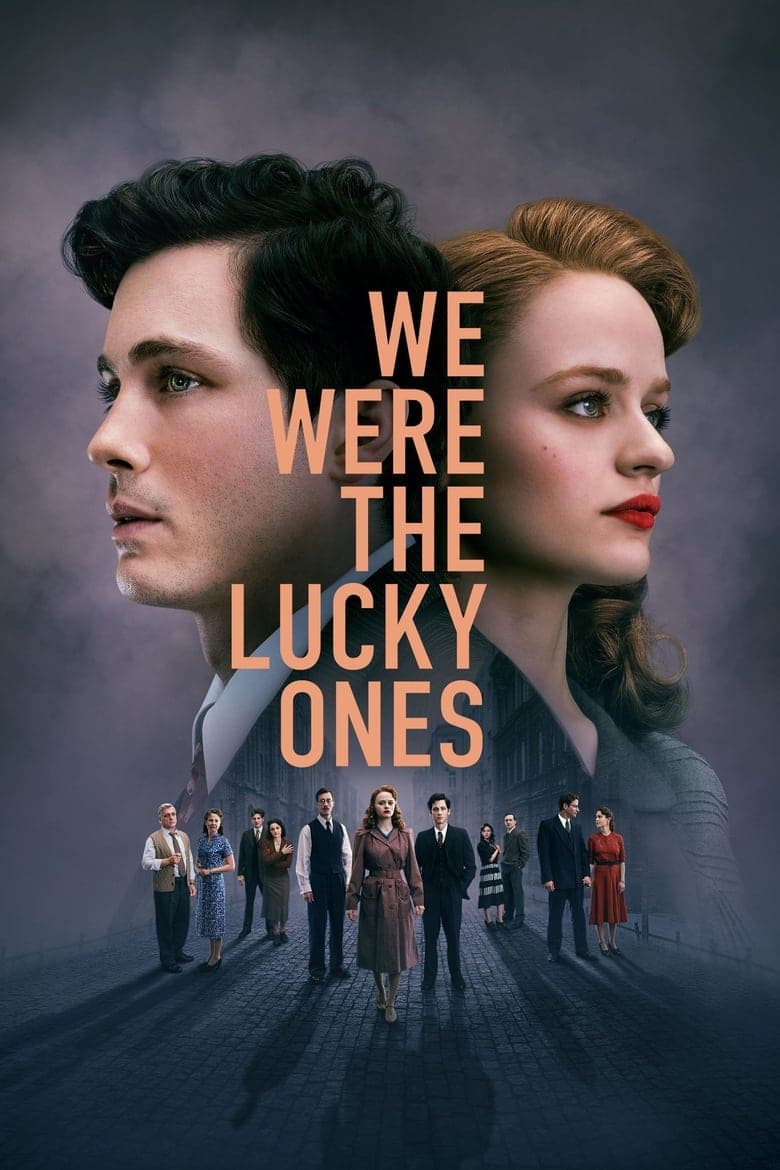
TV Show · 2024
The true story of one Jewish family separated at the start of World War II, determined to survive—and to reunite.
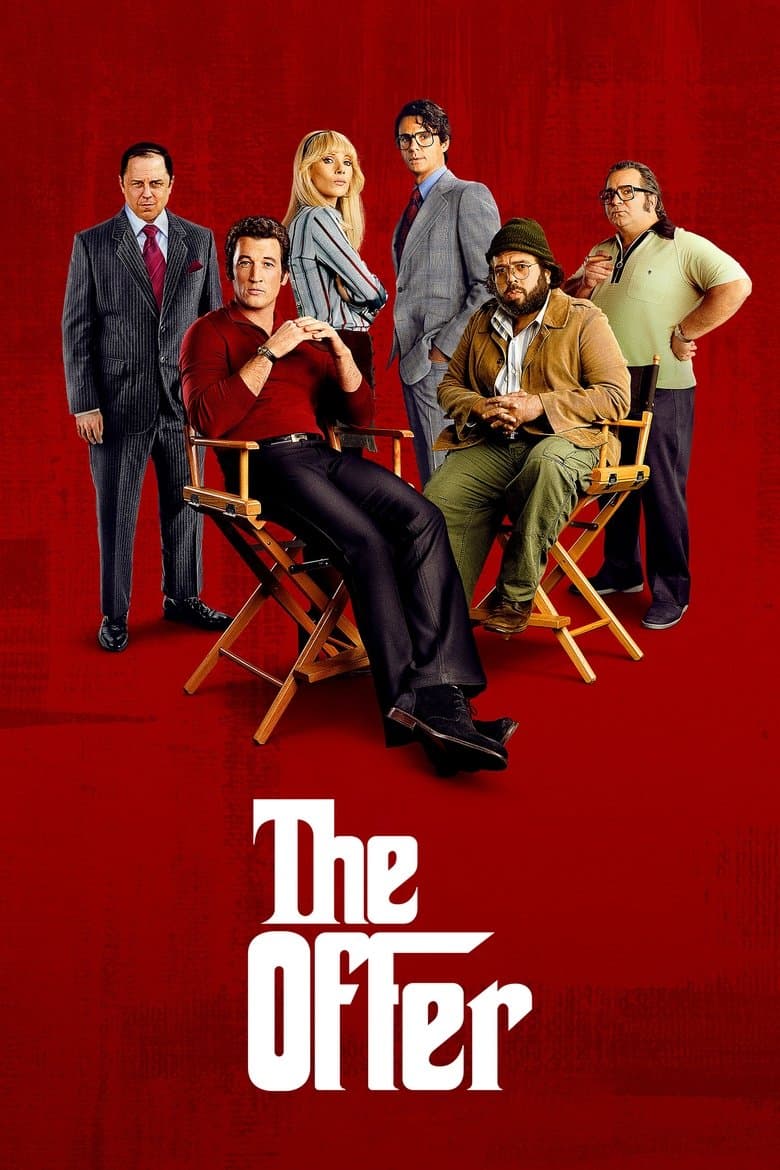
TV Show · 2022
Oscar-winning producer Al Ruddy’s never before revealed experiences of making the iconic 1972 film The Godfather that Francis Ford Coppola directed and adapted with Mario Puzo.
TV Show · 2025
"Legend of Zang Hai" follows the son of Imperial Astronomer Kuai Duo. Consumed by vengeance, he spends a decade honing his skills.
