
Started June 11, 2017 · Ended · Based on 4 seasons, 40 episodes through February 6, 2022 · TV-MA · 55 min
Desna Simms runs a nail salon in Florida while laundering money for crime bosses. She leads four women who become her friends, partners, and fellow criminals. The group faces violence, betrayal, addiction, pregnancy, and pressure from powerful men. The show uses bright colors, wild jokes, sex, and dark crime stories.
The show strongly centers women who take control in a male crime world. Its main group includes Black, Latina, Asian, white, straight, and lesbian women, with Quiet Ann’s relationship with Arlene returning across several seasons. The story often presents female friendship and female power as more important than marriage, law, or male control. The show also uses class struggles and feminist ideas, but it usually presents them through crime and personal drama instead of speeches.
Community feedback
Was our 79% Woke rating accurate?
Breakdown
These are the editorial factors and ratings behind our score for Claws.
Woke representation / casting
The show places five women at the center of the story. The group includes Black, Latina, Asian, and white women, plus a lesbian woman in a major role. Quiet Ann is a skilled protector and crime partner, while Desna leads the group and controls major businesses. The cast is repeatedly presented as a diverse female team, and the show’s own coverage stresses racial, sexual, age, and body diversity.
72%
Woke political dialogue
The characters sometimes discuss women’s power, male control, class, and unfair chances. The show uses these ideas in several seasons, but it rarely stops for long political speeches. Most political meaning appears through crime, work, sex, and friendship. The dialogue is more feminist than openly partisan.
24%
Identity-driven story themes
Female power and female friendship shape the main story across all four seasons. Quiet Ann’s lesbian relationship is a confirmed recurring part of the show. The women build businesses and criminal power while resisting men who control money, sex, work, and violence. The show treats these changes as positive or freeing even when the women make criminal choices.
67%
Western institutional / cultural critique
The show often treats male crime leaders, abusive partners, and wealthy business owners as sources of control and harm. The women gain freedom by taking over businesses and rejecting the rules set by men. The story also shows class pressure and limited chances for working women. The critique stays inside a flashy crime comedy and does not become a full attack on Christianity or all Western institutions.
54%
Woke character or canon changes
Not present in this title.
0%
Anti-woke backlash and complaints
Not present in this title.
0%
Creator track record context
Eliot Laurence has a strong feminist and queer-focused track record. Janine Sherman Barrois has a strong record of supporting black representation and women of color in television. Cheryl Dunye also brings a strong queer and black representation background. Rashida Jones and Will McCormack have publicly supported wider opportunities for women and people of color.
82%
Production

TV Show · 2019
A paragliding mishap drops a South Korean heiress in North Korea -- and into the life of an army officer, who decides he will help her hide.

TV Show · 2016
Rebellious Mickey and good-natured Gus navigate the thrills and agonies of modern relationships.

TV Show · 2018
When his secretary unexpectedly quits, an arrogant executive will do anything to bring her back.

TV Show · 2026
The mayor of a New England town resolves to turn it into the next tourist hot spot, despite local warnings that it's cursed.
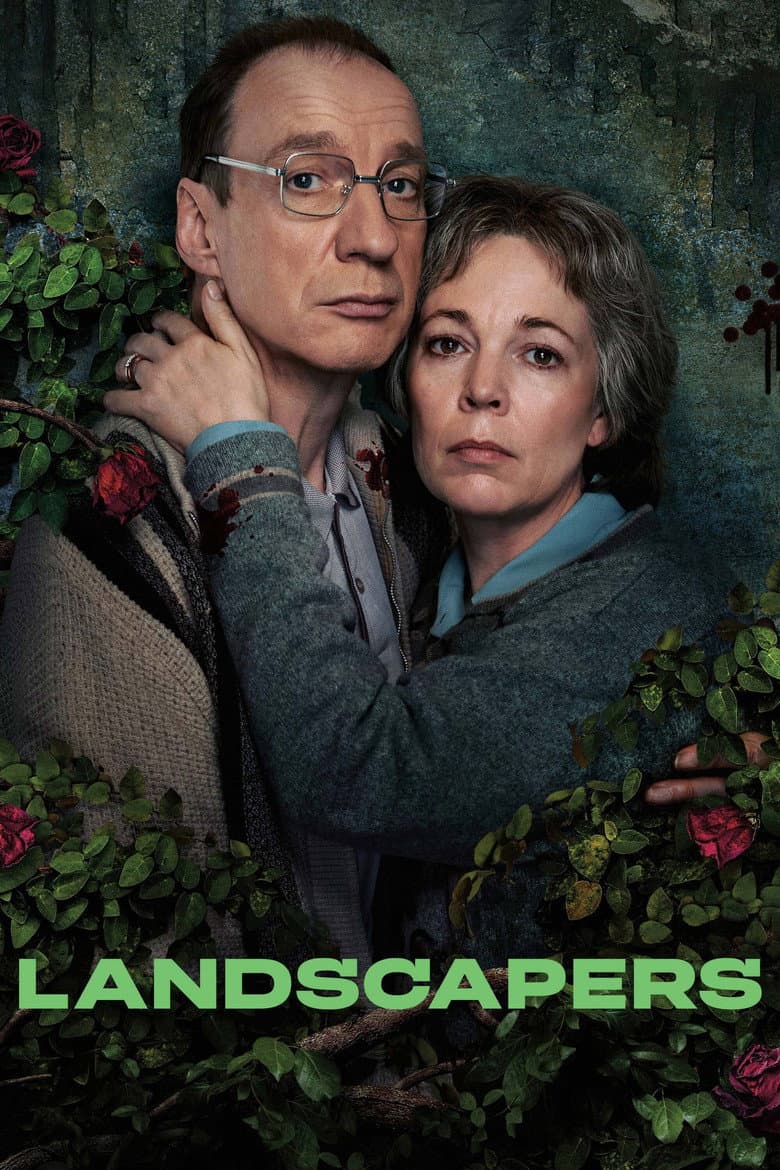
TV Show · 2021
A seemingly ordinary British couple become the focus of an extraordinary investigation when two dead bodies are discovered in the back garden of a house in Nottingham.
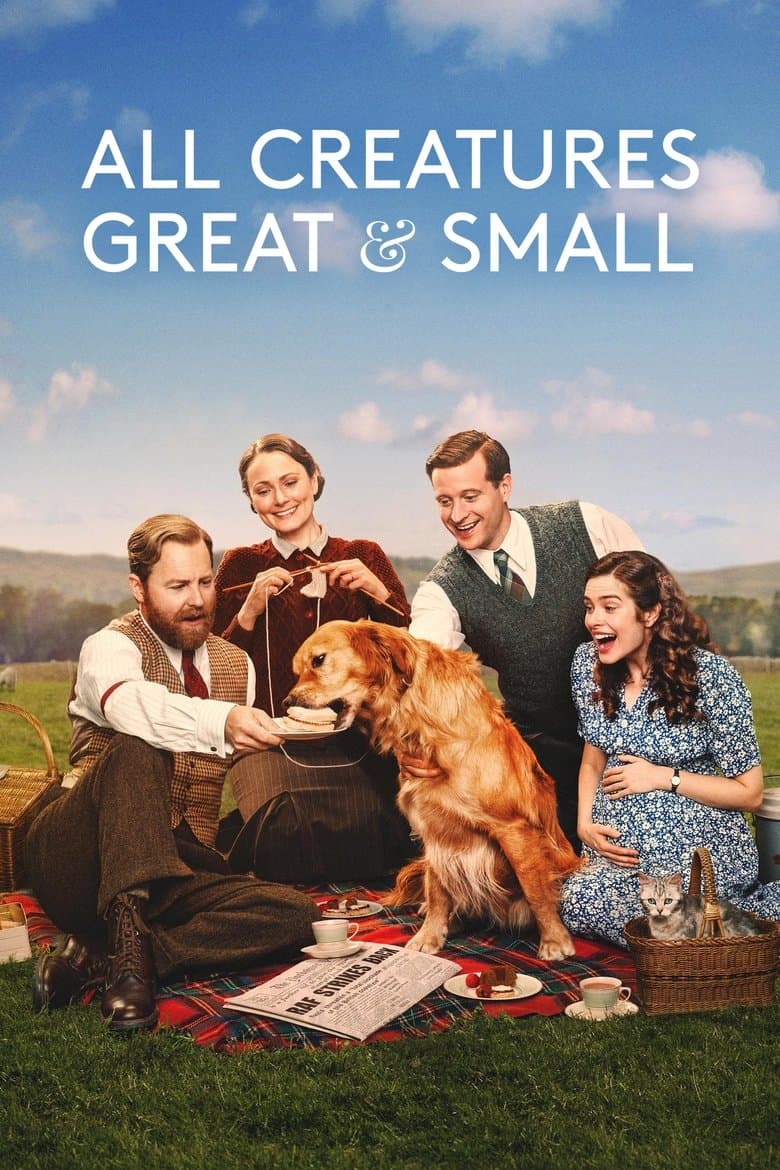
TV Show · 2020
The heartwarming and humorous adventures of a young country vet in the Yorkshire Dales in the 1930s. A remake of the 1978 series.

TV Show · 2023
The lives of a realtor, a plumber and a former tennis star unexpectedly collide, exposing America’s obsession with true crime, murder and the slow-close toilet seat.

TV Show · 2019
In a city of coaching centers known to train India’s finest collegiate minds, an earnest but unexceptional student and his friends navigate campus life.
