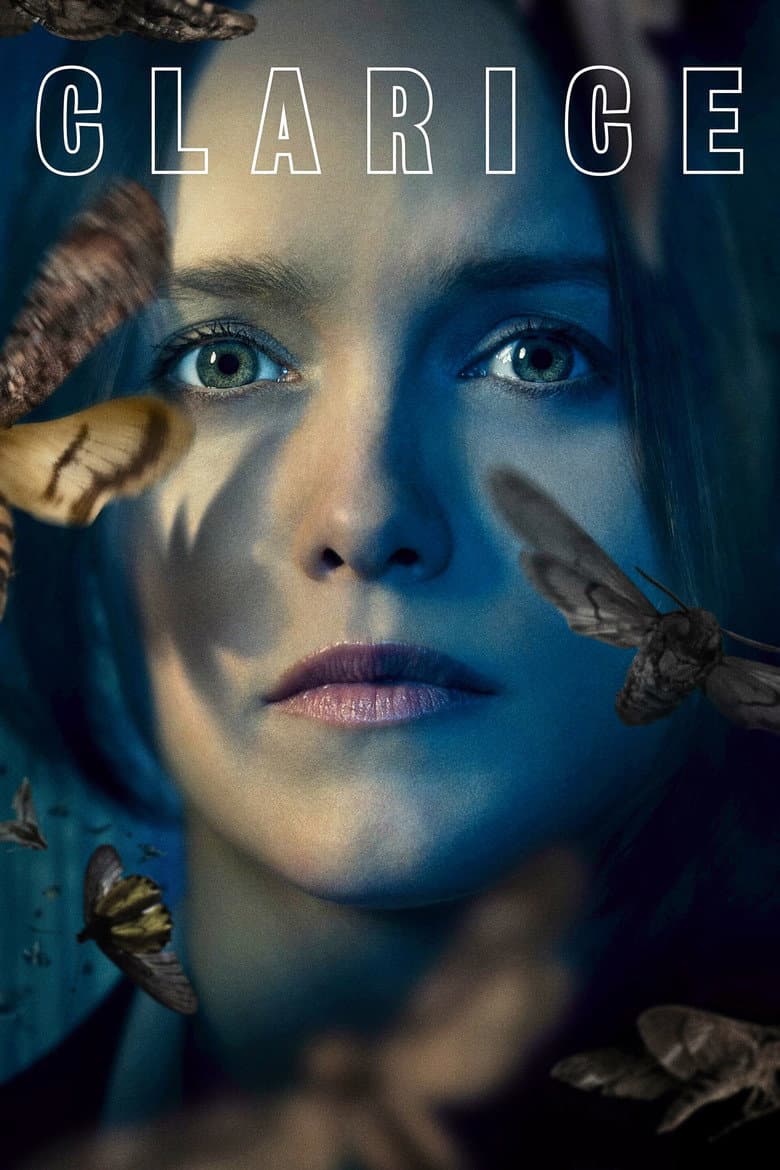
Started February 11, 2021 · Canceled · Based on 1 season, 13 episodes through June 24, 2021 · TV-14
Clarice Starling returns to the FBI in 1993, months after she rescued Catherine Martin from Buffalo Bill. She carries fear from that case while she investigates murders with the Violent Criminal Apprehension Program in Washington, D.C. Her bosses want a clean public story, but Clarice keeps chasing evidence that points to deeper crimes and corruption. The show has a dark and serious tone, with case stories, trauma, and a long plot about a drug company.
The show gives repeated attention to women facing abuse, sexism, and unfair treatment at work. Ardelia Mapp’s story adds a Black Coalition case against the FBI, and it argues that the Bureau overlooks Black agents. A later three-episode story follows trans accountant Julia Lawson, who says the Buffalo Bill case helped make trans people look like monsters and makes Clarice face her silence. These messages are clear and sometimes direct, but they share the season with ordinary crime cases and are not the only focus.
Community feedback
Was our 70% Woke rating accurate?
Breakdown
These are the editorial factors and ratings behind our score for Clarice.
Woke representation / casting
The show places a white female FBI agent beside major Black, Indian American, and Latino agents in the main team. The Washington setting makes this mix believable, but the group still presents a clear, audience-visible diversity pattern. The creators also promoted a female-centered view and a friendship across cultures. The casting supports a representation-first feel, although the show does not make every identity choice part of the plot.
38%
Woke political dialogue
Ardelia’s plot uses direct language about Black agents being overlooked by the FBI and about Clarice receiving attention that Black agents do not. Julia tells Clarice that the Buffalo Bill story made trans people look like monsters and that Clarice’s public silence caused harm. The show also repeats direct talk about sexism, racism, and unfair treatment inside the Bureau. These speeches appear in several episodes and are easy to notice, but most scenes still use crime-investigation dialogue.
46%
Identity-driven story themes
The show makes Clarice’s struggle as a woman in a male workplace a continuing part of the season. Ardelia’s conflict grows into a Black Coalition case about unequal treatment inside the FBI. Julia’s three-episode arc centers on a trans woman’s fear, hidden identity, and demand that Clarice face the harm tied to Buffalo Bill. The final case also centers on women harmed by a drug trial and a powerful man who controls them. These themes recur across the season, but the crime plot remains the main structure.
56%
Western institutional / cultural critique
The FBI is shown as a male-run system that blocks Clarice and Ardelia while rewarding public stars and protecting insiders. The show ties that unfair treatment to race and gender instead of only to one bad boss. Ardelia’s case treats the Bureau as a system that must be challenged from within and outside. The season also uses normal crime corruption plots, so this critique is important but not the whole story.
45%
Woke character or canon changes
The show adds trans accountant Julia Lawson to the world of Buffalo Bill. Julia directly reframes that famous case as a source of harm to trans people and makes Clarice answer for staying silent. This changes the meaning of the older story more than it changes Buffalo Bill’s basic role as a killer. The expanded roles for Catherine and Ardelia are ordinary sequel changes.
42%
Anti-woke backlash and complaints
Small X accounts called the trans storyline an apology to trans people and called one speech a woke lecture. Other posts called the black-agents plot forced and called the show woke garbage. A few audience reviews made the same complaints about racism and trans themes. The reaction was scattered and low-engagement, with no clear boycott, review-bombing drive, or large campaign.
14%
Creator track record context
Alex Kurtzman has described diversity and inclusion as part of Star Trek’s mission. Jenny Lumet has spoken about civil rights history and anti-discrimination, but her recent comments are not strongly identity-political. The other writers and directors have mixed records, with several showing little public political activity. The main creators’ views fit the show’s repeated focus on race, gender, and representation, but the full team does not show one strong activist pattern.
42%
Production
TV Show · 2026
Wrongfully imprisoned for murdering his own son, a father sets out on a desperate rescue mission after learning the boy may still be alive.
TV Show · 2017
The State's Attorney's dedicated team of prosecutors and investigators navigates heated city politics and controversy head-on, while fearlessly pursuing justice.
TV Show · 2019
Erica Shepherd is a brilliant former CIA operative, now known as the most notorious traitor in American history serving life in a Supermax prison.

TV Show · 2024
Lone-wolf survivalist Colter Shaw roams the country as a “reward seeker,” using his expert tracking skills to help private citizens and law enforcement solve all manner of…
TV Show · 2022
A prisoner on death row in the US, a vicar in a quiet English town, and a maths teacher trapped in a cellar cross paths in the most unexpected way.

TV Show · 2018
The stranger-than-fiction account of a prison break in upstate New York in the summer of 2015, which spawned a massive manhunt for two convicted murderers who were aided in their…
TV Show · 2022
Bosch is now making a living as a private investigator two years after he quit the LAPD and finds himself working with one time enemy and top-notch attorney Honey “Money”…
TV Show · 2025
In the working-class suburbs of Philadelphia, an FBI agent heads a task force assembled to put an end to a string of violent robberies led by an unsuspecting family man.
