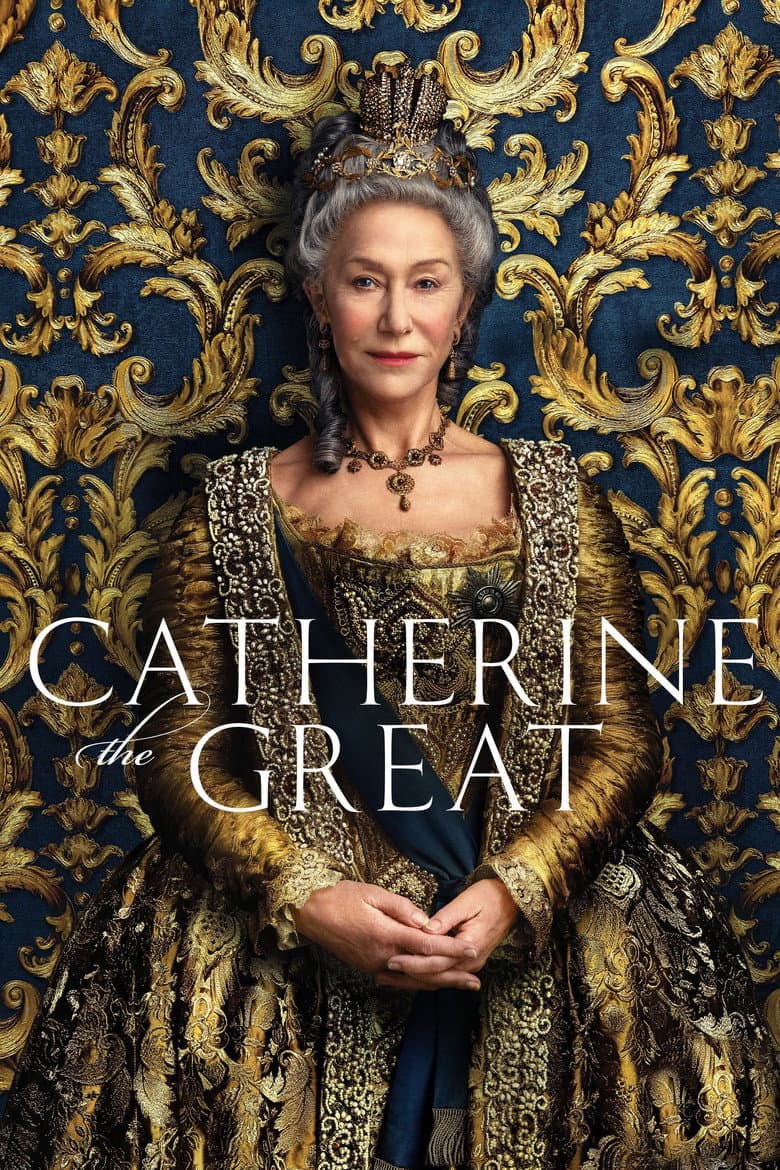
Started October 3, 2019 · Ended · Based on 1 season, 4 episodes through October 24, 2019 · TV-MA · 60 min
Catherine the Great follows the later rule of Catherine II, the German-born empress who rules Russia after taking the throne from her husband. She faces threats from her son Paul, rival nobles, army leaders, foreign enemies, and rebels among the serfs. Her closest ally is Grigory Potemkin, a soldier who becomes her lover, adviser, and partner in expanding Russian power. The four-part drama moves through court fights, wars, family grief, and Catherine’s final years in a serious and lavish tone.
Catherine’s power is shown through a modern-looking story about a woman surviving in a world ruled by men. The show treats her sexual freedom and her romance with a younger man as part of her strength, while men spread sexual rumors to weaken her name. She begins by speaking for the end of serfdom and by defending freer thought, but war and fear lead her to abandon those aims and burn French books. The story mixes female empowerment with a warning about power, because Catherine becomes cruel, suspicious, and willing to control her own family.
Community feedback
Was our 40% Woke rating accurate?
Breakdown
These are the editorial factors and ratings behind our score for Catherine the Great.
Woke representation / casting
Helen Mirren plays the central ruler as an older woman and has a major romance with the younger Grigory Potemkin. Mirren said that showing older women as powerful, active, and smart was important. The visible casting choice centers on age and female power, not a clear race-based or DEI ensemble pattern.
20%
Woke political dialogue
Catherine opens by calling for an end to slavery and serfdom, and Panin calls parts of her speech too liberal. The show returns to reform, rebellion, foreign war, and the use of power across the four episodes. Characters also repeat that men believe Russia must be ruled by a man. The dialogue stays tied to the 18th-century empire instead of presenting a modern party program.
27%
Identity-driven story themes
The whole story centers on a woman who takes power from her husband and refuses to hand it to her son. Catherine’s rule is shown as a fight against men who think women should not lead. The show makes her sexual freedom, older romance, and political authority key parts of her identity. It also shows her cruelty, fear, and failed reforms, so the message is not a simple praise of female power.
46%
Western institutional / cultural critique
The show treats male entitlement and old gender rules as forces that limit Catherine. Peter’s abuse, Paul’s belief that a man should inherit, and court gossip all support that idea. Catherine’s romance with younger men also overturns the expected roles of a royal mother and a female ruler. The criticism stays inside an 18th-century Russian court and does not attack Christianity or Western society as a whole.
28%
Woke character or canon changes
Not relevant. The show changes the timing of events and treats the possible Potemkin marriage as fact. Those are normal drama changes, not a clear identity-driven canon change.
0%
Anti-woke backlash and complaints
Not present. The supplied X pass found no anti-woke reaction. Wider discussion centered on age, historical accuracy, pacing, and chemistry rather than woke or DEI claims.
0%
Creator track record context
The cached scores are low for Nigel Williams and Philip Martin, and no clear activist history is recorded for them. Helen Mirren has a modest feminist context, and Jules Hussey has a strong inclusion and access record. The other listed producers and the casting director have low or modest cached scores. The group adds some context, but it is not a strong creator-wide activist signal.
20%
Production
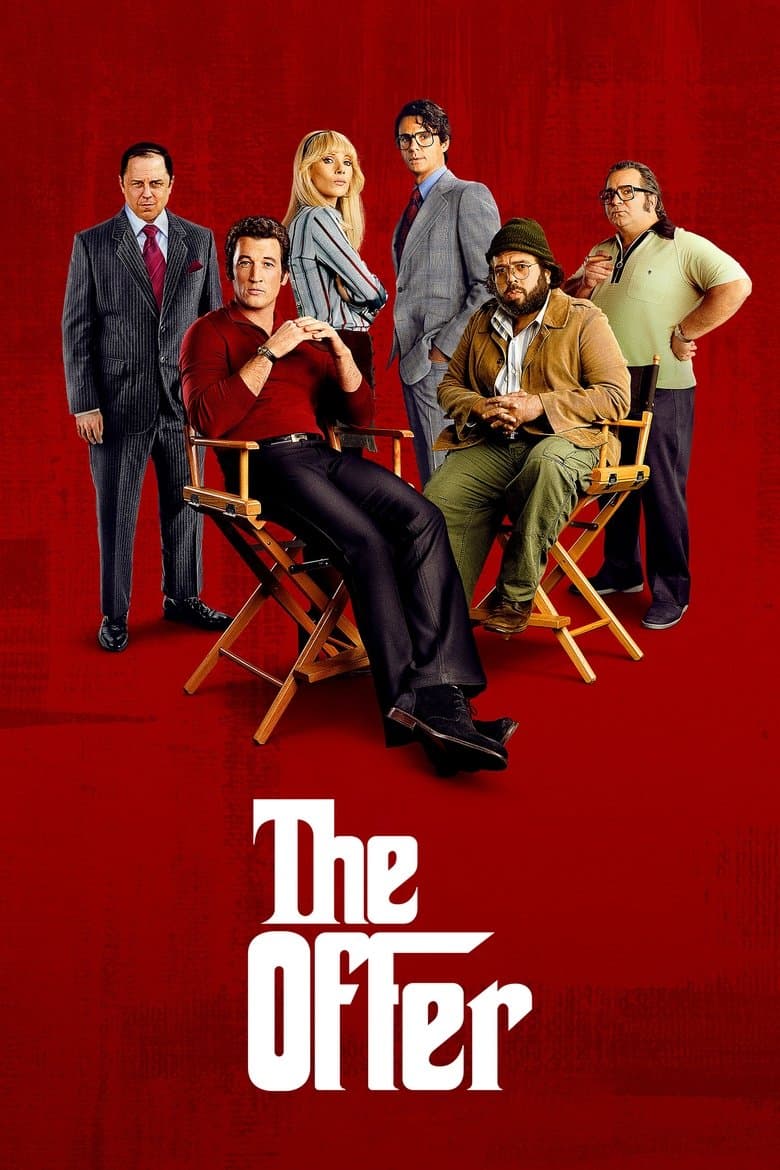
TV Show · 2022
Oscar-winning producer Al Ruddy’s never before revealed experiences of making the iconic 1972 film The Godfather that Francis Ford Coppola directed and adapted with Mario Puzo.
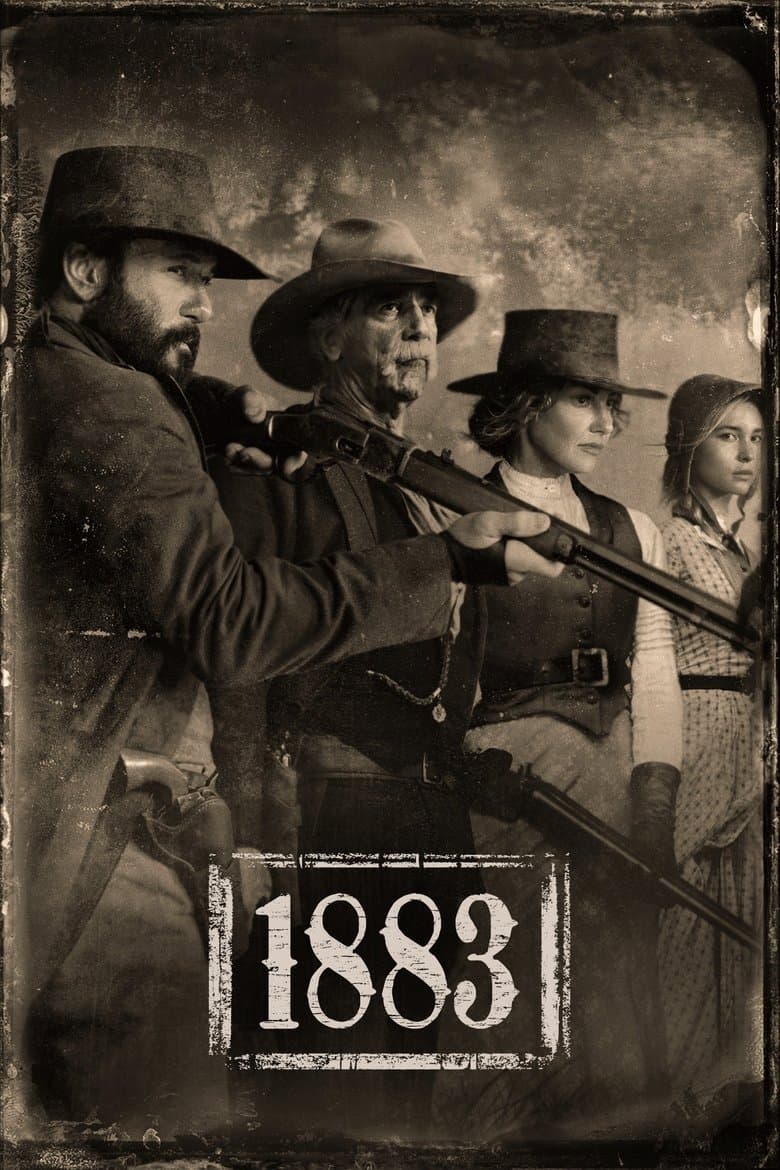
TV Show · 2021
Follow the Dutton family as they embark on a journey west through the Great Plains toward the last bastion of untamed America.
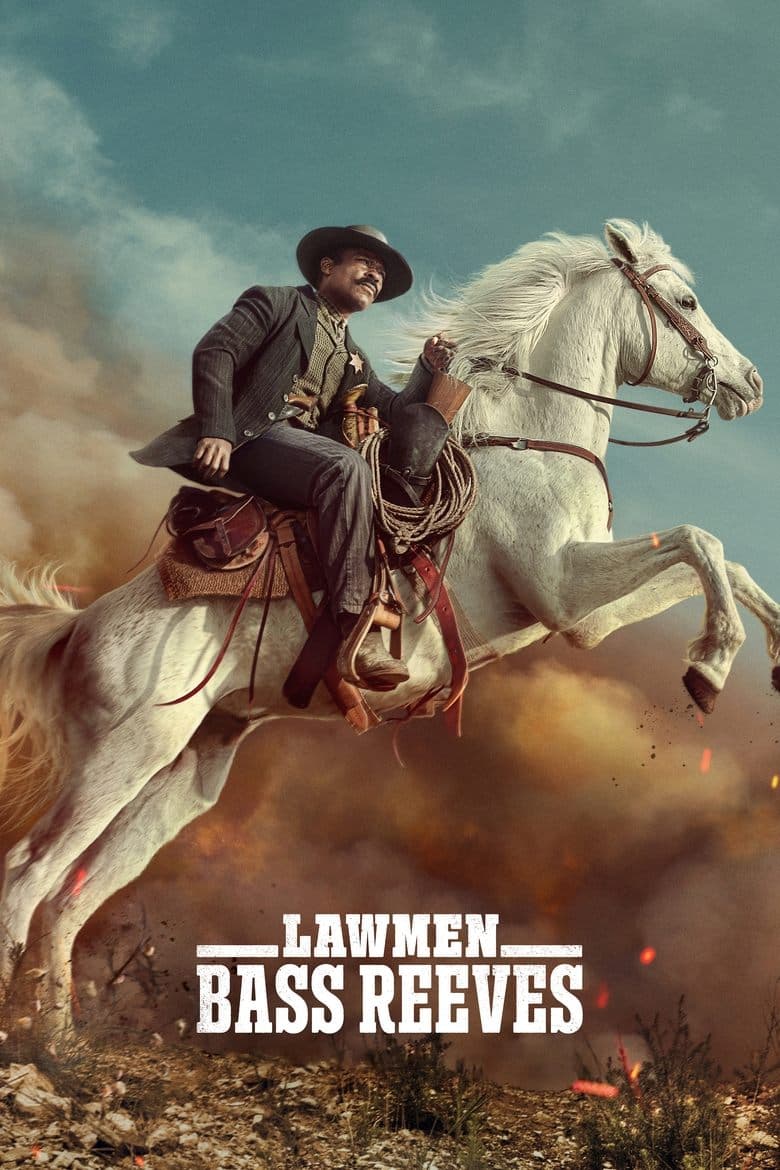
TV Show · 2023
The story of Bass Reeves, the legendary lawman of the wild West, is brought to life. Reeves worked in the post-Reconstruction era as a federal peace officer in the Indian…
TV Show · 2020
A wary CIA officer investigates a charismatic man who sparks a spiritual movement and stirs political unrest. Who exactly is he? And what does he want?

TV Show · 2022
This sweeping saga chronicles the hopes and dreams of a Korean immigrant family across four generations as they leave their homeland in an indomitable quest to survive and thrive.
TV Show · 2024
The powerful real-life story of Lali Sokolov, a Jewish prisoner who was tasked with tattooing ID numbers on prisoners' arms in the Auschwitz-Birkenau concentration camp during…
TV Show · 2019
In the early 1990s in New York, during the height of the crack cocaine epidemic, a visionary musician named Bobby Diggs aka The RZA begins to form a super group of a dozen young…
TV Show · 2019
The true story of one of the worst man-made catastrophes in history: the catastrophic nuclear accident at Chernobyl.
