Started September 25, 2017 · Ended · Based on 1 season, 6 episodes through October 30, 2017 · TV-MA · 46 min
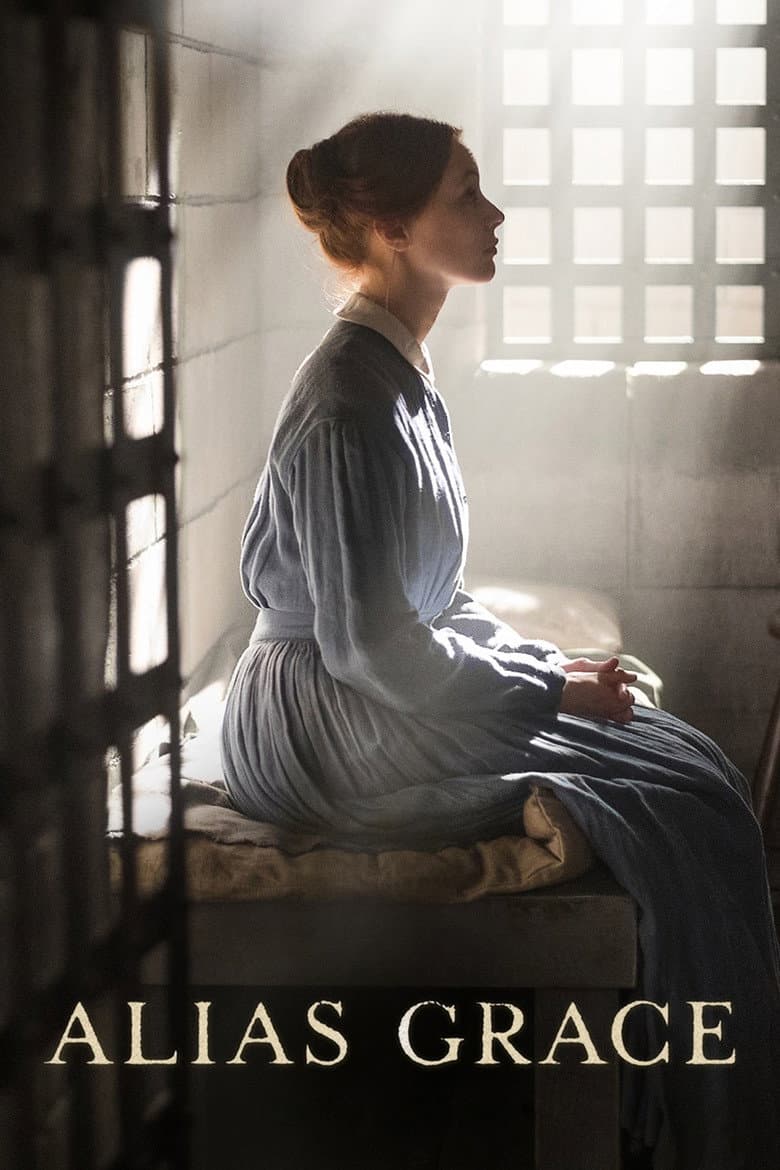
Grace Marks is a young Irish immigrant who works as a housemaid in 19th-century Canada. She is serving a life sentence for the murders of Thomas Kinnear and Nancy Montgomery, but she says she cannot remember the key hours. Dr. Simon Jordan interviews her to decide whether her memory and mind can support a pardon. The series moves between prison interviews and Grace’s painful past, with a slow, dark, and uneasy tone.
Women’s power and lack of power shape nearly every part of the story. Grace watches Mary Whitney die after an abandoned man leaves her with an unwanted pregnancy, and Grace faces abuse, sexual threats, and men who think servants owe them obedience. The show repeatedly presents the courts, doctors, prisons, employers, and church-linked reformers as people who judge women or speak for them. Its central mystery asks whether Grace is a killer, a victim, a woman with a split mind, or a skilled storyteller who finally controls her own story.
Community feedback
Was our 62% Woke rating accurate?
Breakdown
These are the editorial factors and ratings behind our score for Alias Grace.
Woke representation / casting
Not present. The main cast matches the white Irish and Canadian people in this period story. The female lead and female servants fit the real case and the setting.
0%
Woke political dialogue
Mary Whitney praises democracy, freedom, and rebellion while saying the rich have too much and the poor have too little. Grace says men make messes that women must clean and calls out the power held by employers and other men. These ideas appear in several episodes, but the show presents them through period politics and personal complaints rather than modern campaign language.
30%
Identity-driven story themes
Grace's life is built around women being judged, controlled, abused, and disbelieved. Mary Whitney's pregnancy, unsafe abortion, and death make female sexual risk a major part of the plot. Grace's memories and the final hypnosis scene keep asking whether women can speak for themselves when men control the record. The show makes female agency and the right to tell one's own story central across all six episodes.
66%
Western institutional / cultural critique
Grace's father, employers, doctors, guards, lawyers, and judges often use power over women who cannot answer back. The prison and mental hospital treat Grace as a case to study, while wealthy men expect servants to accept sexual pressure. The series presents traditional gender roles and male entitlement as harmful, then connects that harm to the way institutions judge Grace. The critique is rooted in the 1840s story, but its repeated focus on patriarchy and women's silence gives it a clear modern activist reading.
46%
Woke character or canon changes
Not relevant. The series adapts Margaret Atwood's novel and a real 1843 case without an identity-based change to a known character or historical person. Its changes are about which memories and viewpoints the story shows.
0%
Anti-woke backlash and complaints
A few audience comments called the series feminist propaganda and disliked its picture of men as predatory. One audience review complained that the story felt like a feminist study instead of the murder mystery expected. The comments were isolated, while most reviews praised the acting, mystery, or feminist themes.
14%
Creator track record context
Sarah Polley and Margaret Atwood have strong records of work about women, power, and gender. Mary Harron has a feminist film record but a lighter public activist profile. Producer Noreen Halpern has publicly supported diversity and gender equity. Supporting producers and casting staff have little such public record.
53%
Production

TV Show · 2017
A financial adviser drags his family from Chicago to the Missouri Ozarks, where he must launder $500 million in five years to appease a drug boss.

TV Show · 2023
Candy and Pat Montgomery and Betty and Allan Gore — two churchgoing couples — enjoy their small town Texas life... until an extramarital affair leads somebody to pick up an axe.

TV Show · 2019
Loosely based on infamous crime boss Bumpy Johnson, who in the early 1960s returned from ten years in prison to find the neighborhood he once ruled in shambles.
TV Show · 2025
Two lifelong friends in Philadelphia pose as DEA agents to rob small-time drug dealers. It's a perfect grift—until they choose the wrong mark and become targets of a massive…

TV Show · 2025
In the working-class suburbs of Philadelphia, an FBI agent heads a task force assembled to put an end to a string of violent robberies led by an unsuspecting family man.

TV Show · 2016
17-year-old Joshua "J" Cody moves in with his freewheeling relatives in their Southern California beach town after his mother dies of a heroin overdose.
TV Show · 2016
A 26-year-old woman learns to live again after 13 years in captivity.

TV Show · 2021
The remarkable story of how murderer Charles Sobhraj was captured. As the chief suspect in unsolved murders of young Western travellers across India, Thailand and Nepal’s ‘Hippie…
