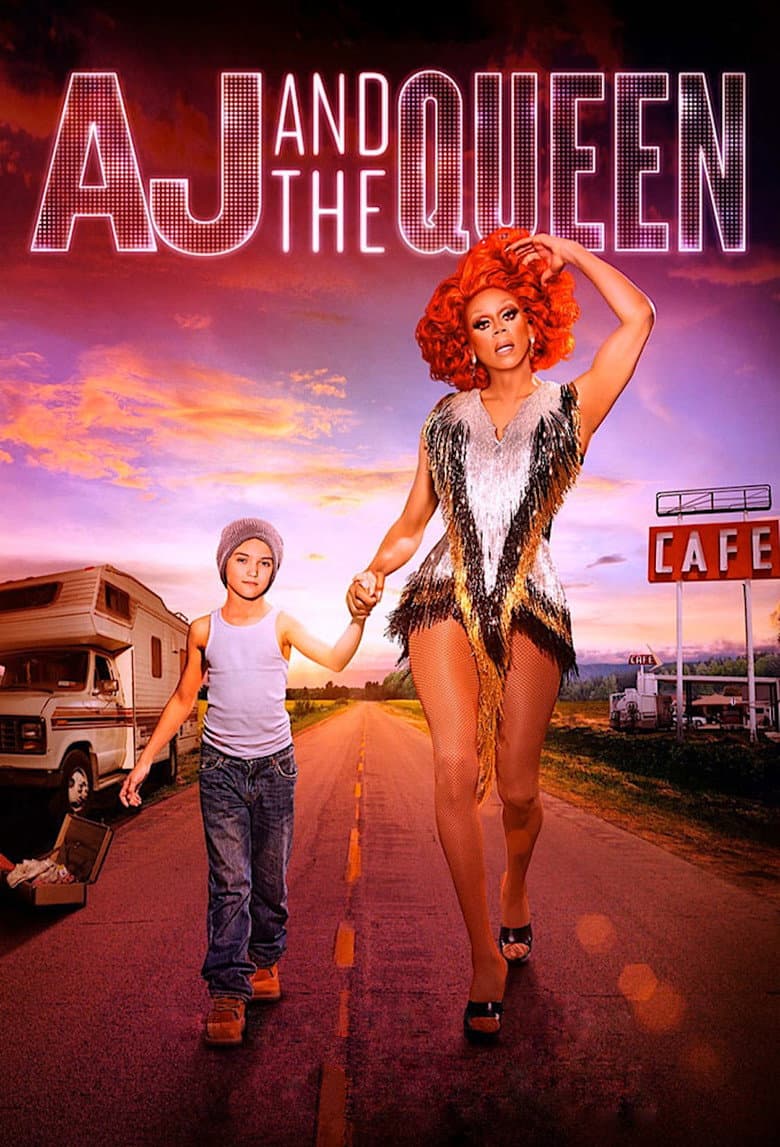
Started January 10, 2020 · Canceled · Based on 1 season, 10 episodes through January 10, 2020 · TV-14 · 52 min
Ruby Red is a famous drag queen who loses her savings when her boyfriend steals the money. She starts a road trip from New York to Texas in a worn-out RV so she can rebuild her career and open a club. AJ is a tough-talking ten-year-old who has been left alone by her troubled mother, and she hides in the RV to reach her grandfather in Texas. The trip becomes a strange friendship as Ruby and AJ face a criminal chase, family trouble, and life on the road. The tone mixes bright drag shows and sharp jokes with neglect, addiction, danger, and tender family drama.
The show puts queer life and drag at the center of the main story. Ruby is a gay man, while AJ presents as a boy and says that boys are left alone, so her ideas about gender become a key part of the journey. Ruby and the queens argue for self-expression, acceptance, and respect for people who do not fit simple boxes. These ideas return through the road trip and shape Ruby and AJ's bond, while the story also asks whether a damaged family can become safe again. The queer message is direct and easy to notice, even when the show shifts back to comedy and crime.
Community feedback
Was our 87% Woke rating accurate?
Breakdown
These are the editorial factors and ratings behind our score for AJ and the Queen.
Woke representation / casting
Ruby Red, the lead, is a gay black man whose drag persona drives every episode. The regular cast includes queer performers, a blind friend from Ruby's drag circle, and many drag queens in prominent guest roles. The show also brings in numerous RuPaul's Drag Race performers. Queer identity and drag are visible in the main cast and not just in the background.
86%
Woke political dialogue
The show has direct talks about gender, labels, and respect for people's gender identity. Ruby performs a number about the value of being a woman and challenges AJ's idea that she must act like a boy to stay safe. The season repeats lessons about acceptance and living openly through the road story. Much of the dialogue remains comedy, romance, and crime plotting.
40%
Identity-driven story themes
The central pair are a drag queen and a child whose gender expression shapes her backstory. Their road trip is built around self-acceptance, queer community, and finding a safe family. The road story repeatedly links personal problems to drag shows, queer friends, and questions about gender and belonging. These themes shape the main relationship and the season ending.
84%
Western institutional / cultural critique
The show pushes back on fixed ideas about gender and on the idea that a girl must fit one narrow model of womanhood. Ruby challenges AJ's belief that acting like a boy is the only way to stay safe. The season does not build a broad attack on Christianity, capitalism, men, or Western institutions.
24%
Woke character or canon changes
Not relevant. The show is an original story. It does not rewrite an established character, canon, or real historical event.
0%
Anti-woke backlash and complaints
A few small right-leaning sites called the show woke, accused it of pushing drag and LGBT ideas at children, or described the child-and-drag premise as grooming. X searches found only a handful of low-reach posts with similar claims and one complaint about diversity. No major boycott, large influencer campaign, or organized review-bomb push was reported, so the backlash was fringe.
18%
Creator track record context
RuPaul has a long record of putting LGBTQ+ visibility and drag culture at the center of his work. Michael Patrick King has a long record of gay representation in television. Writers Jon Kinnally and Drew Droege also have queer-focused or activist work, while several other writers and directors have little such history. The creative track record is strong but not uniform.
74%
Production
TV Show · 2019
Following an emotional breakup, tough but tender FBI super-agent Will Chase (codename: “Whiskey Cavalier”) is assigned to work with badass CIA operative Frankie Trowbridge…

TV Show · 2020
After being bullied and discriminated because of her ugly looks, a high school girl transforms herself into a gorgeous "goddess" and quickly rises to fame after mastering the art…
TV Show · 2019
Burned out on life, Miles undergoes a strange procedure at a strip mall spa -- and wakes to find he's been replaced by a better version of himself.
TV Show · 2020
The heartwarming and humorous adventures of a young country vet in the Yorkshire Dales in the 1930s. A remake of the 1978 series.

TV Show · 2019
A paragliding mishap drops a South Korean heiress in North Korea -- and into the life of an army officer, who decides he will help her hide.
TV Show · 2016
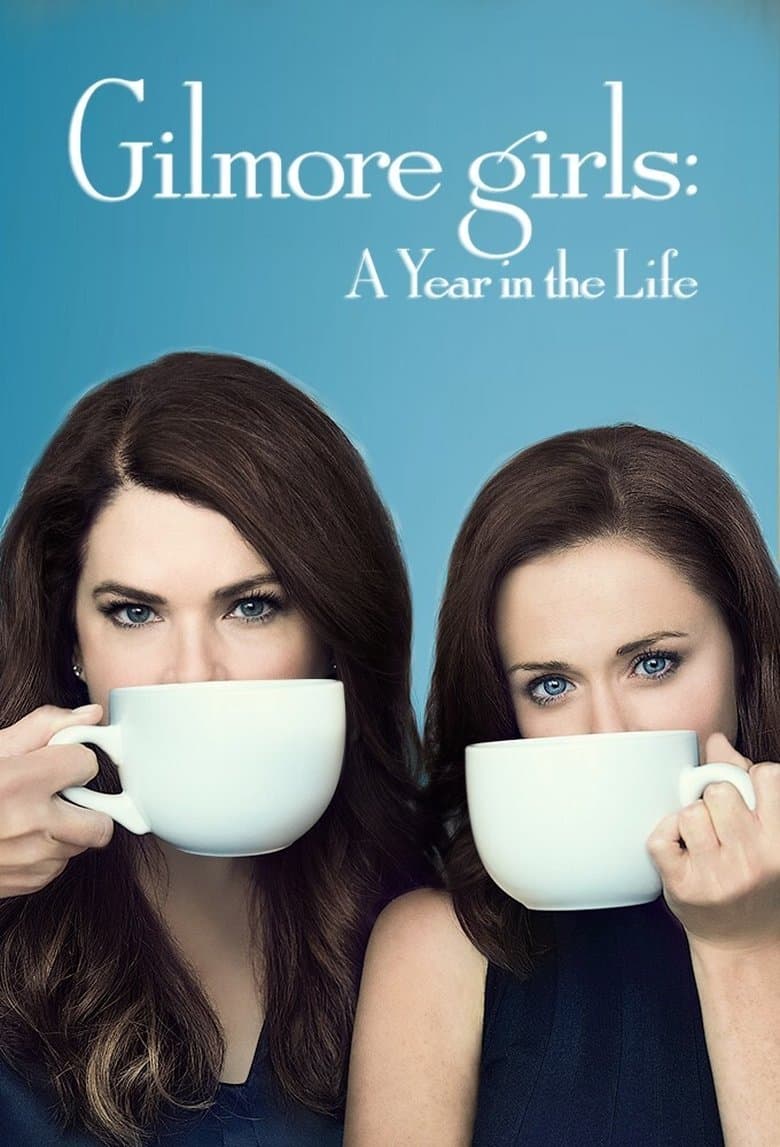
Set nearly a decade after the finale of the original series, this revival follows Lorelai, Rory and Emily Gilmore through four seasons of change.

TV Show · 2022
In disguise as her friend, Ha-ri shows up to a blind date to scare him away. But plans go awry when he turns out to be her CEO — and makes a proposal.

TV Show · 2023
A disgraced cop in debt is forced to return to his home state of Florida for a shady mission only to get swept up in a wild — and deadly — treasure hunt.
