TV Show review
Kids · Sci-Fi · Fantasy · Animation · Comedy · Action · Adventure · Family
Started June 25, 2020 · Ended · Based on 1 season, 4 episodes through September 2, 2021 · TV-PG · 45 min
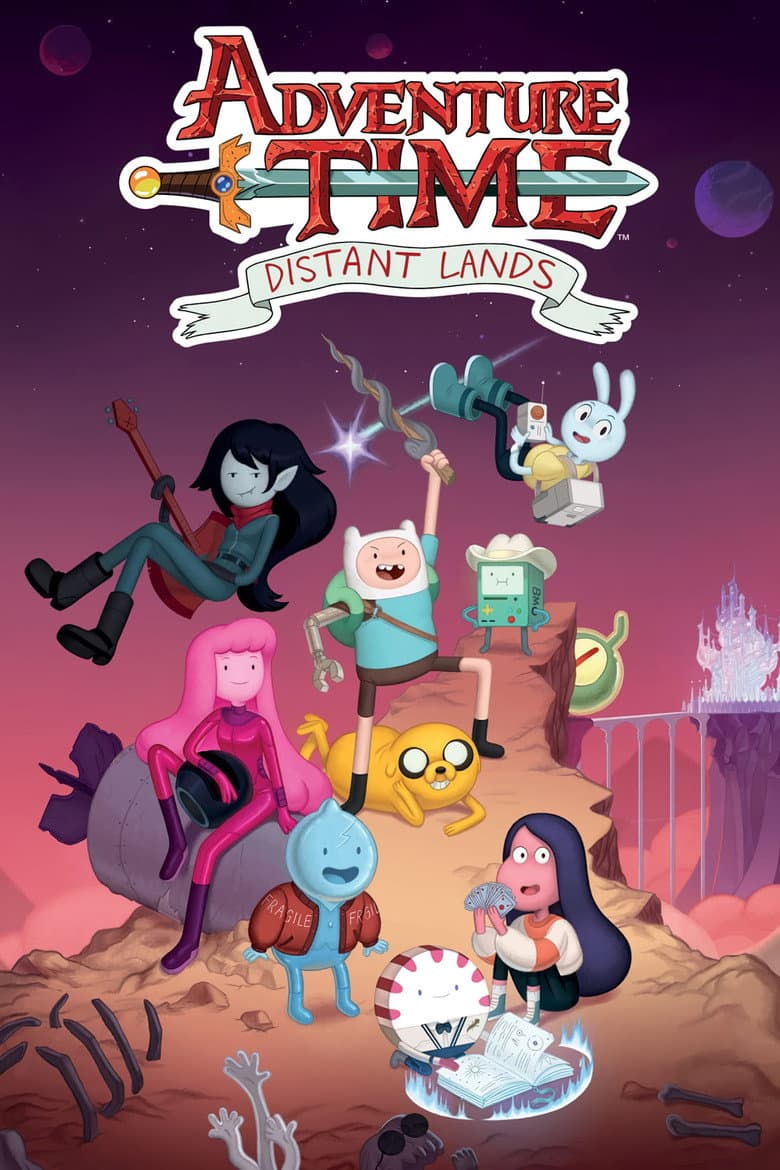
Adventure Time: Distant Lands is a four-part animated follow-up set in the strange, post-apocalyptic land of Ooo and in distant worlds beyond it. Each special follows a different part of the old cast. BMO becomes a space hero and teams with the young rabbit Y5 to save a failing station. Marceline and Princess Bubblegum face a dragon and their past pain, while Finn and Jake search for each other after death and Peppermint Butler returns to wizard school. The tone shifts from silly space comedy to romance, scary magic, and a sad story about love, loss, and growing up.
The clearest audience-visible woke element is the romance in Obsidian. The special shows Marceline and Princess Bubblegum living together as a couple, kissing, and working through an old breakup. Their same-sex relationship is not a side joke, because it drives the special's emotional story and its ending. BMO also gives Y5 a new name after she rejects the number forced on her, which supports a smaller message about choosing who to be. The other specials focus more on friendship, bravery, regret, magic, and the afterlife, so the identity material is strong in one story but uneven across the whole title.
Community feedback
Was our 46% Woke rating accurate?
Breakdown
These are the editorial factors and ratings behind our score for Adventure Time: Distant Lands.
Woke representation / casting
“Obsidian” puts two established female characters, Marceline and Princess Bubblegum, in the lead roles of a special about their romantic life. The show makes their same-sex relationship easy to see through home life, affection, and a kiss. The animated cast does not show a clear race-based or diversity-first casting pattern across the other three specials.
18%
Woke political dialogue
“BMO” presents a colony where Hugo controls work and resources while residents struggle. BMO and Y5 expose his abuse and help the residents reject his rule. The story favors cooperation and resistance to a selfish ruler. The political material is substantial in “BMO” but does not continue as a major thread in the other three specials.
24%
Identity-driven story themes
“Obsidian” makes Marceline and Bubblegum’s romance the emotional center of the special. The couple lives together, shares a kiss, and works through an old breakup without hiding the relationship. The story links love with being open about fear, hurt, and personal change. “BMO” also lets Y5 reject her old number and choose a new name, which supports a smaller message about choosing who to be. The identity-driven material is central in one of four specials and is only a smaller part of “BMO.”
48%
Western institutional / cultural critique
“BMO” presents Hugo as a powerful ruler who controls the station’s work and resources while ordinary residents carry the cost. The story treats his escape plan and selfish leadership as wrong. BMO and Y5 support collective resistance and cooperation. The critique has a modern anti-corporate edge, but it stays inside one villain plot and does not attack family, religion, or traditional gender roles across the title.
23%
Woke character or canon changes
Not relevant. “Obsidian” expands a romance that the original finale had already made canon, and the other changes mainly add backstory or continue the plot.
0%
Anti-woke backlash and complaints
Small accounts called “Distant Lands” or its wider franchise woke because “Obsidian” made Princess Bubblegum and Marceline a couple and showed a kiss. A few users said they skipped the special or related spin-offs because of Bubbline. The supplied X pass found no large boycott, review-bombing push, or organized campaign.
10%
Creator track record context
Miki Brewster’s supplied context gives her 76/100 and ties her past work to major LGBTQ representation. Kate Tsang’s 82/100 context centers underrepresented Asian American female leads, while Maya Petersen’s 60/100 context includes asexual and aromantic representation. Pendleton Ward, Adam Muto, and Jeff Liu have milder or mainly craft-focused supplied profiles. This pattern supports the visible queer material in “Obsidian,” but most of the specials remain focused on adventure, friendship, and fantasy.
47%
Production
TV Show · 2016
After uncovering a mysterious amulet, an average teen assumes an unlikely destiny and sets out to save two worlds.
TV Show · 2018
The Boss Baby brings his big brother Tim to the office to teach him the art of business in this animated series sprung from the hit film.
TV Show · 2026
After the Clone Wars, Maul plots to rebuild his criminal syndicate on a planet untouched by the Empire.
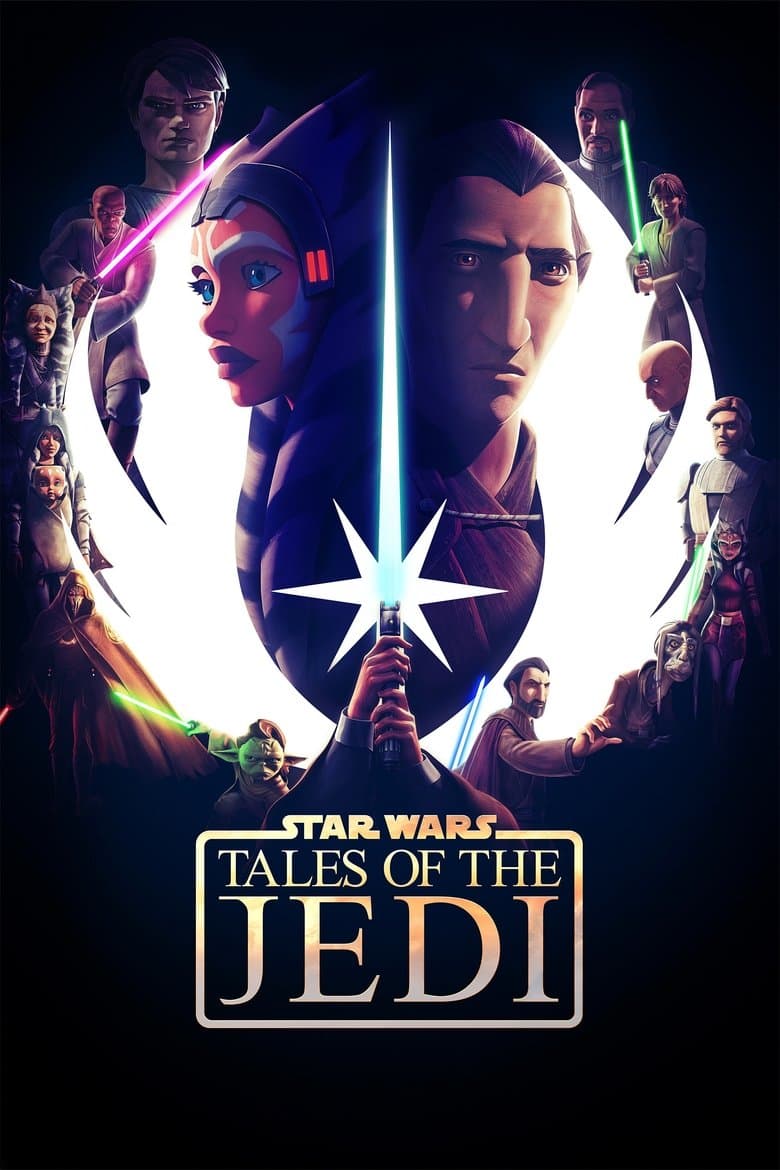
TV Show · 2022
Journey into the lives of two distinctly different Jedi from the prequel era – Ahsoka Tano and Count Dooku. Each will be put to the test as they make choices that will define…
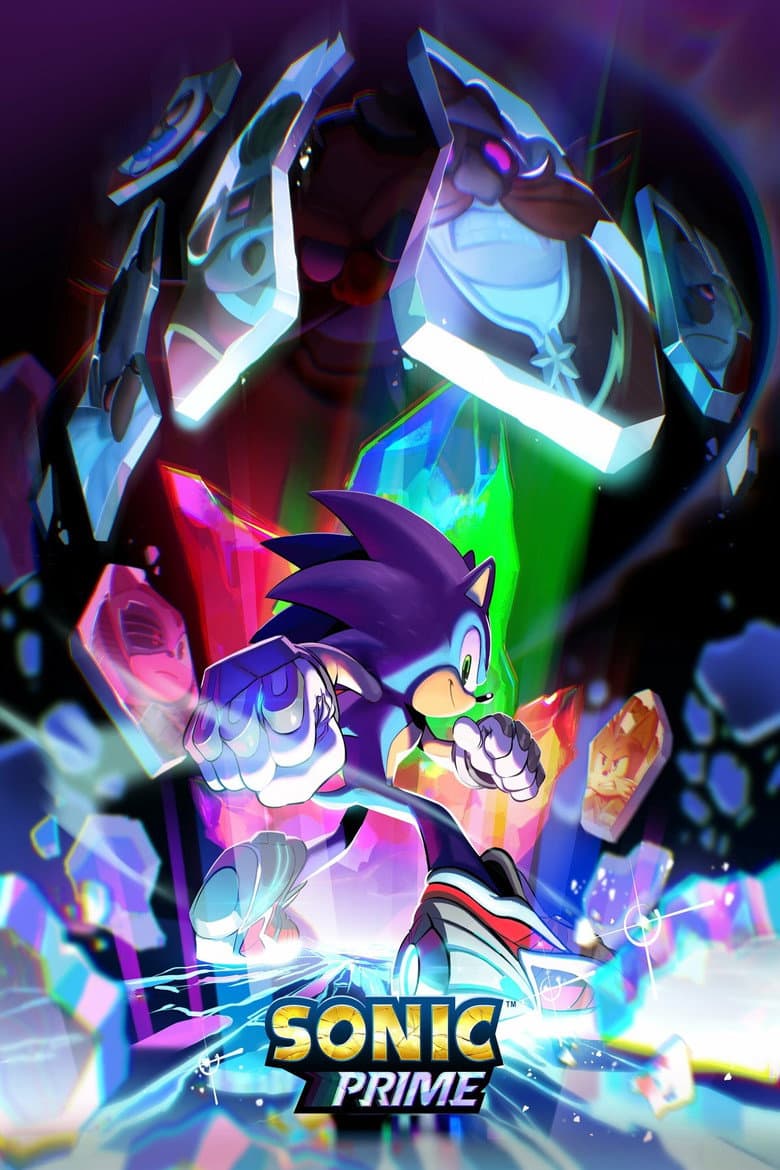
TV Show · 2022
When an explosive battle with Dr. Eggman shatters the universe, Sonic races through parallel dimensions to reconnect with his friends and save the world.
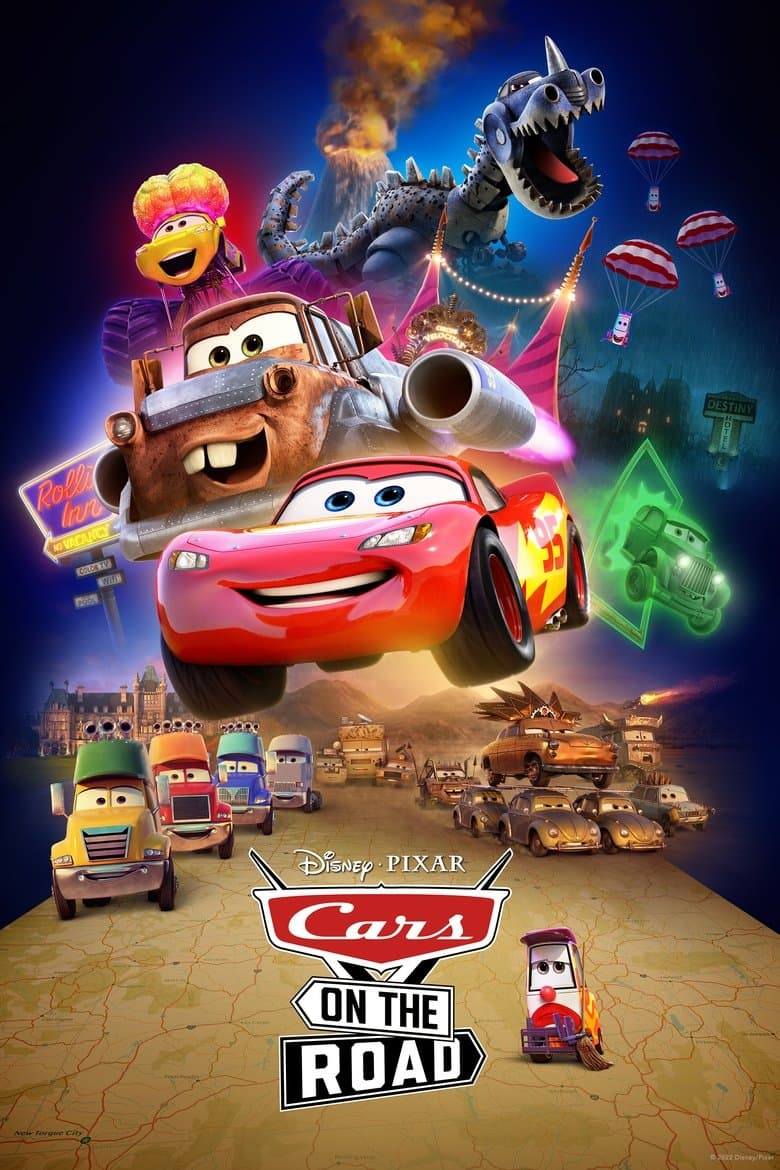
TV Show · 2022
Lightning McQueen and his best friend Mater head east from Radiator Springs on a cross-country road trip to meet up with Mater’s sister.
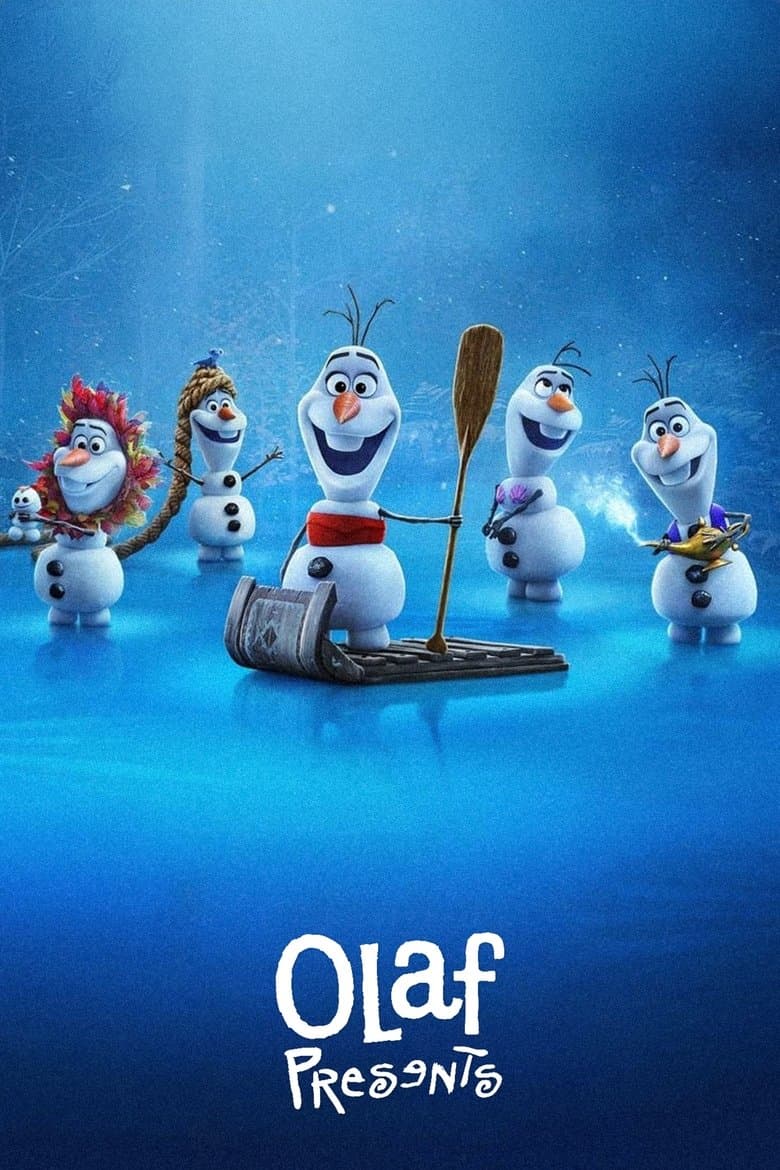
TV Show · 2021
Frozen’s beloved snowman retelling several classic Disney tales as only he can.
TV Show · 2024
Knuckles embarks on a hilarious and action-packed journey of self-discovery as he agrees to train Wade as his protégé and teach him the ways of the Echidna warrior.
