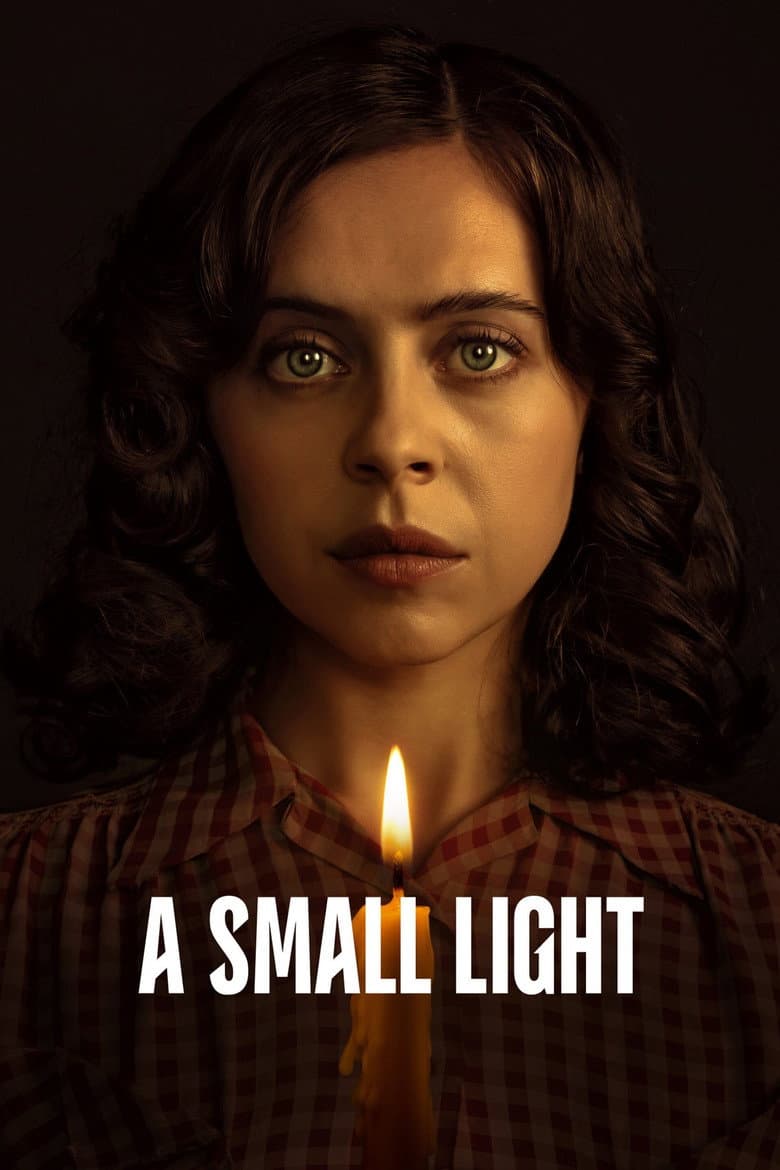
Started May 1, 2023 · Ended · Based on 1 season, 8 episodes through May 22, 2023 · TV-14
A Small Light follows Miep Gies, a young Austrian immigrant living in Amsterdam during the rise of Nazi Germany and the occupation of the Netherlands. She works for Otto Frank and agrees to hide his family after the Nazis begin hunting Jews. Miep, her husband Jan, and a few helpers bring food, news, and other supplies to eight people in the Secret Annex for more than two years. The show mixes fear, grief, danger, humor, and small moments of ordinary life as the hiding place becomes harder to protect.
The show gives Miep the main heroic role and presents her work as a woman's form of resistance that people often overlook. It also adds a gay foster brother named Cas and connects him to the gay resistance community in Amsterdam. Jan's work leads into the story of Willem Arondeus, a gay resistance fighter who attacks records used to find Jewish people. These identity themes recur across several episodes, but the main story remains the rescue of Jews, the cost of courage, and the fate of Anne Frank's family.
Community feedback
Was our 51% Woke rating accurate?
Breakdown
These are the editorial factors and ratings behind our score for A Small Light.
Woke representation / casting
Bel Powley leads the show as Miep Gies, and the story makes a woman the main rescuer. Interviews repeatedly call the project a female focus, a female viewpoint, and a story about women in resistance. Miep is the real historical subject, so the casting does not create a clear setting mismatch. The score stays low because the main identity signal comes from the chosen viewpoint, not a broad diversity pattern.
18%
Woke political dialogue
The show uses Nazi laws and resistance meetings as regular political talk. Cas says the Nazis have made people like him illegal, and the story includes Willem Arondeus's statement that homosexuals are not cowards. Most political talk concerns the historical occupation rather than modern party politics. The identity-based lines are clear but limited to a small thread.
18%
Identity-driven story themes
The show gives Miep a recurring arc about a woman who rejects expected marriage and grows into a hero. Cas is a gay foster brother whose fear of exposure shapes early scenes. Later episodes link Jan's resistance work to a gay bar and to Willem Arondeus. These threads make identity and overlooked groups part of the message, but the rescue of Jews remains the main story.
44%
Western institutional / cultural critique
Miep's family treats marriage as the path expected of a young woman, while Miep wants work and a life of her own. The show treats her refusal as a strength and returns to the tension in her marriage. The story does not attack Christianity, family life, or Western institutions in modern terms. The Nazi occupation is shown as a period event, not as a modern attack on Western culture.
14%
Woke character or canon changes
The series makes Miep's real foster brother Cas gay even though no evidence supports that detail. Cas's identity opens the path to Café 't Mandje and the queer resistance story around Willem Arondeus. The creators said they made this change so the series could show the Dutch queer community's role in resistance. The change matters in several episodes, but it remains a side plot beside Miep and the Frank family.
55%
Anti-woke backlash and complaints
WorldNetDaily published a conservative complaint that the show invented Cas's homosexuality and used the change to add queer messaging. A few small X accounts called the series woke or quit over the gay brother, while another anti-woke account rated it not woke and liked it. Searches found no large right-wing campaign, boycott, or review-bombing effort. The backlash was fringe and mixed.
18%
Creator track record context
Joan Rater and Tony Phelan have moderate scores of 47 each, while director Susanna Fogel has a score of 38. Most other listed writers, casting staff, and producers have low scores and no strong activist record. The creators' earlier trans-family story and their framing of Miep and queer resistance add supporting context. The overall signal is moderate, not dominant.
28%
Production
TV Show · 2025
Tells the story of the ascent of the biblical figure, David, who becomes the most celebrated king of Israel. The series follows the once-mighty King Saul as he falls victim to his…
TV Show · 2022
Oscar-winning producer Al Ruddy’s never before revealed experiences of making the iconic 1972 film The Godfather that Francis Ford Coppola directed and adapted with Mario Puzo.
TV Show · 2026
Rip Wheeler and Beth Dutton gamble everything on a new life in South Texas, but the promise of building a future far from the ghosts of Yellowstone quickly collides with brutal…
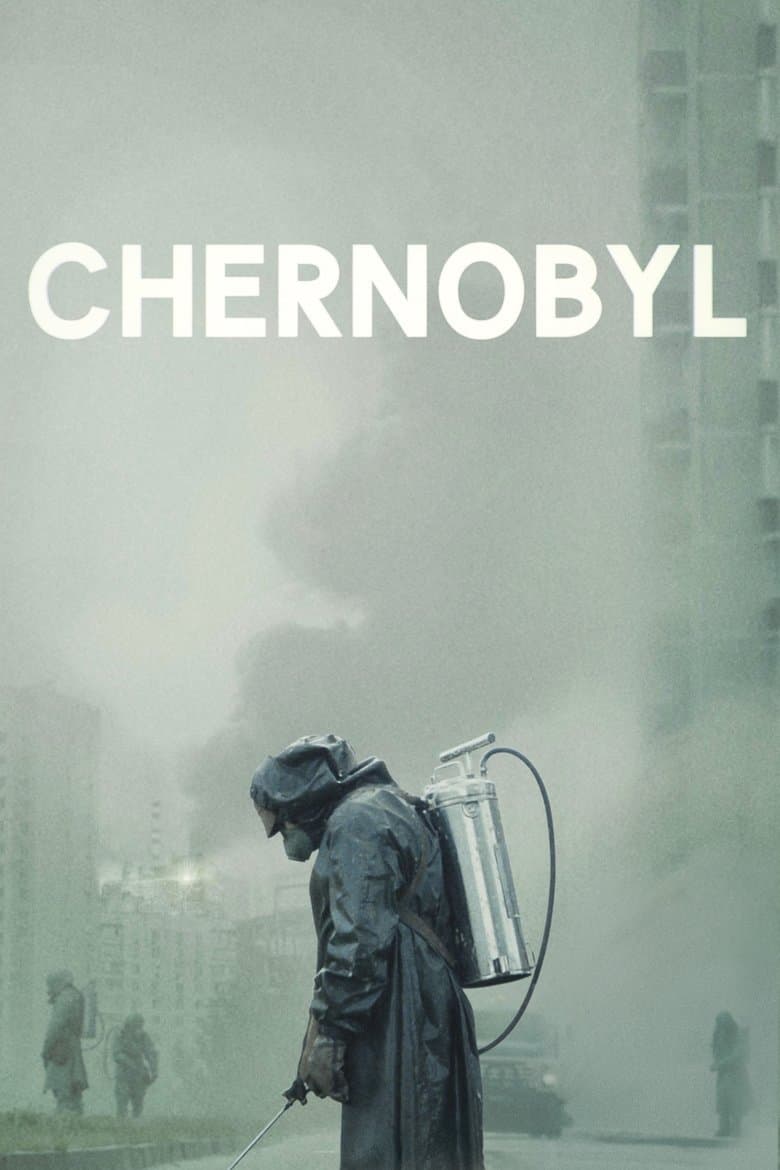
TV Show · 2019
The true story of one of the worst man-made catastrophes in history: the catastrophic nuclear accident at Chernobyl.
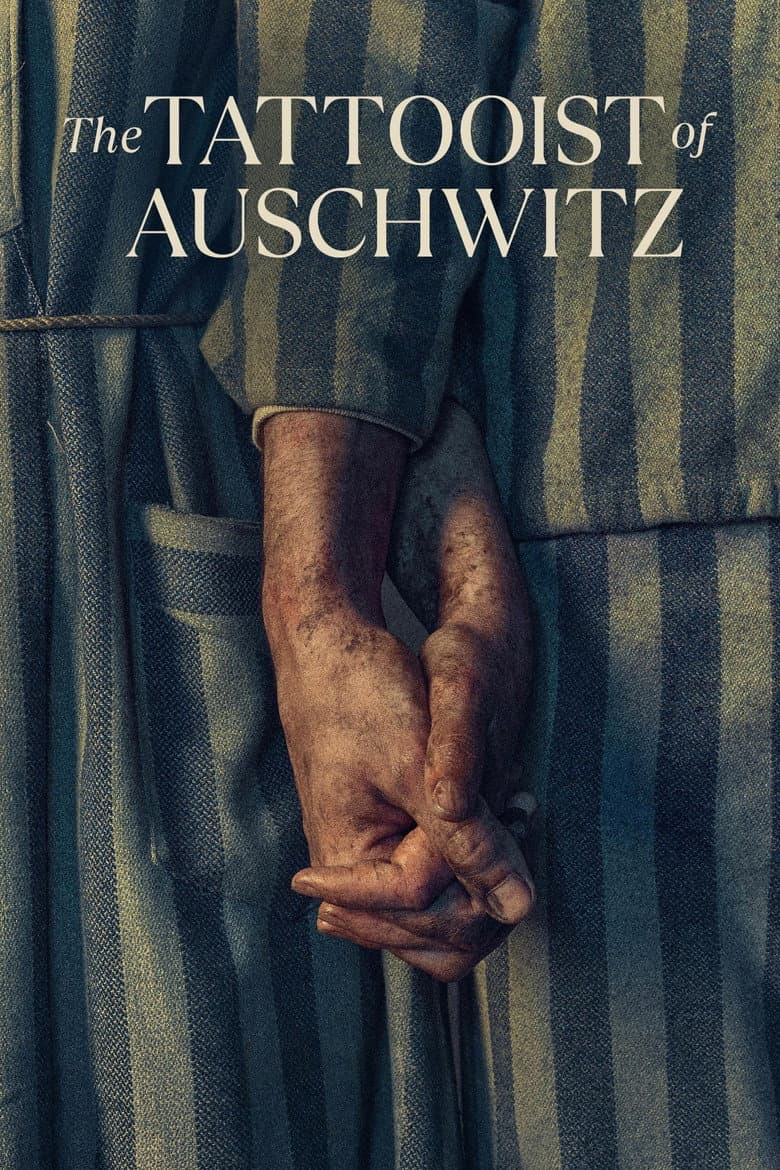
TV Show · 2024
The powerful real-life story of Lali Sokolov, a Jewish prisoner who was tasked with tattooing ID numbers on prisoners' arms in the Auschwitz-Birkenau concentration camp during…

TV Show · 2026
As the Kargil War erupts between India and Pakistan, the Golden Arrows squadron of the Air Force takes flight on a dangerous mission behind enemy lines.
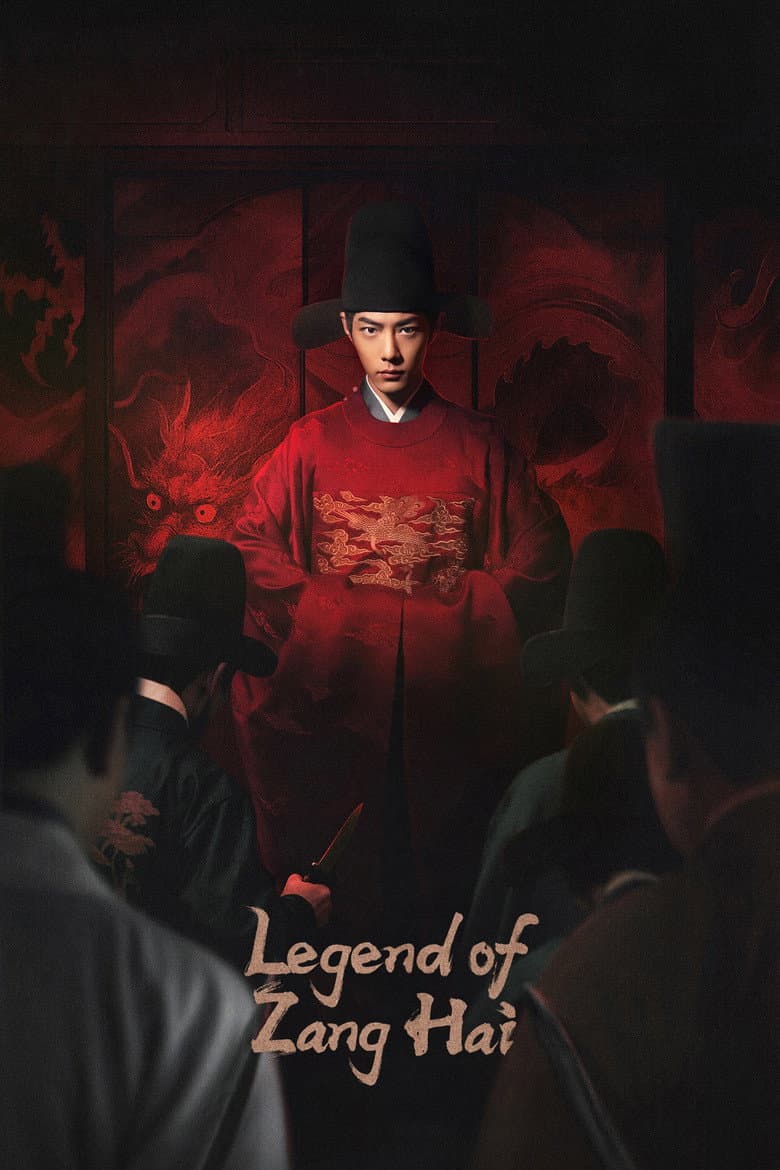
TV Show · 2025
"Legend of Zang Hai" follows the son of Imperial Astronomer Kuai Duo. Consumed by vengeance, he spends a decade honing his skills.
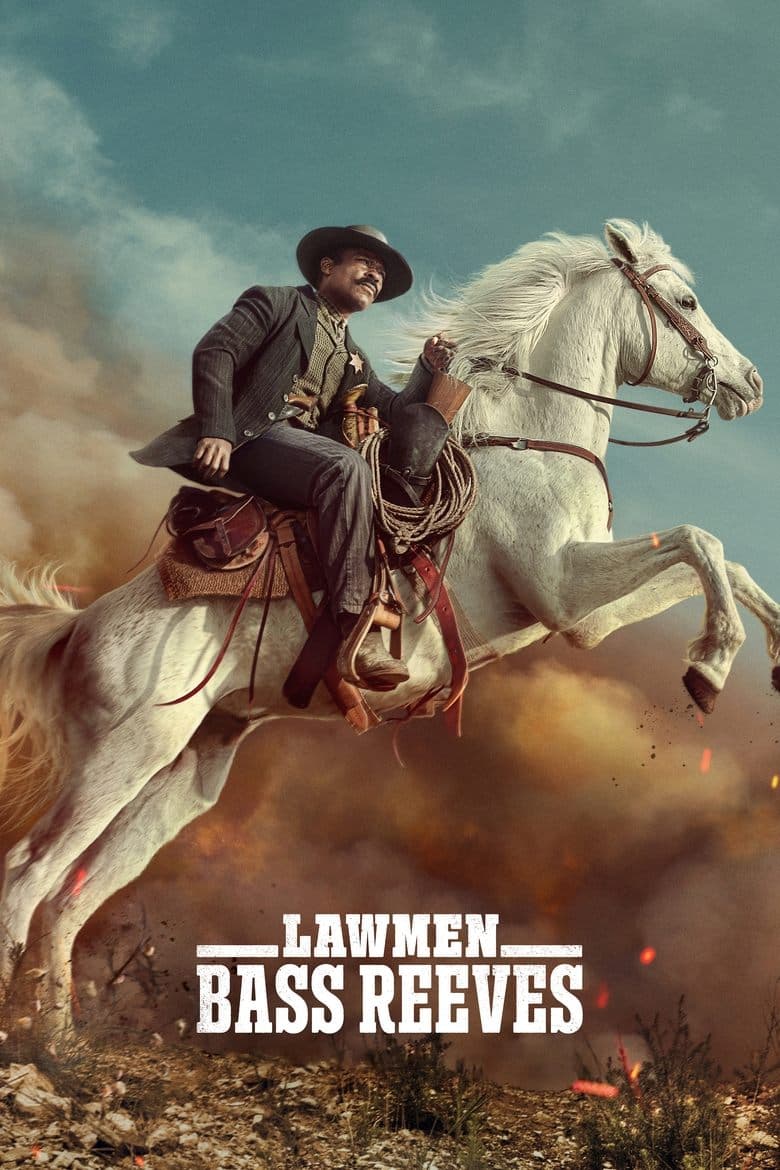
TV Show · 2023
The story of Bass Reeves, the legendary lawman of the wild West, is brought to life. Reeves worked in the post-Reconstruction era as a federal peace officer in the Indian…
