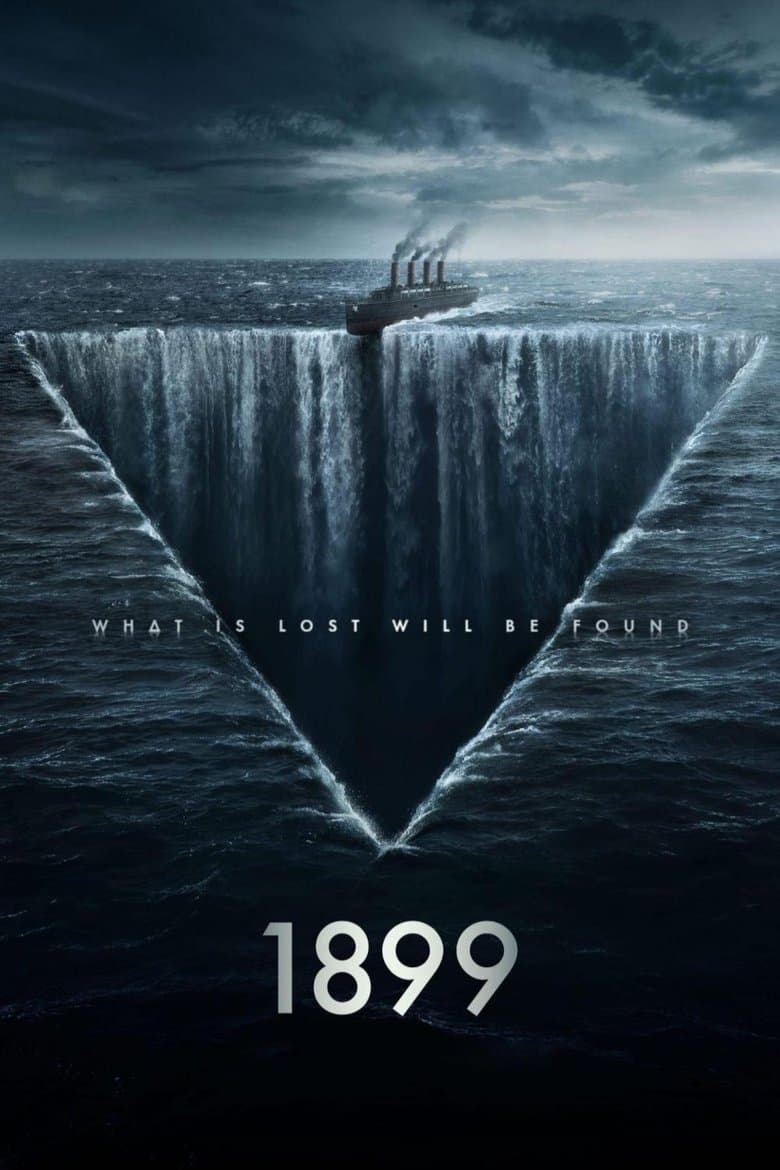
Started November 17, 2022 · Canceled · Based on 1 season, 8 episodes through November 17, 2022 · TV-MA · German
In 1899, Maura Franklin boards the Kerberos, a ship carrying European passengers from Southampton toward New York. She is a doctor with a hidden past, and Captain Eyk Larsen changes course after the crew receives a signal from the missing Prometheus. The group finds a silent boy on the empty ship, then faces strange deaths, visions, and doors that lead into painful memories. The show has a dark, slow mystery tone, and its final episode reveals that the voyage is part of a larger machine-made world.
The show places a multilingual group at the center, and its passengers come from England, Germany, France, Spain, Portugal, Denmark, Poland, and China. Maura's work as a doctor supports a clear message about women being blocked from professional life in 1899. The season also shows a secret relationship between Angel and Ramiro and Angel's attraction to Krester, while class and strict religious control shape several family conflicts. These ideas matter to the story, but the main plot stays focused on memory, grief, control, free will, and the mystery of who built the simulation.
Community feedback
Was our 53% Woke rating accurate?
Breakdown
These are the editorial factors and ratings behind our score for 1899.
Woke representation / casting
The show gives its main ship group a deliberately international mix of languages and nationalities. Netflix coverage says the creators wanted a truly international cast, and the marketing makes this choice a central feature. The voyage begins in Europe and includes travelers seeking a new home, so the many European languages fit the plot. The mix still stands out because a Chinese mother and daughter, a Black French-speaking passenger, and many national groups receive visible story roles.
44%
Woke political dialogue
Episode 1 includes a short talk about women being allowed to study medicine in England but not practice it. Virginia says men receive chances through family lines while women are shown the world and told they cannot have it. The rest of the season rarely uses direct identity or activist language, so this message is noticeable but brief.
27%
Identity-driven story themes
The story makes migration, language, nationality, and class part of the main mystery from the first episode. The passengers hide their pasts and must work together even when they cannot understand each other. Angel and Ramiro are lovers who pretend to be brothers, and Angel also pursues Krester, making queer relationships a recurring subplot. Maura's fight to use her medical training adds a female-equality thread, but the season still centers on grief, memory, control, and a simulation.
48%
Western institutional / cultural critique
The ship repeatedly separates wealthy first-class passengers from workers and third-class families. The show presents the barriers facing Maura as a woman doctor and shows strict religious control hurting a family. The story also treats sexual secrecy and family power as sources of pain. These ideas question old class, gender, and religious rules, but they stay inside a dark 1899 mystery instead of becoming a broad modern attack on Western institutions.
38%
Woke character or canon changes
Not relevant. The show is an original mystery and does not rewrite an established character or real historical figure.
0%
Anti-woke backlash and complaints
A few online commenters called the show woke or objected to its multinational cast and immigration framing. One fringe video review used woke criticism in its title, and isolated forum posts made similar claims. Most early discussion focused on the complex plot, slow pace, and language settings, so the anti-woke backlash appears weak and fringe.
12%
Creator track record context
Cached context gives Jantje Friese and Baran bo Odar low scores and finds no clear activist or DEI public persona. The writing team is mixed, with some members linked to LGBTQ, race, class, or representation-focused work and others showing little such pattern. The casting directors have supported broader diversity in the industry. The overall record provides moderate supporting context, while the show's own design carries more of the identity signal.
39%
Production
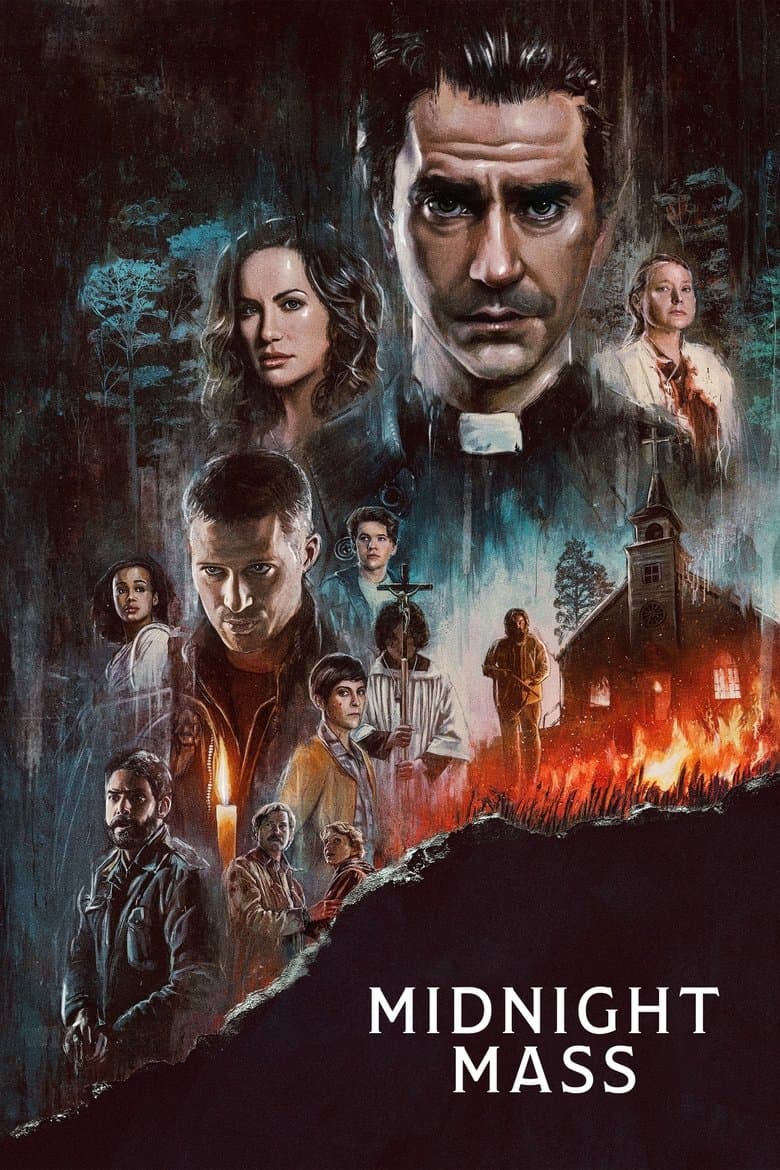
TV Show · 2021
The arrival of a charismatic young priest brings glorious miracles, ominous mysteries and renewed religious fervor to a dying town desperate to believe.
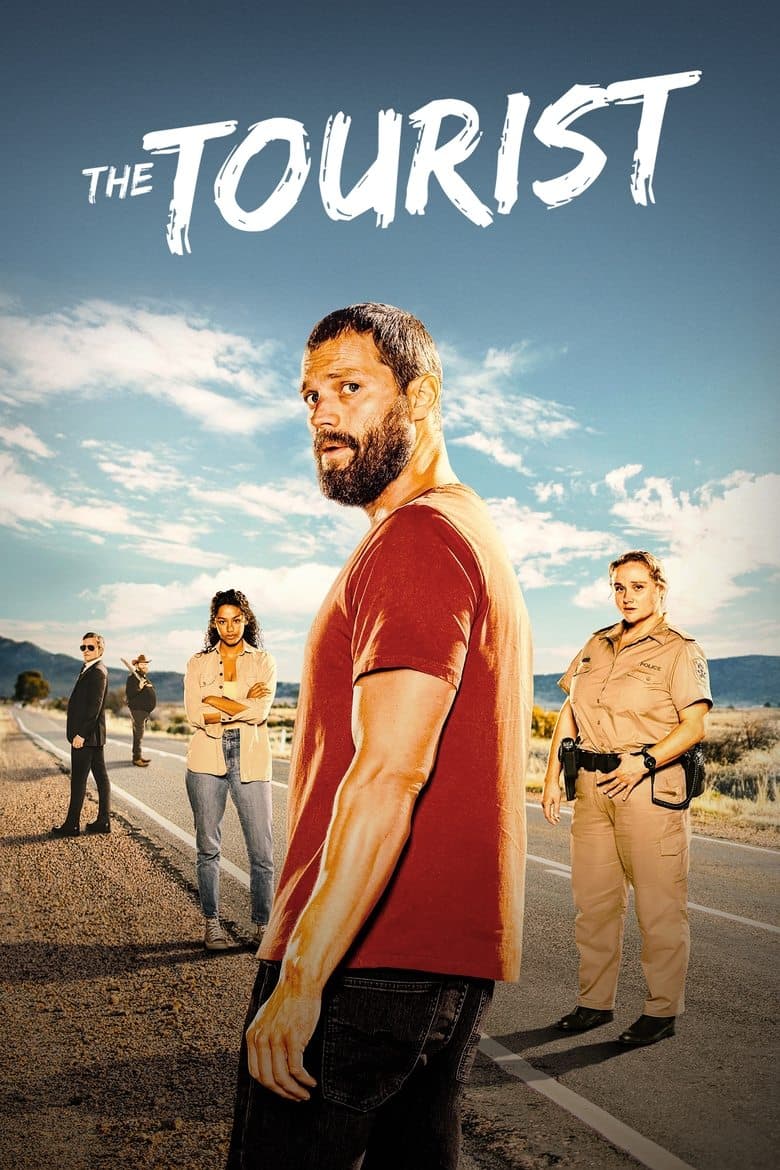
TV Show · 2022
When a man wakes up in the Australian outback with no memory, he must use the few clues he has to discover his identity before his past catches up with him.
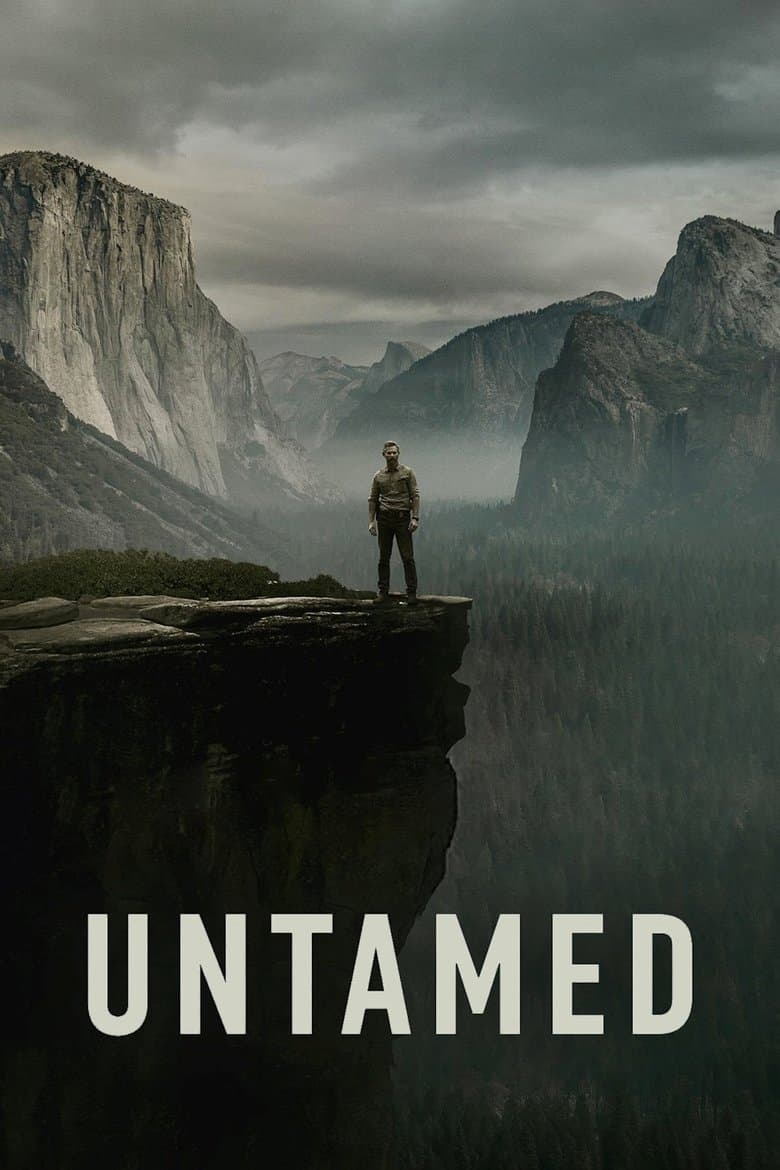
TV Show · 2025
In the vast expanse of Yosemite National Park, a woman's death draws a federal agent into lawless terrain — where nature obeys no rules but its own.
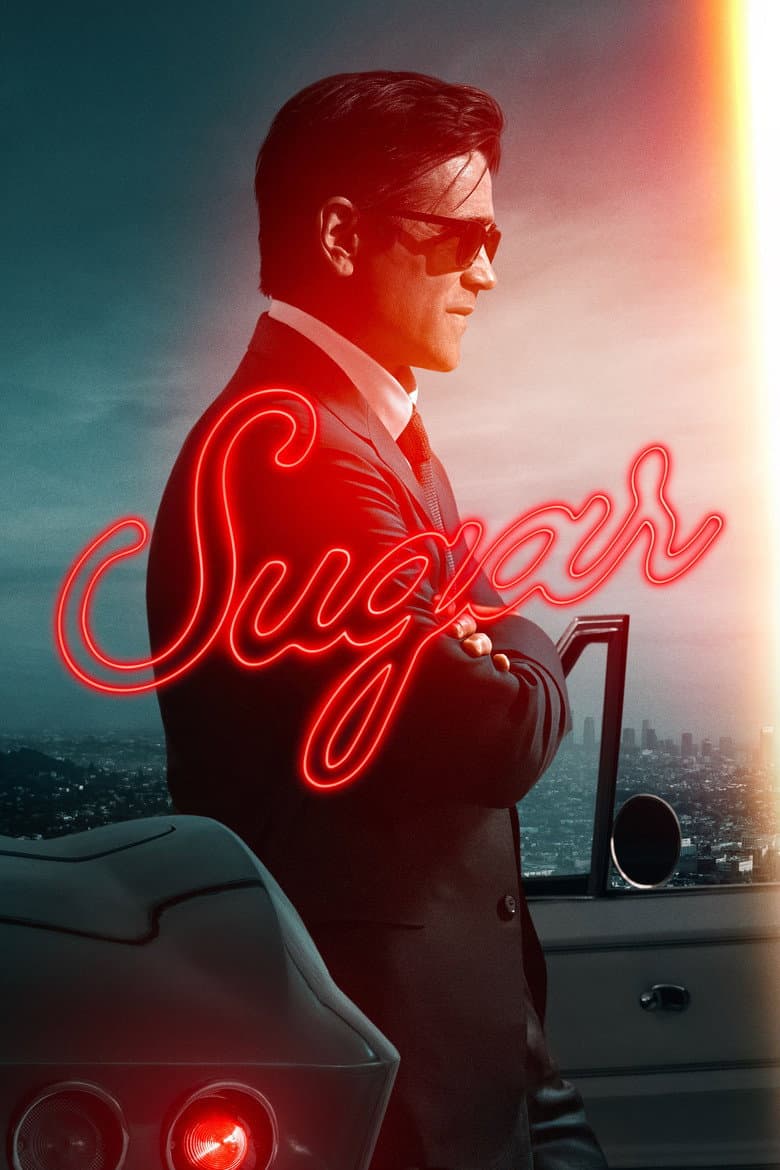
TV Show · 2024
John Sugar is a dashing private eye navigating the dark corners of sunny LA. Though he sees only the good in humanity, Sugar is haunted by a secret too dangerous to expose.
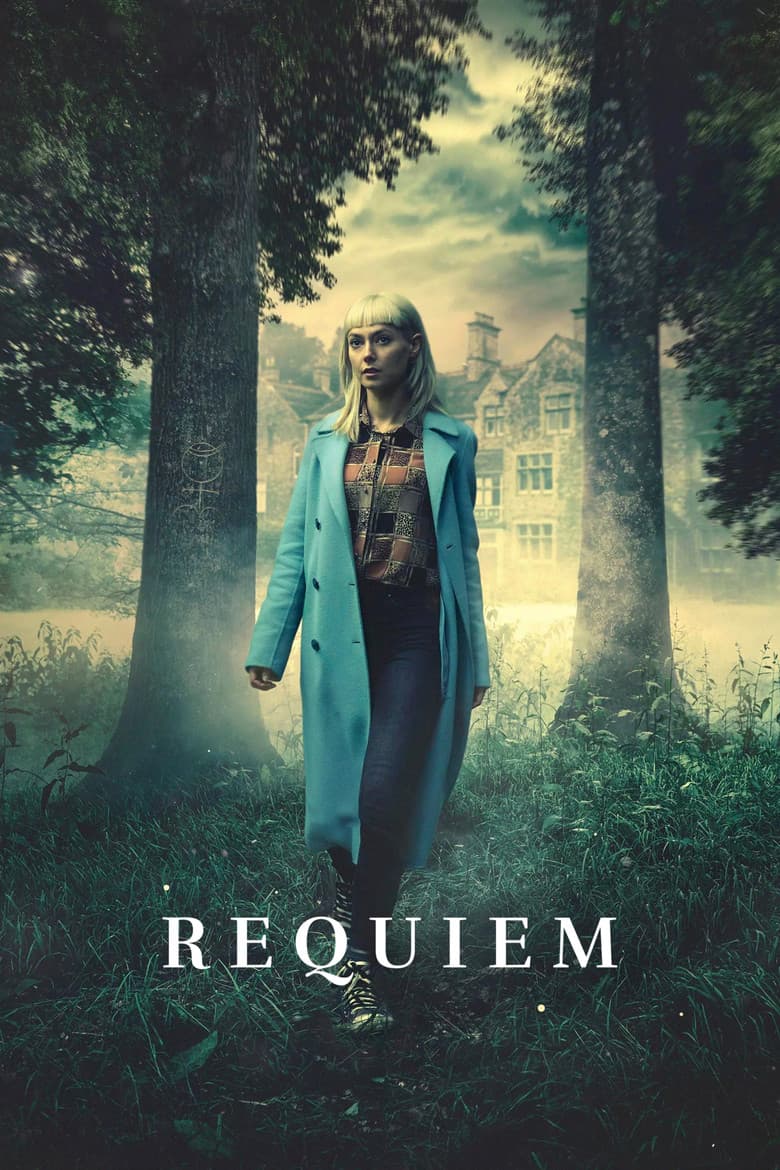
TV Show · 2018
In 1994, a toddler disappeared from a small Welsh village, never to be seen again. 23 years later, in London, the mother of rising cello star Matilda Gray commits suicide, without…
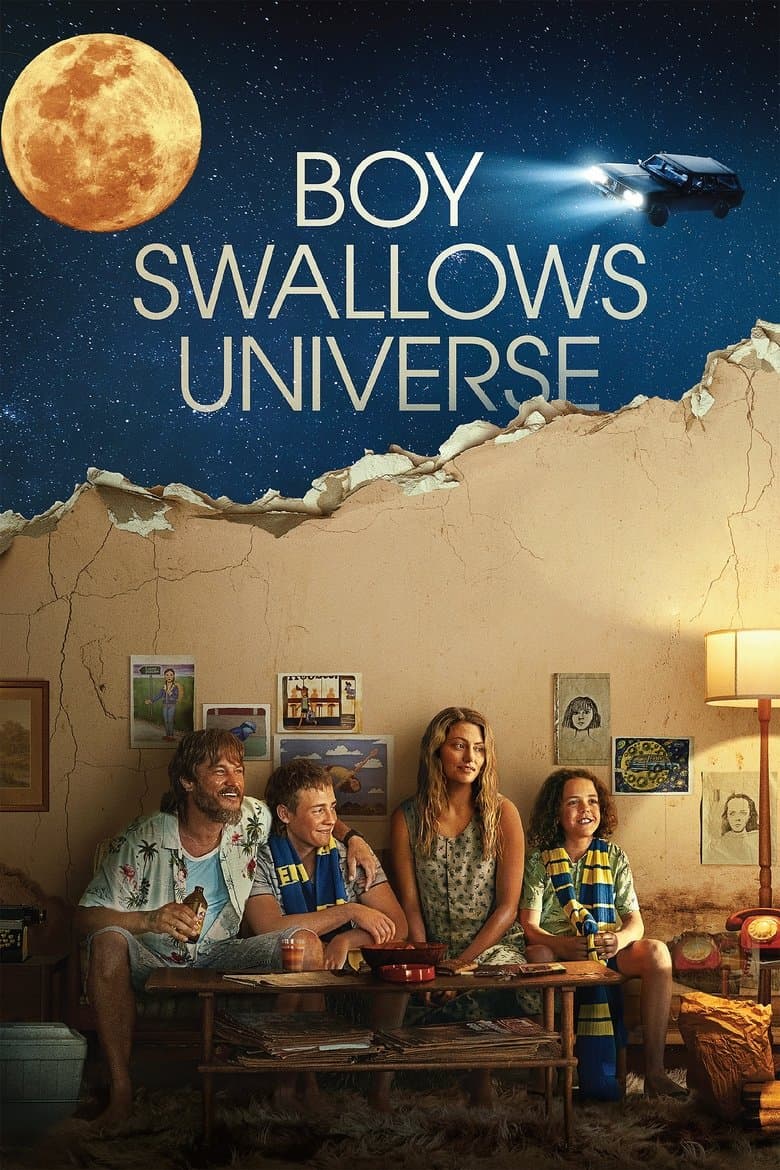
TV Show · 2024
A young boy growing up in the suburbs of 1980s Brisbane faces the harsh realities of life — and the looming dangers that threaten his family.
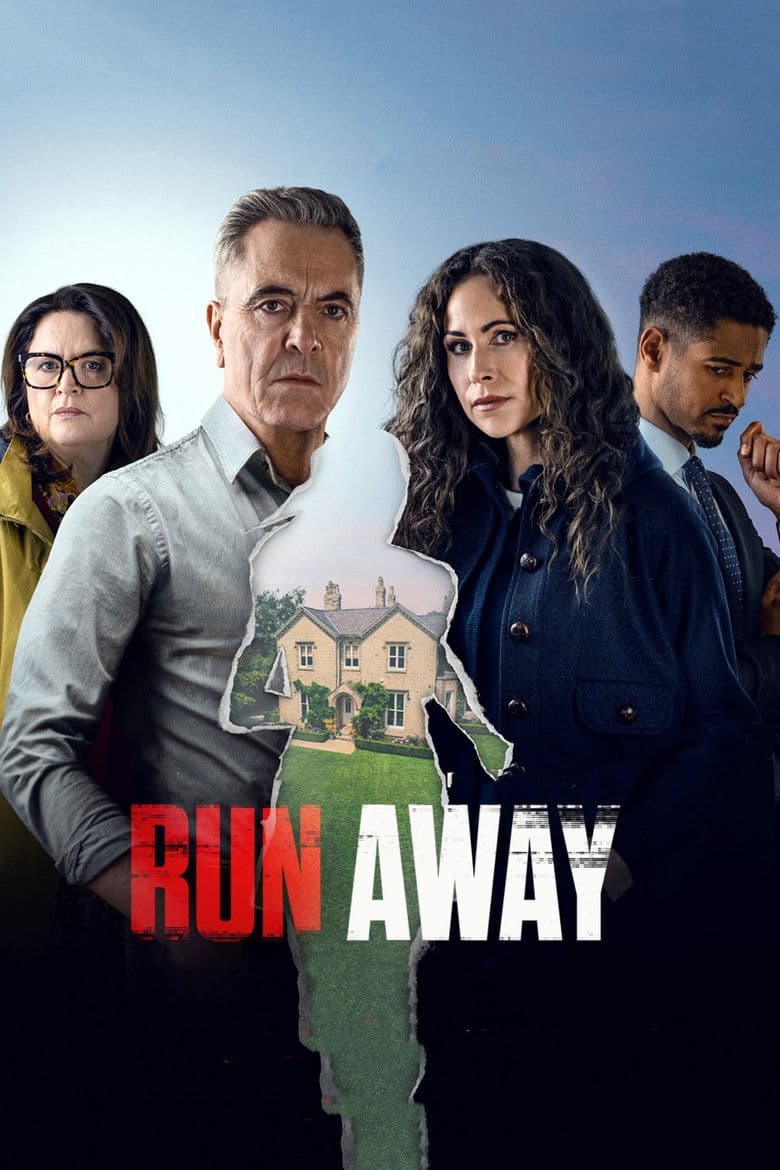
TV Show · 2026
A desperate father searching for his runaway daughter gets caught up in a murder case — and stumbles upon secrets which could destroy his family for good.
TV Show · 2021
A detective in a small Pennsylvania town investigates a local murder while trying to keep her life from falling apart.
