
Movie review
Stacy Friedman is a 13-year-old Jewish girl in modern New York who wants the perfect bat mitzvah. Her best friend Lydia has dreamed about the same big day, but a crush on popular classmate Andy pulls the girls into a painful fight. Stacy reacts with gossip, revenge, and a cruel party video after Lydia kisses Andy. The movie uses jokes, awkward middle-school moments, family warmth, and a serious lesson about friendship, growing up, and what the ceremony means.
The film makes Jewish girlhood and Jewish synagogue life its main cultural focus, with Torah lessons, Hebrew school, synagogue scenes, family customs, and expensive parties. It also includes a brief nonbinary b’nai mitzvah, open talk about sexual identity, and a female rabbi who guides the girls with humor and warmth. These identity elements are visible but stay in side scenes while Stacy and Lydia’s friendship drives the story. The ending puts kindness, making things right, community, and the religious rite above popularity, romance, and party status.
Community feedback
Was our 45% Woke rating accurate?
Breakdown
These are the editorial factors and ratings behind our score for You Are So Not Invited to My Bat Mitzvah.
Woke representation / casting
The movie places a Latina Jewish girl beside a Jewish lead in the two main friend roles. The peer group also includes a nonbinary child at a b’nai mitzvah and several visibly varied classmates. The cast makes Jewish, Latino, and queer visibility easy to notice in the school world. The pattern is clear but the roles are ordinary classmates rather than a heroic team, so the score stays moderate.
28%
Woke political dialogue
Not present. The characters do not argue about political parties, public policy, or activism. Modern words such as “cancel” and “straight” appear in jokes or social scenes, not as political teaching.
0%
Identity-driven story themes
The film makes Jewish girlhood and the bat mitzvah central to Stacy’s growth. The film includes a nonbinary b’nai mitzvah, open talk about sexual identity, and a female rabbi presented as accepting. The film treats these identity points as normal and welcoming. The friendship plot remains much larger, so the queer material is recurring but secondary.
30%
Western institutional / cultural critique
Not present. The movie does not attack family, religion, men, capitalism, or other Western institutions. It shows parents and a rabbi guiding the girls toward better choices.
0%
Woke character or canon changes
The adaptation changes the source book’s male rabbi into Rabbi Rebecca. The adaptation also adds Devin’s they/them b’nai mitzvah. The film’s director said these changes were meant to make the story more queer. The choices are audience-visible but stay in supporting scenes, and they do not alter Stacy and Lydia’s main conflict.
34%
Anti-woke backlash and complaints
Mainstream coverage was mostly positive and treated the film as a sweet Jewish coming-of-age story. One Rotten Tomatoes audience review called the gay material and female Reform rabbi woke. An Israel National News op-ed called the movie a woke example of progressive Reform Judaism. The backlash was explicit but small and fringe.
27%
Creator track record context
Sammi Cohen’s cached record is strongly queer and centers normalized LGBTQ+ representation. Title-related interviews show Cohen intentionally added queer material and wanted Jewish kids to feel seen. The cached writers and producers mostly have low or mild scores and no clear activist record. The overall creative context is mixed, but the director is a strong supporting signal.
55%
Production

Movie · 2018
Tony Lip, a bouncer in 1962, is hired to drive pianist Don Shirley on a tour through the Deep South in the days when African Americans, forced to find alternate accommodations and…

Movie · 2023
The true story of how Dave Fishwick, a working class man and self-made millionaire, fought to set up a community bank so that he could help the local businesses of Burnley not…
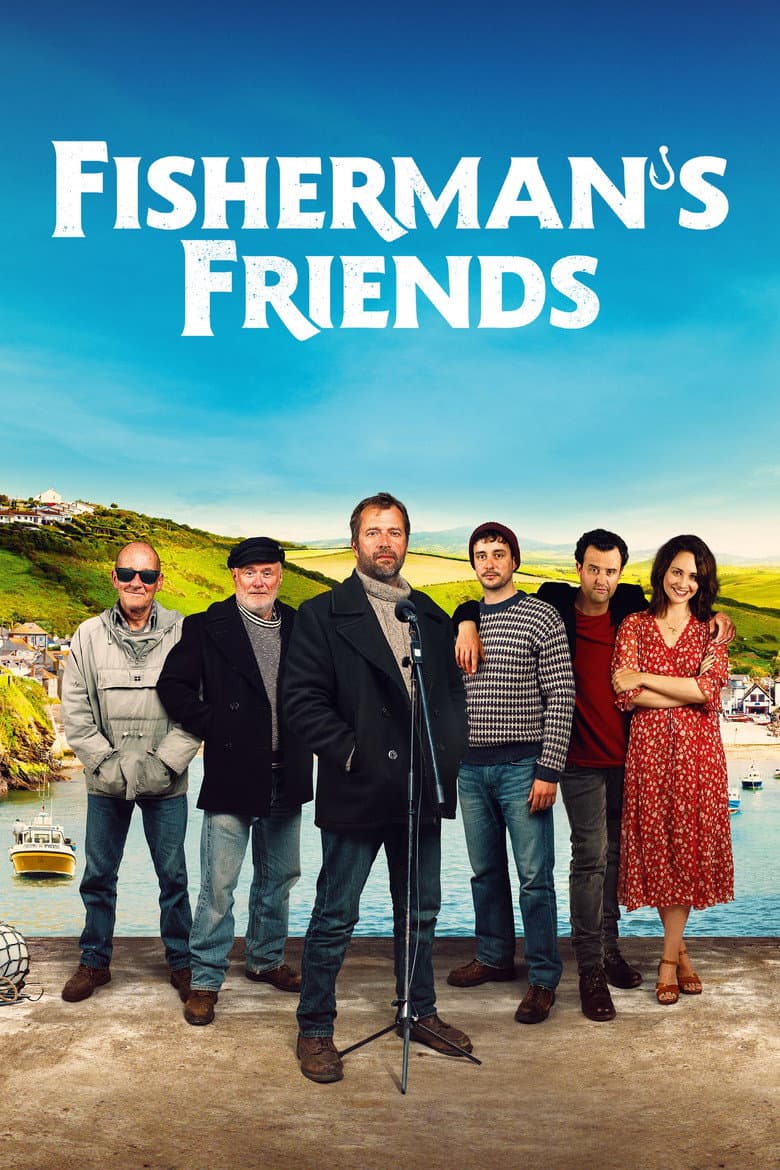
Movie · 2019
Ten fishermen from Cornwall are signed by Universal Records and achieve a top ten hit with their debut album of Sea Shanties.
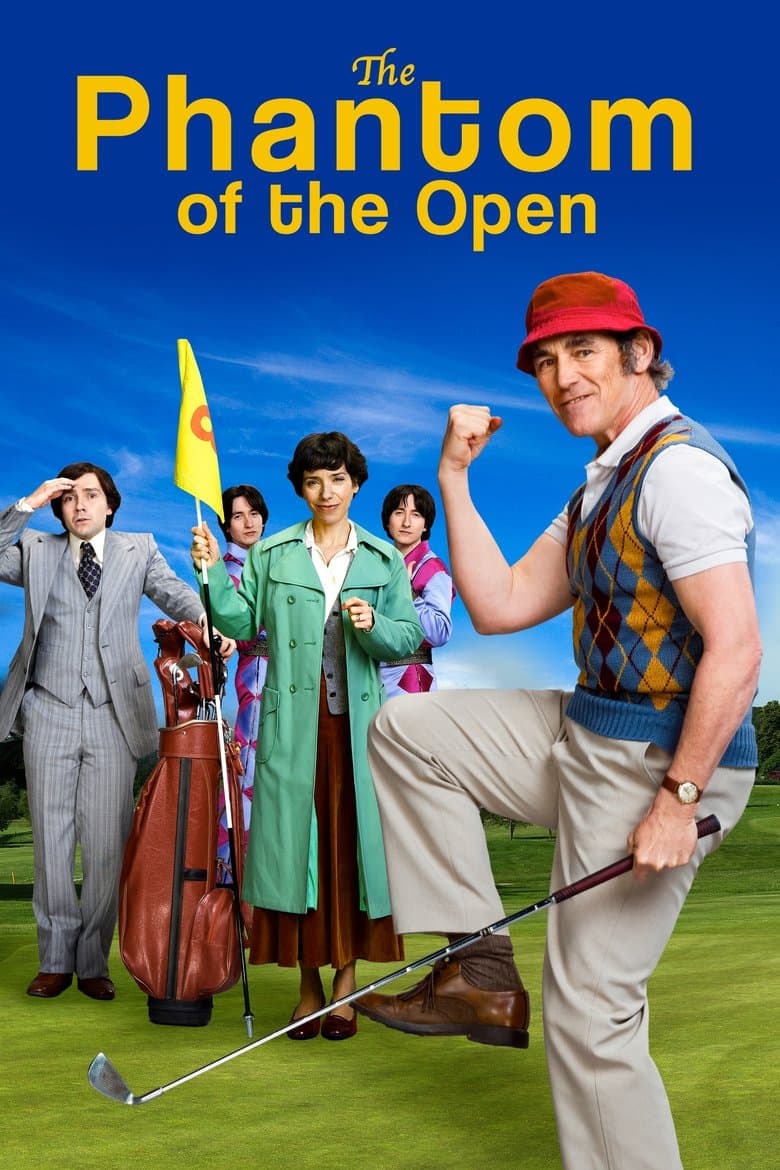
Movie · 2022
Maurice Flitcroft, a dreamer and unrelenting optimist, managed to gain entry to The British Open Golf Championship qualifying in 1976 and subsequently shot the worst round in Open…

Movie · 2018
An American hypochondriac who is working as a baggage handler is forced to confront his fears when a British teenager with a terminal illness enlists him to help her carry out her…

Movie · 2024
Emotions run high when three estranged sisters reunite in a cramped New York City apartment to watch over their ailing father during his final days.
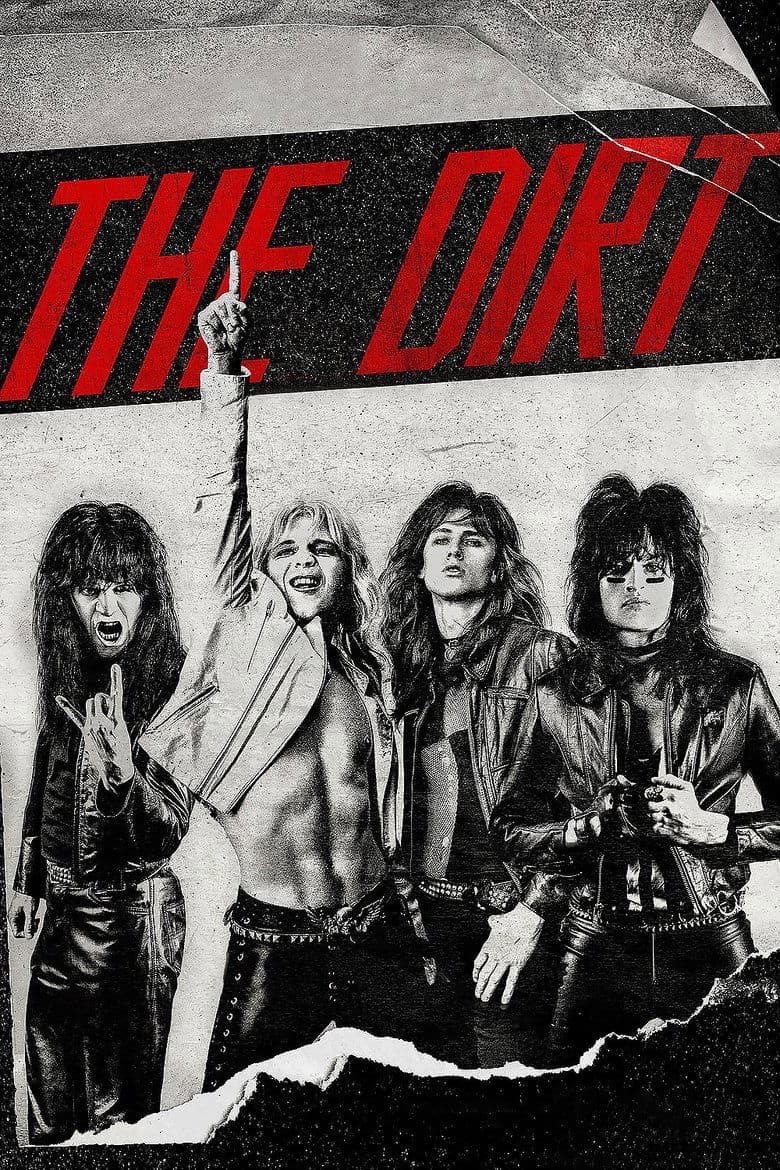
Movie · 2019
The story of Mötley Crüe and their rise from the Sunset Strip club scene of the early 1980s to superstardom.
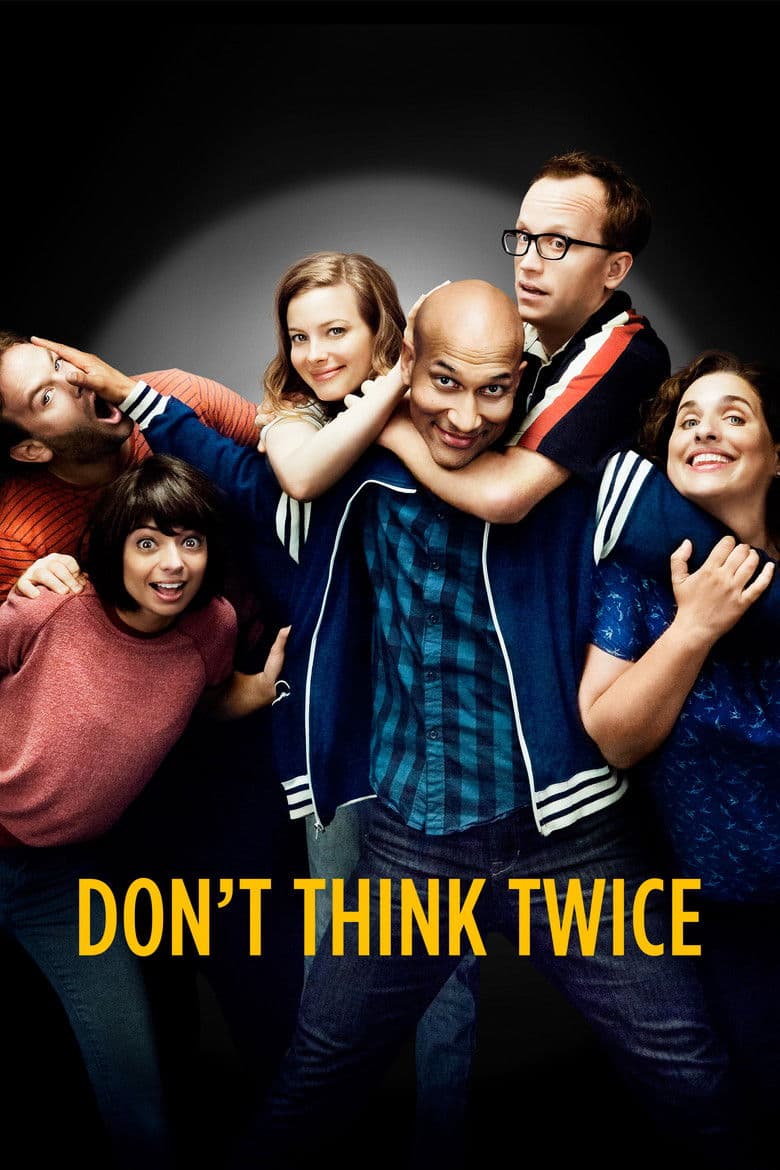
Movie · 2016
An improv group deals with several crises, including the loss of their lease and one member hitting the big time.
