
Adam is a high school senior who loves cooking. After a scary episode at school, doctors tell him he has schizophrenia. He moves to a Catholic school and tries to hide his illness. He falls for Maya, a smart girl in his class, while his mind plays tricks on him. The tone is warm, sad, and hopeful.
The movie is mainly about mental illness, first love, family, and fear of being treated like a problem. Viewers see Adam fight stigma, skip and restart medicine, and open up. Maya is a bright top student and a black actress plays her; their romance is clear but not about race politics. There is light talk about how society treats people with schizophrenia worse than people with cancer. Catholic school, a kind priest, and strict nuns are part of the setting, not a big attack on faith. Normal viewers would mostly notice a teen mental-health drama, not a loud social-justice message.
Community feedback
Was our 28% Woke rating accurate?
Breakdown
These are the editorial factors and ratings behind our score for Words on Bathroom Walls.
Woke representation / casting
Modern school romance with Taylor Russell as the brilliant, outspoken valedictorian love interest. One clear diverse lead pairing viewers can see. Race is not the plot’s point, and marketing did not push a diversity slogan. Light-to-moderate casting signal, not a full quota ensemble.
21%
Woke political dialogue
Lines push mental-illness stigma and fairness (for example, cancer kids get more kindness than schizophrenia). That is social-awareness talk, not race, gender, or left identity slogans. Easy to hear as health empathy, not politics class.
5%
Identity-driven story themes
Core themes are schizophrenia, secrecy, love, family, and living with illness. Destigmatizing mental illness is the main social message. It is not built on race, gender, queer, or modern identity-politics arcs.
16%
Western institutional / cultural critique
Catholic school can be strict (suspension “for safety”); a priest is a caring listener. Faith is setting and support more than a target. No strong attack on family, masculinity, capitalism, or Christianity as systems of harm. Bathroom graffiti in Catholic school shows “Jesus loves you. Don’t be a homo”.
30%
Woke character or canon changes
Book Maya is Filipina; film uses a black actress. That is a source change, but it was not sold or widely fought as a DEI rewrite, and the book role was already non-white. Mostly ordinary casting, light weight only.
10%
Anti-woke backlash and complaints
No clear anti-woke, anti-DEI, or “this movie pushes an agenda” campaign turned up in news or social search. Debate stayed on mental-health portrayal.
0%
Creator track record context
Weighted by low-to-mild cached scores: Freudenthal 16, Naveda 0, producers ~0–12, Goi 44 on industry diversity work. Overall mild; strongest link is mental-health empathy, not activist identity filmmaking.
16%
Production

Movie · 2018
Katie, a 17-year-old, has been sheltered since childhood and confined to her house during the day by a rare disease that makes even the smallest amount of sunlight deadly.
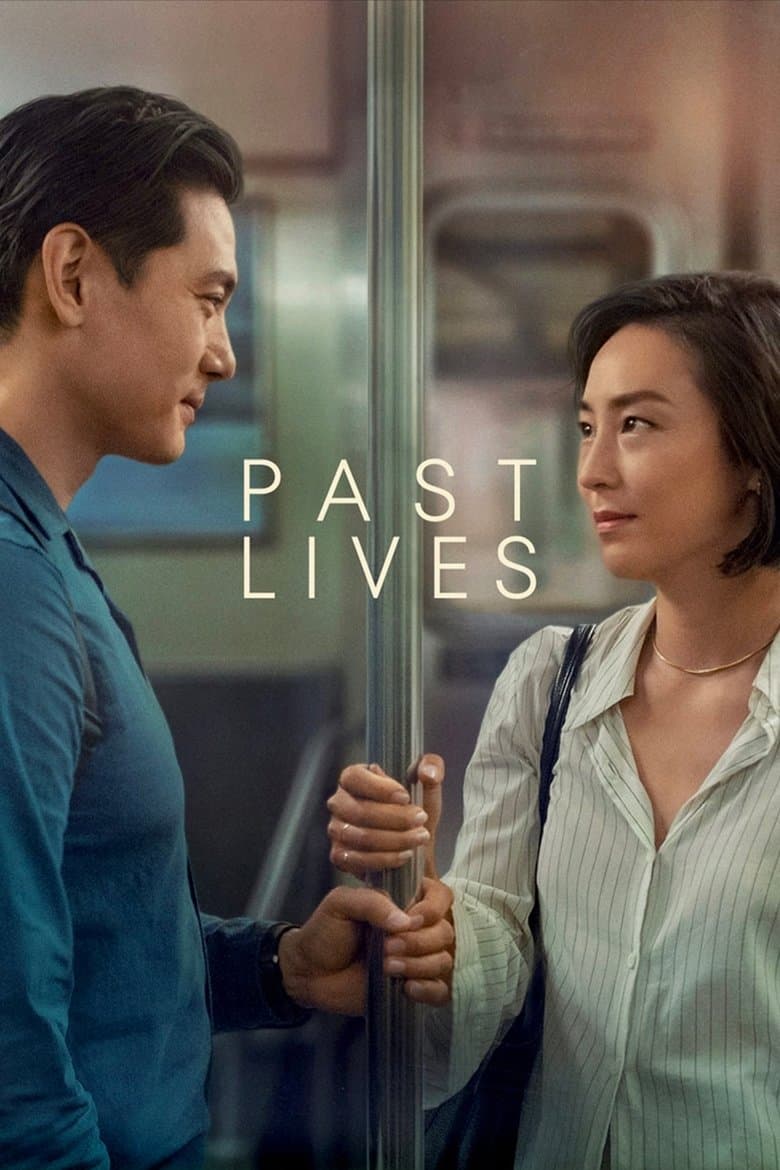
Movie · 2023
After decades apart, childhood friends Nora and Hae Sung are reunited in New York for one fateful weekend as they confront notions of destiny, love, and the choices that make a…
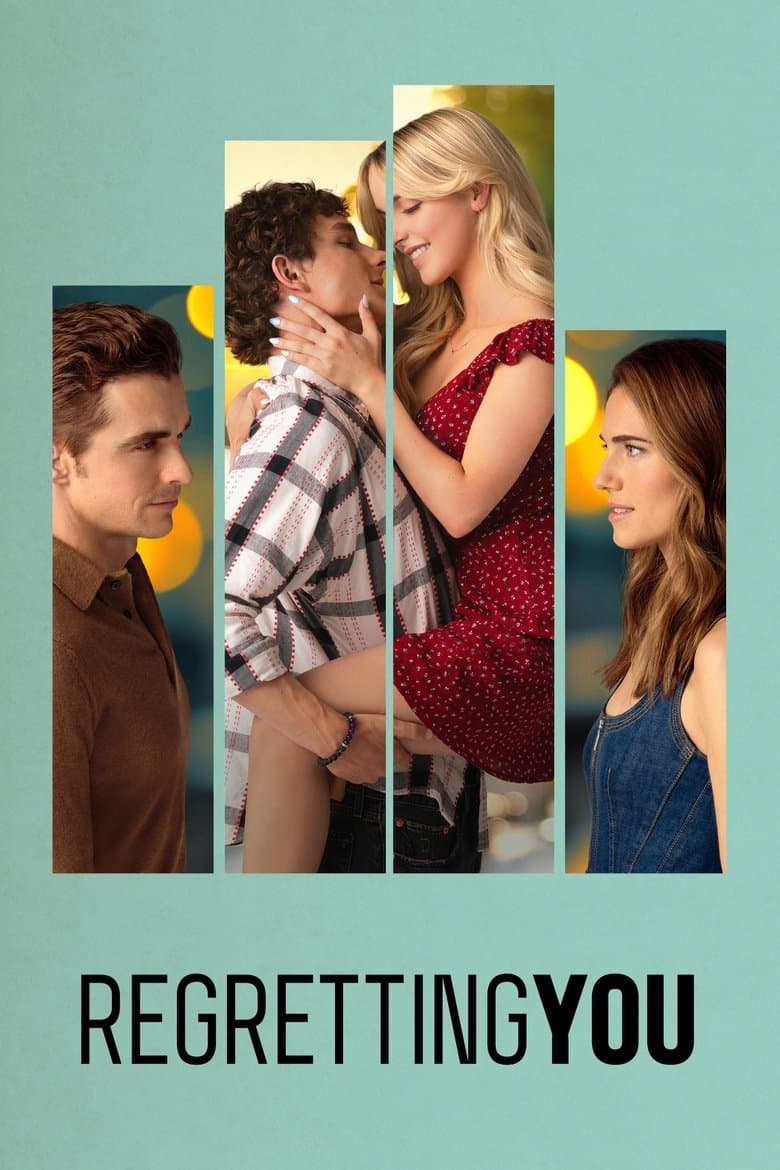
Movie · 2025
Morgan Grant and her daughter Clara explore what's left behind after a devastating accident reveals a shocking betrayal and forces them to confront family secrets, redefine love…
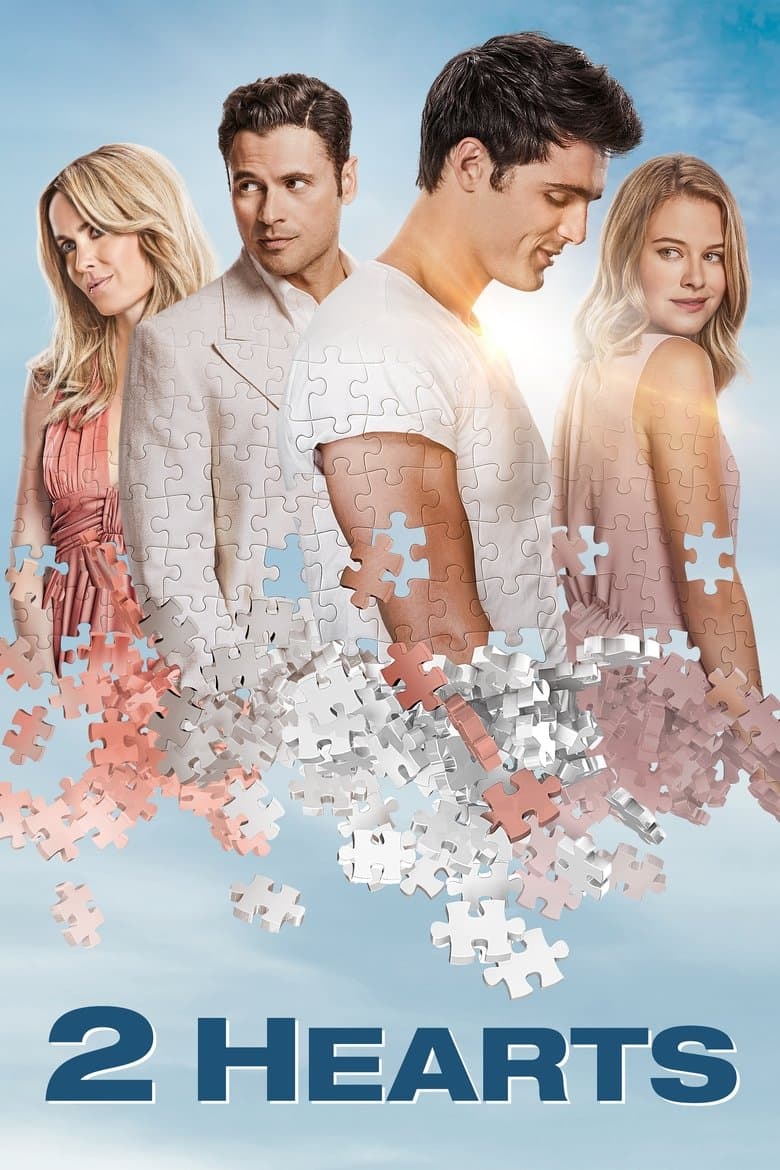
Movie · 2020
When illness strikes two people who are polar opposites, life and death bring them together in surprising ways.
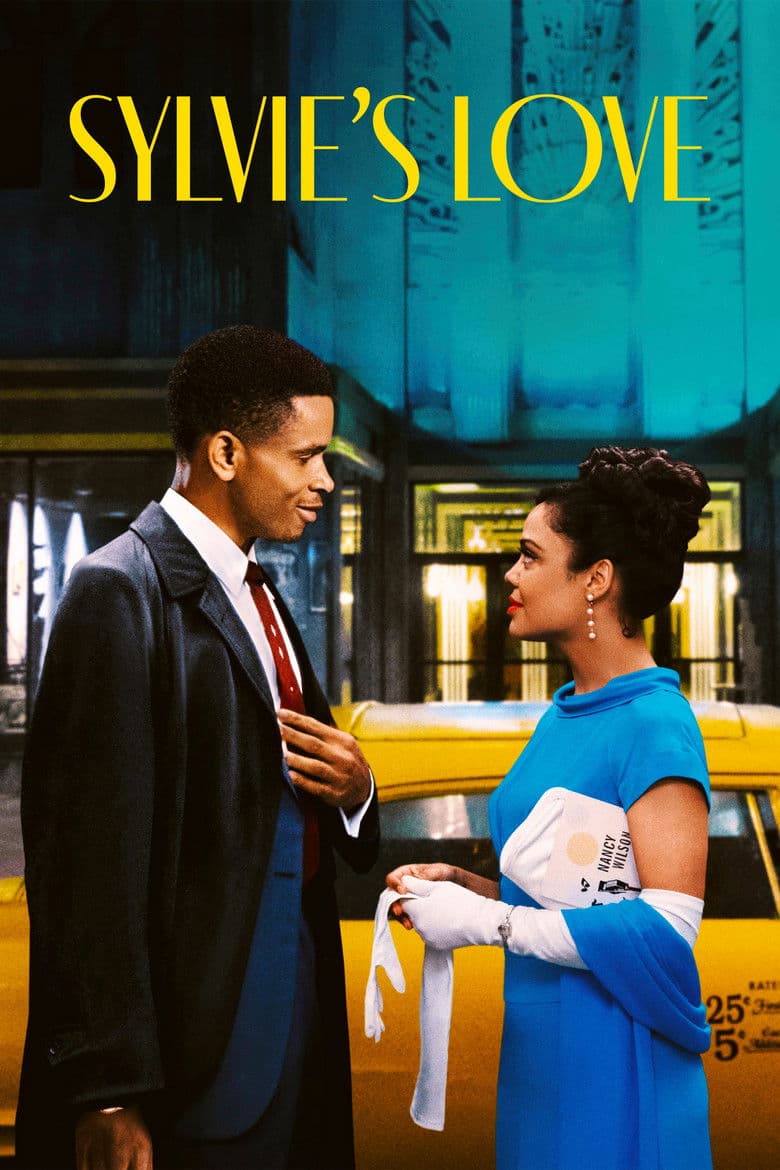
Movie · 2020
When a young woman meets an aspiring saxophonist in her father’s record shop in 1950s Harlem, their love ignites a sweeping romance that transcends changing times, geography, and…

Movie · 2025
Two artistic souls find harmony through music despite their contrasting worlds. As feelings deepen, age and circumstances challenge their undeniable bond.

Movie · 2020
It was a chance meeting started by one of Sol’s friends trying to chat up Jennifer. However, in the end, it was those two who hit it off.
Movie · 2022
After surviving a car accident that took the life of her boyfriend, a teenage girl believes he's attempting to reconnect with her from the after world.
