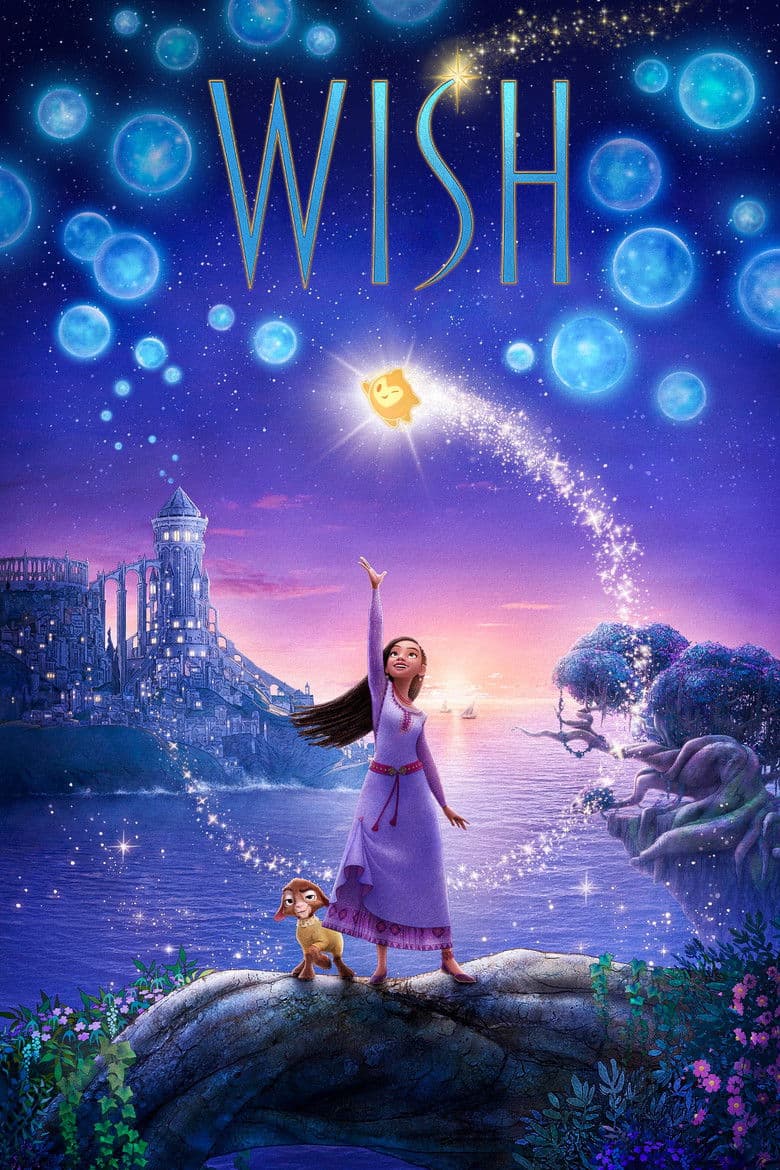
Wish is an animated fantasy movie about a young girl named Asha who lives in a magical kingdom. She teams up with a magical star to free her community's dreams from a controlling king. The film features very clear modern diversity, showing a non-white female lead and a highly diverse group of friends. It strongly promotes themes of girl power, collective action, and fighting back against a controlling ruler.
Community feedback
Was our 56% Woke rating accurate?
Breakdown
These are the editorial factors and ratings behind our score for Wish.
Woke representation / casting
The film features prominent identity-driven casting, with an Afro-Latina heroine voiced by queer actress Ariana DeBose. Her friends are a highly diverse group designed to resemble the seven dwarfs. This includes a disabled character voiced by a disabled actress and a character voiced by non-binary actor NiKo Vargas. Additionally, the character of Star is intentionally kept genderless in marketing and merchandise. These confirmed LGBTQ+ and modern diversity casting choices represent a clear priority for representation, adding noticeable weight to this factor.
55%
Woke political dialogue
There is no explicit activist or social-justice political terminology used by the characters. The dialogue remains within a standard fantasy framework. However, the script contains mild, modern-sounding lines about individual power, collective strength, and questioning authority. This dialogue supports a basic theme of self-determination, but it does not preach about real-world politics directly.
7%
Identity-driven story themes
The narrative centers on a young, diverse female lead rallying her community to reclaim their personal identities and desires from a controlling ruler. While the plot does not directly address real-world race or gender issues, the subtext of a marginalized, diverse group overthrowing a narcissistic authority figure is very visible. Left-leaning commentators praised this setup as a model for social justice activism, making the themes noticeable to many viewers.
35%
Western institutional / cultural critique
The story's villain is a powerful male ruler who demands complete trust while secretly suppressing the desires of his subjects. This setup can be read by some as a critique of traditional paternal authority and systemic control. However, the film avoids direct critiques of Western institutions, capitalism, or patriotism. The conflict remains a fairly standard fantasy rebellion against an abusive tyrant, though it is framed with modern ideas of collective empowerment.
30%
Woke character or canon changes
Not present in this title.
0%
Anti-woke backlash and complaints
The film faced notable right-leaning backlash from audiences who felt Disney was pushing a progressive agenda. Critics and online commentators accused the movie of being a "woke disaster" and criticized its focus on modern representation over classic storytelling. This controversy was amplified by the movie's poor box office performance, which critics cited as proof that audiences are rejecting the studio's modern direction.
52%
Creator track record context
The creative team is a mix of traditional animators and modern executives. Some key creators, like producer Don Hall and writer Jennifer Lee, have notable track records of supporting LGBTQ+ representation and female empowerment in major projects. Others, like animator Burny Mattinson and casting director Grace C. Kim, have strictly career-focused, non-political histories. This results in a moderate overall creator context score.
25%
Production
Movie · 2024
A solitary cat, displaced by a great flood, finds refuge on a boat with various species and must navigate the challenges of adapting to a transformed world together.
Movie · 2026
A small woodland creature and a majestic bird, two natural sworn enemies of the Valley, magically trade places and set off on an adventure of a lifetime to switch back.
Movie · 2017
Olaf is on a mission to harness the best holiday traditions for Anna, Elsa, and Kristoff.
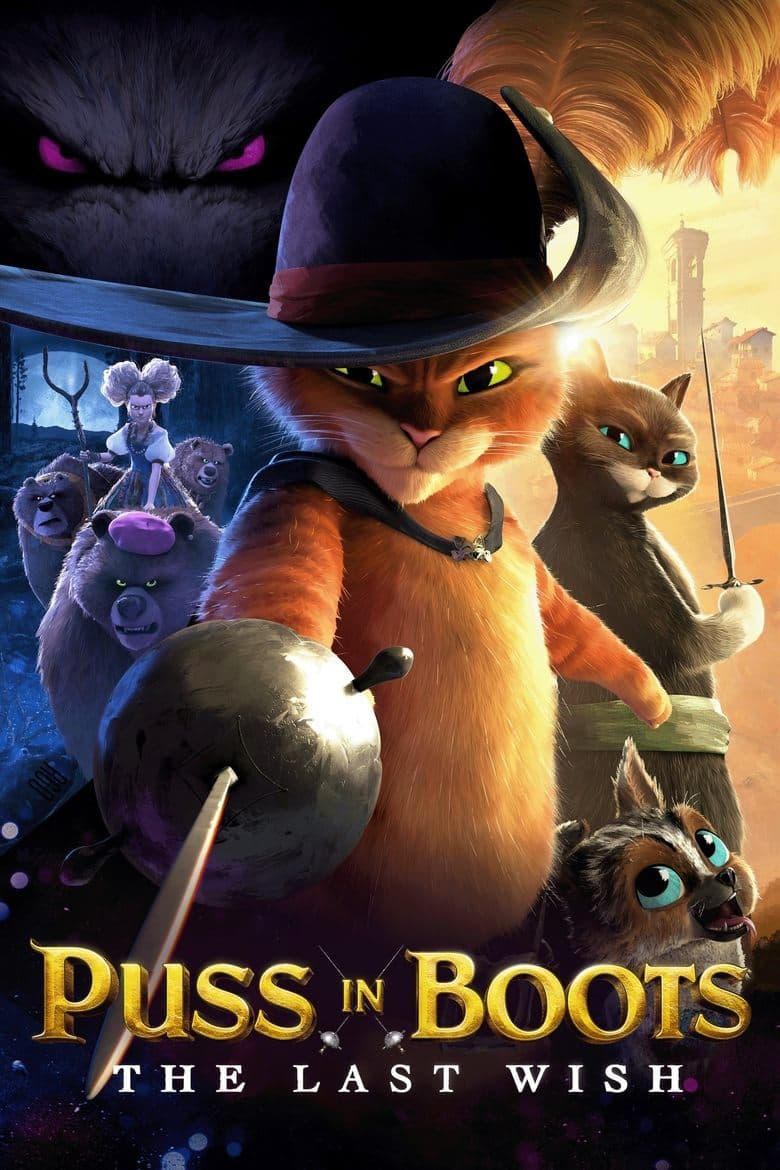
Movie · 2022
Puss in Boots discovers that his passion for adventure has taken its toll: He has burned through eight of his nine lives, leaving him with only one life left.
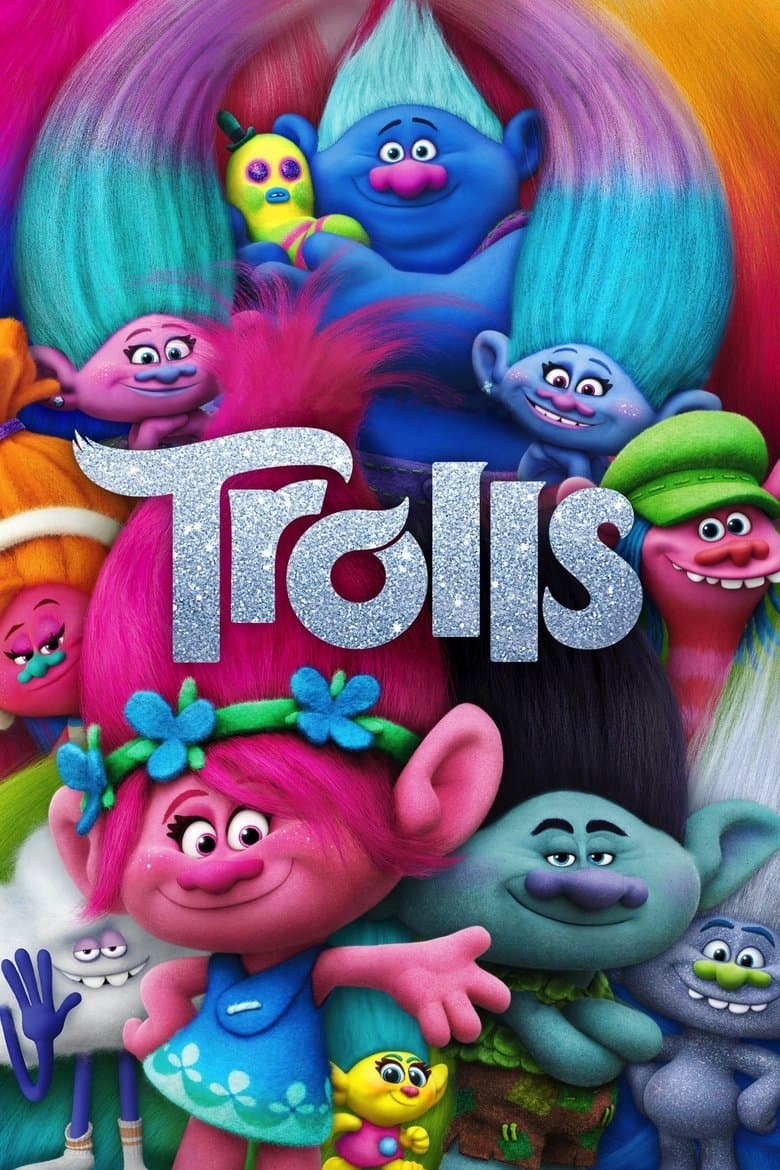
Movie · 2016
After the monstrous Bergens invade Troll Village, Princess Poppy, the happiest Troll ever born, and overly-cautious, curmudgeonly outcast Branch set off on a journey to rescue her…
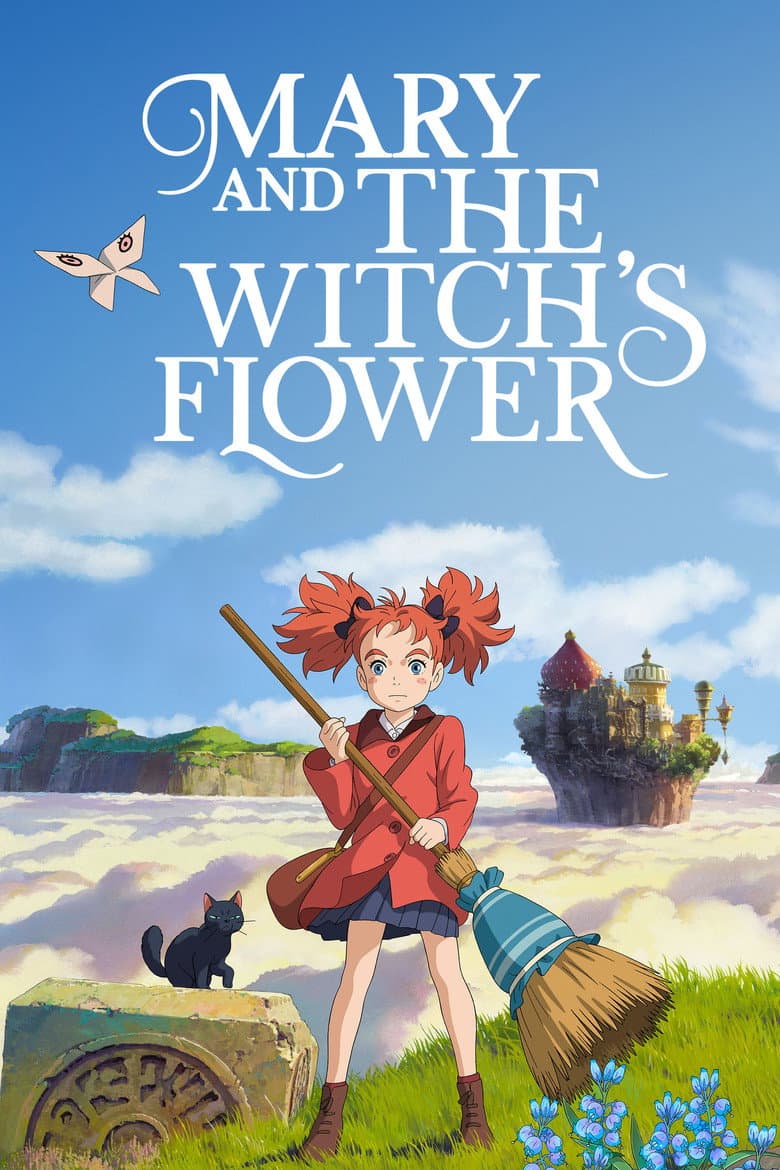
Movie · 2017
Mary Smith, a young girl who lives with her great-aunt in the countryside, follows a mysterious cat into the nearby forest where she finds a strange flower and an old broom, none…
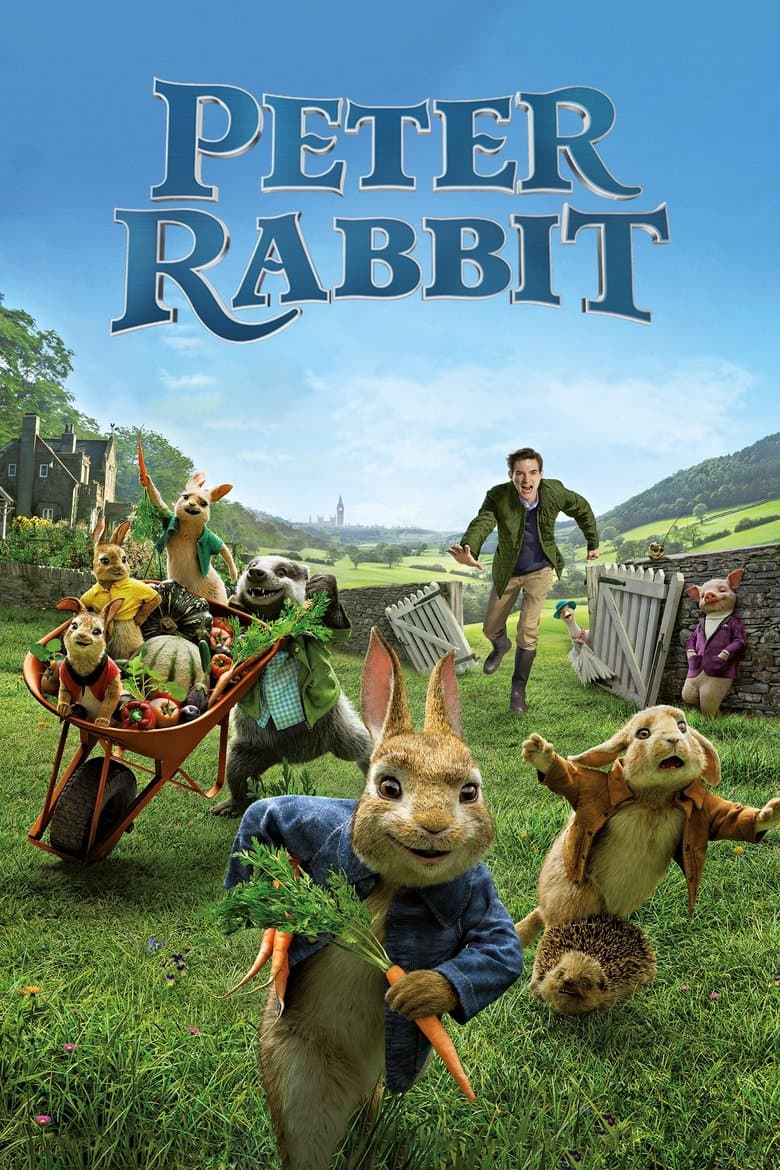
Movie · 2018
Peter Rabbit's feud with Mr. McGregor escalates to greater heights than ever before as they rival for the affections of the warm-hearted animal lover who lives next door.
Movie · 2017
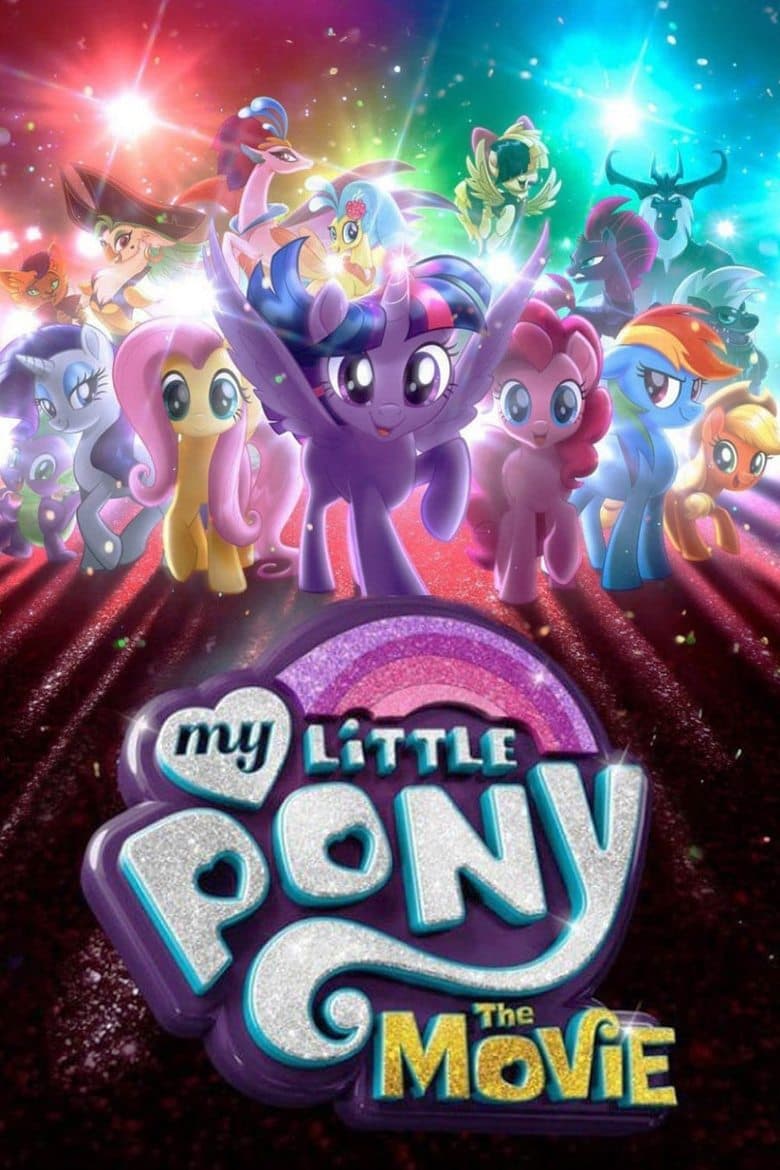
A new dark force threatens Ponyville, and the Mane 6 – Twilight Sparkle, Applejack, Rainbow Dash, Pinkie Pie, Fluttershy and Rarity – embark on an unforgettable journey beyond…
