
Wilson is a lonely, divorced middle-aged man who says whatever comes into his head. He lives with his dog in a modern American city and feels abandoned after his father dies and his best friend moves away. Wilson tracks down his former wife, Pippi, and learns that their daughter is alive and was adopted as a baby. His plan to become a family man turns into stalking, fights, jail time, and painful attempts to connect, so the film mixes crude jokes with sadness.
The film has a few direct political and social jabs. Wilson calls Pippi’s father a rich Republican and attacks the adoptive family’s class privilege, while the story mocks religion and the idea that a neat suburban family is always good. It also treats a divorced couple, a woman recovering from drug addiction, and an adopted goth teenager as a damaged but possible family, and it briefly mentions a gay former boyfriend. These elements are visible in the dialogue and family plot, but they stay below the main story about loneliness, parenthood, adoption, and selfish behavior.
Community feedback
Was our 42% Woke rating accurate?
Breakdown
These are the editorial factors and ratings behind our score for Wilson.
Woke representation / casting
Not present. The main cast is a mostly white group that fits the modern American setting and family story. The film does not present its casting as a diversity or identity statement.
0%
Woke political dialogue
Wilson calls Pippi’s father a rich Republican while blaming him for her troubles. Wilson also attacks the adoptive family’s class privilege and says adults have used up the next generation’s resources. These are short political and anti-rich jokes, but they do not become a repeated campaign or speech.
29%
Identity-driven story themes
The story centers on a divorced man, a recovering woman, and an adopted teenager who try to act as a family. The film gives sympathy to a family built from adoption, old relationships, and damaged people. That unusual family shape is a mild identity-related theme, but the movie mainly explores loneliness, parenthood, and selfish behavior.
19%
Western institutional / cultural critique
Wilson calls the clean suburban life a living death. Wilson attacks the adoptive parents’ class privilege and says their comfort harms the next generation. The film also gives several scenes to jokes that treat religion and Christianity as foolish and presents normal family life as something to question. These ideas recur in the comedy, but they do not form a full activist argument.
39%
Woke character or canon changes
Not relevant. The film changes the graphic novel’s structure and ending to add more warmth and connection. Those are plot and tone changes, not race, gender, sexuality, or identity changes to an established character.
0%
Anti-woke backlash and complaints
One Rotten Tomatoes audience review says the film mocks Christianity, white Americans, the nuclear family, and normality. A Christian movie guide also objects to its humanist view, anti-capitalist joke, and casual sex. X research found no anti-woke posts, and no organized backlash or major controversy was reported.
18%
Creator track record context
Craig Johnson has the highest cached score at 80 because his past work often centers queer stories. Daniel Clowes has a cached score of 8 and is mainly known for dark satire rather than identity activism. Mary Jane Skalski has a cached score of 49 because she has backed several queer and identity-focused films. The other listed crew have lower cached scores, so the team carries moderate creator-context risk.
42%
Production

Movie · 2016
Two high school girls are best friends until one dates the other's older brother, who is totally his sister's nemesis.

Movie · 2017
When dictator Joseph Stalin dies, his parasitic cronies square off in a frantic power struggle to become the next Soviet leader.

Movie · 2016
An improv group deals with several crises, including the loss of their lease and one member hitting the big time.
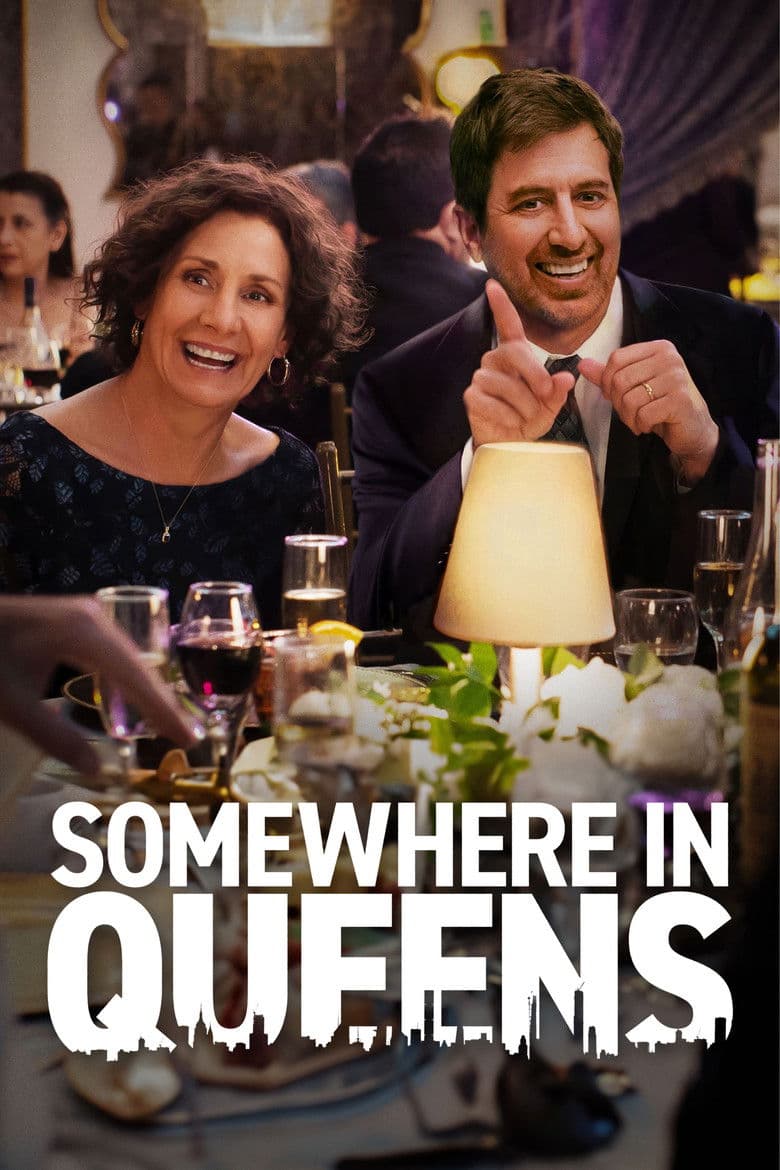
Movie · 2023
Leo and Angela Russo live a simple life in Queens, surrounded by their overbearing Italian-American family. When their son finds success on his high school basketball team, Leo…

Movie · 2023
Two mismatched entrepreneurs – egghead innovator Mike Lazaridis and cut-throat businessman Jim Balsillie – joined forces in an endeavour that was to become a worldwide hit in…

Movie · 2024
When a construction worker unexpectedly joins a local theater's production of Romeo and Juliet alongside his estranged teenage daughter, the drama onstage starts to mirror his own…

Movie · 2016
Having suffered a tragedy, Ben becomes a caregiver to earn money. His first client, Trevor, is a hilarious 18-year-old with muscular dystrophy.
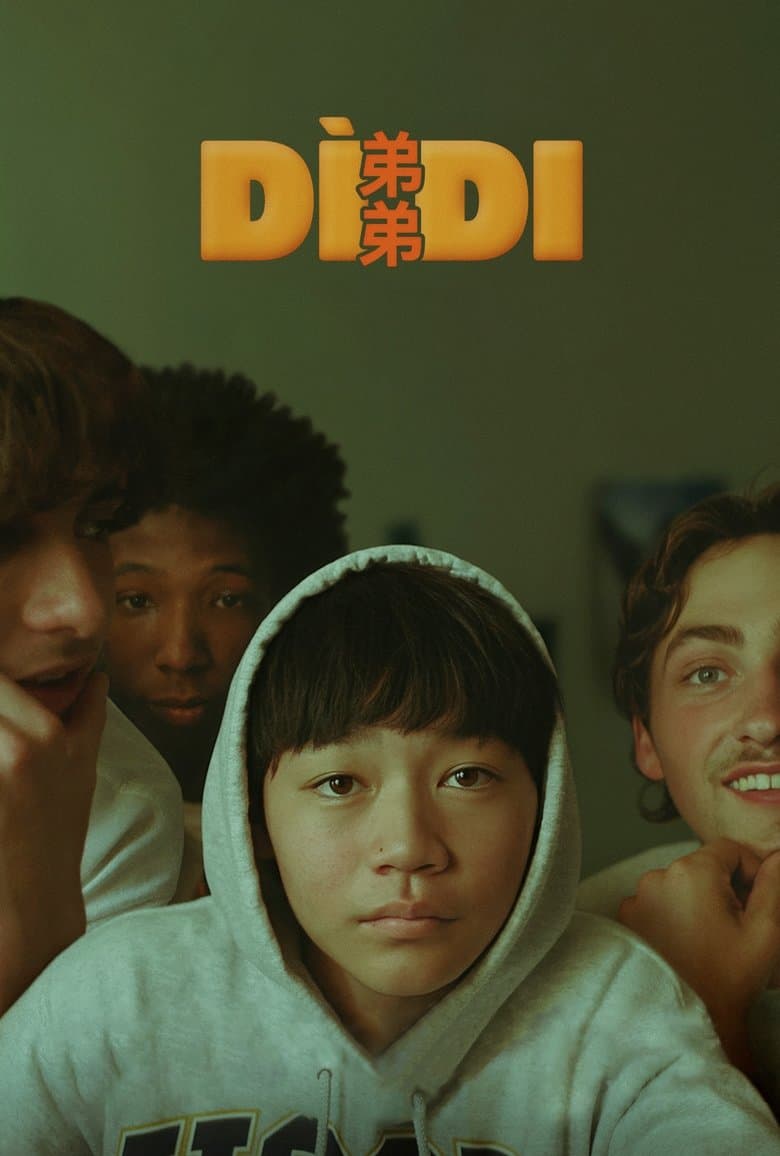
Movie · 2024
In 2008, during the last month of summer before high school begins, an impressionable 13-year-old Taiwanese American boy learns what his family can't teach him: how to skate, how…
