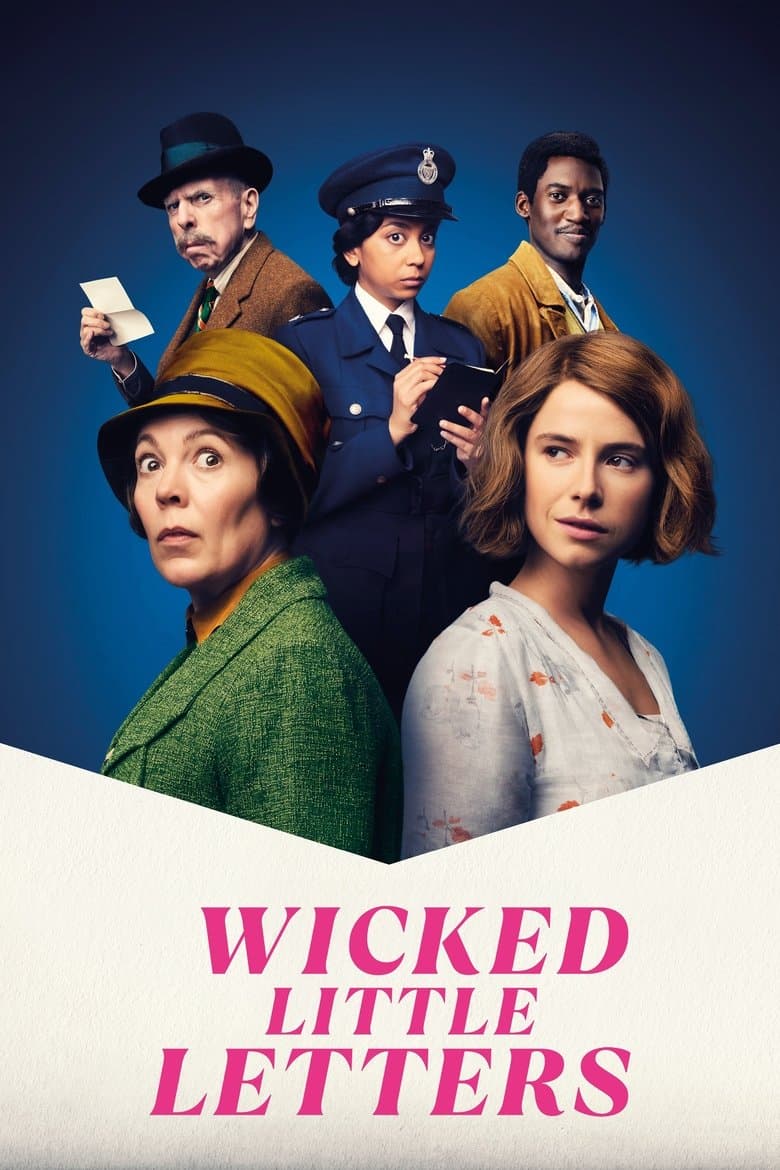
Wicked Little Letters is a comedy movie about a small English town in the 1920s. People in the town start getting very rude letters in the mail, and everyone blames a rowdy Irish woman. A female police officer and her female friends work together to find the real culprit. The movie has a strong focus on women standing up against strict, mean men and traditional rules. It also uses modern actors of different races to play real historical people who were actually white.
Community feedback
Was our 88% Woke rating accurate?
Breakdown
These are the editorial factors and ratings behind our score for Wicked Little Letters.
Woke representation / casting
The movie uses a very diverse cast to portray a 1920s English seaside town, which historically would have been almost entirely white. It features South Asian and black actors in prominent roles as local residents, police, and judges. This choice ignores historical realism to meet modern representation goals. The racial casting is never explained or acknowledged in the story.
65%
Woke political dialogue
The characters frequently speak about female empowerment, women's rights, and overcoming the limits placed on women by society. While some of this fits the historical backdrop of the suffragette era, the script uses very modern-sounding complaints about bad male behavior and male entitlement.
45%
Identity-driven story themes
The main plot centers on a sisterhood of women working together to fight against mean, oppressive men in power. It highlights female solidarity, female anger, and the struggles of women living under strict social norms. It also frames the female police officer as the only smart and competent detective in town while her male peers are useless.
60%
Western institutional / cultural critique
The movie heavily critiques traditional family roles, the justice system, and Christian beliefs. The main father figure is shown as a monster who uses religious rules to control his family. The police force and courts are portrayed as places of extreme male incompetence and sexism, where men constantly mock and dismiss women.
65%
Woke character or canon changes
The movie is based on a real 1920s scandal, but it changes the race of several real-life people. Gladys Moss, the first female police officer in Sussex, was actually white but is played by a South Asian actress. Rose's boyfriend, Bill, was also white in real life but is played by a black actor.
65%
Anti-woke backlash and complaints
There was notable online backlash from viewers and independent commentators who were annoyed by the historical inaccuracy of the casting. Critics and audiences argued that inserting modern London-style diversity into 1920s England ruined the movie's immersion. They also complained that the story turned all the white men into silly, sexist villains.
50%
Creator track record context
The creative team has a moderate history of pushing progressive themes. Producer and star Olivia Colman is highly active in left-wing advocacy. Other key producers, like Ollie Madden and Daniel Battsek, have a long history of championing diversity and inclusion programs within the British film industry.
45%
Production
Movie · 2020
A once-celebrated kid detective, now 31, continues to solve the same trivial mysteries between hangovers and bouts of self-pity.
Movie · 2016
A brother and sister return to their family home in search of their world famous parents who have disappeared.
Movie · 2023
In this office satire, Orson, a straight-laced employee, retreats to a blissfully empty corner office to get away from his lackluster colleagues.
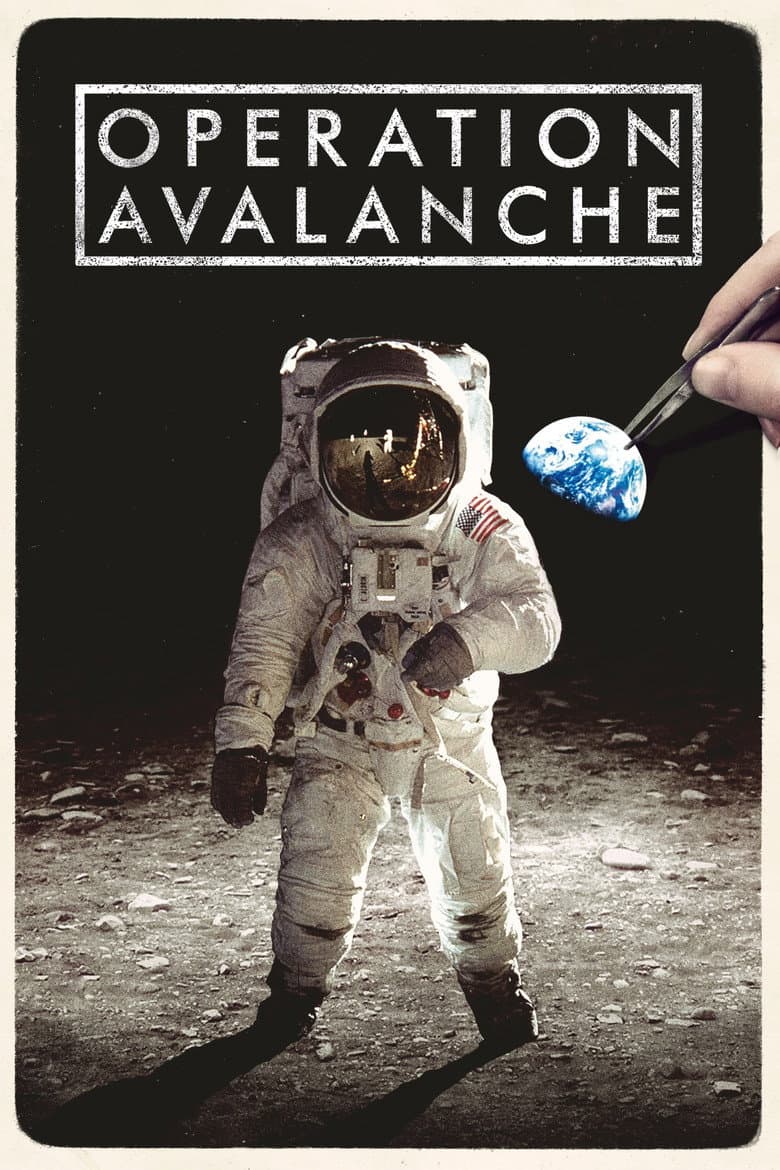
Movie · 2016
In 1967, four undercover CIA agents were sent to NASA posing as a documentary film crew. What they discovered led to one of the biggest conspiracies in American history.
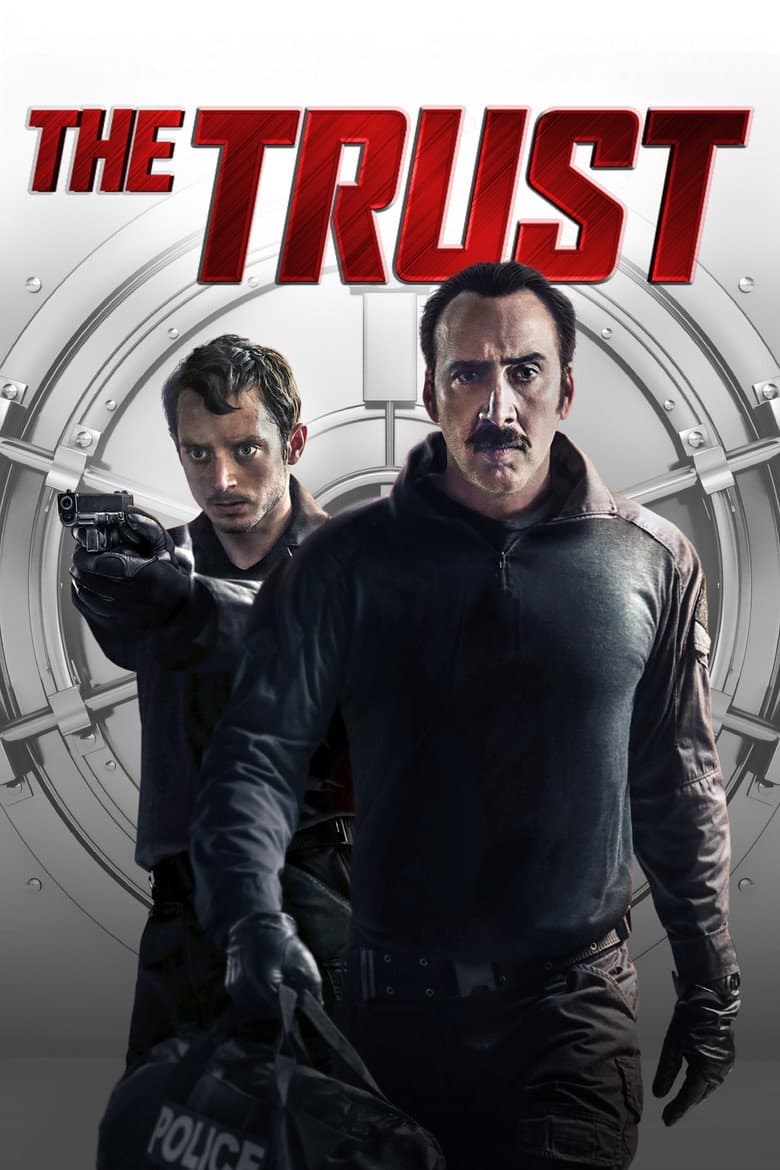
Movie · 2016
A pair of cops investigating a drug invasion stumble upon a mysterious bank vault.
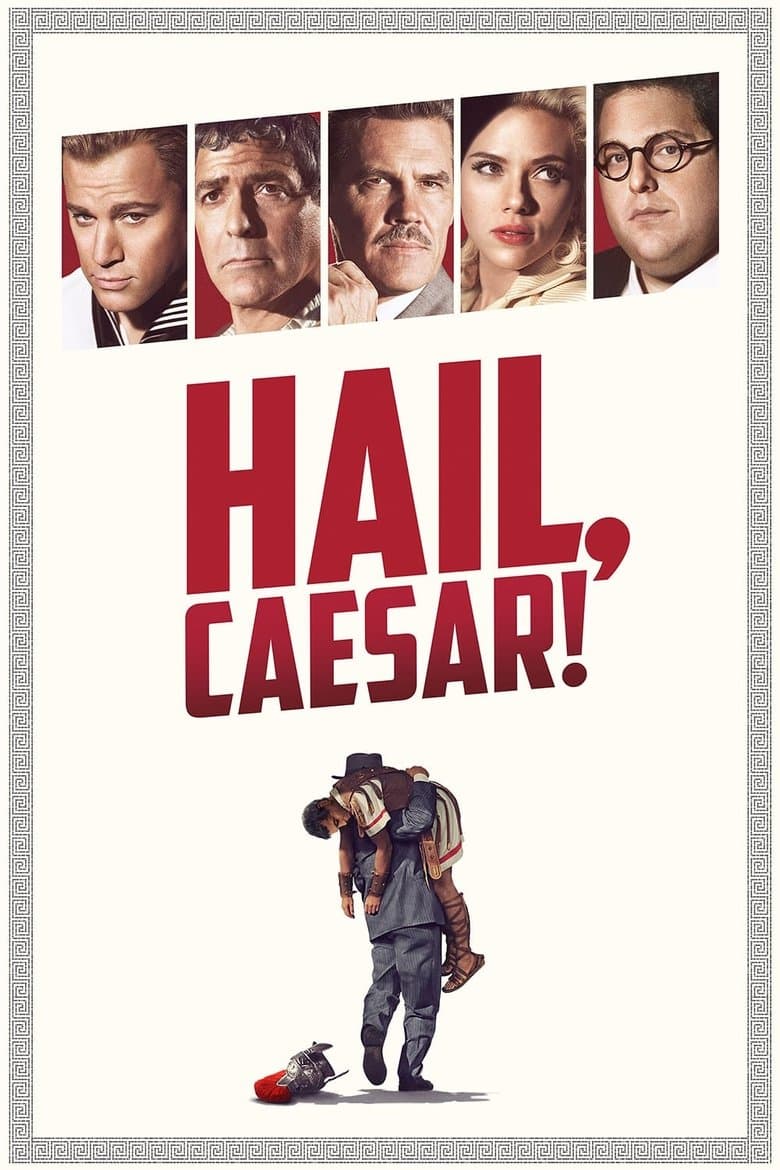
Movie · 2016
When a Hollywood star mysteriously disappears in the middle of filming, the studio sends their fixer to get him back.

Movie · 2026
Through unlikely bonds formed during night shifts at a local aquarium, Tova, an elderly widow, learns of a life-changing discovery that may bring her joy and wonder once again.
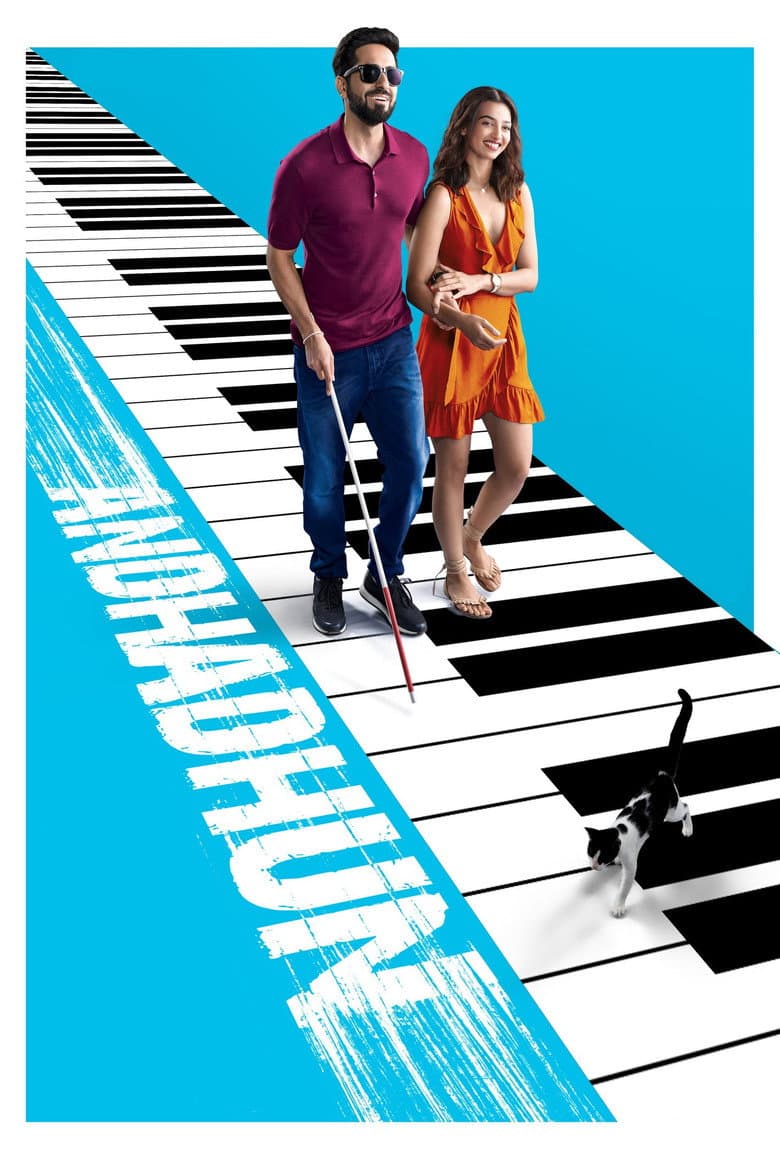
Movie · 2018
A series of mysterious events changes the life of a blind pianist who now must report a crime that was actually never witnessed by him.
